Source Hoodie and Pants Set for gym, casual wear, and travel
Compare 30 Hoodie and Pants Set options featuring cotton, polyester, and spandex blends with styles like loose fit and graphic prints. Buyers can evaluate customization, packaging, and OEM services for leisure or daily wear applications.
Key considerations
Products List


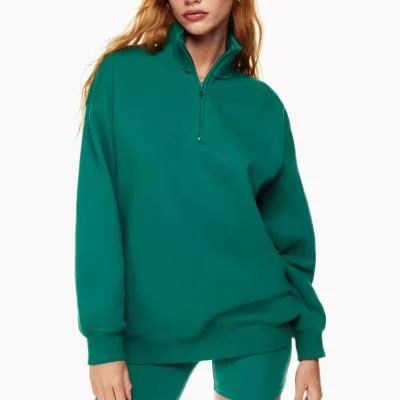


Customizable Cozy Flannel Sweatshirt and Casual Long Pants Set for Comfort
$15.00 - $29.00
MOQ: 30 Pieces
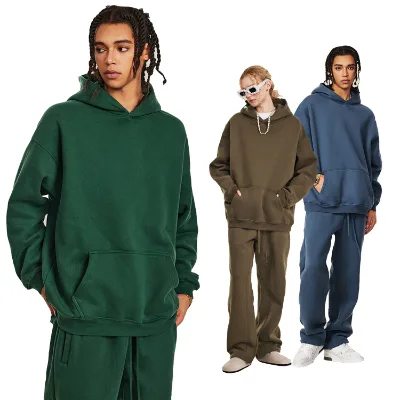
New Knitted Solid Fleece High Street Stacked Sweatpants and Hoodie Sweatsuits Unisex Sets
$10.28 - $12.75
MOQ: 30 Minimum


Comprehensive Sourcing Guide
Strategic Sourcing Guide for Hoodie and Pants Sets
The global market for coordinated apparel, specifically hoodie and pants sets, has evolved from niche athletic wear into a dominant category for leisure and daily wear. For B2B procurement professionals, sourcing these items requires a disciplined approach that balances aesthetic trends with rigorous technical verification. The supply chain for these products is heavily concentrated in manufacturing hubs like China, with specific regional clusters such as Guangdong offering specialized capabilities in knitting and fabric blending. Buyers must navigate a landscape where customization is the norm rather than the exception, with suppliers offering OEM services that allow for brand-specific branding, fabric selection, and size variations. This guide outlines the critical factors for evaluating suppliers and products, ensuring that procurement decisions are grounded in verifiable facts rather than marketing claims.
Technical Specifications and Fabric Composition
When evaluating hoodie and pants sets, the first step is to scrutinize the technical specifications provided by the supplier. The core of any apparel product lies in its material composition, which dictates comfort, durability, and end-use suitability. In the current market, a significant portion of these sets utilizes a blend of Spandex and Cotton. This combination offers the stretch and recovery necessary for a "Loose" fit while maintaining the natural breathability and softness associated with cotton. However, buyers must also be aware of alternative fabric options. Some listings indicate "Various Option" availability, while others specify Polyester or Knitting fabric types. The distinction between these materials is critical; Polyester often provides superior moisture-wicking and durability for active scenarios, whereas Cotton blends are preferred for "Leisure" and "Daily wear" applications.
The construction details further define the product's utility. Specifications such as "Long Sleeve" for the hoodie and "Straight" or "Full Length" for the pants are standard, but variations exist. For instance, some sets are categorized as "Short" fit or "Regular" tops length, which directly impacts the target demographic and seasonal suitability. The "Spring / Autumn" season designation suggests these sets are designed for transitional weather, implying a "Normal" thickness that is neither too heavy for summer nor too light for winter. Buyers should verify the "Sleeve Length" and "Tops Length" against their specific size charts, as "Free Size" options are available but may not suit all body types. Additionally, the "Hood Type" is often a fixed design, which is a standard construction method, though customizations can alter this. The "Closure Type" for the hoodie is typically a Zipper, providing versatility in wearability.
Customization Capabilities and Brand Integration
One of the primary advantages of sourcing hoodie and pants sets from major manufacturing regions is the high degree of customization available. Suppliers frequently offer "Customization" services that extend beyond simple color changes. The ability to apply a "Customized" logo via methods such as "Embroidery" is a standard offering, allowing brands to integrate their identity directly into the garment. This is particularly relevant for companies seeking to create a cohesive brand image through "Graphic" patterns or specific colorways like "Black."
The scope of customization often includes packaging and sizing. While standard packaging might be "Polybags" or a "Box," buyers can often request specific configurations, such as "1 PC in OPP Bag, Bundle in Carton." This flexibility is essential for logistics and retail presentation. Furthermore, the "Custom Your Own Brand" service is widely acceptable, enabling private label operations. Buyers should also verify the availability of "Custom Other Size" options, as the standard "Free Size" or specific size runs may not align with all target markets. The "High Waist Design" is another specification that can be customized; while some listings indicate "No," this is a design choice that can be altered to meet specific fashion trends. The "Pattern" and "Color" are also key areas for differentiation, with suppliers often supporting a wide range of options to match seasonal trends.
Compliance, Standards, and Quality Verification
Navigating the compliance landscape for apparel is a critical step in the procurement process. While some background information may reference certifications like GOTS or OEKO-TEX, buyers must treat these as potential attributes rather than guaranteed standards for every listed product. The supplied facts indicate that "prod_standard" can be "customized," suggesting that compliance requirements are often negotiated on a per-order basis. Buyers should not assume a product meets international safety or environmental standards unless explicitly verified in the product specification sheet.
Instead of relying on unverified claims, procurement teams should focus on verifying the "prod_standard" dimensions and material safety. For example, packaging standards might be listed as specific dimensions like "28351" or "204040cm," which are physical constraints rather than safety certifications. The "feature" of the product, such as "Breathable" and "Anti-pilling," are performance claims that require validation. Buyers should request test reports or samples to confirm that the "Knitting" fabric type indeed delivers the promised anti-pilling properties and that the "Spandex / Cotton" blend maintains its shape after washing. The "7_days_sample_order_lead_time" support is a positive indicator of a supplier's agility, allowing for rapid quality checks before committing to a full production run.
Cost Drivers and Pricing Dynamics
Understanding the cost structure of hoodie and pants sets is essential for budgeting and margin planning. The observed price range in the market spans from $0.50 to $49.90 USD, a wide variance that reflects differences in material quality, customization complexity, and order volume. The "MOQ" (Minimum Order Quantity) also plays a significant role in pricing, with observed ranges from 1 to 200 units. Lower MOQs, such as 1 unit, often come with a higher per-unit cost due to the setup costs for customization, while larger orders typically benefit from economies of scale.
Several factors drive the final cost. The "Material" is a primary driver; a pure cotton blend will generally cost more than a polyester-heavy mix. The "Printing Methods" used, such as embroidery, add labor and material costs compared to simple screen printing. Additionally, the "Supply Type" being "OEM service" implies a level of service that includes design, sampling, and quality control, which is factored into the price. The "Location" of the supplier, such as "Guangdong China," can influence logistics costs and lead times, which indirectly affects the total landed cost. Buyers should analyze the trade-off between the "Observed MOQ" and the unit price to determine the most cost-effective order size for their specific business needs.
Supplier Evaluation and Operational Reliability
Selecting the right supplier requires a thorough evaluation of their operational capabilities and reliability. The "supply_type" of "OEM service" indicates that the supplier is equipped to handle custom orders, but buyers must verify their capacity to meet specific deadlines. The "7_days_sample_order_lead_time" is a strong metric of responsiveness, suggesting that the supplier can provide samples quickly for approval. However, buyers should also inquire about the lead time for bulk production, which is not explicitly listed in the provided facts but is a critical negotiation point.
The "prod_origin" being "China" is a common fact, but the specific region, such as "Guangdong China," often correlates with specific manufacturing strengths. Guangdong is known for its textile industry, particularly in knitting and fabric processing. Buyers should assess the supplier's ability to handle "Custom Other Size" requests and their track record with "Customized" branding. The "prod_packing" methods, whether "Polybags," "Box," or "OPP Bag," should align with the buyer's retail requirements. A supplier that offers flexible packaging options demonstrates a customer-centric approach. Additionally, the "feature" claims like "Breathable" and "Anti-pilling" should be backed by the supplier's quality assurance processes. Buyers should request references or case studies to verify the supplier's consistency in delivering products that meet the "Standard" specifications.
Quality Control and Long-Term Procurement Strategy
Implementing a robust quality control (QC) strategy is vital for maintaining brand reputation in the Hoodie and Pants Set market. Given the "feature" claims of "Breathable" and "Anti-pilling," QC must focus on fabric integrity and finish. Buyers should establish clear acceptance criteria for the "Material" blend, ensuring that the "Spandex / Cotton" ratio remains consistent across batches. The "Style" of "Leisure" and the "Fit" of "Loose" or "Short" must be verified against the approved sample to ensure the final product matches the intended design.
For long-term procurement, building a strategic partnership with suppliers who offer "Customization" and "OEM service" is advantageous. This relationship allows for continuous improvement in product design and cost efficiency. Buyers should leverage the "Custom Your Own Brand" capability to differentiate their products in a competitive market. Regular audits of the "prod_standard" and "prod_origin" can help ensure that the supply chain remains compliant with evolving regulations. Furthermore, maintaining a buffer stock of "Free Size" or standard items can help mitigate supply chain disruptions. The "Season" designation of "Spring / Autumn" suggests a cyclical demand pattern, so buyers should plan their orders to align with these seasonal peaks. By focusing on verifiable specifications and maintaining open communication with suppliers, buyers can secure a reliable supply of high-quality hoodie and pants sets that meet both functional and aesthetic requirements.
Comparative Analysis of Product Attributes
To facilitate decision-making, it is helpful to compare key attributes across different product listings. The following table summarizes the variations observed in the market data, highlighting the diversity in specifications that buyers must navigate.
| Attribute | Option A (Cotton Blend) | Option B (Polyester/Knitting) | Option C (Custom/Various) |
|---|---|---|---|
| Material | Spandex / Cotton | Polyester | Various Option |
| Fit | Loose | Short | Custom Other Size |
| Sleeve Length | Long Sleeve | Short | Long Sleeve |
| Packaging | Polybags | 1 PC in OPP Bag, Bundle in Carton | Box |
| Standard | Customized | 28351 | 204040cm |
| Origin | China | Guangdong China | China |
| Logo | Customized | Customized | Customized |
| Season | Spring / Autumn | Daily Wear | Spring / Autumn |
| Closure | Zipper | Zipper | Zipper |
| Feature | Breathable, Anti-pilling | Breathable | Breathable |
This comparison illustrates that while core features like "Zipper" closure and "Customized" logos are consistent, the material and fit options vary significantly. Buyers must align these attributes with their specific market needs. For instance, a brand targeting active consumers might prefer the "Polyester" option for its durability, while a lifestyle brand might opt for the "Spandex / Cotton" blend for comfort. The "Standard" dimensions also vary, affecting shipping costs and storage requirements. By carefully analyzing these attributes, buyers can make informed decisions that optimize both product performance and supply chain efficiency.
In conclusion, sourcing hoodie and pants sets requires a meticulous approach that prioritizes verified specifications over marketing claims. By focusing on material composition, customization capabilities, and supplier reliability, buyers can build a resilient supply chain that delivers high-quality products. The wide range of options available, from fabric blends to packaging styles, offers significant flexibility for brands looking to differentiate themselves. However, the responsibility lies with the buyer to validate every claim, from "Anti-pilling" features to "Customized" standards, ensuring that the final product meets the highest expectations of quality and performance.
FAQs
What materials are used for hoodie and pants sets?
Common materials include Spandex and Cotton blends, Polyester, or various options. Buyers should verify the specific fabric type like Knitting or Cotton to ensure it matches the desired comfort and durability for leisure or daily wear applications.
Can I customize the logo on these sets?
Yes, customization is available with options for customized logos via embroidery. Suppliers typically accept custom branding requests, allowing buyers to apply graphic patterns or specific colors like black to meet their brand identity needs.
What is the minimum order quantity for these sets?
The minimum order quantity ranges from 1 to 200 units depending on the supplier. Lower MOQs often incur higher per-unit costs, while larger orders benefit from economies of scale and potentially better pricing structures.
How long does it take to get a sample?
Support for a 7-day sample order lead time is available from many suppliers. This allows buyers to quickly verify quality and specifications before committing to a full production run for their specific business needs.
Where are these products manufactured?
Products originate from China, with specific manufacturing hubs located in Guangdong. Buyers should consider this location when evaluating logistics costs and the supplier's capability in knitting and fabric processing for apparel.
What packaging options are available for these sets?
Packaging varies by product and includes Polybags, Boxes, or 1 PC in OPP Bag bundled in Carton. Buyers can often request specific configurations to align with their retail presentation and logistics requirements.
Are there specific size options for these sets?
Options include Free Size, Regular tops length, or Custom Other Size requests. Buyers should verify fit details like Loose or Short against their target demographic to ensure the product meets their sizing standards.