Find Unlocked USA Version Mobile Phone for Business, Gaming, and Photography
Source Unlocked USA Version Mobile Phone models from 30 available listings. Buyers can compare specifications including 5G connectivity, chipsets like A16 Bionic, and storage options ranging from 64GB to 512GB for various business, gaming, and photography needs.
Key considerations
Products List


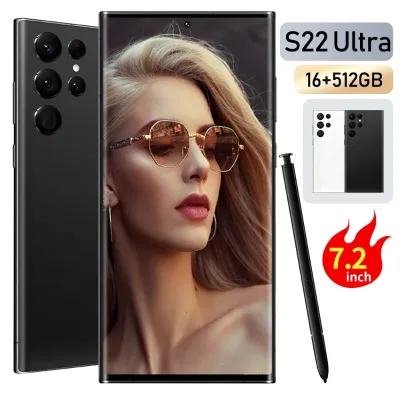
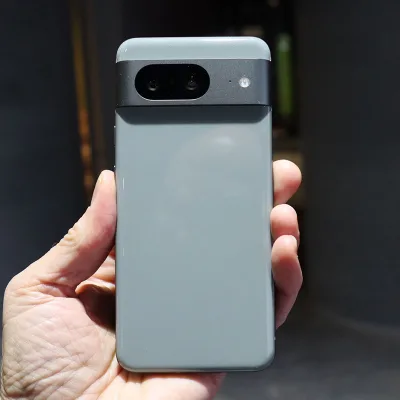
Hot Sale Used Phones Global Version Original Mobile Phone for S22 5g Cell Phone
$193.00 - $199.00
MOQ: 2 Pieces


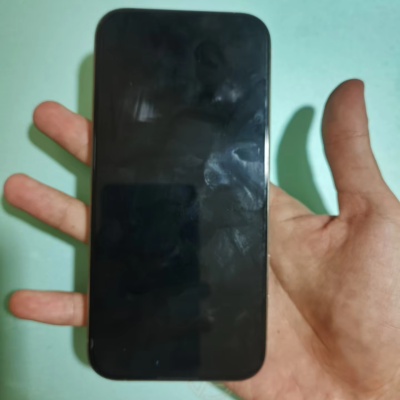
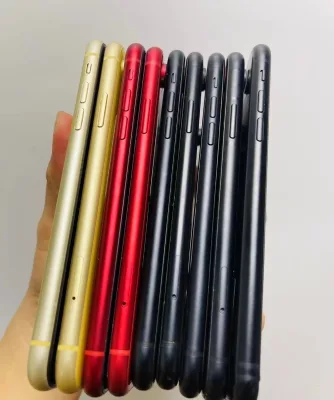
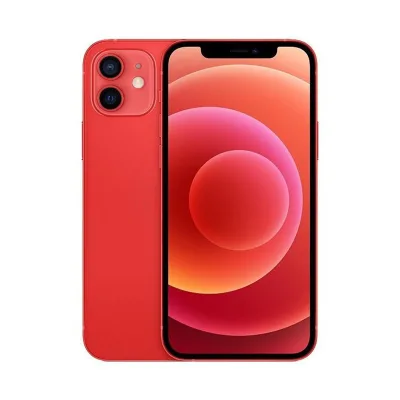
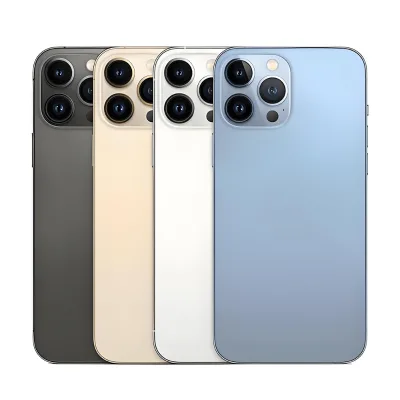
Original Cheap Mobile USA Version Original Wholesale for Phone 8P X Xr Xs11 12/12 Pro/12 Pro Max
$154.36 - $308.71
MOQ: 1 Minimum
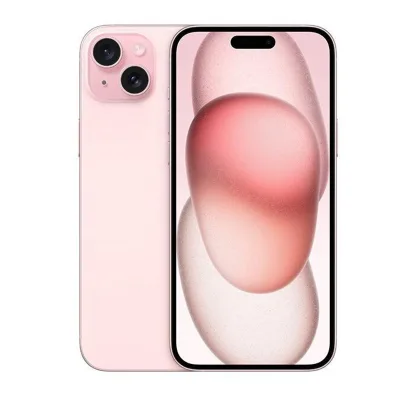
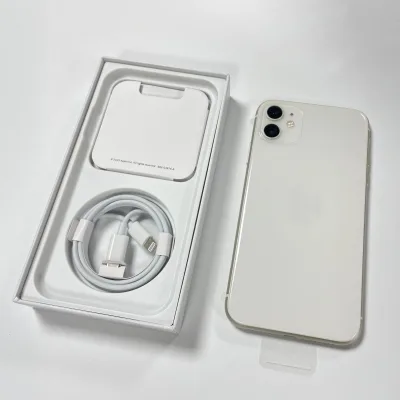

Factory Renewed Original Unlocked Refurbished Mobile Phones Grade AA+ for IP11
$88.00 - $188.00
MOQ: 1 Pieces




Comprehensive Sourcing Guide
Sourcing Strategy for Unlocked USA Version Mobile Phones
Procuring unlocked mobile phones designed for the USA market requires a rigorous approach that balances technical compatibility, regulatory compliance, and supply chain reliability. The term "unlocked USA version" implies a device capable of operating on major North American carrier networks without being tied to a specific provider, yet the market data reveals a complex landscape of specifications, origins, and operational systems. Buyers must navigate a diverse array of product attributes, ranging from legacy GSM and CDMA support to modern 5G capabilities, while ensuring that the devices meet the specific frequency bands and software requirements of the United States telecommunications infrastructure. This guide outlines the critical factors for sourcing these devices, focusing on the observed technical realities and the necessary verification steps for B2B procurement.
Technical Architecture and Network Compatibility
The foundational requirement for any USA-destined mobile phone is network compatibility. The observed product data indicates a wide spectrum of supported technologies, including GSM, CDMA, HSPA, EVDO, LTE, and 5G. However, the specific implementation of these standards varies significantly between units. For instance, some listed specifications explicitly mention support for CDMA and GSM, which is essential for legacy and hybrid network coverage in the United States. Conversely, other entries focus heavily on 5G, GSM, 3G, and 4G standards. A buyer must verify that the specific unit procured supports the exact frequency bands used by the target carriers, as "unlocked" does not automatically guarantee full band compatibility across all US networks.
Furthermore, the chipset architecture plays a pivotal role in performance and network handling. The data presents two distinct chipset families: the Apple A11 Bionic and A16 Bionic, and the Samsung Exynos 2200. The A16 Bionic, noted as a 4 nm process, supports a Hexa-Core configuration with specific high-performance cores, while the Exynos 2200 is also a 4 nm solution but is explicitly marked for the European market in some contexts. This distinction is critical; a device marketed as a "USA version" must be verified to ensure the chipset is not a region-locked variant that lacks necessary US 5G bands or Wi-Fi standards. Additionally, the operating system is a key differentiator. While some units are listed with iOS versions ranging from iOS 11 up to iOS 16.7.7, others are specified with Android. The procurement strategy must align the OS with the intended application, as iOS devices typically require specific carrier provisioning for full functionality, whereas Android devices offer more flexibility in network switching.
Physical Specifications and Build Quality
Physical dimensions and build materials are not merely aesthetic choices but have implications for durability, ergonomics, and device compatibility with accessories. The observed data shows a range of dimensions, with one set of specifications listing 158.4 x 78.1 x 7.5 mm and another at 147.6 x 71.6 x 7.8 mm. These variations suggest different form factors, likely corresponding to different screen sizes and battery capacities. The screen sizes observed range from 5.5 inches to 6.1 inches, with screen-to-body ratios varying from approximately 67.4% to 86.4%. Buyers must ensure that the selected device fits the intended use case, whether for business, gaming, or elderly care, as the "Style" attributes in the data include categories like "Business Mobile Phone," "Camera Mobile Phone," and "Elderly Mobile Phone."
Build quality is another critical observation. The data references "Glass Front (Corning-Made Glass)" and "Glass Back," indicating a premium build intended for durability. However, other entries mention "IPS" screen material, which differs from the "AMOLED" material listed for other units. This inconsistency highlights the need for strict verification of screen technology, as AMOLED offers superior contrast and color reproduction compared to IPS, which may be a deciding factor for media-heavy applications. The weight also varies, with observations of 202 grams and 171 grams. For bulk procurement, the weight difference can impact shipping costs and user comfort, particularly for devices marketed as "Elderly Mobile Phones" where lighter weight is often a priority.
Storage, Memory, and Expansion Capabilities
Internal storage and memory configurations are vital for determining the device's longevity and suitability for enterprise or high-performance applications. The data reveals a mix of storage options, including 64GB, 128GB, 256GB, and 512GB variants, paired with RAM ranging from 3GB to 6GB. A specific entry notes a "ROM Capacity" of 128GB, while another explicitly states "Storage Expansion: Supported." This support for expansion is a significant differentiator, allowing buyers to procure devices with lower base storage that can be upgraded via microSD cards, potentially reducing initial costs. However, the presence of "Nano-SIM" slots alongside "Dual Esim with Multiple Numbers" indicates a divergence in connectivity options. Some devices rely on physical SIM cards, while others utilize eSIM technology, which is increasingly common in modern US devices. Buyers must verify which connectivity method is required for their specific network environment, as eSIM support is not universal across all "unlocked" units.
Compliance, Certification, and Regulatory Standards
Compliance with US regulatory standards is non-negotiable for any device intended for the American market. While the supplied data mentions "prod_standard: one pcs" and "Network Standard: 5G, GSM, 3G, 4G, CDMA," it does not explicitly list FCC certification or other US-specific regulatory marks. Buyers must independently verify that the devices carry the necessary Federal Communications Commission (FCC) identification numbers. The absence of explicit certification data in the product listings means that procurement teams cannot assume compliance based on the provided text. Additionally, the "prod_origin: China" note indicates the manufacturing location, which may influence import duties and supply chain logistics. Buyers should request proof of compliance documentation from suppliers to ensure that the devices can be legally imported and sold in the USA without risking seizure or fines.
Cost Drivers and Pricing Dynamics
The pricing landscape for unlocked USA version mobile phones is highly variable, with observed listed prices ranging from $13 to $884.97. This wide range suggests a market segment that includes both refurbished units, budget models, and premium flagship devices. The "Grade: 99% New" attribute implies that some listings may be refurbished or open-box units, which would explain the lower price points. Conversely, the higher prices likely correspond to devices with newer chipsets, larger storage capacities, and premium build materials. The Minimum Order Quantity (MOQ) also varies significantly, from 1 to 1000 units. This flexibility allows buyers to test the market with small orders or commit to large volumes for better unit economics. However, the price per unit often correlates with the MOQ, with larger orders typically securing better rates. Buyers must analyze the total cost of ownership, including shipping, taxes, and potential refurbishment costs, rather than focusing solely on the listed price.
Supplier Evaluation and Quality Assurance
Evaluating suppliers for mobile phone procurement requires a multi-faceted approach. The data indicates that transportation is handled via "DHL/UPS," which are reputable logistics providers, but this does not guarantee the quality of the goods. Suppliers must be vetted for their ability to provide consistent quality, particularly given the "99% New" grading which can be subjective. Quality control measures should include physical inspection of the device, verification of the IMEI numbers to ensure they are not blacklisted, and testing of network connectivity on US carrier bands. The "prod_packing" varies between "Carton" and "Sealed Gift Box," which may affect the perceived value and protection of the devices during transit. Buyers should request samples to verify the build quality, screen integrity, and battery health before committing to large orders. Additionally, the "Removable Battery: No" specification indicates that battery replacement is not a user-serviceable feature, making initial battery health a critical quality metric.
Long-Term Procurement and Operational Considerations
Long-term procurement strategies for unlocked mobile phones must account for software support, device lifecycle, and market trends. The data shows operating systems ranging from iOS 11 to iOS 17, with some devices listed as "Upgradable to Ios 17.6.1." This indicates that some devices may receive extended software support, which is crucial for security and compatibility with modern applications. However, the presence of older OS versions like iOS 11 suggests that some units may be nearing end-of-life for software updates. Buyers should prioritize devices with a clear upgrade path to ensure longevity. Furthermore, the "Style" attributes suggest diverse use cases, from "Game Mobile Phone" to "Music Mobile Phone," which may require specific hardware configurations. For enterprise buyers, the "Business Mobile Phone" category may offer enhanced security features or management capabilities. Finally, the "Data interface: Type-C" observation confirms that modern charging and data transfer standards are being utilized, which simplifies accessory compatibility and future-proofing the procurement.
| Feature Category | Observed Specification Range | Procurement Verification Point |
|---|---|---|
| Network Standard | GSM, CDMA, 3G, 4G, 5G | Confirm specific US frequency bands (e.g., Band 2, 4, 5, 12, 66, 71) |
| Operating System | iOS 11 - 17, Android | Verify current OS version and upgrade roadmap |
| Chipset | A11/A16 Bionic, Exynos 2200 | Ensure chipset is not region-locked for Europe/Asia |
| Storage | 64GB - 512GB, 3GB - 6GB RAM | Check for storage expansion support (SD card slot) |
| SIM Configuration | Nano-SIM, Dual eSIM | Confirm eSIM provisioning capabilities for US carriers |
| Screen Technology | AMOLED, IPS | Verify screen type matches application needs (e.g., outdoor visibility) |
| Build Material | Glass Front/Back, Plastic | Inspect for physical damage and screen-to-body ratio |
| Pricing | $13 - $884.97 | Calculate total landed cost including shipping and duties |
In conclusion, sourcing unlocked USA version mobile phones demands a meticulous review of technical specifications, regulatory compliance, and supplier reliability. The observed data highlights a market with significant variation in device capabilities, from legacy CDMA support to cutting-edge 5G and eSIM technology. Buyers must go beyond the listed attributes to verify actual performance, network compatibility, and software support. By adhering to a disciplined procurement process that includes sample testing, compliance verification, and clear communication with suppliers, organizations can secure a reliable supply of mobile devices that meet the diverse needs of the US market. The wide range of prices and configurations offers opportunities for cost optimization, but only if the buyer rigorously validates the quality and functionality of each unit before integration into their operations.
FAQs
What network standards do unlocked USA phones support?
Unlocked USA phones support GSM, CDMA, 3G, 4G, and 5G standards. Buyers must verify specific frequency bands for target carriers as unlocked status does not guarantee full band compatibility across all US networks.
Which operating systems are available for these devices?
Devices are available with iOS versions ranging from 11 to 17 or Android operating systems. Procurement must align the OS with intended application needs since iOS devices often require specific carrier provisioning for full functionality.
Can I find phones with storage expansion capabilities?
Some unlocked phones support storage expansion via microSD cards while others do not. Buyers should verify if the specific unit allows expansion to reduce initial costs or ensure sufficient base storage for enterprise use.
How do I verify FCC compliance for these imports?
Compliance with US regulatory standards is non-negotiable for devices intended for the American market. Buyers must independently verify that devices carry necessary Federal Communications Commission identification numbers as product listings may not explicitly list them.
What is the price range for unlocked USA phones?
Listed prices range from 13 to 884.97 USD depending on condition and specifications. The wide range suggests a mix of refurbished units and premium flagships, requiring analysis of total landed cost including shipping and duties.