Source Hospital Passenger Elevator Intercom and Emergency Power Supply for hotels, offices, and public buildings
Compare 30 listings for Hospital Passenger Elevator Intercom and Emergency Power Supply from verified manufacturers. Review specifications, certifications, and pricing for control systems and power units suitable for public traffic and high-safety environments.
Key considerations
Products List







Comprehensive Sourcing Guide
Strategic Sourcing Guide for Hospital Passenger Elevator Intercom and Emergency Power Supply Systems
Procuring critical infrastructure components for healthcare facilities requires a rigorous approach that balances technical precision with regulatory compliance. For hospital passenger elevators, the intercom and emergency power supply systems are not merely convenience features but essential life-safety mechanisms. These systems ensure continuous communication during power failures and provide a reliable backup for elevator operations, directly impacting patient safety and emergency response capabilities. The following guide outlines the essential factors buyers must evaluate when sourcing these specialized components, grounded in verified product attributes and industry standards.
Technical Specifications and System Architecture
The core technical requirements for hospital-grade elevator intercoms and power supplies differ significantly from standard commercial applications. Based on observed product data, the intercom systems are designed specifically for public traffic environments, necessitating high durability and clear audio transmission. The product specifications indicate that these units often function as control systems with a "Modern" design style, integrating seamlessly into the hospital's aesthetic while maintaining robust functionality.
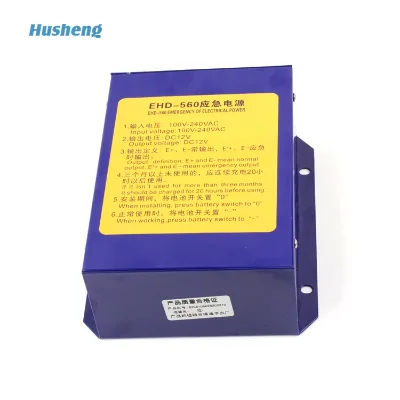
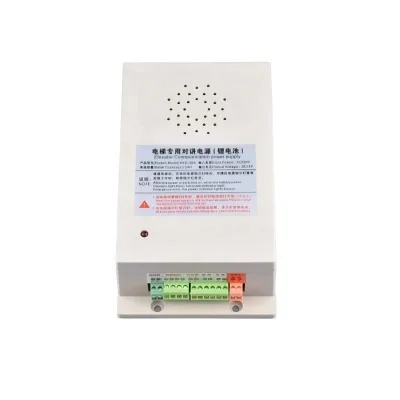
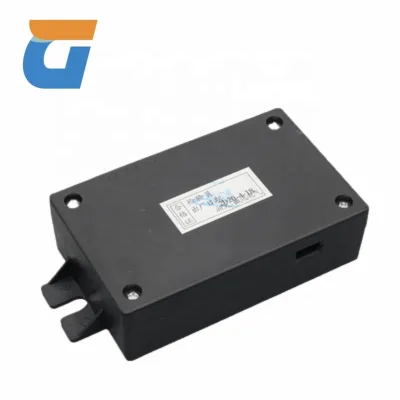
A critical observation in the current market is the diversity of model numbers and power ratings available. Buyers must verify specific model identifiers such as the "TD-360," "EHD-560," or "DY-DJ524B" to ensure compatibility with existing elevator shafts and control panels. The power supply units, frequently categorized as "Emergency Lighting Power Supply" or "Elevator Emergency Power Supply," must support specific voltage requirements. Data points show models like "RKP220 12V4" and "RKP220/12PE-10," indicating that voltage stability and capacity are paramount.
Furthermore, the material composition of these units is predominantly metal, ensuring structural integrity and resistance to the high-traffic, high-hygiene demands of a hospital environment. The "Load Capacity" of the associated elevator systems is a vital parameter; for instance, a capacity of 1000kg is a common benchmark for passenger elevators in medical facilities. When evaluating the intercom's "Information content," buyers should confirm that the system supports voice communication, as this is the primary mode of interaction during emergencies. The physical dimensions of the control units, such as the standard 2150720830mm footprint observed in some specifications, must be accounted for during the installation planning phase to ensure they fit within the designated elevator car or machine room.
Compliance and Certification Verification
In the healthcare sector, regulatory compliance is non-negotiable. The sourcing process must prioritize suppliers who can provide verifiable documentation for international and local safety standards. The supplied product data highlights "ISO9001" and "ISO, CE" certifications as key indicators of quality management and safety compliance. These certifications suggest that the manufacturing processes adhere to rigorous quality control protocols, which is essential for components that will operate in life-critical scenarios.
Buyers should not assume that all listed products automatically meet these standards. Instead, the procurement team must request current certification certificates for the specific batch or model being purchased. The "Safety: High" attribute observed in product descriptions is a qualitative claim that must be substantiated by the physical testing data and third-party audit reports associated with the ISO and CE marks. Additionally, the "Standard Export Packing Box" and "Wooden Cases" mentioned in the specifications are relevant for ensuring the products arrive without damage, but they do not replace the need for safety compliance documentation.
When evaluating the "Project Solution Capability," buyers should verify that the supplier can provide a comprehensive solution that includes not just the hardware but also the necessary integration protocols. The "Business Type: Manufacturer" status of some suppliers indicates a direct line to production, which can facilitate better quality control and customization. However, the presence of "General" or "Other" branding suggests that buyers must be vigilant in distinguishing between original equipment manufacturers (OEMs) and generic distributors. The "Condition: New" attribute is a baseline requirement, but it must be accompanied by proof of origin, specifically "Shaanxi, China," to ensure the supply chain is transparent and traceable.
Cost Drivers and Pricing Dynamics
The pricing for hospital-grade elevator intercoms and power supplies is influenced by several distinct factors, including the complexity of the control system, the material quality, and the level of customization required. The observed price range in the market spans from $1.02 to $450, a wide variance that reflects the difference between basic components and fully integrated, high-capacity systems. Buyers must understand that the lowest price point often corresponds to single-item units with minimal features, while the higher end of the spectrum likely includes complex control systems with advanced safety features and extended warranties.
The "Payment Terms: Full payment" observed in some listings indicates a potential cash-flow consideration for buyers. While this term simplifies the transaction, it may increase financial risk if the supplier fails to deliver. Buyers should negotiate terms that align with project milestones, such as partial payments upon shipment or delivery, to mitigate this risk. The "Selling Units: Single item" specification suggests that the market is fragmented, with many suppliers offering individual components rather than bulk packages. This fragmentation can drive up logistics costs, as multiple shipments may be required to complete a single hospital project.
Customization is a significant cost driver. The "Customization: Available" attribute implies that buyers can tailor the intercom and power supply systems to specific hospital requirements, such as specific color schemes (e.g., "White") or interface designs. However, customization often incurs additional costs and extends lead times. Buyers should carefully weigh the benefits of a tailored solution against the budget constraints and timeline of the hospital construction or renovation project. The "Transportation: air" option noted in the data suggests that expedited shipping is available, which can be a critical factor for time-sensitive projects but will inevitably increase the total cost of ownership.
Typical Applications and Operational Environments
The primary application for these systems is within the "Public Traffic" environment of a hospital, where reliability is paramount. The "Application: Hotel" attribute in the data suggests that these components are versatile and can be adapted for various high-traffic commercial settings, but the specific demands of a hospital—such as 24/7 operation, strict hygiene standards, and the need for immediate emergency response—require a higher tier of performance.
The "Elevator Parts" category confirms that these components are integral to the elevator's operation, serving as the backbone for communication and power backup. In a hospital setting, the intercom system must function flawlessly during power outages, allowing patients and staff to communicate with emergency services or building management. The "Emergency Power Supply" units must be capable of sustaining the elevator's control systems and lighting for a sufficient duration to allow for safe evacuation or patient transfer.
The "Design Style: Modern" indicates that these systems are designed to blend with contemporary hospital architecture. However, the aesthetic considerations should never compromise the functional requirements. The "Material: Metal" construction ensures that the units can withstand the wear and tear of daily use in a busy medical facility. Buyers should also consider the "After-sale Service: Online Technical Support" as a critical component of the application lifecycle. In a hospital environment, immediate technical assistance is often required to resolve any issues that could disrupt elevator operations or emergency communication.
Supplier Evaluation and Selection Criteria
Selecting the right supplier is a critical step in the procurement process. The data indicates a mix of "Manufacturer" and "Other" business types, requiring buyers to perform due diligence to identify the true source of the products. A "Manufacturer" status is generally preferred as it offers better control over quality, customization, and after-sales support. However, the presence of "General" or "Other" branding does not automatically disqualify a supplier; it simply necessitates a deeper investigation into their supply chain and quality assurance processes.
Buyers should evaluate suppliers based on their "Project Solution Capability." In the context of hospital projects, this capability often refers to the ability to provide a turnkey solution that includes installation guidance, system integration, and ongoing maintenance. The "Warranty: 1 Year" and "Warranty Time: one year" attributes provide a baseline for post-purchase support, but buyers should inquire about the scope of this warranty. Does it cover parts, labor, or both? Is there an option to extend the warranty period?
The "Place of Origin: Shaanxi, China" is a specific detail that buyers should verify. While China is a major hub for manufacturing these components, the specific region can influence logistics and lead times. Buyers should also check the "Certificates: ISO9001" and "Certification: ISO, CE" to ensure the supplier adheres to international quality standards. The "Information content: Voice" attribute highlights the importance of clear communication, and suppliers should be able to demonstrate the audio quality of their intercom systems through sample recordings or technical specifications.
Quality Control and Long-Term Procurement Considerations
Quality control is the final barrier before the components are installed in a hospital. Buyers should implement a rigorous inspection process that includes verifying the "Condition: New" status and checking for any physical defects. The "Standard Export Packing Box" and "Wooden Cases" are essential for protecting the products during transit, but they should be inspected upon arrival to ensure that the packaging has not been compromised.
Long-term procurement considerations extend beyond the initial purchase. The "After-sale Service: Online Technical Support" is a key factor in maintaining the system's reliability over time. Buyers should establish a clear communication channel with the supplier to ensure that any technical issues can be resolved promptly. The "Payment Terms: Full payment" should be balanced with a clear service level agreement (SLA) that defines the response time for technical support.
Furthermore, the "Customization: Available" attribute suggests that buyers should plan for future upgrades or modifications. As hospital needs evolve, the intercom and power supply systems may require adjustments. A supplier that offers robust customization capabilities will be better positioned to support these future changes. The "Warranty: 1 Year" should be viewed as a starting point, with buyers considering the total cost of ownership over the lifespan of the elevator system.
In conclusion, sourcing Hospital Passenger Elevator Intercom and Emergency Power Supply systems requires a meticulous approach that prioritizes technical specifications, compliance, and supplier reliability. By carefully evaluating the observed product attributes and adhering to the guidelines outlined in this guide, buyers can ensure that they procure high-quality, reliable components that meet the stringent demands of healthcare facilities. The wide range of available models and the diverse supplier landscape offer flexibility, but it is the buyer's responsibility to navigate these options with a focus on safety, quality, and long-term value.
FAQs
What certifications are required for hospital elevator intercoms?
Products must hold ISO9001 and ISO, CE certifications to ensure safety compliance. These marks verify that manufacturing processes meet rigorous quality control protocols essential for life-critical healthcare environments.
Which model numbers are available for elevator power supplies?
Common models include RKP220 12V4, TD-360, and EHD-560. Buyers must verify specific identifiers to ensure compatibility with existing elevator shafts and control panels before procurement.
How long is the warranty period for these systems?
The standard warranty time is one year for most units. Buyers should confirm if this covers parts, labor, or both, and inquire about options to extend the coverage period.
Can these systems be customized for specific hospital needs?
Customization is available for color schemes like white and interface designs. However, tailored solutions often incur additional costs and may extend the lead time for delivery.
What is the typical load capacity for these elevator components?
A common benchmark for passenger elevators in medical facilities is a load capacity of 1000kg. This parameter is vital for ensuring the system supports the required passenger volume safely.
Where are these elevator parts manufactured?
Products originate from Shaanxi, China, which is a major manufacturing hub. Buyers should verify this origin to ensure the supply chain is transparent and traceable for quality assurance.