Source Hospital Steam Sterilization System with Stainless Steel Baskets for hospitals, labs, and clinics
Explore 21 verified options for a Hospital Steam Sterilization System with Stainless Steel Baskets designed for diverse medical needs. Buyers can compare models featuring LCD displays, temperature alarms, and various chamber sizes to find the right equipment for hospitals, laboratories, and clinics.
Key considerations
Products List


Comprehensive Hospital Sterilization Systems for Enhanced Medical Safety
$750.00 - $850.00
MOQ: 1 Pieces




Efficient Liquid Sanitization System for Stainless Steel Cabinets
$100000.00 - $200000.00
MOQ: 1 Pieces


Medical Devices High Quality Sterilization Equipment Sterilizers for Hospital
$890.00 - $1880.00
MOQ: 1 Pieces
Comprehensive Sourcing Guide
Strategic Sourcing Guide for Hospital Steam Sterilization Systems with Stainless Steel Baskets
Procuring a hospital steam sterilization system equipped with stainless steel baskets requires a rigorous approach that balances technical performance, regulatory compliance, and long-term operational reliability. In the medical device supply chain, the sterilization unit is not merely a piece of equipment but a critical control point for infection prevention. Buyers must navigate a landscape where product attributes vary significantly between models, even within the same category. This guide provides a structured framework for evaluating potential suppliers and selecting equipment that meets the stringent demands of hospital, laboratory, and clinical environments. The focus remains on systems utilizing pressure steam sterilization theory, featuring durable stainless steel construction, and designed for versatile applications ranging from surgical instruments to liquid processing.
Technical Architecture and Material Specifications
The foundational requirement for any hospital steam sterilization system is the integrity of its construction and the precision of its sterilization mechanism. The core technology for these units is pressure steam sterilization, which relies on saturated steam under pressure to achieve microbial lethality. The standard operating temperature range for effective sterilization in these systems typically spans from 105 to 134 degrees Celsius. This thermal range is critical for ensuring the destruction of pathogens, including bacterial spores, which are the most resistant forms of microbial life.
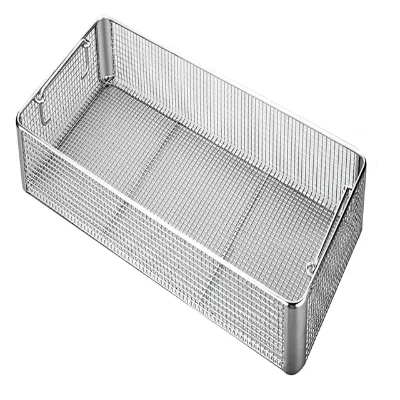
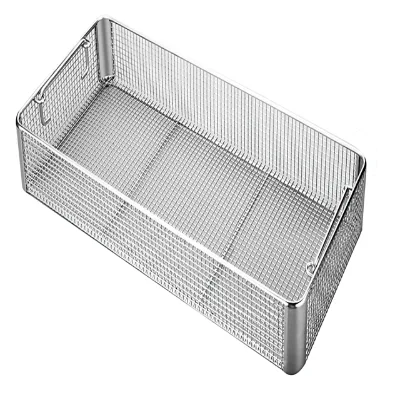
Material selection is paramount for the longevity and safety of the sterilizer. The supplied data indicates that stainless steel is the primary material of construction for these units. This choice is driven by the need for corrosion resistance, smooth surfaces that prevent bacterial adhesion, and the ability to withstand repeated thermal cycling without degradation. Specifically, the baskets included in these systems are constructed from stainless steel, often featuring wire mesh configurations with apertures ranging from 2mm to 10mm. The wire mesh itself can vary in thickness from 1mm to 10mm, and the mesh type may be woven, welded, or perforated. These design features ensure that steam can circulate freely around the load while maintaining the structural integrity of the items being sterilized.
The internal chamber capacity is another critical technical specification. Systems are available in various standard volumes, including 35, 50, 75, 80, 100, and 120 liters. The choice of capacity depends heavily on the throughput requirements of the facility. For instance, a high-volume surgical center may require a 100-liter or 120-liter unit, whereas a small clinic might find a 35-liter or 50-liter model sufficient. The design pressure for these vessels is typically rated around 0.22 MPa, ensuring safe operation under the required steam pressures.
Compliance, Certification, and Regulatory Alignment
Navigating the regulatory landscape is perhaps the most critical aspect of sourcing medical sterilization equipment. Buyers must verify that the equipment meets the necessary certification standards for the target market. The available data highlights specific certifications such as FDA and ISO (including ISOCE and ISOEEC variants) and CE marking. These certifications indicate that the manufacturer has undergone rigorous testing and quality management processes.
Instrument classification is another vital compliance metric. The market offers systems classified as Class I and Class II medical devices. Class I devices are generally considered lower risk and may include simple sterilizers, while Class II devices often involve more complex controls or monitoring systems. For a hospital setting, the classification must align with local regulatory requirements and the intended use of the device. The application scope for these systems is broad, covering hospital medical devices, dental areas, laboratories, pharmaceutical facilities, and clinics.
Buyers should also verify the specific standards the equipment adheres to. While the data lists various volume standards (35-100L, 50/80/100/120L), the underlying engineering standards for pressure vessels and electrical safety must be confirmed. The electrical tension for these units is typically 220V, which is a standard voltage in many regions, but buyers must ensure compatibility with their local power infrastructure. Furthermore, the sterilization objects supported include liquids, dressings, surgical instruments, and even food, indicating a versatility that must be matched with the specific regulatory permissions for each application type.
Operational Features and Control Systems
Modern hospital sterilization systems are defined by their control interfaces and auxiliary features that enhance operational efficiency and safety. A key differentiator in the market is the presence or absence of an LCD display. Some models feature a full LCD display for intuitive operation and real-time monitoring, while others operate without one, relying on analog gauges or simpler interfaces. The choice depends on the technical proficiency of the staff and the complexity of the sterilization cycles required.
Safety is paramount, and the inclusion of an ultra-high-temperature alarm is a significant feature. Systems equipped with this alarm provide an immediate warning if the internal temperature exceeds safe limits, preventing damage to the load or the equipment itself. Conversely, some basic models may lack this specific alarm feature. Similarly, the capability for sterilization information recording and printing is a critical quality control tool. Advanced models offer this feature to generate a physical or digital record of the sterilization cycle, which is essential for audit trails and compliance verification. Basic models may not include this functionality.
Drying is another operational variable. While some systems include an integrated drying cycle, others offer it as an optional feature. This is particularly relevant for surgical instruments that require immediate use or storage in a dry state. The presence of two stainless steel baskets in some configurations allows for batch processing, increasing throughput and efficiency. The surface treatment of the internal components is typically polished to ensure a smooth surface that resists corrosion and facilitates easy cleaning.
Cost Drivers and Procurement Economics
Understanding the cost structure of hospital steam sterilization systems is essential for budgeting and financial planning. The price range observed in the market is extensive, spanning from 0.1 USD to 200,000 USD. This vast disparity reflects differences in capacity, automation level, certification status, and brand positioning. A basic 35-liter unit without advanced digital controls will naturally be priced lower than a 120-liter model with full LCD interfaces, recording capabilities, and comprehensive safety alarms.
The minimum order quantity (MOQ) for these systems is typically one unit, allowing hospitals to purchase single items without the need for bulk commitments. However, buyers should be aware that the "Selling Units" are often listed as single items, which may imply that shipping and installation costs are separate line items. The packaging for these heavy industrial machines is typically a wooden box or wooden case, designed to protect the equipment during transit from the manufacturing origin, which is often in regions like Anhui, China.
Warranty terms are a significant factor in the total cost of ownership. A standard warranty period of 1 year is commonly observed. Buyers should scrutinize the terms of this warranty, including what components are covered and the availability of spare parts. After-sale service is another cost driver; online technical support is a standard offering, but the depth of this support—whether it includes remote diagnostics, on-site training, or rapid response teams—can vary. The brand name, such as Cfull, may also influence pricing, with established brands potentially commanding a premium for perceived reliability and service networks.
Supplier Evaluation and Quality Assurance
Selecting the right supplier requires a thorough evaluation of their manufacturing capabilities and quality assurance processes. The origin of the product is a key indicator; many of these systems originate from Anhui, China (Mainland), a region known for its medical device manufacturing. Buyers should verify the specific factory location and request documentation regarding the production process.
Quality control should be a central part of the supplier evaluation. Buyers must ask for evidence of the manufacturing standards used, including material certifications for the stainless steel and baskets. The wire mesh specifications, such as the aperture size and wire thickness, should be verified against the supplier's quality control records. Additionally, the surface treatment process, described as polishing, should be inspected to ensure it meets the "smooth surface" and "corrosion resistance" criteria.
The classification of the instrument (Class I or Class II) should be clearly documented in the supplier's technical files. Buyers should also assess the supplier's ability to provide customization, as the data indicates that customization is available. This could include modifications to the basket configuration, voltage requirements, or control panel layouts. The packing method, whether a wooden box or wooden case, should be evaluated for its ability to prevent damage during shipping.
Long-Term Procurement and Lifecycle Management
Procuring a sterilization system is a long-term investment that requires consideration of the entire lifecycle of the equipment. The application scope, which includes hospital, laboratory, surgical, and endoscope usage, suggests that the equipment will be subjected to heavy daily use. Therefore, the durability of the stainless steel construction and the reliability of the pressure steam mechanism are critical.
Maintenance is a key consideration for long-term success. Buyers should inquire about the availability of replacement parts, such as baskets, heating elements, and control boards. The drying option, if selected, adds complexity to the maintenance schedule, requiring regular checks of the drying mechanism. The warranty period of one year provides a baseline for initial reliability, but buyers should plan for maintenance costs beyond this period.
The sterilization objects supported, including liquids and dressings, imply that the system must be versatile. However, switching between different load types may require specific cycle adjustments. Buyers should ensure that the supplier provides comprehensive training on how to optimize cycles for different materials to prevent damage or ineffective sterilization. The presence of an LCD display and recording features facilitates better monitoring and data management, which are essential for long-term quality assurance and regulatory compliance.
Comparative Analysis of System Configurations
To aid in decision-making, buyers can compare different system configurations based on the available data. The following table summarizes key variations found in the market:
| Feature Category | Configuration A (Advanced) | Configuration B (Standard) | Configuration C (Basic) |
|---|---|---|---|
| Model Series | VA-SL, SD-ZL | VA-SA, VA-SD | FTB285/280 |
| Capacity Range | 35-100L | 50/80/100/120L | Variable |
| Display | With LCD Display | With LCD Display | Without LCD Display |
| Temperature Alarm | Ultra High Temperature Alarm | Ultra High Temperature Alarm | Without Ultra High Temperature Alarm |
| Data Recording | Sterilization Info Recording/Printing | Sterilization Info Recording/Printing | Without Recording/Printing |
| Drying | Optional | Optional | Not Specified |
| Instrument Class | Class II | Class I | Class I |
| Baskets | Two Stainless Steel Baskets | Two Stainless Steel Baskets | Wire Mesh (1-10mm) |
| Certification | FDA, ISOCE, CE | FDA, ISOEEC, CE | Standard Compliance |
| Origin | Anhui, China | Anhui, China (Mainland) | China |
This comparison highlights that while the core technology (pressure steam) remains consistent, the level of automation, safety features, and data management capabilities varies significantly. Buyers should align their selection with their specific operational needs, regulatory requirements, and budget constraints. A hospital with high-volume needs and strict audit requirements would likely favor Configuration A, while a smaller clinic might find Configuration B or C sufficient.
In conclusion, sourcing a Hospital Steam Sterilization System with Stainless Steel Baskets requires a meticulous evaluation of technical specifications, compliance status, and supplier capabilities. By focusing on the core attributes of material quality, sterilization theory, and operational features, buyers can make informed decisions that ensure patient safety and operational efficiency. The wide range of options available allows for customization to fit diverse healthcare environments, provided that the buyer conducts thorough due diligence on the specific attributes of each model.
FAQs
What sterilization theory do these systems use?
These systems use pressure steam sterilization theory to ensure effective microbial destruction. The standard operating temperature typically ranges from 105 to 134 degrees Celsius for optimal results.
Which certifications are available for these sterilizers?
Available certifications include FDA, ISOCE, ISOEEC, and CE marking for regulatory compliance. Buyers should verify specific certification documents to ensure alignment with local medical device regulations.
Can these units sterilize liquids and dressings?
Yes, these units can sterilize liquids, dressings, surgical instruments, and food items. The design supports versatile applications across hospital, laboratory, and pharmaceutical environments effectively.
What is the typical capacity range for these models?
Standard capacities range from 35 liters up to 120 liters depending on the specific model. Common volume standards include 35, 50, 75, 80, 100, and 120 liters for various facility needs.
How are the internal baskets constructed?
The baskets are made of stainless steel with wire mesh apertures ranging from 2mm to 10mm. Some models feature two stainless steel baskets to increase batch processing efficiency.
Is customization available for these sterilization systems?
Customization is available to meet specific operational requirements or facility constraints. Buyers can request modifications to specifications, though details must be confirmed directly with the manufacturer.
What warranty and after-sale support are provided?
A standard warranty period of one year is commonly provided for these units. Online technical support is typically included to assist with operational issues and maintenance needs.