Source Natural Amethyst Stone Cuff Bracelet for Decoration, Health, and Gift
Compare 30 listings for the Natural Amethyst Stone Cuff Bracelet from verified suppliers. Buyers can evaluate customization options, stone sizes, and packing details to find the best fit for decoration, health, and gift purposes; compare the available evidence and request quotations based on your requirements.
Key considerations
Products List


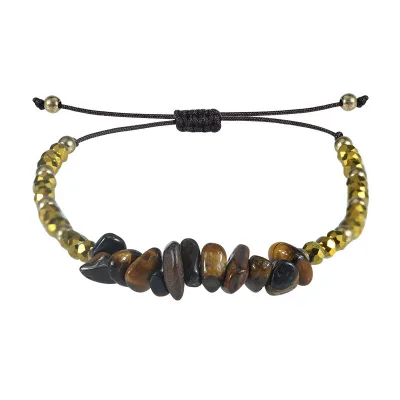
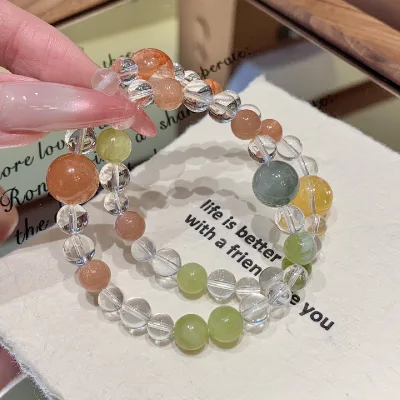
Fashion Crystal Stone Amethyst Tiger Eye Opalite Charming Power Bracelet
$1.00 - $1.30
MOQ: 100 Pieces


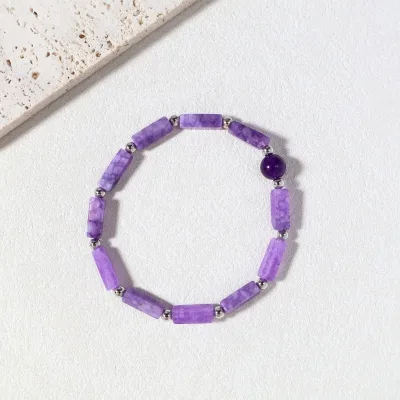
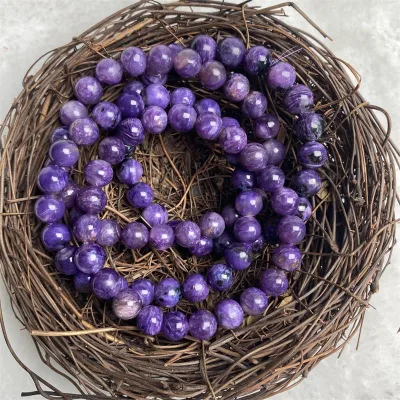
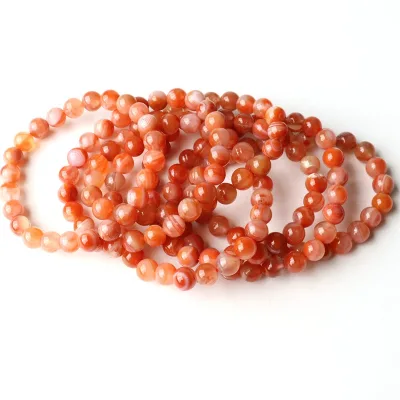

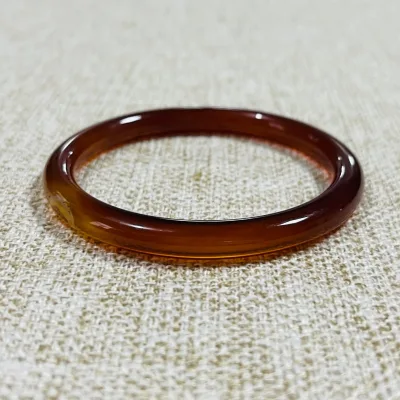
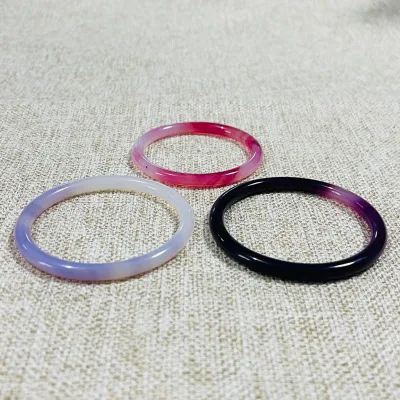
Natural Stone Bracelet Agate Obsidian Lapis Lazuli Purple Amethyst Stone Bracelet
$0.15 - $0.40
MOQ: 1000 Pieces


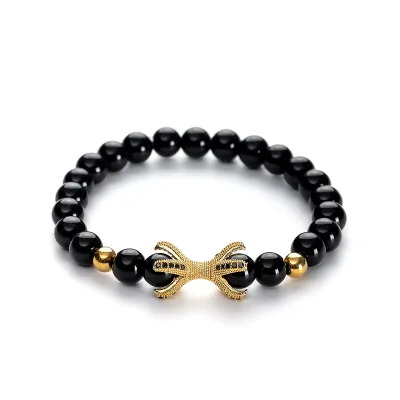

Hot Selling Natural Stone Amethyst Blue Turquoise Hand-Woven Butterfly Pendant Bracelet
$0.65 - $0.73
MOQ: 1400 Pieces



Comprehensive Sourcing Guide
Natural Amethyst Stone Cuff Bracelet Sourcing Guide
Sourcing natural amethyst stone cuff bracelets requires distinguishing between genuine crystal varieties and treated alternatives, as the market contains both raw and polished options. Buyers must verify that the stone color is naturally occurring rather than dyed, noting that observed listings often feature purple hues alongside other natural tones like green, yellow, and brown. The material composition is critical, with many suppliers offering bracelets formed from natural crystals that retain their inherent geological properties.
Procurement teams should prioritize suppliers who explicitly state the stone name and origin, ensuring the product aligns with the specific aesthetic of amethyst. While some listings describe the style as simple or natural, the actual stone color can vary significantly, ranging from deep purple to multicolour combinations. Understanding these variations helps buyers set realistic expectations for inventory diversity and ensures the final product meets the intended design specifications for their target market.
Product Scope and Observed Listing Signals
The observed product scope for natural amethyst bracelets includes various forms such as beaded bracelets, spacer bracelets, and irregular shapes, catering to both informal and formal occasions. Listings indicate that these items are suitable for females and males, with usage extending beyond decoration to include health and collection purposes. The style ranges from simple designs to those featuring natural stone arrangements, providing flexibility for different consumer preferences and gift-giving scenarios.
Buyers should note that observed listings display a wide range of stone sizes, typically between 6mm and 16mm in diameter, with specific models offering 8mm or 10mm beads. The color palette is diverse, including transparent, white, yellow, brown, gray, and silver tones, alongside the primary purple amethyst. This variety suggests that a single supplier may offer multiple configurations, requiring careful selection to match specific customer demands for stone color and bracelet shape.
Technical Specifications to Verify
Technical verification must begin with the physical dimensions of the bracelet, as observed standards include lengths of 7 inches and 7.5 inches, with bead sizes varying from 6mm to 16mm. Buyers should confirm the exact stone size and length for each model, as specifications like 8mm beads or 7-inch lengths are common but not universal across all listings. Ensuring these measurements align with the target demographic is essential for maintaining product consistency and customer satisfaction.
Material composition and stone identity are equally critical, with suppliers often listing natural crystal or specific stone names like amethyst, tiger eye, and rose quartz. The shape of the beads, whether round, irregular, or spacer-style, significantly impacts the final aesthetic and comfort of the cuff. Procurement teams must verify that the stone color matches the description, particularly for amethyst, which should exhibit natural purple hues rather than artificial dyes, and confirm the material is genuine natural crystal.
Compliance and Safety Documentation
While specific certification documents are not explicitly detailed in the provided listings, buyers must ensure that all natural crystal products comply with international safety standards for jewelry. This includes verifying that the materials are free from harmful substances and that the manufacturing process adheres to environmental and labor regulations. Although the origin is listed as Guangdong, China, or generally China, buyers should request proof of compliance with relevant import regulations for their specific destination markets.
Care instructions provided in the listings, such as avoiding harsh chemicals and perfumes, serve as a baseline for product durability and safety. Buyers should confirm that suppliers provide clear care guidelines to end-users to prevent damage to the natural stones and maintain the bracelet's integrity. Additionally, verifying that the packaging materials, such as OPP bags or master cases, meet safety standards for shipping and storage is a necessary step in the compliance process.
Cost Drivers and Commercial Terms
Cost drivers for natural amethyst stone cuff bracelets include the quality of the raw crystal, the complexity of the bead shaping, and the customization options available. Listings indicate that customization is available, which can influence pricing based on the specific requests for packing, stone color, or bead size. Buyers should anticipate that higher-quality natural stones and unique designs may command a premium, while standard configurations with common stone sizes might offer more competitive pricing.
Commercial terms vary, with observed lead times ranging from 3 to 8 days if stock is available, and MOQs spanning from 1 to 1400 units. The flexibility in packing, such as custom requests or standard OPP bags, can also affect the final cost and logistics. Buyers need to negotiate clearly on these terms, ensuring that the lead time and minimum order quantities align with their inventory planning and cash flow requirements to avoid supply chain disruptions.
Supplier Qualification and Quality Control
Supplier qualification should focus on their ability to consistently deliver natural crystals that match the described stone names and colors. Buyers must verify that the supplier has a track record of providing genuine amethyst and other natural stones, rather than treated or synthetic alternatives. The presence of specific product models and detailed specifications suggests a level of organization, but direct communication regarding material sourcing is essential to confirm authenticity.
Quality control processes should include visual inspections of the stone color, bead shape, and overall craftsmanship to ensure consistency across batches. Since the listings mention various shapes like round beads and irregular forms, buyers should establish clear acceptance criteria for these variations. Regular sampling and third-party inspections can help mitigate risks associated with inconsistent quality, ensuring that the final products meet the expected standards for decoration, health, and gift usage.
Long-Term Procurement Checks
Long-term procurement success depends on maintaining a reliable supply chain for natural amethyst and other stone varieties, which can be subject to market fluctuations. Buyers should establish ongoing relationships with suppliers who can guarantee consistent availability of specific stone colors and sizes, such as the 8mm or 10mm beads observed in the listings. This stability is crucial for meeting recurring demand and avoiding delays in restocking popular items for their customer base.
Continuous monitoring of product performance and customer feedback is necessary to identify any issues with durability or aesthetic appeal over time. Since the usage includes health and collection purposes, buyers should track how the bracelets hold up against daily wear and exposure to elements. Regular reviews of supplier performance, including lead times and customization capabilities, will help ensure that the procurement strategy remains effective and responsive to changing market conditions.
FAQs
What materials are used in these natural amethyst stone cuff bracelets?
These bracelets are made from natural crystal, including amethyst and other stones such as tiger eye, rose quartz, and clear crystal. The beads are formed from natural crystals rather than synthetic material. Because natural stone can vary, expect slight differences in color, pattern, and transparency between individual bracelets within the same model and specification.
Can I customize the design, packing, or size of a Natural Amethyst Stone Cuff Bracelet?
Yes, customization is available. Packing can be made according to customer request, with standard options including OPP bag plus master case or other arrangements. Bead sizes such as 6mm, 8mm, and 10mm and lengths like 7 inches or 7.5 inches are available depending on the model. Discuss specific customization needs with the supplier before ordering.
How long does delivery take if the bracelet is in stock?
Lead time is typically 3 to 8 days if stock is available. This applies to ready-to-ship models in standard specifications. Customized designs, special packing requests, or larger quantities may extend production and shipping time. Confirm current stock levels and exact lead time with the supplier before placing your order to avoid delays.
What sizes and bead diameters are available for these bracelets?
Available bead diameters range from 6mm to 16mm depending on the model, with common stone sizes of 6mm, 8mm, and 10mm. Standard bracelet lengths are 7 inches and 7.5 inches, and some styles fit a 7 inch standard. Check the specific model specification, since each design lists its own stone size and finished length.
How should I care for a natural crystal bracelet to keep it in good condition?
Avoid exposing the bracelet to harsh chemicals or perfumes, as these can damage the surface and polish of natural crystal. Remove it before swimming, cleaning, or applying personal care products. Wipe gently with a soft dry cloth after wearing and store it separately to prevent scratching against harder stones or metal jewelry pieces.
Which occasions and buyers are these beaded crystal bracelets suitable for?
They suit both informal and formal occasions and are marketed for decoration, health, collection, and gift purposes. Styles are available for both female and male wearers, with simple natural designs in transparent, white, yellow, brown, gray, green, purple, and multicolour stones. This variety makes them flexible for retail assortments and gift programs.