Source Hotel Room Zebra Blinds for Office, Home, and Cafe
Find 30 options for Hotel Room Zebra Blinds to compare features like motorized operation, cordless control, and room-darkening polyester materials. Evaluate models such as RCS22 and RCR1 for modern styling and versatile applications in hotels, offices, and living spaces.
Key considerations
Products List

Motorized Zebra Blinds for Hotel Project
$13.99 - $23.99
MOQ: 1 Square Meters
Shouguang Runchen Environmental Protection Technology Co., Ltd.

Customized Blackout Manual Motorized Zebra Blinds for Hotel Project
$13.99 - $23.99
MOQ: 1 Square Meters
Shouguang Runchen Environmental Protection Technology Co., Ltd.

Cordless Blackout Zebra Blinds for Indoor/Living Room Window
$13.99 - $23.99
MOQ: 1 Square Meters
Shouguang Runchen Environmental Protection Technology Co., Ltd.

Blackout Manual Window Curtains Zebra Blinds
$13.99 - $23.99
MOQ: 1 Square Meters
Shouguang Runchen Environmental Protection Technology Co., Ltd.


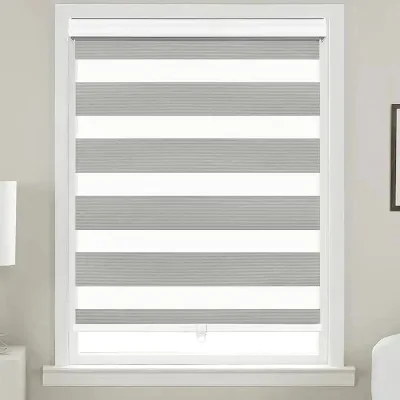

Remote Control Custom Hotel Motorized Zebra Blinds Blackout Vision Blind
$13.00 - $19.85
MOQ: 100 Square Meters

Luxury Zebra Roller Blinds for Windows Custom Size for Hotel Commercial
$9.00 - $13.00
MOQ: 50 Square Meters


Bedroom Living Room Day and Night Dual Shade Motorized Shades Zebra Blinds Blinds for Windows
$15.00 - $17.00
MOQ: 2 Square Meters


Sleek and Modern Zebra Blinds Fabric for Contemporary Window Solutions
$0.80 - $3.00
MOQ: 300 Square Meters
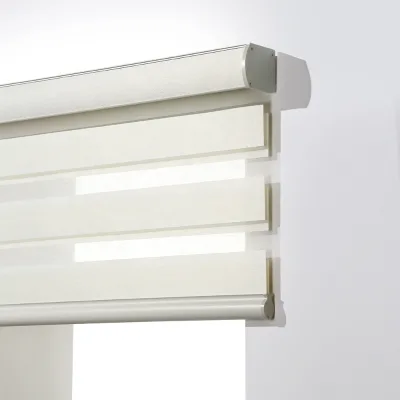


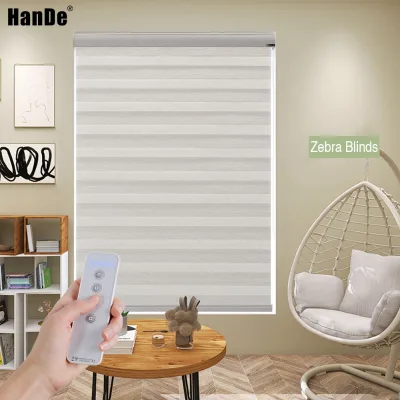
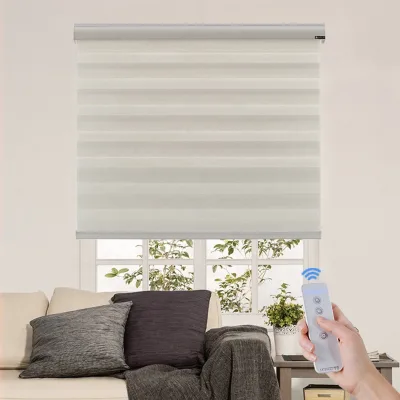

Living Room and Hotel Window Blackout Roller Shades Blinds Roller Blinds Fabric
$1.50 - $2.30
MOQ: 100 Square Meters
Comprehensive Sourcing Guide
Hotel Room Zebra Blinds Sourcing Guide
Sourcing window treatments for hospitality environments requires a careful balance between aesthetic flexibility, operational durability, and strict safety compliance. Zebra blinds, characterized by their alternating sheer and opaque fabric bands, offer a unique solution for hotel rooms by allowing guests to modulate light and privacy without the bulk of traditional drapes. These products are often marketed under various names, including vertical blinds or roller shutters, but the core mechanism relies on the precise alignment of dual-layer fabrics to create a "zebra" effect. For procurement teams, understanding the specific terminology and structural variations is essential to ensure that the selected product meets the functional requirements of high-traffic guest rooms while maintaining the modern aesthetic expected in contemporary hospitality design.
The procurement landscape for these window coverings is diverse, with suppliers offering a wide range of customization options and material compositions. Buyers must navigate a market where attributes such as motorization, cordless operation, and specific mounting types are critical differentiators. While some listings emphasize plain dyed or yarn-dyed finishes, others highlight jacquard patterns or printed designs, indicating that visual customization is a primary driver for hotel interior designers. Furthermore, the structural integrity of the blinds, whether horizontal or vertical, and their ability to function in various window types, including oriel windows, must be verified against the architectural specifications of the property. This guide provides a structured approach to evaluating these products, ensuring that procurement decisions are based on verified technical data and commercial realities rather than marketing claims.
Product Scope and Observed Listing Signals
The observed market data indicates a significant variation in product specifications, with prices ranging from $0.8 to $29.8 USD and minimum order quantities (MOQs) spanning from 1 to 500 units. This wide price band suggests that buyers are not limited to a single tier of quality or feature set; instead, they can select from basic manual options to premium motorized systems depending on their budget and project scale. The presence of both low MOQs and higher volume requirements allows for flexibility in sourcing, whether for a single boutique hotel renovation or a large-scale chain expansion. Buyers should note that the term "Zebra Blinds" is often used interchangeably with other types such as vertical blinds or roller shutters, so careful attention to the actual product structure and operation method is necessary to avoid misalignment between expectations and delivery.
Key attributes observed in the market include a strong emphasis on customization, with many suppliers offering tailored solutions for specific window dimensions and design preferences. The material composition is predominantly polyester, which offers durability and ease of maintenance, crucial factors for hotel housekeeping operations. Additionally, the transparency level is often described as "Room Darkening," a feature that is highly valued in hospitality settings to ensure guest sleep quality. The color palette frequently includes white, which complements modern interior styles, but other options such as plain dyed, yarn dyed, and jacquard patterns are available. Buyers must verify these attributes against their specific project needs, as the visual and functional performance of the blinds will directly impact guest satisfaction and the overall aesthetic coherence of the room.
Technical Specifications to Verify
When evaluating zebra blinds for hotel rooms, the mounting type and operation mechanism are primary technical considerations. Inside mount is a common configuration that provides a clean, integrated look, but it requires precise window frame measurements to ensure proper fit. The operation method varies significantly, with options ranging from manual corded systems to cordless and motorized controls. Cordless options are particularly relevant for safety and ease of use, while motorized systems offer convenience for high-end suites or accessibility-focused rooms. Buyers must verify the header type, such as hook-mounted, to ensure compatibility with existing window hardware or installation plans. Additionally, the opening and closing method, whether it is a simple up-and-down motion or a more complex upper and lower biparting open system, will affect the user experience and maintenance requirements.
The physical dimensions and structural design of the blinds must also be rigorously checked to ensure they fit the specific window types found in hotel rooms. Standard widths observed in the market include 58/60 inches and 118/120 inches, which may correspond to different window sizes or configurations. The structure of the blinds, whether horizontal or vertical, will influence the light control and privacy levels provided. For instance, vertical blinds may be more suitable for sliding glass doors or large windows, while horizontal zebra blinds are often preferred for standard rectangular windows. Buyers should also consider the shading capabilities, with some products offering specific styles like yarn-dyed or plain-dyed finishes that affect light diffusion. Verifying these technical details against the architectural drawings of the hotel is essential to prevent installation issues and ensure optimal performance.
Compliance and Safety Documentation
Safety is a paramount concern in hotel procurement, particularly for window coverings that may be used by children or individuals with mobility challenges. Cordless operation is a significant safety feature that eliminates the risk of strangulation from dangling cords, making it a preferred choice for many hospitality brands. Buyers must verify that the selected blinds meet relevant safety standards, such as those prohibiting accessible cords in residential and hospitality settings. Additionally, the material composition, typically polyester, should be evaluated for flammability and chemical safety, ensuring that it does not emit harmful volatile organic compounds (VOCs) that could affect indoor air quality. Documentation from the supplier regarding these safety aspects should be requested and reviewed as part of the qualification process.
Certification and quality standards are also critical components of the compliance documentation. While some suppliers may claim certifications such as ISO9001, buyers should verify the validity and scope of these certifications to ensure they apply to the specific products being procured. The production standards, such as the use of 100% polyester or specific width dimensions, should be clearly documented and agreed upon in the purchase contract. Buyers should also inquire about any additional testing or compliance reports that may be required by local building codes or hotel brand standards. Ensuring that all safety and quality documentation is complete and accurate will help mitigate liability risks and ensure that the installed blinds meet the highest standards of guest safety and comfort.
Cost Drivers and Commercial Terms
The cost of zebra blinds is influenced by several factors, including the material quality, operation mechanism, and level of customization. Motorized systems and cordless options typically command higher prices due to the additional components and engineering involved. Customization, such as specific colors, patterns, or dimensions, can also impact the unit cost, as it may require additional production steps or material waste. Buyers should analyze the price range of $0.8 to $29.8 USD to understand the value proposition of different options, considering that lower prices may correspond to basic manual systems with standard dimensions. It is important to request detailed quotes that break down the costs of materials, labor, and any customization fees to ensure transparency and accurate budgeting.
Commercial terms, including minimum order quantities (MOQs) and packaging requirements, play a significant role in the overall procurement cost. MOQs ranging from 1 to 500 units allow for flexibility, but buyers should consider the storage and handling costs associated with larger orders. Packaging is another critical factor, with options such as air bubble film and carton packages or inner plastic film and outer paper tubes affecting the protection of the blinds during transit. Buyers should verify the packaging standards to ensure that the products arrive in good condition, minimizing the risk of damage and returns. Additionally, lead times and payment terms should be negotiated to align with the project schedule and cash flow requirements, ensuring a smooth procurement process from order placement to installation.
Supplier Qualification and Quality Control
Supplier qualification is a critical step in ensuring the reliability and quality of the procured zebra blinds. Buyers should verify the supplier's production capabilities, including their ability to handle customization and meet specific technical requirements. The origin of the products, often China, should be considered in the context of logistics and supply chain resilience. Buyers should request samples to evaluate the material quality, operation smoothness, and overall finish before placing large orders. Additionally, the supplier's track record in the hospitality industry can provide insights into their ability to meet the specific demands of hotel projects, such as consistent quality and timely delivery.
Quality control measures should be established to ensure that the delivered products meet the agreed-upon specifications. This includes verifying the material composition, such as 100% polyester, and checking for any defects in the fabric or mechanism. Buyers should also inspect the packaging to ensure that it meets the agreed standards, such as carton box or air bubble film packaging, to prevent damage during transit. Regular quality audits or third-party inspections may be necessary for large orders to ensure consistency across batches. By implementing robust quality control processes, buyers can minimize the risk of receiving substandard products and ensure that the installed blinds meet the high standards expected in hotel environments.
Long-Term Procurement Checks
Long-term procurement success depends on the durability and maintainability of the zebra blinds in a high-traffic hotel environment. Buyers should consider the wear and tear resistance of the fabric and mechanism, as these components will be used frequently by guests. Polyester is a durable material, but the specific weave and treatment can affect its longevity. Buyers should inquire about the expected lifespan of the blinds and the availability of replacement parts, such as motors or control mechanisms, to ensure that maintenance can be performed efficiently. Additionally, the ease of cleaning and maintenance should be evaluated, as housekeeping staff will need to clean the blinds regularly to maintain hygiene and appearance.
Sustainability and environmental impact are increasingly important factors in hotel procurement. Buyers should consider the environmental credentials of the materials and production processes, such as the use of recycled polyester or eco-friendly dyes. Suppliers may provide information on their sustainability practices, which can be aligned with the hotel's green initiatives. Furthermore, the energy efficiency benefits of zebra blinds, such as their ability to regulate indoor temperature and reduce the need for artificial lighting, should be considered as part of the long-term value proposition. By focusing on durability, maintainability, and sustainability, buyers can ensure that the procured zebra blinds provide long-term value and contribute to the overall success of the hotel's operations.
FAQs
What customization options are available for Hotel Room Zebra Blinds?
Customization is available for these zebra blinds to meet specific project needs. The products support various styles including modern and plain dyed designs, allowing buyers to tailor the appearance for different hotel environments.
Which mounting types are supported for these window treatments?
Inside mount and hook-mounted options are supported for installation flexibility. These blinds are designed to fit various window types including oriel windows, ensuring a secure fit within the hotel room structure.
Can these zebra blinds be operated without cords?
Yes, cordless operation is available alongside motorized and manual electric options. This provides safety and convenience for hotel guests while maintaining the modern aesthetic required for upscale hospitality interiors.
What material is used to construct these vertical blinds?
The blinds are constructed from 100% polyester yarn dyed fabric. This material ensures durability and room darkening capabilities, making it suitable for various scenes like hotels, offices, and living rooms.
How are these products packaged for international shipping?
Products are packed using air bubble film and outer cartons or plastic film with paper tubes. This packaging method protects the blinds during transit and ensures they arrive in pristine condition for installation.
What certifications do these manufacturers hold for quality assurance?
Manufacturers hold ISO9001 certification to ensure consistent quality standards. This certification validates the production processes and material integrity for the polyester zebra blinds supplied to global markets.