Source Hunting Decoys for Duck, Waterfowl, and Deer Hunting
Find 30 verified Hunting Decoy options from China suppliers. Compare models made of plastic, HDPE, and flocking materials with varying dimensions and waterproof features for effective duck and waterfowl hunting applications.
Key considerations
Products List


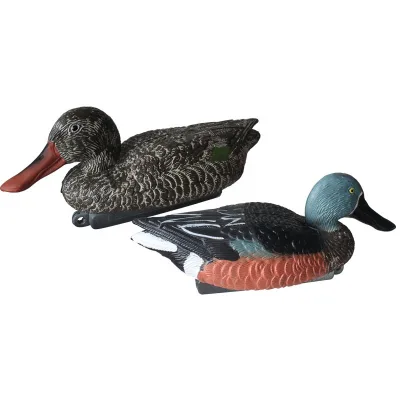
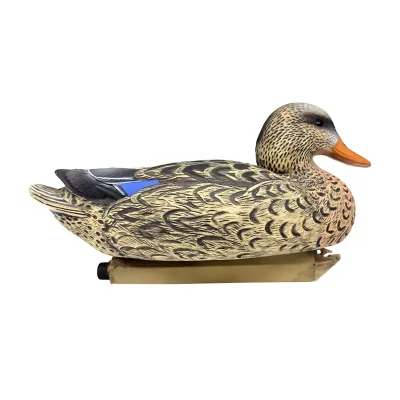
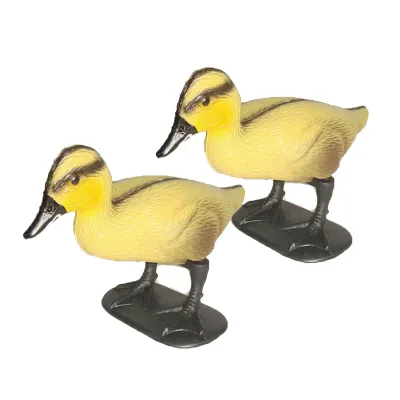
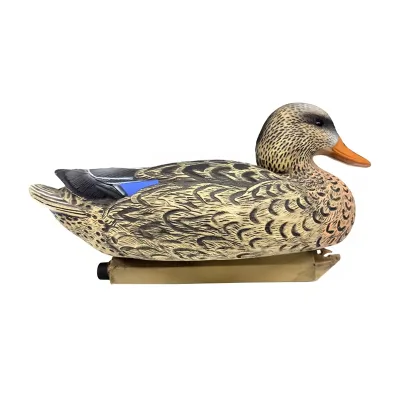
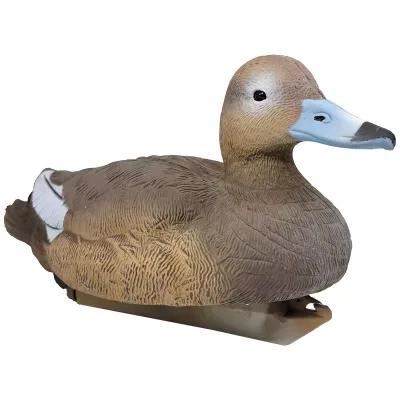

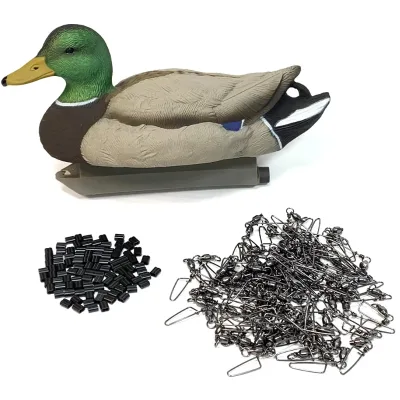

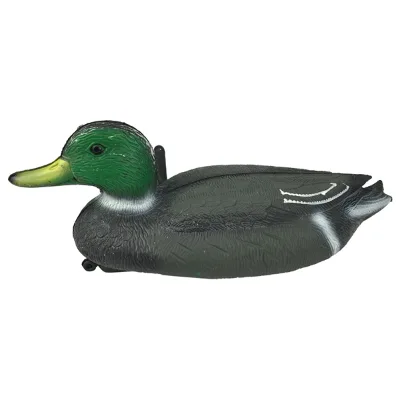
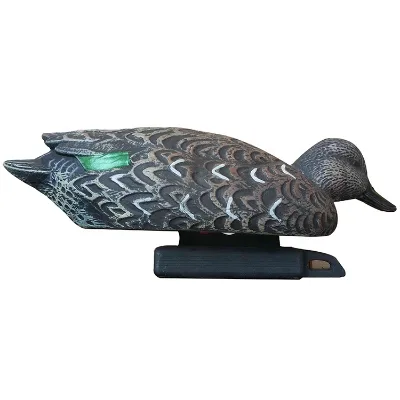
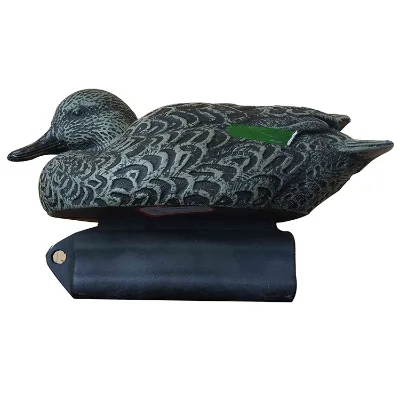
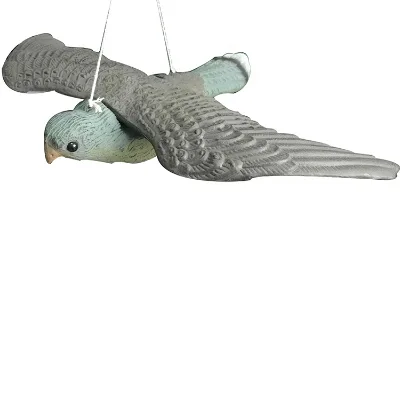
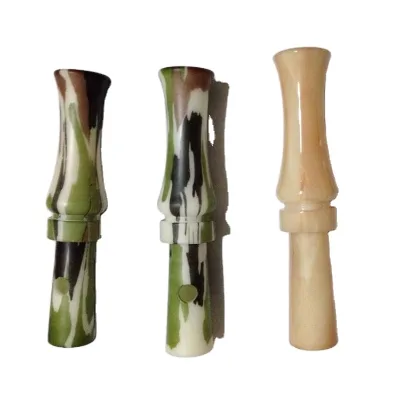
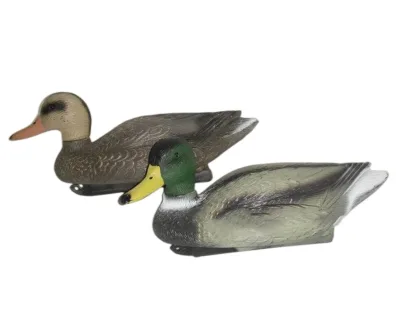
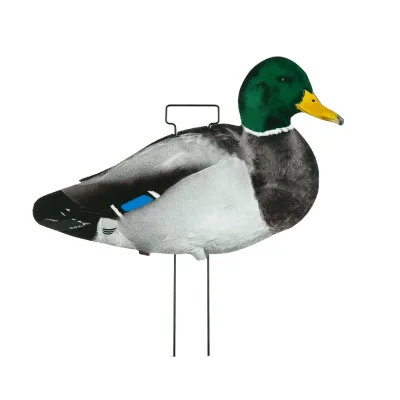
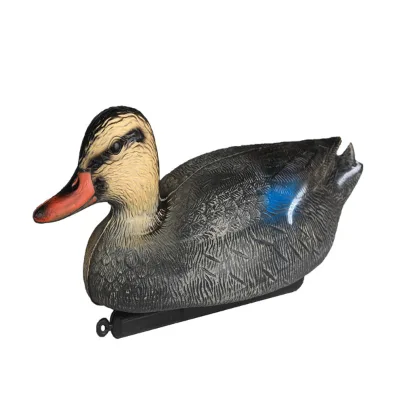
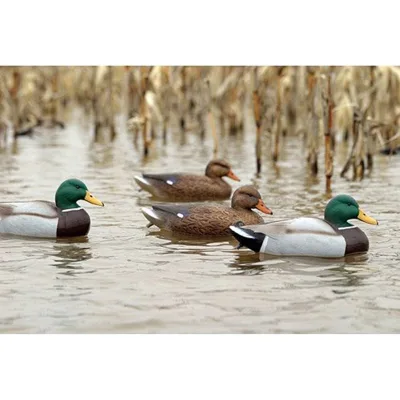


Plastic Duck Hunting Decoy Garden Decor Ducks Floating Hunting Duck Decoys
$0.50 - $6.00
MOQ: 1200 Pieces


Hunting Mallard Duck Decoy PE Material Decoys for Duck Hunting Decoy Duck
$0.50 - $6.00
MOQ: 1200 Pieces
Comprehensive Sourcing Guide
Strategic Sourcing Guide for Hunting Decoy Procurement
The global market for hunting equipment continues to evolve, with hunting decoys representing a critical segment for outdoor enthusiasts and professional outfitters. For B2B buyers entering this sector, the procurement process requires a disciplined approach that balances technical performance with supply chain reliability. The core product category encompasses a diverse range of items designed to mimic waterfowl and game animals, ranging from static plastic models to advanced flocking and folding varieties. This guide outlines the essential factors for sourcing hunting decoys, focusing on verified product attributes, material science, and operational due diligence.
Technical Specifications and Material Composition
Understanding the technical specifications of hunting decoys is the first step in defining procurement requirements. The market offers products with varying dimensions, weights, and material compositions, each suited for specific hunting environments. Analysis of current product listings reveals that Plastic and HDPE (High-Density Polyethylene) are dominant materials, offering durability and resistance to harsh weather conditions. These materials are often cited in product attributes as providing "Fadeless" and "Durable" characteristics, which are essential for maintaining visual realism over extended periods of use.
Dimensions vary significantly based on the target species and the intended deployment method. For instance, specific models are listed with standard dimensions such as 330145135mm or 258116127mm, while larger decoys intended for waterfowl may reach sizes like 381225cm or 314143424mm. The weight of these units is equally critical for stability; observed data indicates net weights ranging from 310g to 340g/390g, ensuring they remain anchored in wind without excessive ballast.
A distinct category within the market involves Flocking technology. Products with "Flocking" as a primary feature utilize a textured surface treatment that mimics the softness and light absorption of real feathers, reducing glare and enhancing realism in low-light conditions. Additionally, the market includes Folded and Unfolded variants, where the "Folded" attribute suggests a collapsible design for easier transport and storage, a feature highly valued by buyers requiring logistical efficiency. The "Waterproof" attribute is a standard expectation for waterfowl decoys, ensuring that the internal structure and external finish remain intact when submerged.
Compliance, Certification, and Safety Standards
When sourcing hunting equipment, verifying compliance with relevant standards is paramount, though the specific regulatory landscape can vary by destination market. In the provided product data, certain listings reference CE and FCC standards. While CE marking typically indicates conformity with health, safety, and environmental protection standards for products sold within the European Economic Area, and FCC relates to electromagnetic interference in the United States, buyers must exercise caution. These references in product attributes should be treated as claims that require independent verification rather than guaranteed certifications for every unit in a shipment.
Buyers should explicitly request valid certification documents from suppliers before finalizing orders. For plastic-based hunting gear, verifying that the materials comply with international safety standards regarding chemical composition is essential. Furthermore, the "Standard" attribute in product listings sometimes refers to physical dimensions (e.g., 330159165mm) rather than regulatory compliance. It is crucial to distinguish between physical specifications and regulatory certifications. Procurement teams must verify if the supplier holds valid ISO certifications or specific regional safety approvals, as the presence of a standard code in a product description does not automatically equate to a current, valid certificate.
Cost Drivers and Pricing Dynamics
The pricing structure for hunting decoys is influenced by several key variables, including material quality, customization complexity, and packaging requirements. The observed price range in the market spans from $0.10 to $25.50 USD, a wide spectrum that reflects the diversity of the product line. Lower-priced items typically correspond to basic plastic models with minimal customization, while higher-priced units often feature advanced flocking, complex folding mechanisms, or specialized branding.
Material costs play a significant role in pricing. HDPE and high-grade plastics generally command a premium over standard polymers due to their superior durability and UV resistance. Customization is another major cost driver. The availability of OEM (Original Equipment Manufacturer) services and Customized Color options allows buyers to brand products, but this process incurs additional tooling and setup costs. The "Customization: Available" and "Customized: Yes" attributes indicate that suppliers can tailor products, but buyers should anticipate that custom orders may have different pricing tiers compared to stock items.
Packaging also impacts the final cost. Products are shipped in various configurations, from simple PP Bags and OPP Bags to more robust Carton boxes. Some listings specify complex packaging, such as 12PCS(8 Feeder/4 Upright)in a Brown Box, which adds to the material and labor costs. Buyers must evaluate whether the packaging level aligns with their retail strategy, as over-packaging can erode margins while under-packaging risks product damage during transit.
Typical Applications and Usage Scenarios
Hunting decoys serve distinct purposes depending on the target species and the hunting environment. The primary application identified in the product data is for Hunting Decoys, specifically for waterfowl such as Duck. These products are designed to attract game by simulating the appearance and behavior of live birds. The "Usage: Hunting Decoys" attribute confirms their intended function, while the "Type: Duck" specification narrows the application to waterfowl hunting.
The versatility of these products is evident in their design features. Folded decoys are ideal for hunters who need to transport multiple units in limited vehicle space, offering a balance between realism and portability. Conversely, Unfolded models provide maximum visual impact and stability in open water. The "Stake Height: 1.07m" specification indicates that some decoys are designed for deep water deployment, requiring longer stakes to ensure the decoy floats at the correct angle.
Beyond standard waterfowl hunting, the market includes specialized variants. The "Combo Set Offered: 0" attribute suggests that some products are sold as single items, while others may be part of larger kits. Buyers should consider the specific hunting style of their end-users; for example, a buyer targeting professional outfitters may require high-volume, durable plastic decoys, while a retailer focusing on hobbyists might prioritize aesthetic details like flocking and realistic coloring.
Supplier Evaluation and Geographic Considerations
Geographic location is a critical factor in supplier evaluation, as it influences lead times, shipping costs, and regulatory compliance. The supplied data indicates that the primary place of origin for these products is China (Mainland), with specific mentions of Chongqing and Jiangsu as production hubs. These regions are known for their manufacturing capabilities in plastics and outdoor equipment.
When evaluating suppliers, buyers should verify the "Brand Name" attribute, which often lists Dontop or OEM. This indicates that suppliers may operate under their own brand or provide white-label services. The "Condition: New" attribute confirms that the products are manufactured goods rather than refurbished items. Buyers must conduct due diligence to ensure that the supplier has a consistent track record of delivering "New" condition products that match the described specifications.
Supplier reliability can be assessed by examining their customization capabilities and packaging standards. The "Customization: Available" and "Customized: Yes" attributes suggest a flexible supply chain, but buyers should confirm the supplier's capacity to handle large orders without compromising quality. Additionally, the "prod_packing" details, such as PP Bag and Carton or OPP Bag, provide insight into the supplier's attention to detail. A supplier that offers robust packaging options is more likely to ensure product integrity during international shipping.
Quality Control and Long-Term Procurement Strategies
Ensuring consistent quality is essential for maintaining brand reputation in the hunting equipment sector. The "Warranty: One Year" attribute found in product listings offers a baseline for buyer confidence, indicating that the supplier stands behind the durability of their products. However, buyers should not rely solely on warranty claims; instead, they should implement a rigorous quality control protocol. This includes verifying the "Fadeless" and "Durable" claims through sample testing, particularly under UV exposure and water immersion conditions.
Long-term procurement strategies should focus on building relationships with suppliers who demonstrate flexibility and transparency. The "Model Number" variations, such as DK5211, DK5283AD, and DK7315, suggest a wide product portfolio. Buyers should seek suppliers who can maintain consistency across these models and provide clear documentation for each variant. The "Selling Units: Single item" attribute indicates that suppliers are capable of handling both bulk and single-unit orders, offering flexibility for different procurement needs.
Buyers must also consider the "Net Weight" and "Size" specifications carefully, as these affect shipping costs and storage requirements. Variations in weight, such as 310g versus 340g/390g, can significantly impact logistics costs for large orders. Establishing clear specifications and quality benchmarks at the outset of the procurement process will help mitigate risks and ensure that the final products meet the expectations of end-users. By focusing on verified attributes and maintaining a disciplined approach to supplier evaluation, buyers can successfully navigate the complex market of hunting decoys and secure a reliable supply chain.
FAQs
What materials are used for hunting decoys?
Hunting decoys are primarily constructed from Plastic, HDPE, or Flocking materials. These materials ensure the products are durable and fadeless, suitable for outdoor hunting environments where weather resistance is critical for longevity.
Can I customize the color and brand of the decoy?
Yes, customization is available for color and branding with OEM options. Buyers can request specific colors and brand names like Dontop, though custom orders may involve different pricing tiers compared to standard stock items.
What are the typical dimensions and weights of these decoys?
Dimensions vary by model, ranging from 258*116*127mm to 314*143*424mm. Net weights typically fall between 310g and 390g, ensuring stability in water while remaining manageable for transport and deployment by hunters.
Do these hunting decoys come with a warranty?
Many listings include a one-year warranty to cover manufacturing defects. This warranty reflects the supplier's confidence in the durability of the plastic or flocking materials used in the construction of the decoys.
How are the products packaged for shipping?
Packaging options include PP bags, OPP bags, or cartons depending on the model. Some sets are packed as 12 pieces in a brown box, while others use simple plastic bags to protect the items during transit.
Where are these hunting decoys manufactured?
The products originate from China (Mainland), with specific hubs in Chongqing and Jiangsu. This location allows for efficient manufacturing of plastic and HDPE hunting equipment for global export markets.
Are there folding or waterproof options available?
Yes, some models are designed to be waterproof and feature folded or unfolded states. These designs cater to different hunting styles, offering portability for folded units or maximum visual impact for unfolded ones.