Source Hunting Golf Laser Rangefinder for bird watching, hunting, and travel
Source a Hunting Golf Laser Rangefinder from 30 verified listings. Buyers can compare magnification, measurement accuracy, and battery types across models like 3000X and LR070DB to find suitable options for outdoor activities.
Key considerations
Products List

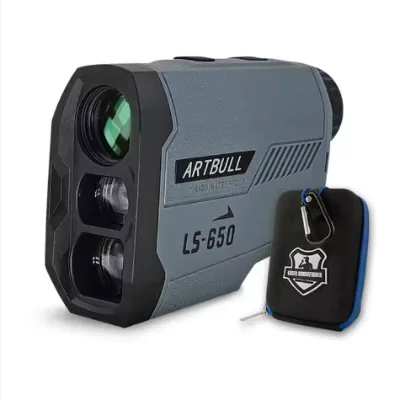
3000m Distance Hunting Laser Range Finder Outdoor Golf Portable Hunting Rangefinder
$988.00 - $1155.00
MOQ: 1 Pieces


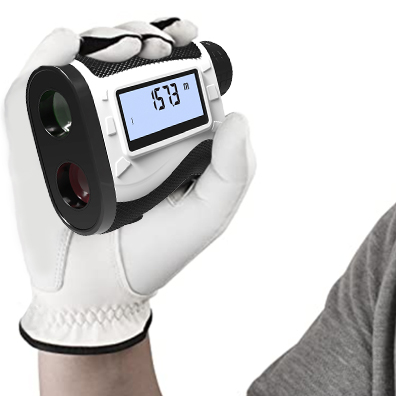
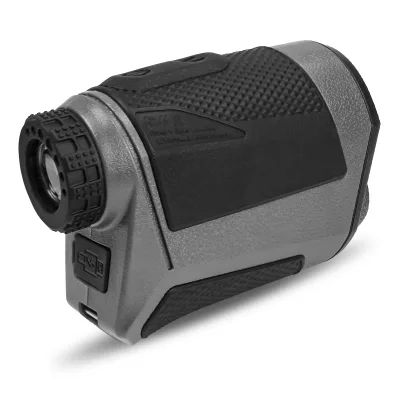
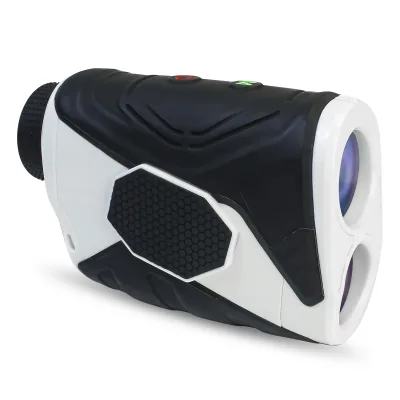

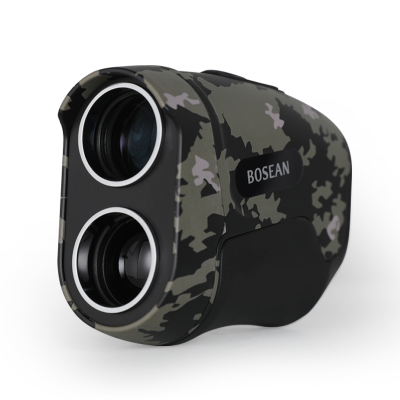


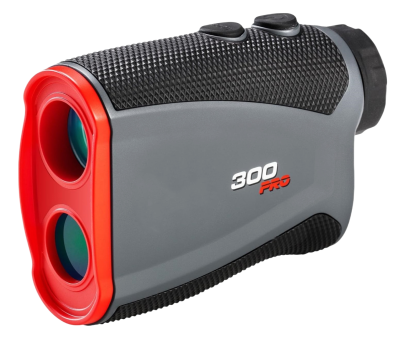
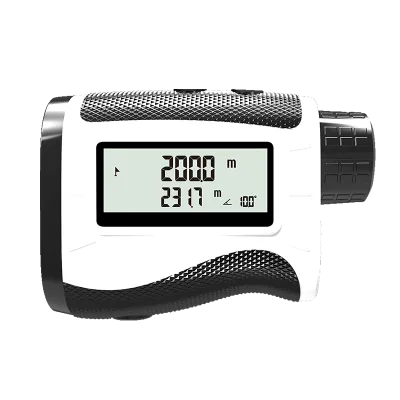
Hot Sale High Quality Handheld Laser Rangefinder Digital Golf Rangefinder
$47.10 - $57.10
MOQ: 5 Pieces



Comprehensive Sourcing Guide
Strategic Sourcing Guide for Hunting and Golf Laser Rangefinders
The global market for laser rangefinders has expanded significantly, driven by the dual demands of precision sports and outdoor recreation. For procurement professionals sourcing hunting and golf laser rangefinders, the complexity lies in navigating a fragmented supply chain where technical specifications vary widely even within the same product category. This guide provides an evidence-based framework for evaluating suppliers, interpreting technical data, and ensuring compliance without relying on unverified marketing claims. The objective is to equip buyers with the analytical tools necessary to make informed decisions based on observable product attributes and established industry standards.
Technical Specifications and Performance Variability
When evaluating laser rangefinders, buyers must distinguish between general product categories and specific model capabilities. The supplied data reveals a diverse range of magnification levels, with observed configurations including 6X, 8X, and 10X. This variation directly impacts the user experience in different scenarios. For golf applications, a 10X magnification is often preferred to clearly identify pin flags at long distances, whereas hunting scenarios might benefit from lower magnification to maintain a wider field of view in dense foliage.
Measurement accuracy is another critical differentiator. The observed data indicates specific performance metrics, such as an accuracy of ±0.2m for distances under 200m and ±1m for distances exceeding 200m. Another model variant lists an accuracy of "Addition and Subtraction 0.3m," suggesting a different calibration standard or measurement methodology. Procurement teams must verify which accuracy standard applies to the specific order, as this dictates the device's suitability for professional tournaments versus casual use.
The measurement range is equally vital. Data points show models with ranges extending from 5~600m up to 4-1500m, with some high-end units claiming a maximum range of 700m or 1500m depending on the target reflectivity. Buyers should note that the "Max Range" is often contingent on the target type; a golf flag reflects differently than a deer or a tree trunk. Additionally, the objective lens diameter varies, with observations of 25mm and 26mm, which influences light transmission and image brightness in low-light conditions typical of early morning hunting or evening golf play.
Optical Configuration and Ergonomics
The optical system defines the clarity and usability of the rangefinder. Key specifications include the exit pupil diameter and the field of view. Observed exit pupil diameters range from 3.7mm to 3.8mm, while the eyepiece aperture is recorded at 27mm. These dimensions determine the brightness of the image seen by the user. A larger exit pupil generally allows for better performance in dim lighting, which is a crucial consideration for hunters operating at dawn or dusk.
The field of view is specified as 122m/1000m in one dataset, indicating how much of the landscape is visible at a specific distance. This metric is essential for tracking moving targets, such as game animals or golf balls in flight. Furthermore, the physical dimensions of the devices vary significantly, with standard sizes ranging from compact 1027036mm units to larger 167mm212mm82mm models. The choice of size often correlates with the intended use; golfers may prefer compact, lightweight units that fit easily in a golf bag, while hunters might prioritize durability and larger optics for stability.
Weight is a significant factor for extended use. Observed net weights include 200g and 243g, with some models offering optional weight configurations of ±60/±90°. Lighter devices reduce fatigue during long rounds of golf or extended hunting trips. The packaging standards also vary, with options including cartons and boxes, which must be evaluated for their ability to protect the device during shipping and storage.
Power Systems and Environmental Durability
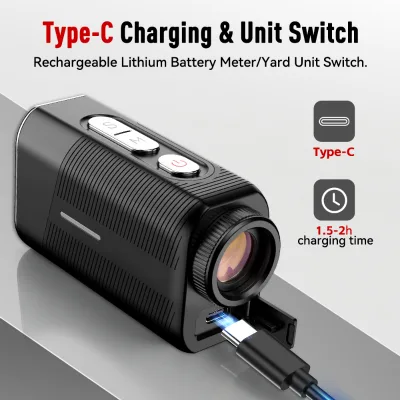
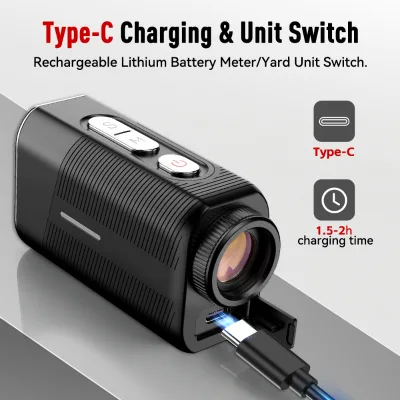
Reliability in the field depends heavily on the power supply and environmental tolerance. The supplied data highlights two primary battery configurations: a 1200mA/H rechargeable lithium battery and a CR2-3V lithium battery. The rechargeable option offers long-term cost savings and convenience for high-volume users, while the CR2 battery provides a lightweight, single-use solution that is readily available globally. Buyers must assess the energy consumption profiles of the specific models to ensure they align with the expected usage frequency.
Operating temperature ranges are critical for outdoor equipment. The observed working temperature range is consistently listed as -1050 ℃ (or -1050celsius). This range ensures functionality in most temperate climates but may be insufficient for extreme arctic hunting conditions or desert heatwaves. Procurement teams should verify if the specific unit has been tested beyond these standard ranges if the supply chain targets extreme environments.
Compliance, Certification, and Regulatory Standards
Navigating the regulatory landscape is a non-negotiable aspect of B2B procurement. The data indicates that many units carry certifications such as CE, FCC, FDA, and RoHS. These certifications are essential for market access in North America, Europe, and other regions. CE compliance ensures conformity with health, safety, and environmental protection standards for products sold within the European Economic Area. FCC certification is mandatory for electronic devices in the United States to ensure they do not cause harmful interference. RoHS compliance restricts the use of specific hazardous materials in electrical and electronic equipment.
It is important to note that while some listings mention "Standard: CE FCC ROHS," others list specific product standards like "12679.544mm" or "110x50x85mm," which appear to be dimensional standards rather than regulatory ones. Buyers must distinguish between physical dimension specifications and actual regulatory certifications. The presence of FDA certification is particularly relevant for devices that may be used in medical or safety-critical contexts, though in this category, it often relates to laser safety classifications. Verification of these certifications through official documentation is required before finalizing any purchase, as the mere presence of a logo on a product listing does not guarantee current compliance.
Cost Drivers and Pricing Dynamics
The pricing landscape for laser rangefinders is highly variable, with observed ranges spanning from $25.9 to $48,480 USD. This vast disparity is driven by several factors, including the complexity of the optical system, the precision of the laser technology, and the inclusion of advanced features like slope compensation or wind measurement. The lower end of the spectrum likely corresponds to basic models with standard magnification and limited range, while the higher end reflects professional-grade equipment with enhanced durability and advanced processing capabilities.
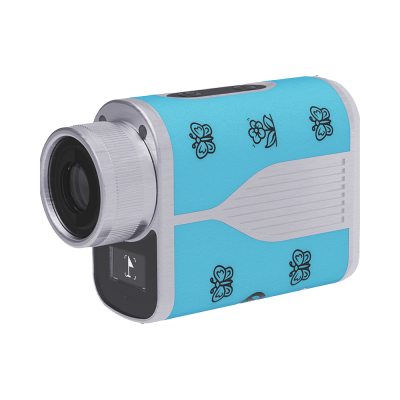
Minimum Order Quantities (MOQ) also influence the total cost of ownership. The observed MOQ range is 1 to 100 units. Buyers seeking small batches for testing or niche markets can access suppliers with low MOQs, while large-scale distributors may negotiate better unit prices by ordering in bulk. The customization options available, such as color variations (Red, Black, Blue OEM) and branding, can also impact the final price. Customization typically incurs additional setup costs and may require higher MOQs to be economically viable.
Supplier Evaluation and Quality Assurance
Selecting the right supplier requires a rigorous evaluation process that goes beyond the product listing. The origin of the products is consistently noted as China, with specific mentions of Chongqing as a production hub. While this provides a geographical context, it does not inherently guarantee quality. Buyers should request detailed information regarding the manufacturing facility's capacity, quality control processes, and history of compliance audits.
Quality control should be a central component of the procurement strategy. Given the variability in specifications, such as the different models (3000X, 1500AS, 1000LH, LR070DB, LR1005, P-3000, P-1000), buyers must ensure that the supplier can consistently deliver units that match the agreed-upon specifications. This includes verifying the accuracy of the measurement range, the stability of the battery life, and the durability of the casing. Third-party testing reports or sample inspections are recommended to validate the performance claims before committing to a large order.
Long-Term Procurement and Application Strategy
The application of the rangefinder dictates the long-term procurement strategy. For hunting, the focus should be on durability, battery life, and performance in low-light conditions. The "Usage" field explicitly lists "Bird Watching/Hunting," confirming the device's suitability for these activities. For golf, the emphasis shifts to precision, speed of measurement, and ease of use on the course. The "Golf Pin" usage note highlights the specific need for accurate pin identification.
Buyers should also consider the lifecycle of the product. With the rapid advancement of laser technology, older models may become obsolete quickly. However, the availability of spare parts and the potential for firmware updates can extend the useful life of the equipment. Customization options allow for branding, which is crucial for retailers looking to build a distinct market presence. The ability to offer OEM colors and packaging adds value to the supply chain, allowing buyers to differentiate their products in a competitive market.
Comparative Analysis of Key Models
To facilitate decision-making, the following table summarizes the key technical attributes observed across different models. This comparison helps buyers identify the most suitable device for their specific needs based on the available data.
| Product Model | Magnification | Measurement Range | Accuracy | Battery Type | Dimensions (mm) | Weight |
|---|---|---|---|---|---|---|
| 3000X | 8X | 4-1500m | ±0.2m (<200m) | 1200mA/H Rechargeable | 12679.544 | - |
| 1500AS | 6X | - | ±0.3m (Add/Sub) | CR2-3V Lithium | 1105085 | 200g |
| 1000LH | 10X | - | - | - | 1204280 | - |
| 15000CI | - | - | - | - | 16721282 | - |
| LR070DB | - | 5~600m | - | - | - | 243g |
| LR1005 | 6X | - | - | - | 1207244 | - |
| P-3000 | - | - | - | - | 1027036 | - |
| P-1000 | - | - | - | - | - | - |
Note: Data points marked with "-" indicate that specific values were not explicitly provided in the source context for that specific model attribute. Buyers must request this information directly from the supplier.
Conclusion
Sourcing hunting and golf laser rangefinders requires a meticulous approach that balances technical performance, regulatory compliance, and cost efficiency. The diversity of models available, ranging from basic 6X units to high-precision 10X devices, offers solutions for various market segments. However, the variability in specifications and the wide price range necessitate a thorough due diligence process. By focusing on verified technical attributes, ensuring proper certification, and evaluating supplier capabilities, procurement professionals can build a resilient supply chain that meets the demands of both professional athletes and outdoor enthusiasts. The key to success lies in treating product attributes as observations to be verified rather than absolute claims, ensuring that the final procurement aligns with the specific operational requirements of the end-user.
FAQs
What magnification levels are available for hunting golf laser rangefinders?
Available magnification levels include 6X, 8X, and 10X depending on the specific model selected. Buyers should choose 10X for golf pin identification or 6X to 8X for hunting scenarios requiring a wider field of view in dense foliage.
How accurate are the distance measurements for these laser rangefinders?
Measurement accuracy varies by model, with some offering ±0.2m for distances under 200m and ±1m for distances over 200m. Other variants provide an accuracy of addition and subtraction 0.3m, so verify the specific calibration standard before ordering.
Which battery types power these hunting golf laser rangefinders?
Devices utilize either a 1200mA/H rechargeable lithium battery or a CR2-3V lithium battery. The rechargeable option suits high-volume users for long-term savings, while the CR2 battery offers a lightweight, single-use solution readily available globally.
Can these rangefinders be customized for specific branding or colors?
Customization is available for colors such as red, black, and blue, along with OEM branding options. Buyers should note that customization typically incurs additional setup costs and may require higher minimum order quantities to be economically viable.
What certifications do these laser rangefinders hold for international markets?
Many units carry CE, FCC, FDA, and RoHS certifications to ensure compliance in North America and Europe. Buyers must verify official documentation for these standards, as they are essential for market access and do not guarantee current compliance without validation.
What is the working temperature range for these outdoor devices?
The working temperature range is consistently listed as -10 to 50 degrees Celsius for most models. This range ensures functionality in temperate climates but may be insufficient for extreme arctic hunting conditions or desert heatwaves without specific testing.