Source Hunting Net for Camouflage, Agriculture, and Bird Control
Compare 30 Hunting Net options from Chinese manufacturers featuring waterproof, anti-UV, and customizable designs. Buyers can evaluate materials like canvas and nylon, mesh types, and dimensions for military, agricultural, and wildlife protection applications.
Key considerations
Products List


Anti-Radar Anti-Shooting Training Shade Net Camouflage Net Hunting Net
$0.70 - $2.40
MOQ: 500 Square Meters

Convenient Installation Camouflage Net Factory Shade Net Hunting Net
$0.70 - $2.40
MOQ: 500 Square Meters

Camouflage Outdoor Net Factory Anti-Aging Shade Net Camouflage Net Hunting Net
$0.70 - $2.40
MOQ: 500 Square Meters

Convenient Installation Camouflage Net Factory Option Shade Net Camouflage Net Hunting Net
$0.70 - $2.40
MOQ: 500 Square Meters

Durable Nylon Net for Applications Shade Net Camouflage Net Hunting Net
$0.70 - $2.40
MOQ: 500 Square Meters


Hunting Shooting Camouflage Net Camping Awning Woodland Style Training Nets
$1.00 - $3.00
MOQ: 1000 Square Meters


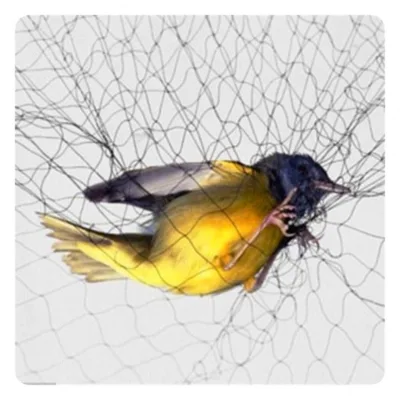

Polyester Woodland Camouflage Net Green and Brown Camouflage Net Camping Hunting Hidden Net
$9.90 - $10.00
MOQ: 1 Square Meters

Heavy-Duty Functional Camouflage Net for Outdoor Hunting Applications
$0.88 - $1.50
MOQ: 500 Square Meters


Premium Waterproof Hunting Net for Outdoor Adventures and Covering
$0.88 - $1.50
MOQ: 500 Square Meters

Functional Heavy-Duty Camouflage Net for Outdoor Hunting Activities
$0.88 - $1.50
MOQ: 500 Square Meters

Advanced Functional Hunting Net for Outdoor Camping and Decoration
$0.88 - $1.50
MOQ: 500 Square Meters

Advanced Hunting Gear Net for Functional Outdoor Use and Concealment
$0.88 - $1.50
MOQ: 500 Square Meters


Snowfield White Camouflage Net for Outdoor Hunting and Wildlife
$0.80 - $2.50
MOQ: 10000 Square Meters

Comprehensive Sourcing Guide
Hunting Net Sourcing Guide
Sourcing hunting nets requires a disciplined approach to balancing camouflage efficacy, material durability, and logistical feasibility. The market offers a diverse array of products ranging from traditional canvas-based designs to advanced synthetic multifilament options, each serving distinct operational needs. Buyers must navigate a landscape where product attributes such as waterproofing, anti-UV resistance, and specific mesh configurations are critical determinants of performance. Understanding the technical nuances of these materials is essential for selecting a net that withstands environmental stressors while maintaining visual concealment.
This guide provides evidence-based procurement strategies for sourcing hunting nets, focusing on verified product signals and technical specifications. By examining observed listing data and standard industry practices, buyers can make informed decisions regarding material selection, customization options, and supplier qualification. The following sections detail the critical factors that influence product performance and commercial viability, ensuring that procurement efforts align with specific operational requirements and quality expectations.
Product Scope and Observed Listing Signals
The current market for hunting nets exhibits a wide variance in material composition and functional design, reflecting the diverse needs of different hunting environments. Observed listings indicate a strong presence of canvas-based nets, which are often marketed with attributes such as waterproofing and anti-aging properties. These materials are frequently associated with traditional camouflage patterns, including desert and army green variants, which are essential for blending into specific terrains. The availability of customization options suggests that buyers can tailor net dimensions and colors to match particular operational theaters, enhancing the net’s effectiveness in field conditions.
In addition to canvas, synthetic materials like nylon and polyester play a significant role in the Hunting Net category. Listings highlight products made from nylon multifilament or polyester monofilament, which offer advantages in terms of weight and durability. These synthetic nets are often described as having high-quality packaging and being suitable for various applications, including agriculture textiles, which may indicate their versatility. The presence of specific model numbers, such as THZ23 and THC943, alongside descriptive terms like "floating in water" or "double braided," points to a market that values specific technical performance characteristics over generic descriptions.
Technical Specifications to Verify
When evaluating hunting nets, mesh configuration and hole size are primary technical specifications that directly impact concealment and structural integrity. Buyers should verify the mesh type, with square mesh being a common configuration observed in listings. The hole size is another critical parameter, with options ranging from 15x15mm to 30x30mm or custom requests. These dimensions determine the net’s ability to break up the human silhouette and prevent detection by game animals. Additionally, the mesh width, which can extend up to 300cm in some listings, affects the overall coverage area and ease of deployment, making it a key factor in logistical planning.
Material construction and physical properties are equally important for ensuring long-term performance in the field. Nets are often constructed from durable materials like nylon fabric or canvas, with features such as anti-UV protection to prevent degradation from prolonged sun exposure. The elasticity of the net is another specification to consider, as non-elastic nets provide more stable coverage but may require more precise installation. Buyers should also pay attention to the net’s weight and portability, as features like easy assembly and eco-friendly materials can enhance usability during extended hunting trips or stationary setups.
Compliance and Safety Documentation
While specific certification requirements for hunting nets may vary by region, buyers should prioritize suppliers who provide clear documentation regarding material safety and environmental impact. The use of eco-friendly materials and non-toxic dyes is a growing trend in the industry, reflecting a broader commitment to sustainability. Buyers should request information on the chemical composition of the netting material, particularly if the net is intended for use in sensitive ecosystems. Ensuring that the product complies with local environmental regulations can prevent legal issues and support responsible hunting practices.
Documentation regarding the net’s durability and warranty is also crucial for risk mitigation. Many suppliers offer warranties ranging from five to ten years, indicating confidence in the product’s longevity. Buyers should verify the terms of these warranties, including coverage for defects in materials and workmanship. Additionally, understanding the net’s resistance to weather conditions, such as waterproofing and anti-aging properties, is essential for maintaining performance over time. Clear documentation of these features helps buyers assess the total cost of ownership and plan for long-term use.
Cost Drivers and Commercial Terms
The cost of hunting nets is influenced by several factors, including material type, customization level, and order quantity. Observed price ranges in the market vary significantly, reflecting the diversity of product offerings. Buyers should consider the trade-offs between cost and performance, as higher-quality materials like nylon multifilament may command a premium price but offer superior durability and concealment. Customization options, such as specific colors or mesh sizes, can also impact the final cost, as they often require additional production steps and setup time.
Minimum order quantities (MOQ) and packaging methods are other key commercial terms that affect procurement strategy. Listings indicate MOQs ranging from small quantities of 10 pieces to larger orders of 10,000 pieces, providing flexibility for buyers with different volume needs. Packaging options, including carton boxes, woven bags, and bale packing, influence shipping costs and storage requirements. Buyers should negotiate terms that align with their inventory management capabilities and budget constraints, ensuring that the total landed cost remains competitive.
Supplier Qualification and Quality Control
Selecting a reliable supplier is critical for ensuring consistent product quality and timely delivery. Buyers should verify the supplier’s location, with many manufacturers based in regions like Shandong, Zhejiang, and Shanghai in China, which are known for their textile and netting production capabilities. Assessing the supplier’s production capacity and quality control processes is essential for maintaining high standards. Buyers should request samples to evaluate the net’s material quality, stitching integrity, and camouflage effectiveness before committing to large orders.
Communication and responsiveness are also important indicators of supplier reliability. Suppliers who offer customization services and provide detailed product information demonstrate a commitment to meeting buyer needs. Buyers should evaluate the supplier’s ability to handle custom orders, including the provision of accurate lead times and flexible packaging options. Establishing a clear communication channel with the supplier can help resolve issues quickly and ensure that the procurement process runs smoothly.
Long-Term Procurement Checks
To maintain a competitive edge, buyers should regularly review their supplier performance and product quality. This includes monitoring the net’s performance in the field, assessing its durability, and evaluating customer feedback. Regular audits of the supplier’s quality control processes can help identify potential issues early and prevent defects from reaching the end user. Buyers should also stay informed about industry trends and technological advancements in netting materials, which may offer improved performance or cost savings.
Building a long-term relationship with trusted suppliers can provide stability and consistency in the supply chain. Buyers should consider diversifying their supplier base to mitigate risks associated with single-source dependencies. Regularly updating procurement strategies based on market insights and supplier performance data ensures that the organization remains agile and responsive to changing business needs. By focusing on continuous improvement and strategic partnership, buyers can optimize their sourcing of hunting nets and support their operational goals.
FAQs
What materials are used for hunting nets?
Hunting nets are commonly made from canvas or nylon multifilament and polyester monofilament. These materials provide durability and are often treated to be waterproof and anti-UV for extended outdoor use.
Can I customize the size of the Hunting Net?
Yes, customization is available for dimensions such as 2x3m, 3x4m, or 4x5m. Buyers can also request specific mesh widths and hole sizes like 15x15mm or 30x30mm to suit their specific needs.
How long is the warranty period for these nets?
The warranty period for these hunting nets is typically 5 years. Some products may offer up to 10 years of professional style protection depending on the specific model and material used.
What is the minimum order quantity for hunting nets?
The minimum order quantity varies by supplier but can start as low as 10 pieces. Some vendors may require up to 10,000 units depending on the customization level and packaging requirements.
Where are these hunting nets manufactured?
These nets are manufactured in various locations within China, including Shandong, Zhejiang, and Shanghai. Buyers can source products from these regions to ensure quality and timely delivery.
How are the hunting nets packaged for shipping?
Packaging options include cartons, woven bags, bales, or bags depending on the order size. High-quality packaging ensures the nets remain protected during transit and storage.
Are the nets suitable for agricultural use?
Yes, these nets are designed for applications in agriculture textiles and can serve as shade nets. They feature anti-UV properties and are available in colors like army green and desert tones.