Source Indoor LED Display Digital Signage for Advertising, Stage, Shopping
Find 30 Indoor LED Display Digital Signage units with varying pixel pitches from 2.5mm to 10mm. Buyers can compare specifications like brightness, refresh rates, and cabinet materials for advertising, stage performance, and shopping guide applications; compare the available evidence and request quotations based on your requirements.
Updated
Key considerations
Products List


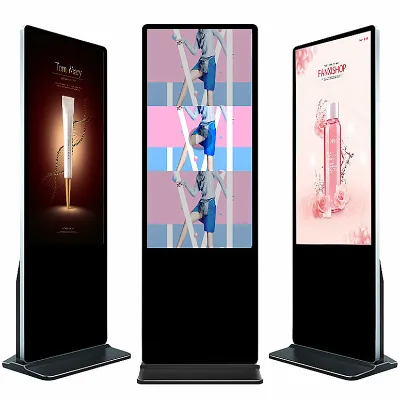
Indoor Creative Commercial High Brightness Bar LED Advertising Digital Screen Display Signage
$499.00 - $1399.00
MOQ: 1 Pieces

$2480.00 - $2580.00
MOQ: 1 Sets



High Brightness P1.95 Price Digital Advertising LED Display Indoor
$400.00 - $600.00
MOQ: 1 Square Meters
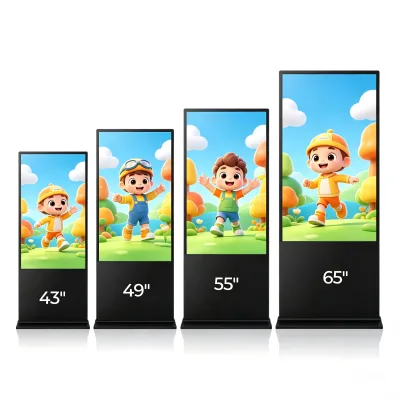
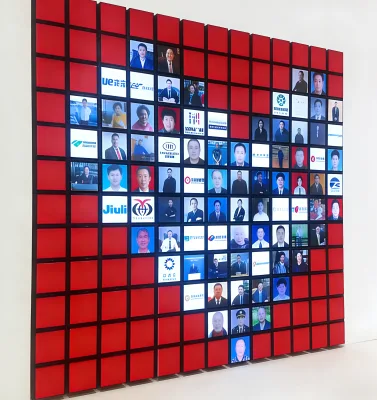

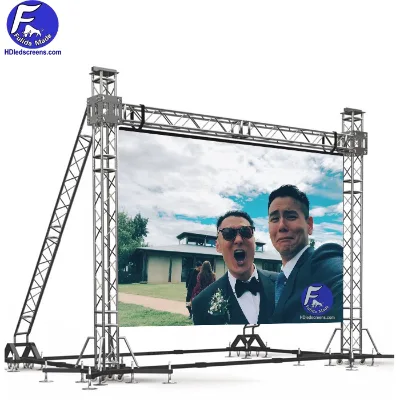
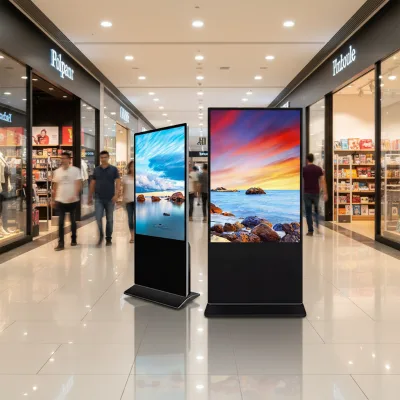
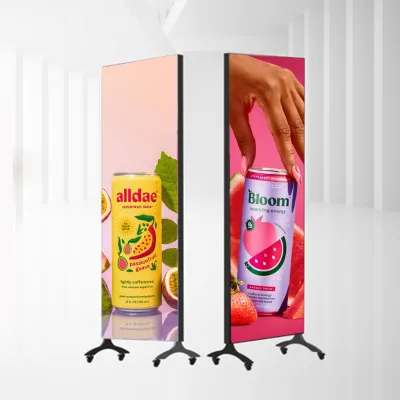
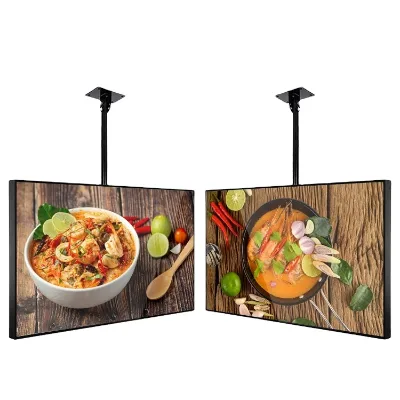
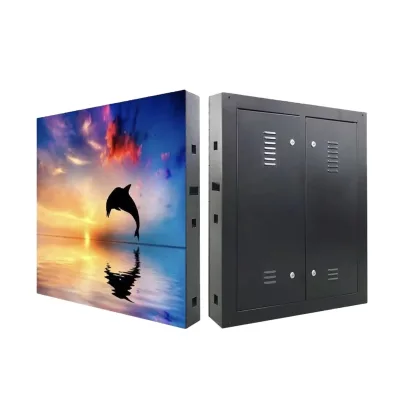
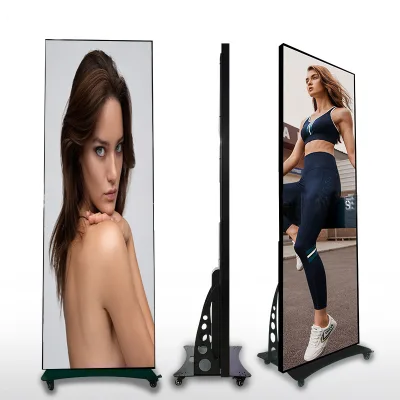


Portable High Definition Indoor LED Video Display Digital Signage Display
$1.143 - $5.571
MOQ: 1 Pieces
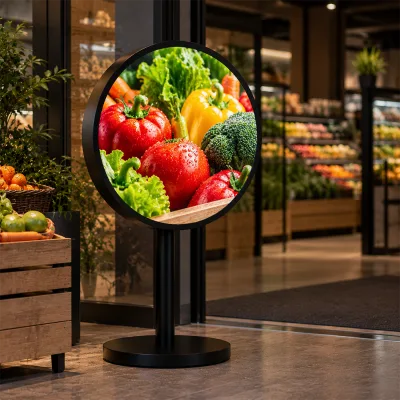

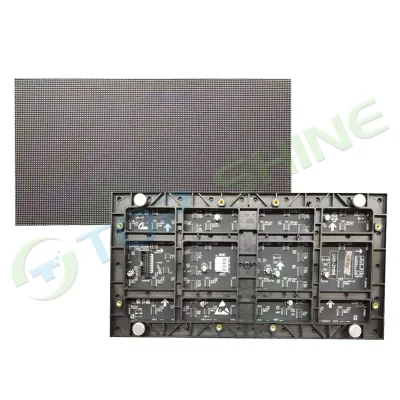


Comprehensive Sourcing Guide
Indoor LED Display Digital Signage Sourcing Guide
Indoor LED Display Digital Signage covers a wide spectrum of products, from fine-pitch panels used in corporate lobbies and broadcast studios to larger-format video walls for retail and public venues. As a B2B buyer, approaching this category without a structured verification process exposes you to mismatched specifications, hidden costs, and products that fail to perform in your actual viewing environment. The listings you will encounter typically span broad price ranges and minimum order quantities, which signals that product quality and configuration vary significantly even when product pages look similar.
This guide organizes the sourcing process into six decision areas: understanding what the observed listings actually represent, verifying the technical attributes that determine performance, confirming compliance documentation, understanding the commercial levers that drive cost, qualifying suppliers, and planning for long-term ownership. Each section is written to help you separate confirmed, listed facts from claims that require independent validation. Treat every specification on a product page as a starting point for dialogue with the supplier rather than a finished commitment, and build your procurement checklist around the specific attributes described below.
Product Scope and Observed Listing Signals
The observed listings describe LED video display products intended primarily for advertising applications, with some configurations also listed for stage performance and shopping guidance. Display functions span video display, text display, image and text combination, and market display, which tells you the category covers both full-motion video walls and simpler information boards. Pixel pitches observed in the listings include 2.5mm, 5mm, and 10mm, so the range extends from close-viewing fine-pitch panels to larger-format screens intended for viewing at ten meters or more. Cabinet sizes in the listings range from 640mm×480mm and 1000×250mm modules up to 1200×900mm cabinets.
Listing signals also reveal how suppliers segment the market. Full-color tube chip configuration (1R, 1G, 1B) appears across the range, and product models such as SP-P10(S-3), IXII-P5, and IX-P2.6 indicate that individual suppliers maintain distinct product lines at different pitch classes. Observed prices range from roughly $1.14 to $7,500 with MOQs as low as one unit, which strongly suggests the listings include both accessory components and complete display systems. Do not assume a single product satisfies all these attributes; treat the observed attributes as a map of the category, and request a configuration sheet that ties each attribute to the specific model you intend to purchase.
Technical Specifications to Verify
Brightness and refresh rate are the first pair of specifications to verify, because they determine whether a screen looks acceptable in your actual environment. The listings show brightness values of 800nits, 2000nits, and a configurable 800nits–4000nits range, which reflects how indoor installations with controlled ambient light need less brightness than semi-exposed locations. Refresh rates in the listings include >1920Hz and 3840Hz; higher refresh rates matter most if your signage will appear on camera or in broadcast contexts. Ask the supplier to confirm brightness and refresh values under real operating conditions, not just in promotional copy.
Viewing distance and viewing angle determine the correct pixel pitch and mechanical design. The listings state minimum viewing distances of 3, 5, and 10 meters with 140-degree horizontal and vertical viewing angles, so map your nearest viewer position to the pitch class before shortlisting models. Also verify scanning mode (listings show both 1/2 Scan and 1/16 Scan), pixel density, and contrast rate (3000:1 appears in the listings), because these interact with brightness and power draw. Confirm the control system — Nova appears in the listings — supports your content management platform, that the software runs on Windows as listed, and that driver ICs use constant-current design for stable color output.
Compliance and Safety Documentation
Certification marks are the most visible compliance signal, and the observed listings reference CCC, CE, ETL, and RoHS. CCC applies to the Chinese domestic market, CE to the European Economic Area, and ETL to North American markets, so your destination country determines which mark actually matters to you. Never accept a certification logo at face value: request the certificate number, the issuing body, the covered product model, and the certificate validity period, then verify them against the certifier's public database. A certificate that does not name the exact model you are buying protects neither you nor your end customer.
Beyond certification marks, confirm RoHS compliance documentation for the electronic assemblies, since indoor signage is often installed in occupied buildings where hazardous-substance rules are enforced. Ask for the electrical safety test basis behind the listed voltage range of AC110–240V, and confirm that the power supply units (MW brand PSU is listed in one line) carry their own safety approvals. Request the shipping documentation set — packing in plywood cases or flight cases is listed — and check that the cabinet material, aluminum in the observed listings, is described with a thickness and structural spec rather than just a material name. Keeping a complete compliance file per shipment simplifies customs clearance and downstream resale.
Cost Drivers and Commercial Terms
Price dispersion in this category is extreme — observed listings run from about $1.14 to $7,500 — because the number includes everything from small components to complete large-format video wall systems. Your cost drivers are pixel pitch (finer pitch means more LEDs per square meter and higher cost), cabinet size and material, brightness class, refresh rate, and the control system package. Weight matters commercially as well: one listed configuration weighs 24kg/m² while another cabinet weighs 54kg, and heavier systems increase freight, rigging, and installation labor costs. Build your cost model per square meter of installed display, not per cabinet.
Commercial terms should be settled before any deposit changes hands. Observed MOQs are as low as one unit, which favors sampling and pilot orders, but confirm what the MOQ covers — a single cabinet is different from a complete working system with power supplies, receiving cards, and cabling. Clarify whether customization is included in the quoted price (customization is listed as available) or priced as a surcharge. Confirm packing choice — plywood case versus flight case — since flight cases cost more but protect repeat-use installations. Agree in writing on Incoterms, payment milestones tied to inspection stages, and warranty duration covering the LED lamps and power supplies.
Supplier Qualification and Quality Control
Qualify suppliers through evidence of manufacturing capability rather than through listing volume. Since the observed products originate from China and carry customization availability, ask each candidate for factory photographs or a virtual tour, the production lines dedicated to LED assembly, and examples of prior projects at your target pitch class. Verify that the supplier controls key components directly: the listings name Epistar LED lamps, MW power supplies, and Nova control systems, and a capable supplier should explain its sourcing and inspection procedures for each. A supplier that cannot trace component origins will struggle to support you after shipment.
Quality control should be verified through the supplier's own process documentation. Request details on aging tests — how long each cabinet is powered before shipment — on color calibration procedures between cabinets, and on how dead-pixel and uniformity defects are detected and rejected. Ask which inspection stage you may attend or commission remotely, ideally before packing into the plywood or flight cases. For orders involving multiple cabinets, insist on batch-level consistency testing, because mismatched brightness or color between cabinets is the most common visible defect in installed video walls and is expensive to correct after installation.
Long-Term Procurement Checks
Plan for the full ownership lifecycle before placing your first order. The observed listings state a life span of 100,000 hours, but that figure describes the LED component under nominal conditions; actual longevity depends on operating temperature, brightness settings, duty cycle, and ventilation in your installation space. Confirm what the warranty covers and for how long, whether spare LED modules, power supplies, and receiving cards are included or purchasable, and how front-service or back-service access affects maintenance cost. One listed configuration supports front service with back bolted hanging installation, and another uses back fixed installation — the service direction determines whether maintenance requires rear room access.
Also plan for continuity and upgrades. Verify that the control system can be expanded with additional cabinets later and that firmware and software remain supported on your chosen Windows-based platform. Keep a documented as-built record of model numbers, cabinet dimensions, scanning mode, and configuration so replacement parts match years later. For standing or hanging installations, confirm structural load ratings against the listed cabinet weights. Finally, schedule periodic brightness and color recalibration reviews, and establish a spare-parts inventory proportional to your installed square meterage, so a single cabinet failure never darkens an entire wall.
FAQs
What certifications are available for Indoor LED Display Digital Signage?
Indoor LED Display Digital Signage typically holds CCC, CE, ETL, and RoHS certifications. These credentials ensure compliance with regional safety and environmental standards. Buyers should verify specific certification documents with suppliers before procurement to guarantee regulatory acceptance in their target markets.
How does pixel pitch affect viewing distance for these displays?
Pixel pitch determines the optimal viewing distance for Indoor LED Display Digital Signage. For instance, a 10mm pitch requires a least viewing distance of 10 meters, while a 5mm pitch allows viewing from 3 meters. Selecting the correct pitch ensures image clarity for your specific installation environment.
Can Indoor LED Display Digital Signage be customized for specific applications?
Yes, customization is available for Indoor LED Display Digital Signage to suit various applications like advertising or stage performance. Buyers can specify requirements for cabinet materials, such as aluminum, and control systems like Nova. This flexibility allows the display to integrate seamlessly into unique operational workflows.
What is the typical lifespan and brightness of these LED displays?
The typical lifespan of Indoor LED Display Digital Signage is 100,000 hours. Brightness levels vary, with some models offering 800 nits and others reaching up to 4000 nits. Higher brightness ensures visibility in well-lit environments, while the long lifespan reduces long-term maintenance costs for operators.
Which installation methods are supported for these digital signage units?
Indoor LED Display Digital Signage supports multiple installation methods including standing, back bolted hanging, and back fixed. The choice depends on the physical space and structural requirements. Aluminum cabinets provide durability, and options like front service simplify maintenance access for technicians managing the display network.
What are the standard cabinet dimensions for these LED displays?
Standard cabinet dimensions for Indoor LED Display Digital Signage include 1200x900mm, 640x480mm, and 1000x250mm. These sizes facilitate modular assembly for various screen configurations. Buyers should confirm the exact standard dimensions with suppliers to ensure compatibility with existing mounting structures and spatial constraints.