Source Industrial Automation Node-red Edge Gateway for Data Acquisition, PLC Control, and SCADA Systems
Find and compare 30 Industrial Automation Node-red Edge Gateway options featuring 4G LTE, RS485, and Modbus support. Buyers can evaluate models with Raspberry Pi or ARM Cortex CPUs, varying memory, and pre-installed Linux or Ubuntu Core OS for diverse IoT applications.
Key considerations
Products List
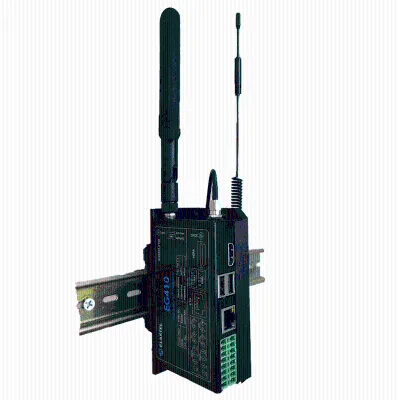
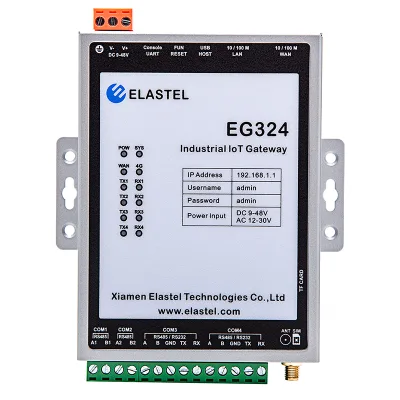
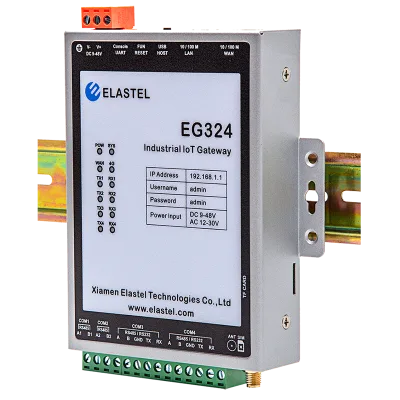
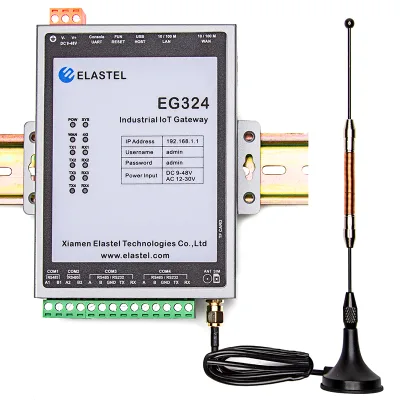
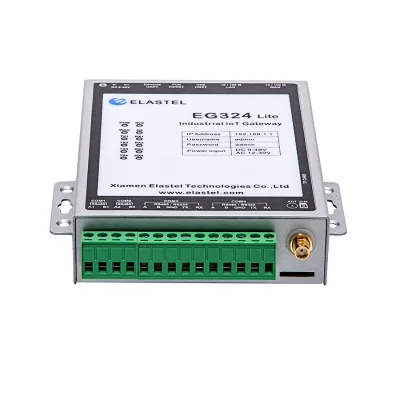


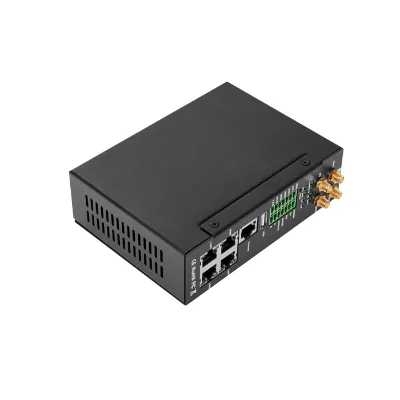
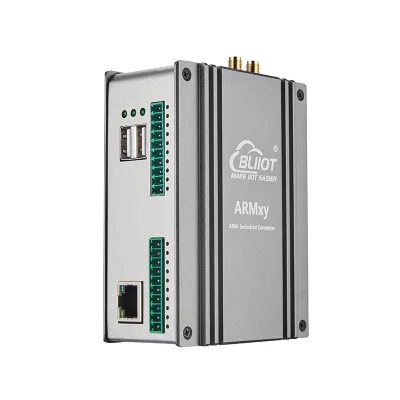
2XA7 T113-i ARM Node-Red Industrial Gateway for Smart Manufacturing BL330
$90.62 - $200.80
MOQ: 2 Minimum
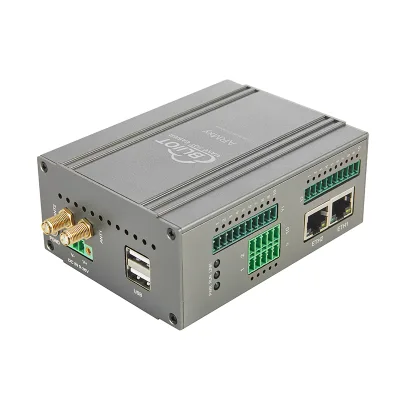
Industrial-grade 2xA7 1G+8G Node-RED Edge Gateway with RS485 RS232 CAN 2GPIO 2RTD
$197.60 - $218.40
MOQ: 1 pieces
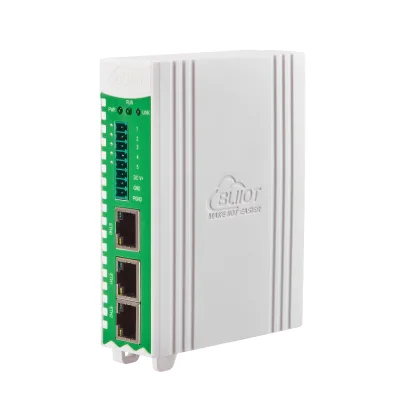
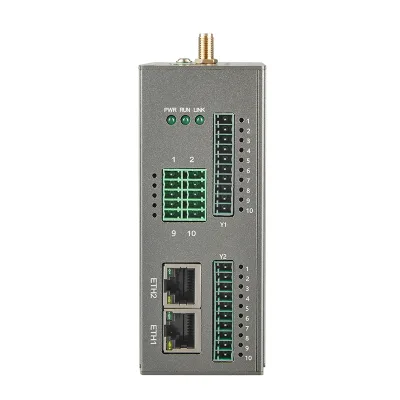
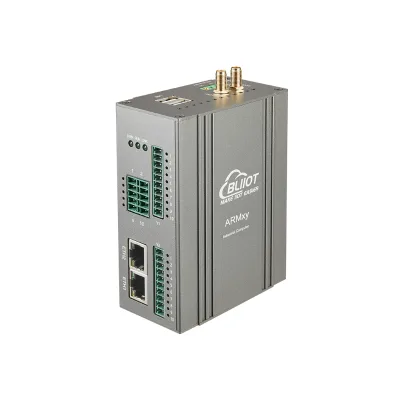

Protocol Conversion Intelligent Gateway for Industrial System Integration
$186.00 - $1280.00
MOQ: 1 Pieces


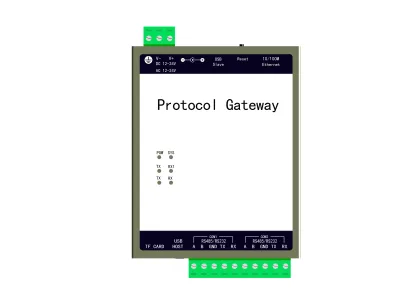
MQTT gateway remote Controller Gateway Modbus RS485/RS232 data acquisition
$265.53 - $367.66
MOQ: 1 pieces


Comprehensive Sourcing Guide
Industrial Automation Node-Red Edge Gateway Sourcing Guide
The industrial automation landscape increasingly relies on edge computing nodes that bridge legacy field devices with modern cloud platforms, with Node-Red integration serving as a critical capability for rapid workflow development. Buyers seeking an industrial automation Node-Red edge gateway must prioritize devices that offer robust local processing power alongside flexible connectivity options to handle diverse protocols like Modbus, OPC UA, and MQTT. The observed market data indicates a strong presence of Raspberry Pi-based architectures, such as the EG410 and EG324 series, which provide the necessary ARM-based processing cores to run complex logic locally before transmitting aggregated data. These gateways are specifically engineered for environments where latency is a concern, allowing for real-time data acquisition and immediate control actions without constant reliance on upstream cloud connectivity.
Procurement decisions for these devices hinge on verifying the specific operating system environment and the pre-installed software stack, as the ability to deploy Node-Red flows locally is often a differentiator between a generic IoT gateway and a true edge computing solution. While some models in the observed range come with Raspbian or Ubuntu Core pre-installed, buyers must confirm that the specific unit supports the necessary Docker containers or Python environments required for custom Node-Red logic. The presence of dual-band Wi-Fi, 4G LTE, and multiple serial ports (RS232/RS485) suggests a design intent for complex industrial deployments where wired and wireless connectivity must coexist. Understanding these architectural nuances ensures that the selected gateway can serve as a reliable data aggregation point for SCADA systems, PLCs, and sensor networks without requiring extensive on-site software reconfiguration.
Product Scope and Observed Listing Signals
The current market for industrial automation gateways presents a distinct range of hardware configurations, with observed listings spanning from compact, low-power units to more robust edge computing nodes. Buyers will encounter models like the EG324 Lite, which features a dual-core ARM A35 processor and 128MB of DRAM, suitable for simpler data logging tasks, alongside higher-performance variants like the EG410 equipped with a quad-core Broadcom BCM2711 processor and up to 8GB of LPDDR4 memory. This variance in specifications directly correlates with the intended workload; the higher-end models are better suited for running heavy Node-Red instances and local data processing, while the lighter models may suffice for basic protocol translation and remote monitoring. The observed price range of 35 to 1280 USD reflects this spectrum, with costs driven by the complexity of the chipset, the amount of onboard storage, and the inclusion of industrial-grade interfaces.
Listing signals also reveal a strong emphasis on specific industrial keywords and application scenarios, such as "Profinet gateway," "LoRaWAN gateway," and "Modbus TCP gateway," which indicate the device's capability to act as a protocol converter in mixed-protocol environments. The presence of "Industrial Raspberry Pi" in product descriptions suggests a modular ecosystem where buyers can leverage existing community support and hardware compatibility, yet the industrial casing and extended temperature ranges differentiate these units from consumer-grade boards. Buyers should note that while many listings mention "Edge Computing Gateway," the actual performance depends heavily on the specific CPU architecture and memory configuration listed for each model. The diversity in storage options, ranging from 8GB eMMC to SD card slots, further dictates the scalability of the solution, as larger storage is required for local data buffering and offline operation capabilities.
Technical Specifications to Verify
When evaluating the technical specifications of an industrial automation Node-Red edge gateway, the processor architecture and memory capacity are the primary determinants of performance and scalability. Buyers must verify whether the device utilizes a quad-core ARM v8 processor like the BCM2711 found in the EG410, which offers significant advantages in multitasking and running resource-intensive Node-Red flows compared to the dual-core or single-core alternatives seen in other models. The memory configuration is equally critical; while some units offer 512MB or 1GB of DRAM, others support up to 8GB of LPDDR4, which is essential for handling large datasets and complex logic without system crashes. Additionally, the storage medium, whether it is eMMC or an SD slot, impacts the longevity and reliability of the system, with eMMC generally offering better endurance for frequent write operations common in data logging applications.
Connectivity and interface capabilities are the next critical area for verification, as the gateway must seamlessly integrate with a wide array of field devices and network infrastructures. The presence of multiple serial ports, such as the 2x RS485 and 2x RS-232/485 interfaces observed in several models, is vital for connecting legacy PLCs, sensors, and meters that rely on serial communication protocols. Buyers should also confirm the availability of Gigabit Ethernet or at least 10/100 Mbps ports for high-speed data uplink, alongside support for 4G LTE, NB-IoT, and CAT-M1 networks to ensure connectivity in remote or mobile industrial sites. The inclusion of dual-band Wi-Fi (2.4GHz/5GHz) and external antenna options further enhances the reliability of wireless connections, which is often a bottleneck in industrial environments with high electromagnetic interference.
Compliance and Safety Documentation
In the industrial sector, compliance and safety documentation are non-negotiable prerequisites for deploying edge gateways in critical infrastructure and hazardous environments. Buyers must ensure that the selected device carries recognized certifications such as CE and RoHS, which indicate adherence to European safety, health, and environmental protection standards. These certifications are particularly important for equipment intended for use in the European market or for projects requiring strict regulatory compliance. The presence of these marks on the product listing suggests that the manufacturer has undergone testing for electromagnetic compatibility and hazardous substance restrictions, but buyers should always request the official test reports to verify the validity and scope of these certifications before finalizing a purchase.
Beyond standard certifications, the documentation should also cover the operating system licensing and software compliance, especially when the gateway is pre-loaded with Linux distributions like Ubuntu Core or Raspbian. Buyers need to verify that the pre-installed OS is legitimate and that the vendor provides clear documentation regarding the Node-Red runtime environment, including any dependencies or security patches. The packaging details, such as "Single Box or Industrial Carton," also play a role in compliance, as industrial-grade packaging often implies better protection against static electricity and physical shock during transit, which is crucial for maintaining the integrity of sensitive electronic components. Ensuring that the supplier provides a complete set of compliance documents, including material safety data sheets and user manuals, is essential for maintaining a compliant supply chain and avoiding potential legal or operational disruptions.
Cost Drivers and Commercial Terms
The cost of an industrial automation Node-Red edge gateway is influenced by a complex interplay of hardware specifications, connectivity options, and the level of software customization required. The observed price range of 35 to 1280 USD highlights that the most significant cost drivers are the CPU performance, memory capacity, and the inclusion of industrial-grade interfaces like multiple serial ports and cellular modems. Models with quad-core processors and 8GB of LPDDR4 memory naturally command a higher price point due to the increased manufacturing costs and the enhanced performance capabilities they offer. Additionally, the inclusion of pre-installed operating systems and specialized software stacks, such as Node-Red or custom web UI management programs, adds value and cost to the final product, as these require licensing and development efforts from the supplier.
Commercial terms, including Minimum Order Quantity (MOQ) and supply ability, are equally critical factors in the procurement decision-making process. The observed MOQ range of 1 to 100 units suggests that suppliers are flexible, catering to both small-scale pilot projects and larger industrial deployments. Buyers should carefully evaluate the supplier's stated supply ability, such as the "1000 sets per Month" capacity observed in some listings, to ensure they can meet their project timelines without facing delays. The selling units, often listed as "Single item," indicate that the supplier is willing to sell individual units, which is beneficial for prototyping and testing. However, buyers should negotiate volume discounts and clarify lead times, as these can vary significantly based on the specific configuration and the current market demand for industrial components.
Supplier Qualification and Quality Control
Selecting a qualified supplier for industrial automation gateways requires a rigorous assessment of their manufacturing capabilities, quality control processes, and track record in the industrial sector. Buyers should prioritize suppliers who demonstrate a clear understanding of industrial requirements, such as the ability to provide devices with extended temperature ranges, robust enclosures, and reliable connectivity in harsh environments. The presence of customization options, as noted in the product attributes, indicates that the supplier is capable of tailoring solutions to specific client needs, which is a strong indicator of their technical competence and flexibility. However, buyers must verify the supplier's ability to maintain consistent quality across batches, as industrial deployments often require long-term reliability that can only be achieved through strict quality control measures.
Quality control should extend beyond the final product to include the supply chain and component sourcing. Buyers should inquire about the origin of critical components, such as the ARM chipsets and memory modules, to ensure they are sourced from reputable manufacturers. The supplier's ability to provide detailed technical documentation, including schematics and firmware update procedures, is also a key indicator of their commitment to quality and long-term support. Additionally, buyers should assess the supplier's response to potential issues, such as the availability of replacement units and the speed of technical support. A supplier that offers comprehensive after-sales support and has a proven track record of delivering reliable industrial solutions is essential for minimizing downtime and ensuring the success of the automation project.
Long-Term Procurement Checks
Long-term procurement of industrial automation Node-Red edge gateways requires a strategic approach that focuses on sustainability, scalability, and ongoing support. Buyers must consider the lifecycle of the device, including the availability of firmware updates, security patches, and hardware replacements over the expected operational lifespan of the project. The pre-installed operating systems, such as Ubuntu Core or Raspbian, should be supported by the supplier for a reasonable duration to ensure that the gateway remains secure and compatible with evolving software requirements. Buyers should also evaluate the supplier's roadmap for future product iterations to ensure that the selected gateway can be upgraded or replaced with compatible models as technology advances.
Scalability is another critical factor for long-term procurement, as industrial projects often expand over time, requiring additional gateways to be integrated into the existing network. Buyers should verify that the supplier can provide consistent specifications and interfaces across different batches to ensure seamless integration of new units. The ability to customize the gateway for specific applications, as indicated by the "Customization: Available" attribute, is also a valuable asset for long-term projects that may require unique configurations. Finally, buyers should establish a clear communication channel with the supplier for ongoing technical support and troubleshooting, ensuring that any issues can be resolved quickly to maintain the reliability of the industrial automation system.
FAQs
What operating systems are supported on the Elastel EG410 gateway?
The Elastel EG410 supports Raspbian and ElastOS for flexible deployment. It also features Ubuntu Core 18.04 as a pre-installed option for edge computing tasks. This dual-OS capability allows users to choose between standard Raspberry Pi compatibility or a specialized industrial Linux environment. The system runs on a Broadcom BCM2711 quad-core processor, ensuring robust performance for industrial automation applications and data acquisition needs.
Can the EG324 Lite gateway handle Modbus protocol conversions?
Yes, the EG324 Lite gateway supports Modbus protocol conversions for industrial data acquisition. It features an ARM Dual-core A35 processor and 128MB DRAM, with 512MB available as an optional upgrade. The device includes multiple serial ports, specifically two RS485 and two RS-232/485 interfaces, facilitating seamless connectivity with PLCs and sensors. This configuration makes it suitable for SCADA and IoT gateway applications requiring reliable data logging.
Which certifications do the industrial IoT gateways carry?
The industrial IoT gateways, such as the EG324 Lite, carry CE and RoHS certifications. These certifications ensure compliance with European safety and environmental standards for electronic equipment. The devices are manufactured in Fujian, China, and undergo rigorous quality control to meet industrial application requirements. This certification status provides buyers with confidence regarding regulatory compliance and product safety for deployment in global industrial automation projects.
What network connectivity options are available for these edge gateways?
These edge gateways offer comprehensive network connectivity including 4G LTE, 3G, 2G, NB-IoT, and CAT-M1. The EG410 model additionally supports dual-band Wi-Fi at 2.4GHz and 5GHz for local wireless communication. Wired connectivity is provided via GbE ports and multiple serial interfaces like RS232 and RS485. This diverse range of options ensures reliable data transmission in various industrial environments, supporting both local and remote IoT deployments effectively.
How much memory and storage does the EG410 model provide?
The EG410 model provides 2GB of LPDDR4 memory, with 4GB and 8GB options available for enhanced performance. It includes 8GB of eMMC flash storage, with 16GB and 32GB optional upgrades for larger data handling. This hardware configuration supports demanding industrial applications and edge computing tasks. The combination of ample memory and expandable storage ensures smooth operation of complex automation software and efficient data processing for IoT gateway functions.
Is customization available for the industrial automation gateways?
Yes, customization is available for the industrial automation gateways to meet specific project requirements. Buyers can request tailored specifications, including memory upgrades, storage options, and specialized software configurations. The manufacturer supports custom packaging and branding options for bulk orders. This flexibility allows businesses to adapt the gateways to unique industrial environments, ensuring optimal integration with existing PLCs, SCADA systems, and IoT infrastructure.