Source Industrial Electric Chain Hoist for Cranes
Find 30 Industrial Electric Chain Hoist options from China. Compare G80 chain models with capacities up to 30t, lifting speeds, and voltage specs for bridge, gantry, and tower crane applications; compare the available evidence and request quotations based on your requirements.
Updated
Key considerations
Products List
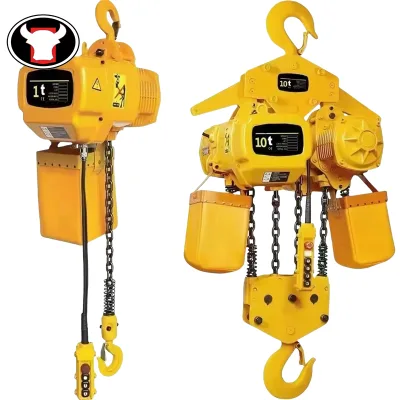


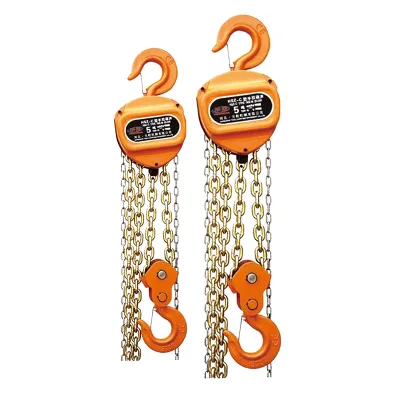
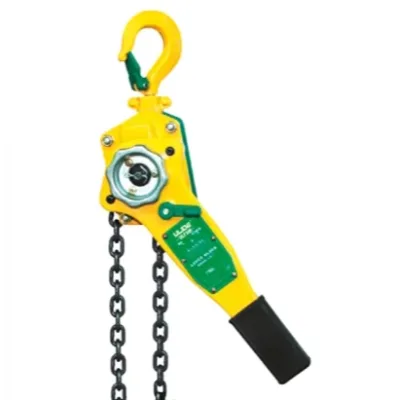
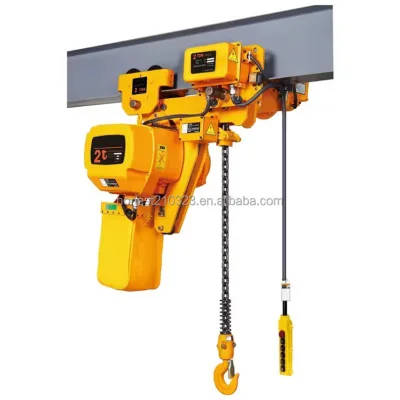
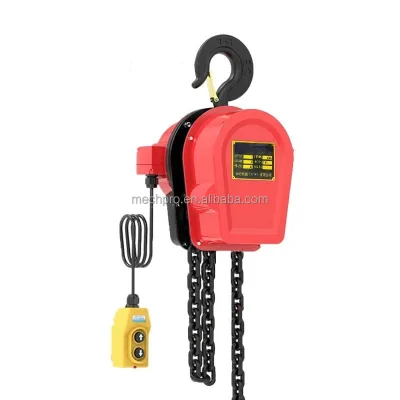


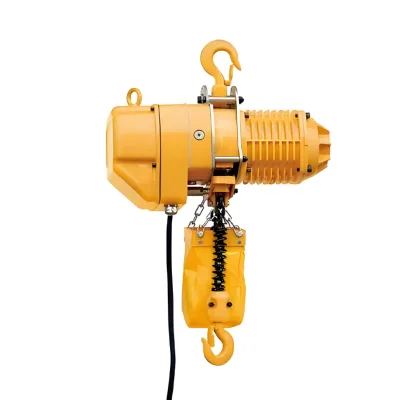

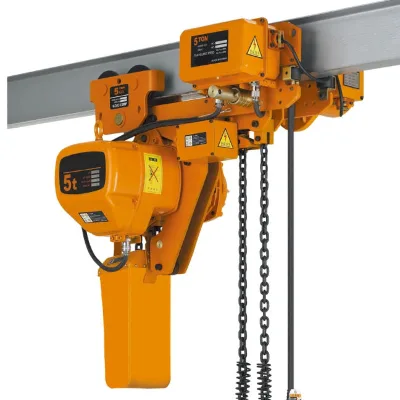


Comprehensive Sourcing Guide
Industrial Electric Chain Hoist Sourcing Guide
Procuring industrial electric chain hoists requires a disciplined approach to matching technical specifications with operational demands. Buyers must first define the load capacity and lifting height necessary for their specific material handling tasks. The observed market data indicates a wide range of capacities, from 0.5 tons up to 30 tons, allowing for flexibility in selecting equipment for light to heavy-duty applications. Understanding these baseline requirements ensures that the selected hoist can safely handle the intended workload without risking mechanical failure or safety hazards during routine operations.
Beyond capacity, the power source and control methods are critical decision points for integration into existing workflows. Most listed units operate on electric power, with voltage options typically spanning 220V to 440V at 50Hz or 60Hz frequencies. Control mechanisms vary, with pendant controls being standard, while remote control options offer enhanced safety and flexibility for operators. Buyers should verify the specific voltage and phase requirements of their facility to ensure compatibility, avoiding costly retrofits or operational downtime due to electrical mismatches.
Product Scope and Observed Listing Signals
The current market landscape for electric chain hoists reveals a diverse array of product configurations tailored to various industrial needs. Listings frequently highlight the use of high-strength G80 chains, which are essential for durability and safety in heavy lifting scenarios. The observed product names often include specific model identifiers such as HHBB or Er Type, indicating distinct design variations. Buyers should pay close attention to these model designations, as they may correlate with specific performance characteristics, chain configurations, or structural enhancements that suit particular industrial environments.
Color and customization options are also prominent features in the current supply chain, with orange being a common standard for visibility and safety compliance. However, many suppliers offer customized colors to align with corporate branding or site-specific safety protocols. The observed listings also indicate that customization is generally available, allowing buyers to tailor aspects of the hoist to their unique operational requirements. This flexibility extends to chain numbers, with options for single, double, or quadruple fall configurations, providing versatility for different lifting heights and load distributions.
Technical Specifications to Verify
When evaluating technical specifications, the lifting speed and motor power are key performance indicators that directly impact operational efficiency. Observed data shows lifting speeds ranging from 2 to 10 meters per minute, with motor powers varying from 1.5kW to 3.6kW. Buyers must match these specifications to their throughput requirements, ensuring that the hoist can achieve the desired cycle times without overburdening the motor. Additionally, the wire rope diameter, observed at 10mm in some listings, should be verified against the load capacity to ensure adequate strength and safety margins for the intended application.
The structural integrity and component quality are equally important considerations for long-term reliability. Core components such as bearings, gears, gearboxes, and engines are critical to the hoist's performance and lifespan. Buyers should request detailed information on the quality and origin of these components to assess potential durability issues. Furthermore, the maximum lifting height, which can range from standard 3-meter configurations to heights exceeding 20 meters, must be carefully selected to match the vertical clearance of the installation site, preventing mechanical interference or operational limitations.
Compliance and Safety Documentation
Safety and regulatory compliance are non-negotiable aspects of industrial equipment procurement. The CE certification is a common standard observed in the market, indicating adherence to European health, safety, and environmental protection standards. Buyers should verify that all supplied hoists carry valid CE certification and request the corresponding technical files to ensure full compliance with relevant directives. This documentation is crucial for legal operation in many jurisdictions and provides assurance that the equipment has undergone rigorous testing and quality control processes.
In addition to certification, machinery test reports are often provided by suppliers, offering empirical evidence of the hoist's performance under load. These reports typically include data on load testing, brake performance, and electrical safety checks. Buyers should review these test results to confirm that the hoist meets the specified load capacity and safety standards. It is also advisable to inquire about the warranty terms, which are commonly offered for one year, to understand the supplier's commitment to product quality and their support for any potential defects or failures.
Cost Drivers and Commercial Terms
Several factors influence the final cost of industrial electric chain hoists, with load capacity and lifting height being primary drivers. Higher capacity units and those with extended lifting heights generally command higher prices due to the increased material and engineering requirements. The observed price range in the market spans from $16 to $6000, reflecting the diversity in specifications and quality levels. Buyers should align their budget with the specific technical requirements, avoiding over-specification that leads to unnecessary expenditure or under-specification that compromises safety and efficiency.
Minimum order quantities (MOQ) and payment terms also play a significant role in the commercial structure of the procurement. Observed MOQs are typically low, ranging from 1 to 10 units, making it accessible for small to medium-sized enterprises to procure single units or small batches. Buyers should negotiate favorable payment terms and clarify any additional costs related to customization, shipping, or installation. Understanding these commercial terms helps in planning the total cost of ownership and ensures that the procurement process remains financially viable and transparent.
Supplier Qualification and Quality Control
Evaluating supplier qualifications is essential to ensure the reliability and consistency of the supplied equipment. Buyers should prioritize suppliers who provide comprehensive machinery test reports and have a proven track record in manufacturing industrial lifting equipment. The presence of core components such as high-quality bearings and gears indicates a commitment to durability and performance. Additionally, suppliers who offer customization options demonstrate flexibility and a customer-centric approach, which can be beneficial for meeting specific operational needs.
Quality control processes should be rigorously assessed to minimize the risk of receiving defective or substandard products. Buyers should inquire about the supplier's quality assurance protocols, including incoming material inspections, in-process checks, and final product testing. The use of standard export packing, as observed in many listings, suggests a commitment to protecting the equipment during transit. Establishing clear communication channels with the supplier for addressing any quality issues or technical queries is also crucial for maintaining a successful procurement relationship.
Long-Term Procurement Checks
Long-term procurement success depends on establishing robust maintenance and support frameworks for the industrial electric chain hoists. Buyers should verify the availability of spare parts and technical support from the supplier to ensure minimal downtime in case of repairs or replacements. The warranty period, typically one year, provides a baseline for support, but buyers may negotiate extended warranty options for critical operations. Proactive maintenance planning, including regular inspections and lubrication, can significantly extend the lifespan of the hoist and maintain its performance standards.
Furthermore, buyers should monitor the supplier's ability to provide updates or upgrades to the equipment as technology evolves. The industrial lifting sector is subject to continuous innovation, and suppliers who invest in research and development can offer improved models with enhanced safety features and efficiency. Building a long-term partnership with a reliable supplier ensures access to the latest technologies and best practices, supporting the ongoing operational excellence and safety of the material handling processes.
FAQs
What is the load capacity range for these electric chain hoists?
The load capacity ranges from 0.5 to 7.5 tons for specific models, while other configurations support capacities up to 30 tons. This wide range allows selection based on specific lifting requirements. High-strength G80 chains are commonly adopted to ensure durability and safety during heavy lifting operations in various industrial settings.
Can the voltage and power source be customized for different regions?
Yes, customization is available for voltage and power requirements. Standard options include 380V at 50Hz with three phases, but voltages from 220V to 440V at 50Hz or 60Hz are supported. This flexibility ensures compatibility with diverse electrical infrastructures globally, allowing seamless integration into existing facility power systems without modification.
What certifications are provided for these industrial electric chain hoists?
CE certification is provided for these products, ensuring compliance with European safety and quality standards. Additionally, machinery test reports are provided to verify performance and reliability. These documents support regulatory compliance and quality assurance for buyers, facilitating smoother import processes and ensuring the equipment meets recognized international industrial safety benchmarks.
What is the standard lifting height and maximum options available?
Standard lifting heights are typically 3 meters, with specific models offering 1.5 meters. However, maximum lifting heights can exceed 20 meters depending on the configuration. Buyers can request custom heights to suit specific application needs, ensuring the hoist meets precise operational requirements for construction, cranes, or lifting platforms effectively.
How is the control method configured for these electric hoists?
Control methods include pendant control and remote control options, which can be customized. This allows operators to choose between direct pendant operation for precision or remote control for enhanced safety and flexibility. The customization availability ensures the control system matches specific workflow requirements, improving operational efficiency and user convenience in various industrial environments.
What is the warranty period and condition of the new hoists?
The hoists are in new condition and come with a one-year warranty. This warranty covers core components such as bearings, gears, gearboxes, and engines. The standard export packing ensures safe delivery, while the warranty provides assurance of quality and support, protecting the buyer's investment against manufacturing defects during the initial operational period.