Source Customized Electric Heat Treatment Furnace for Steel Molding
Find 30 Customized Electric Heat Treatment Furnace options for steel molding, annealing, and quenching. Compare specifications, capacities, and certifications from verified suppliers to select the right industrial heating solution; compare the available evidence and request quotations based on your requirements.
Updated
Key considerations
Products List


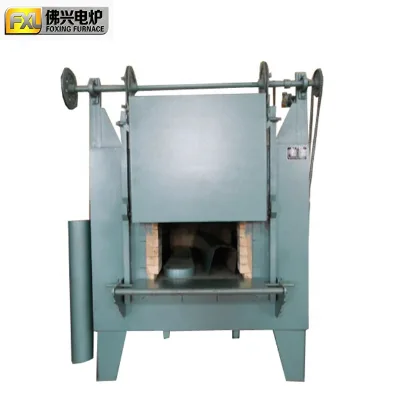
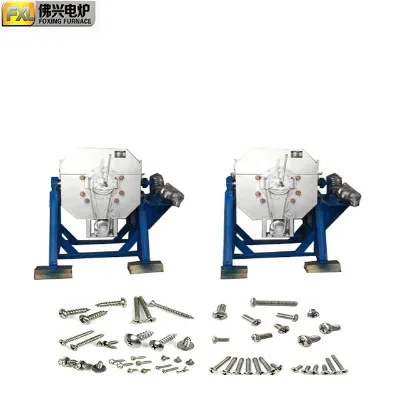


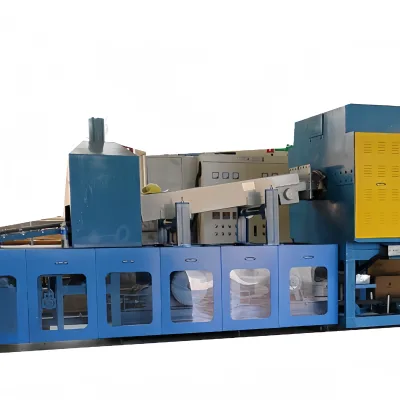
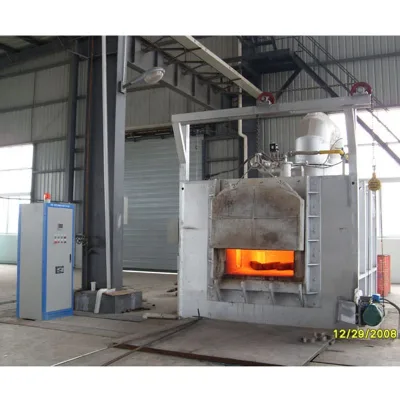
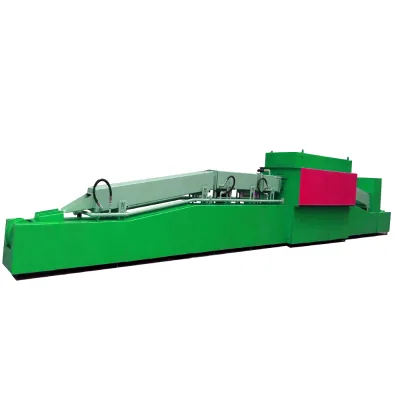
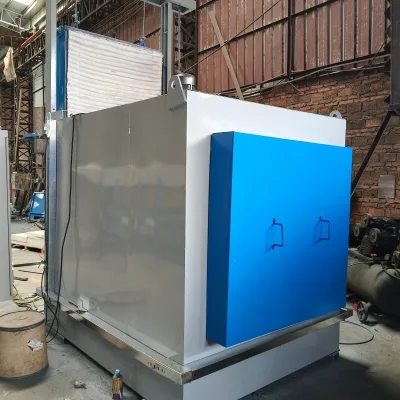
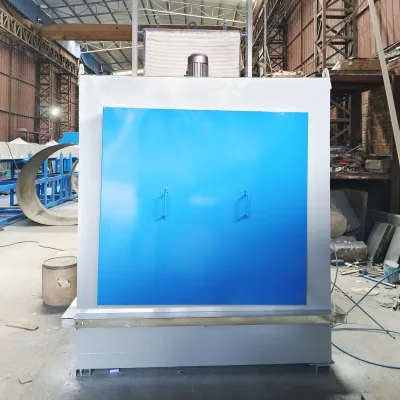
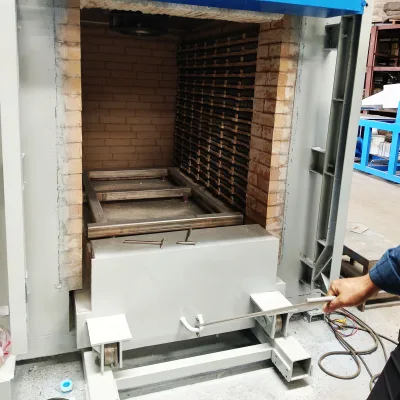

Customizable Heat Treatment Furnace for 5-30 Tons with Electric/Gas
$80000.00 - $120000.00
MOQ: 1 Pieces
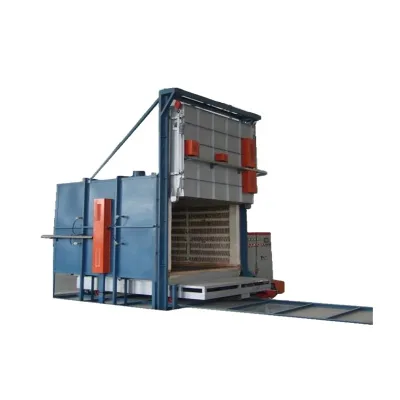
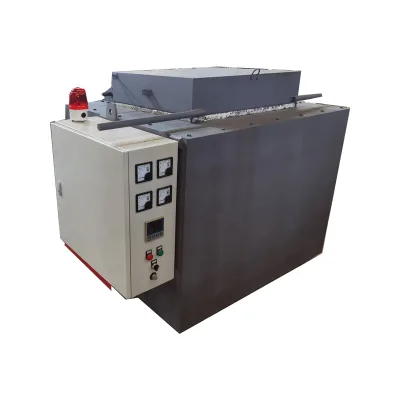
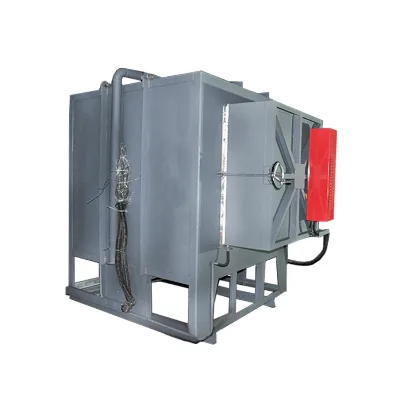
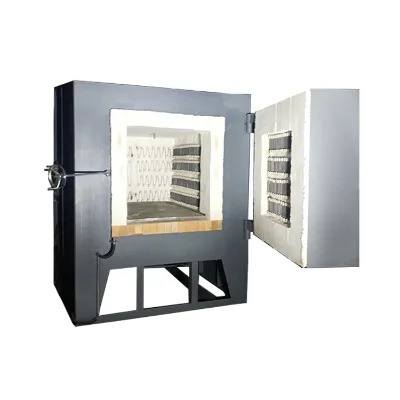
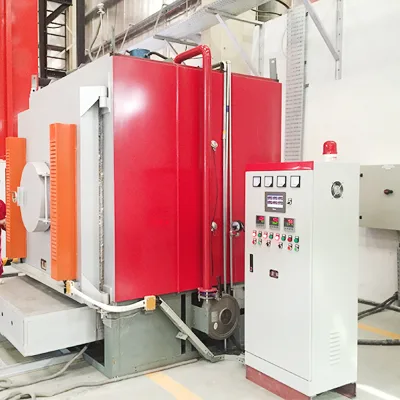
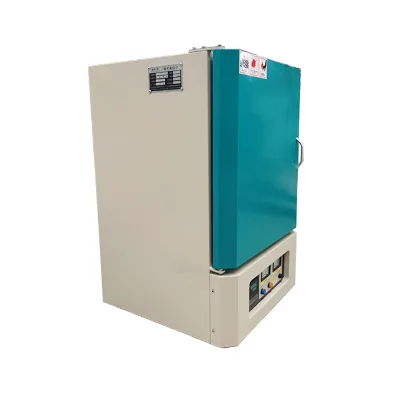


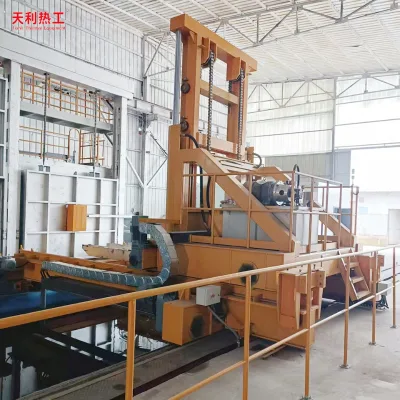
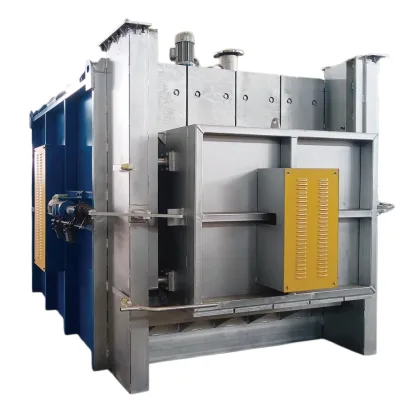
Comprehensive Sourcing Guide
Customized Electric Heat Treatment Furnace Sourcing Guide
Procuring a Customized Electric Heat Treatment Furnace requires a strategic approach to align industrial processing needs with precise engineering specifications. Buyers must first define the thermal profile, including temperature ranges and uniformity requirements, to ensure the equipment supports specific metallurgical processes such as annealing, quenching, or normalizing. The decision between horizontal and vertical configurations often hinges on facility layout constraints and material handling logistics, making spatial planning a critical initial step in the sourcing workflow.
Beyond physical dimensions, the automation level and power source selection significantly impact operational efficiency and long-term maintenance costs. Modern units frequently feature automatic grades with integrated PLC controls, allowing for accurate temperature regulation and reduced manual intervention. Sourcing teams should evaluate whether the furnace supports electric-only heating or hybrid electricity/gas systems, as this choice influences energy consumption rates and compliance with local environmental regulations, directly affecting the total cost of ownership over the equipment's lifespan.
Product Scope and Observed Listing Signals
Market listings for these industrial units reveal a diverse range of models, including specific series like the Rainbow and RB series, which cater to varying production capacities. Observed data indicates a wide price spectrum, ranging from approximately $1,150 to $250,000, reflecting differences in heating element quality, insulation materials, and control system sophistication. Buyers should note that minimum order quantities are typically set at one unit, allowing for flexible procurement of single industrial machines without the burden of bulk purchasing commitments.
The observed product attributes highlight significant variability in structural design, with options available in both horizontal and vertical types. Capacity metrics vary widely, with some units rated for 200kg to 300kg per hour, while others specify batch weights ranging from 100kg to 2,500kg. These signals suggest that buyers must carefully match the furnace’s rated capacity to their actual throughput requirements, avoiding under-specification that could bottleneck production or over-specification that leads to unnecessary capital expenditure and energy waste.
Technical Specifications to Verify
Verification of core components is essential for ensuring the durability and reliability of the heat treatment furnace. Key elements to inspect include the PLC, motor, gearbox, and pressure vessel, which form the backbone of the machine’s operational integrity. Buyers should request detailed machinery test reports to validate the performance of these components under load, ensuring that the heating elements and fan systems, such as those with 0.75kw set power ratings, meet the specified thermal output requirements for consistent heat treatment results.
Dimensional and power specifications must also be rigorously checked against facility capabilities. Standard dimensions like 1500x600x600mm or larger industrial footprints require adequate floor space and structural support. Power ratings typically range from 15kw to 75kw, with specific models citing 45kw as a common benchmark. Buyers must confirm that their electrical infrastructure can support these loads, including verifying the heating element connection types, such as YYY configurations, to prevent installation delays or electrical hazards during commissioning.
Compliance and Safety Documentation
Certification verification is a non-negotiable step in the procurement process, with CE and ISO marks being the most commonly observed standards in the market. These certifications indicate that the furnace meets essential European health, safety, and environmental protection requirements, as well as international quality management standards. Buyers should request valid certification documents directly from the supplier to ensure that the specific model being purchased has undergone the necessary third-party testing and approval processes before shipment.
Safety documentation should also include detailed operational manuals and maintenance guidelines that comply with international packaging standards. Proper packaging, often described as sea-worthy or container-ready, is crucial for protecting sensitive electronic components and heating elements during transit. Buyers must verify that the supplier provides comprehensive documentation on emergency shutdown procedures, thermal insulation integrity, and electrical grounding requirements to ensure safe operation within the industrial environment and compliance with local workplace safety regulations.
Cost Drivers and Commercial Terms
The total cost of a Customized Electric Heat Treatment Furnace is influenced by several key factors, including the power rating, material construction, and level of automation. Higher power units, such as those exceeding 45kw, typically command higher prices due to increased energy consumption and more robust heating elements. Additionally, customized features like specific temperature control accuracy or specialized chamber materials can significantly impact the final quote, requiring buyers to clearly define their non-negotiable specifications early in the negotiation process.
Commercial terms often include warranty coverage and after-sales service provisions, which are critical for long-term operational continuity. Many suppliers offer a one-year warranty and provide online support or overseas installation services, which can reduce downtime and maintenance costs. Buyers should negotiate clear terms for spare parts availability, response times for technical support, and the scope of warranty coverage to ensure that any potential issues are resolved efficiently without incurring unexpected expenses.
Supplier Qualification and Quality Control
Evaluating supplier qualifications involves assessing their manufacturing capabilities and quality control processes. Suppliers from regions like Jiangsu, Zhejiang, and Guangdong often have established reputations for producing industrial heating equipment, but buyers should verify their production capacity and history of delivering similar customized units. Requesting references from previous clients and reviewing machinery test reports can provide valuable insights into the supplier’s reliability and the consistent quality of their output.
Quality control measures should include pre-shipment inspections and functional testing of the furnace’s core components. Buyers should insist on witnessing or receiving detailed reports of performance tests, including temperature uniformity checks and electrical safety tests. Ensuring that the supplier adheres to strict quality management systems, such as ISO standards, helps mitigate the risk of receiving defective equipment and ensures that the furnace meets the specified performance criteria before it leaves the factory.
Long-Term Procurement Checks
Long-term procurement success depends on establishing a robust relationship with the supplier for ongoing support and maintenance. Buyers should verify the availability of spare parts, such as heating elements, bearings, and PLC modules, to minimize downtime during routine maintenance or unexpected failures. A clear service agreement that outlines response times, technical support channels, and warranty extensions can provide peace of mind and ensure that the furnace remains operational throughout its intended lifespan.
Regular performance monitoring and preventive maintenance are also essential for maximizing the efficiency and longevity of the heat treatment furnace. Buyers should implement a schedule for inspecting the heating elements, checking electrical connections, and calibrating temperature sensors to maintain accurate thermal control. By proactively managing these aspects, organizations can avoid costly repairs and ensure consistent product quality in their heat treatment processes, ultimately protecting their investment in the customized industrial equipment.
FAQs
What certifications do these heat treatment furnaces hold?
These units typically hold CE and ISO certifications to ensure compliance with international safety and quality standards. The horizontal and vertical models are designed for industrial applications, providing reliable performance for steel molding and other heat treatment processes. Buyers should verify specific documentation for their regional requirements before finalizing procurement.
Can the furnace capacity be customized for specific production needs?
Yes, the equipment is fully customized to meet specific production requirements. Available capacities range from 200kg to 300kg per hour, with some models supporting loads up to 2500kg. The automatic grade ensures consistent operation, while the power source options allow for tailored energy consumption based on the intended industrial application and throughput goals.
What is the standard packaging method for shipping these machines?
The machines are packed in sea-worthy packages or containers to ensure safe international transport. This packaging protects the core components, including the PLC, motor, and gearbox, from damage during transit. The standard dimensions and weight are designed to fit efficiently into shipping containers, reducing logistics costs and ensuring the equipment arrives ready for installation.
Which core components are included in the heat treatment furnace?
The furnace includes essential core components such as the PLC, engine, bearing, gearbox, motor, pressure vessel, gear, and pump. These parts are selected for durability and precision, supporting accurate temperature control during processes like annealing, quenching, and normalizing. A machinery test report is provided to verify the functionality and quality of these critical internal systems.
What after-sales services are provided for the heat treatment furnace?
Providers offer online support and overseas installation services to assist with setup and operation. The warranty period is typically one year, covering defects in materials and workmanship. This support ensures that buyers can maintain optimal performance and address technical issues promptly, minimizing downtime and ensuring continuous production in industrial heat treatment environments.
What are the power options for the customized electric furnace?
The power options range from 15kW to 75kW, depending on the specific model and application. Some units feature a fan power of 0.75kW per set, ensuring adequate cooling and temperature uniformity. The electric heating method provides precise control, making these furnaces suitable for demanding industrial processes that require consistent and accurate thermal treatment results.