Source Industrial Straight Manual Nail Gun for Concrete Steel Iron
Compare 30 Industrial Straight Manual Nail Gun options from verified suppliers. These tools feature automatic feeding, aluminum handles, and are suitable for fastening concrete, iron, and steel in construction projects; compare the available evidence and request quotations based on your requirements.
Key considerations
Products List


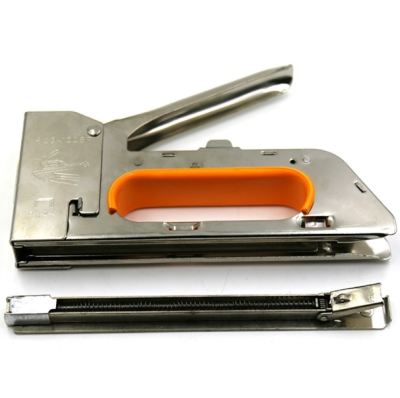


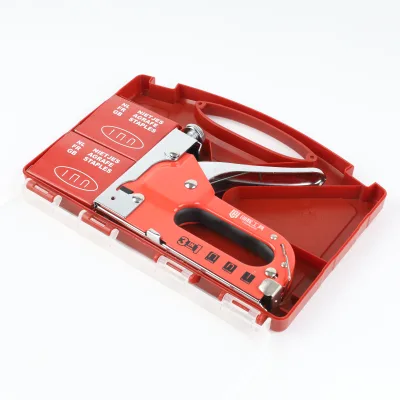


$0.11 - $0.24
MOQ: 1200 Pieces


Comprehensive Sourcing Guide
Industrial Straight Manual Nail Gun Sourcing Guide
Procuring industrial-grade straight manual nail guns requires a precise understanding of the distinction between purely mechanical tools and powered alternatives often listed in the same search results. Buyers must first clarify whether the requirement is for a traditional hammer-driven fastener or a powder-actuated device, as the operational mechanics, safety protocols, and supply chain dynamics differ significantly. The term "manual" in industrial contexts can sometimes refer to the trigger mechanism of a gas or powder tool, which lacks an external electric motor but relies on internal chemical energy. Therefore, the initial sourcing step involves defining the power source clearly to avoid receiving a pneumatic or gas-powered unit when a purely mechanical hammer is intended.
Once the power source is defined, the buyer should evaluate the tool’s compatibility with specific fastener types and substrate materials. Industrial applications often involve fastening into concrete, iron, or steel, which demands high-velocity impact and robust construction. The sourcing guide emphasizes verifying the nail length, diameter, and material composition to ensure the tool can drive the selected fastener to the required depth without jamming or misfiring. Additionally, the ergonomic design, including handle material and overall weight, plays a critical role in operator comfort during prolonged use, making these attributes essential criteria in the initial supplier evaluation phase.
Product Scope and Observed Listing Signals
The current market landscape for industrial nailers reveals a diverse range of products, from traditional manual hammers to advanced powder-actuated and gas-powered systems. Observed listings indicate a wide price range, reflecting the complexity of the mechanisms involved. For instance, powder-actuated tools like the PT-450V are designed for fastening into concrete and steel, utilizing specific power loads and nail lengths. These tools often feature automatic feeding mechanisms and are constructed from durable materials like plastic and steel, with aluminum handles for improved grip. Buyers should note that these devices are not purely manual in the traditional sense but require specific consumables and safety precautions.
In contrast, gas-powered nailers, such as the Gsr40 model, offer a different set of operational characteristics, including battery-assisted ignition and gas fuel cells. These tools are often marketed for their speed and efficiency in construction machinery applications. The observed data shows variations in weight, dimensions, and magazine capacity, which are critical for selecting the right tool for specific job sites. Buyers must carefully review the product specifications to distinguish between these different categories, as the sourcing requirements for consumables, maintenance, and safety training vary significantly between powder-actuated, gas-powered, and purely mechanical tools.
Technical Specifications to Verify
When evaluating technical specifications, buyers must prioritize the tool’s compatibility with the intended fasteners and substrates. For powder-actuated tools, it is essential to verify the equipped power loads, such as S1jl Loads Strip, and the maximum nail length, which is often limited to less than 76mm. The tool’s length, typically around 340mm for models like the PT-450V, affects maneuverability in tight spaces. Additionally, the net weight, usually around 3.2kg, influences operator fatigue during extended use. Buyers should also check the standard compliance, such as DIN, ANSI, or JIS, to ensure the tool meets regional regulatory requirements.
For gas-powered or hybrid tools, specifications like battery voltage, gas fuel cell dimensions, and magazine capacity are crucial. The Gsr40 model, for example, features a Li-ion battery and a gas fuel cell, with a magazine capacity of 33 nails. The speed of operation, often measured in nails per second, is another key performance indicator. Buyers should verify the working style, whether it is gas-only, battery-only, or a combination, to ensure it aligns with the site’s power availability. Furthermore, the tool’s dimensions and weight, such as the 3.5kg weight of the Gsr40, should be considered for ergonomic suitability and transport logistics.
Compliance and Safety Documentation
Safety is paramount when sourcing industrial nail guns, particularly those that use powder or gas as a power source. Buyers must ensure that the tools come with the necessary certifications, such as GS, CE, CCC, and RoHS, which indicate compliance with international safety and environmental standards. These certifications are critical for importing and operating the tools in various markets. Additionally, the tools should be accompanied by detailed user manuals and safety guidelines, outlining proper handling, maintenance, and emergency procedures. Buyers should verify that the supplier provides comprehensive documentation to ensure safe operation and regulatory compliance.
Furthermore, buyers should assess the tool’s safety features, such as anti-dry fire mechanisms and trigger locks, which prevent accidental discharge. For powder-actuated tools, it is essential to verify the compatibility with specific safety glasses and hearing protection, as these tools generate significant noise and debris. The supplier should also provide information on the tool’s testing results and quality control processes, ensuring that each unit meets the specified performance and safety standards. Buyers should request sample units for testing to validate the tool’s safety features and overall performance before placing a large order.
Cost Drivers and Commercial Terms
The cost of industrial nail guns is influenced by several factors, including the tool’s complexity, materials, and certification status. Powder-actuated and gas-powered tools are generally more expensive than traditional manual hammers due to their advanced mechanisms and safety features. Buyers should also consider the cost of consumables, such as powder loads, gas fuel cells, and nails, which are recurring expenses. The MOQ (Minimum Order Quantity) and lead time are also significant commercial terms, with higher MOQs often resulting in lower unit prices but requiring larger upfront investments. Buyers should negotiate favorable terms based on their volume requirements and delivery schedules.
Additionally, buyers should evaluate the supplier’s pricing structure, including any discounts for bulk orders or long-term contracts. The transportation method, whether express, land, train, or sea, also impacts the total cost, with sea freight being more economical for large shipments. Buyers should also consider the cost of customization, such as logo printing or packaging modifications, which may incur additional fees. It is essential to obtain a detailed quotation that includes all costs, from the unit price to shipping and taxes, to avoid unexpected expenses. Clear communication with the supplier regarding commercial terms is crucial for a successful procurement process.
Supplier Qualification and Quality Control
Selecting a qualified supplier is critical for ensuring the quality and reliability of industrial nail guns. Buyers should verify the supplier’s manufacturing capabilities, including their production capacity, quality control processes, and certification status. Suppliers with ISO certifications and a proven track record in producing industrial tools are generally more reliable. Buyers should also assess the supplier’s ability to provide customization services, such as logo printing and packaging modifications, to meet specific branding requirements. Additionally, the supplier’s lead time and inventory status should be evaluated to ensure timely delivery and availability of spare parts.
Quality control is another essential aspect of supplier qualification. Buyers should request samples for testing to verify the tool’s performance, durability, and safety features. The supplier should provide detailed quality control reports, including test results and inspection records, to demonstrate their commitment to quality. Buyers should also establish clear communication channels with the supplier to address any issues or concerns promptly. Regular audits and inspections of the supplier’s facilities can help ensure ongoing compliance with quality standards. Building a strong relationship with a qualified supplier is key to long-term procurement success.
Long-Term Procurement Checks
Long-term procurement success depends on continuous monitoring of supplier performance and product quality. Buyers should establish key performance indicators (KPIs) to track metrics such as delivery times, defect rates, and customer satisfaction. Regular reviews of these metrics can help identify areas for improvement and ensure that the supplier meets contractual obligations. Buyers should also maintain open communication with the supplier to address any issues promptly and collaboratively. Additionally, buyers should stay informed about industry trends and technological advancements to ensure they are sourcing the most efficient and reliable tools.
Furthermore, buyers should regularly review their inventory levels and consumption rates to optimize ordering and reduce waste. Implementing a robust inventory management system can help ensure that consumables and spare parts are always available, minimizing downtime. Buyers should also consider the total cost of ownership, including maintenance, repair, and replacement costs, when evaluating the long-term value of the tools. By focusing on these long-term procurement checks, buyers can build a resilient and efficient supply chain that supports their operational needs and drives business growth.
FAQs
What certifications does the Industrial Straight Manual Nail Gun have?
The product holds GS, CE, CCC, and RoHS certifications for safety and compliance. These standards ensure the tool meets international requirements for industrial use. Buyers can verify these documents before placing orders to confirm regulatory adherence for their specific region.
Can I customize the logo on the Industrial Straight Manual Nail Gun?
Yes, the logo is customizable for bulk orders. This service allows buyers to brand the tool with their own company identity. Customization is available alongside other options like packaging, making it suitable for distributors seeking private label solutions.
What is the lead time for ordering the Industrial Straight Manual Nail Gun?
The standard lead time ranges from 15 to 30 days after order confirmation. This duration covers production and quality checks before shipment. Buyers should plan their inventory accordingly to ensure timely delivery for their construction projects or retail needs.
Which specifications define the size of the Industrial Straight Manual Nail Gun?
The product dimensions are approximately 455 by 388 by 110 millimeters. Another model measures 450 by 340 by 100 millimeters. These sizes accommodate different handling requirements while maintaining a professional level of quality for heavy-duty fastening tasks.
How much does the Industrial Straight Manual Nail Gun weigh?
One model weighs 3.2 kilograms while another variant is 3.5 kilograms. This weight ensures stability during operation without being overly burdensome for the user. The design balances durability with ergonomic handling for extended use on construction sites.
What is the minimum order quantity for the Industrial Straight Manual Nail Gun?
The minimum order quantity ranges from 1 to 3000 units depending on the supplier. This flexibility allows small buyers to test the product while accommodating large distributors. Specific MOQs vary by vendor and should be confirmed during the sourcing process.
Where is the Industrial Straight Manual Nail Gun manufactured?
The product originates from China. This location is a major hub for manufacturing industrial tools and equipment. Buyers can expect competitive pricing and established supply chains when sourcing from this region for their procurement needs.