Source Industrial Swivel Hook for Marine, Lifting, and Rigging
Explore 30 listings for Industrial Swivel Hook options suitable for marine, lifting, and rigging applications. Compare specifications including carbon steel construction, galvanization, and capacity ranges from 0.5t to 30t to find the right fit for your needs; compare the available evidence and request quotations based on your requirements.
Key considerations
Products List


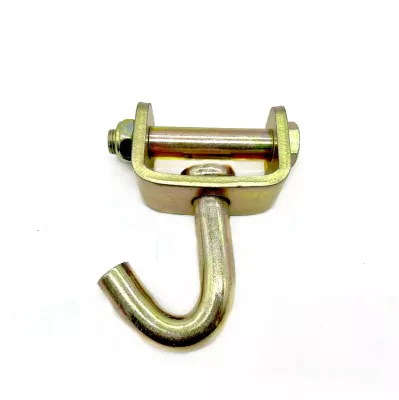
Manufacturer Custom Wire Single Swivel j Hook With Bolt and Nut for Cargo Control
$0.52 - $0.88
MOQ: 200 pieces


Comprehensive Sourcing Guide
Industrial Swivel Hook Sourcing Guide
Procuring industrial swivel hooks requires a clear understanding of the specific load capacities and environmental conditions your operation demands. The market offers a wide range of options, from standard carbon steel models to customized solutions designed for heavy-duty lifting. Buyers must distinguish between general-purpose hooks and those engineered for specific industrial applications, ensuring the selected hardware matches the intended stress profile.
Verification of the product's physical attributes is the first critical step in the selection process. Observed listings frequently describe these items as new, round, and red, with surface treatments ranging from galvanization to painting. Understanding these visual and material indicators helps buyers quickly filter suppliers who can deliver the exact configuration needed for their lifting systems without unnecessary delays.
Product Scope and Observed Listing Signals
The product scope for industrial swivel hooks encompasses a variety of configurations, including single hooks and those equipped with latches for enhanced safety. Listings indicate that these items are primarily constructed from carbon steel or general metal alloys, with specific models identified as forged hooks to ensure structural integrity under load. This diversity allows procurement teams to source hardware suitable for both heavy industrial machinery and lighter, specialized tasks.
Buyers should note that observed listing signals often include specific capacity ranges, such as 1/2 ton to 15 tons, though some entries suggest broader or variable limits. The shape is consistently described as round, yet customization options are frequently available to meet unique operational requirements. Recognizing these signals helps in identifying suppliers who can provide the precise size and type needed, whether for standard palletizing or complex rigging scenarios.
Technical Specifications to Verify
Technical verification must begin with the shackle material and the overall steel composition to ensure the hook can withstand the intended tensile forces. While many products are specified as carbon steel, buyers should confirm the exact grade and whether the material meets the specific strength requirements for their lifting applications. This step prevents the selection of under-rated hardware that could fail under dynamic loading conditions.
Surface treatment and dimensional accuracy are equally critical factors that influence the longevity and safety of the equipment. Listings mention galvanization and painting as common surface processes, which protect against corrosion in various environments. Additionally, verifying the size specifications, which can range from 1/2 ton to 30 tons depending on the model, ensures the hook fits the existing rigging infrastructure and load limits of the lifting equipment.
Compliance and Safety Documentation
Compliance documentation serves as the primary evidence that the Industrial Swivel Hook meets international safety and quality standards. Buyers should request certificates such as ISO, CE, SGS, and BV to verify that the manufacturing process adheres to recognized safety protocols. These documents are essential for liability protection and ensure that the equipment has undergone rigorous testing before entering the supply chain.
Safety features, such as the presence of a latch on the hook, are vital for preventing accidental disengagement during lifting operations. While some listings highlight the "Safety Hook" designation, buyers must confirm that the latch mechanism is robust and functions correctly under load. Ensuring that the product carries the necessary certifications and safety features is a non-negotiable step for maintaining a safe working environment in industrial settings.
Cost Drivers and Commercial Terms
Cost drivers for industrial swivel hooks are heavily influenced by the material grade, surface treatment, and the level of customization required. Galvanized or painted finishes add to the production cost, as do specific forging processes that enhance durability. Buyers should anticipate that customized orders, which may involve unique sizes or shapes, will carry a higher price point compared to standard off-the-shelf inventory.
Commercial terms and payment methods are also significant factors in the total cost of ownership. Suppliers often accept payments via LC, T/T, or Western Union, and packaging requirements can vary from cartons to iron pallets depending on the order volume. Understanding these terms helps procurement teams negotiate effectively and plan for logistics costs, ensuring that the final delivered price aligns with the project budget.
Supplier Qualification and Quality Control
Supplier qualification involves verifying the origin and manufacturing capabilities of the vendor to ensure consistent product quality. Many suppliers are located in China, specifically in regions like Shandong and Qingdao, which are known for their metalworking industries. Buyers should assess the supplier's ability to maintain quality control standards, particularly regarding the forging process and material consistency.
Quality control checks should focus on the physical attributes of the hook, such as the shape, color, and surface finish, to ensure they match the agreed specifications. Since customization is available, buyers must establish clear communication channels to confirm that the final product meets their exact requirements. Regular audits and sample inspections are recommended to maintain high standards and prevent defects in the delivered goods.
Long-Term Procurement Checks
Long-term procurement checks require a systematic approach to monitoring supplier performance and product reliability over time. Buyers should track the consistency of certifications and the durability of the hooks in actual use to identify any recurring issues. This proactive monitoring helps in maintaining a reliable supply chain and ensures that the equipment continues to meet safety and performance standards.
Establishing a feedback loop with suppliers is essential for addressing any quality concerns or changes in product specifications. Since packaging and delivery terms can vary, buyers should regularly review these aspects to optimize logistics and reduce costs. By maintaining a disciplined approach to supplier management, organizations can secure a steady supply of high-quality industrial swivel hooks that support their operational efficiency.
FAQs
What materials are used for industrial swivel hooks?
Industrial swivel hooks are primarily constructed from carbon steel or general metal alloys to ensure high tensile strength and durability under heavy loads. The steel material is often forged to enhance structural integrity. Some variants may utilize specific steel grades tailored for particular industrial applications, ensuring reliable performance in demanding lifting environments.
Can industrial swivel hooks be customized for specific needs?
Yes, customization is available for industrial swivel hooks to meet specific operational requirements. Buyers can request tailored specifications, including unique sizes, capacities, or specialized packaging solutions. The product supports customized designs, allowing for adjustments in shape, latch types, or surface treatments to align precisely with the intended industrial application or customer preference.
What certifications do industrial swivel hooks typically hold?
Industrial swivel hooks commonly hold major international certifications such as ISO, CE, SGS, and BV. These certifications verify that the products meet stringent quality and safety standards for industrial use. Buyers can rely on these documented credentials to ensure compliance with global regulatory requirements and to verify the manufacturing quality of the lifting equipment.
What is the typical size range for these hooks?
The typical size range for industrial swivel hooks spans from 0.5 tons up to 30 tons, with common specifications covering 1/2 ton to 15 tons. This wide range allows selection based on specific load requirements. Sizes can also be customized as required, ensuring that the hook capacity matches the precise lifting needs of various industrial machinery and applications.
How are industrial swivel hooks packaged for shipment?
Industrial swivel hooks are packaged according to customer requirements to ensure safe transit. Common packaging methods include cartons, iron pallets, gunny bags combined with iron pallets, or direct steel packing. This flexible approach allows buyers to choose the most suitable logistics solution, protecting the galvanized or painted surfaces from damage during international shipping and handling.
What surface treatments are applied to these hooks?
Surface treatments for industrial swivel hooks include galvanization and painting to prevent corrosion and extend service life. Galvanized finishes provide robust protection against rust in harsh environments, while painted options offer aesthetic and protective benefits. These treatments are applied to the forged carbon steel body, ensuring the hook remains durable and safe for repeated industrial lifting operations.