Source Intelligent Pneumatic DPF Regeneration Machine for Auto Repair, Diesel Shops, Testing Labs
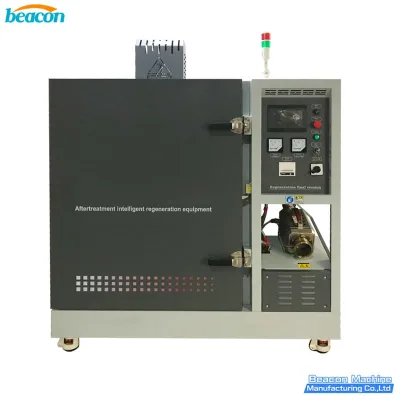
Find 30 verified options for the Intelligent Pneumatic DPF Regeneration Machine designed for auto repair, diesel shops, and testing labs. Buyers can compare specifications like voltage, weight, and cleaning functions to select the right equipment for their needs.
Key considerations
Products List
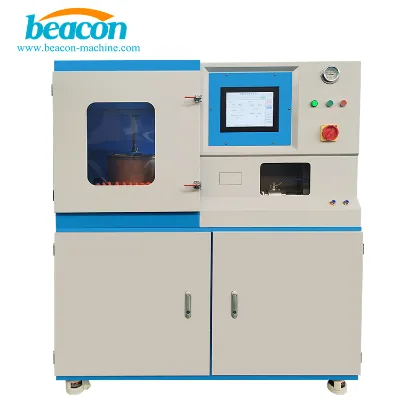
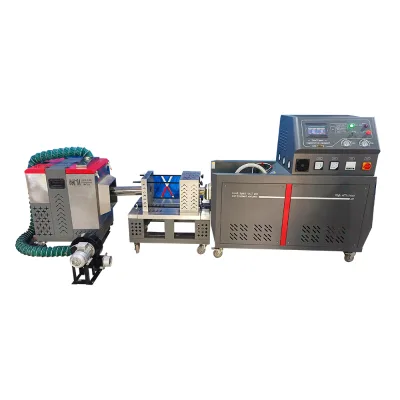
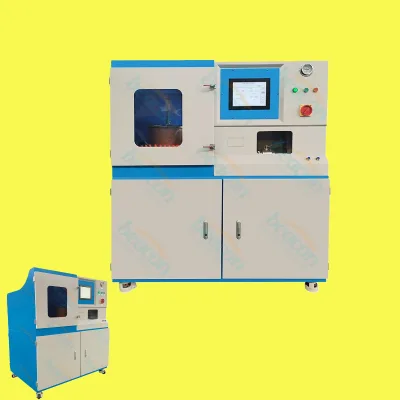


Brown High Effient DPF Regeneration Machine Intelligent DPF Thermal Regeneration Oven
$4500.00 - $5500.00
MOQ: 1 Pieces


DPF Regeneration Oven Pneumatic Diesel Particulate Filter DPF Cleaning Testing Machine
$4500.00 - $5500.00
MOQ: 1 Pieces


Vehicle Maintenance Machinery DPF Machinedpf Cleaning Agent DPF Regeneration
$9500.00 - $12000.00
MOQ: 1 Pieces

DPF Filter Cleaning DPF Regeneration Machine Cleaning Machinery China DPF
$9000.00 - $14000.00
MOQ: 1 Pieces


DPF Regeneration Machine DPF Filter Cleaning Machine with Independent Drying Chamber
$24800.00 - $36800.00
MOQ: 1 Pieces

DPF Cleaning Machine Dpfscr Cleaning DPF Restore Regeneration Equipment Particulate Filter
$9500.00 - $12000.00
MOQ: 1 Pieces


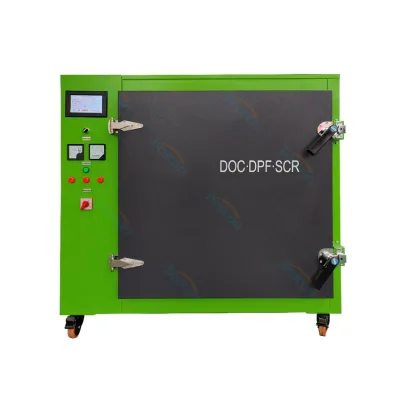
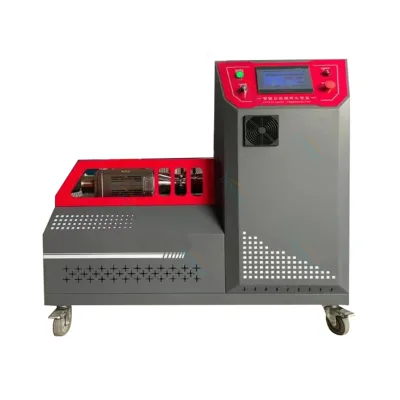
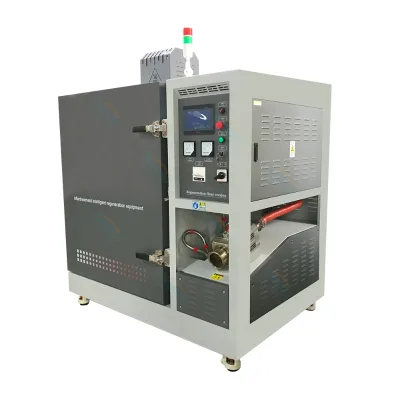
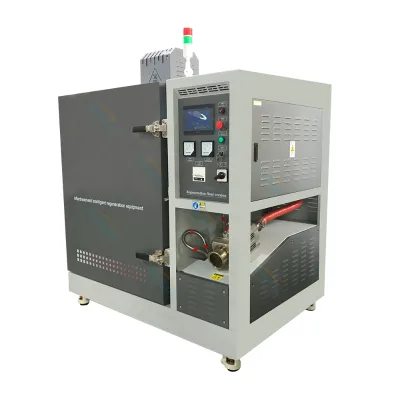
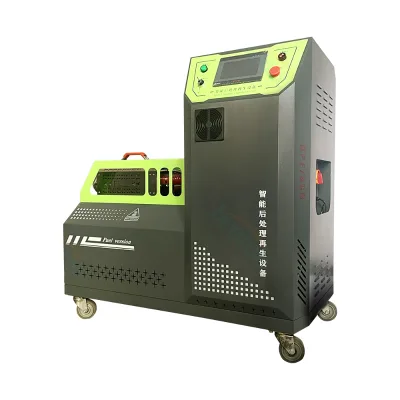


Catalytic Converter Carbon Deposits Cleaning Machine DPF System Carbon Cleaning
$3000.00 - $5000.00
MOQ: 1 Pieces
Comprehensive Sourcing Guide
Intelligent Pneumatic DPF Regeneration Machine Sourcing Guide
Understanding the Core Technology and Operational Scope
The intelligent pneumatic Diesel Particulate Filter (DPF) regeneration machine represents a specialized class of industrial equipment designed to restore the efficiency of diesel exhaust systems. In the context of B2B procurement, these units are not merely cleaning devices but sophisticated systems capable of high-temperature regeneration, often utilizing pneumatic mechanisms to manage airflow and pressure differentials critical for the cleaning process. The primary function of such machinery is to remove accumulated soot and ash from the filter media without damaging the substrate, thereby extending the service life of the component and ensuring compliance with emissions standards.
When evaluating the "intelligent" aspect of these machines, buyers should look for features that automate the regeneration cycle, monitor pressure drops, and potentially offer software updates to refine cleaning algorithms. The supplied product data indicates a range of functional capabilities, including "Delete Cleaning Regeneration," "High Temperature Regeneration," and "DPF filter cleaning." These terms suggest that the equipment is versatile, capable of handling both standard cleaning and more intensive regeneration processes required for heavily clogged filters. The operational environment typically involves automotive beauty shops, testing facilities, and heavy-duty vehicle maintenance centers where the volume of diesel vehicles necessitates on-site or semi-mobile regeneration solutions.
The distinction between a simple cleaning machine and an intelligent regeneration unit often lies in the control systems and the precision of the pneumatic delivery. The observed specifications mention "Air Scanning Pressure" ranges of 0.3-0.7 MPa and "Air Collecting Negative Pressure" between -25 and 0 Kpa. These numerical values are critical indicators of the machine's ability to create the necessary vacuum and pressure differentials to dislodge particulate matter. A buyer must verify that the specific model under consideration can maintain these pressure ranges consistently under load, as fluctuations can lead to incomplete regeneration or potential damage to the filter element.
Technical Specifications and Performance Parameters
Selecting the right technical configuration is paramount for ensuring the equipment meets the specific demands of the fleet or workshop being serviced. The physical dimensions and weight of the machine are significant factors, particularly for mobile applications. Data points indicate a substantial unit with dimensions around 20009501800 cm and a weight of 400KG, which suggests a robust, stationary industrial setup. In contrast, other configurations listed have a single gross weight of 101.000 kg and dimensions of 10X10X10 cm for packaging, implying a more compact or modular design suitable for different deployment scenarios.
Power requirements vary across the product spectrum, with some units operating on 220V electrical equipment while others are designed for 380V 3-phase power. This distinction is vital for procurement planning, as the 380V requirement is typical for heavy industrial machinery and necessitates specific electrical infrastructure at the installation site. The power consumption is noted as 3kw for certain models, which helps in calculating the operational energy costs. Additionally, the fuel source is identified as Diesel, indicating that some regeneration processes may utilize the vehicle's own fuel or a dedicated diesel burner to achieve the high temperatures required for soot oxidation.
The accuracy and testing capabilities of the machine are also key technical differentiators. Some units are classified as "Testing Machines" with an "Accuracy Class: High Accuracy," suggesting they can be used not just for cleaning but for validating the performance of the DPF after regeneration. This dual functionality is highly valuable for automotive testing benches and quality assurance departments. The model numbers, such as DPF-CL and DPF-BLA/DPF-BLB, serve as unique identifiers for these specific configurations. Buyers should cross-reference these model numbers with the specific voltage, weight, and dimension requirements of their facility to ensure compatibility.
| Feature Category | Observed Specification Range | Procurement Verification Point |
|---|---|---|
| Voltage | 220V, 380V 3-phase | Confirm facility power availability matches unit requirement. |
| Weight | 101 kg to 400 kg | Assess floor load capacity and mobility needs. |
| Dimensions | 1000x1000x1000 cm (pack) to 2000x950x1800 cm (unit) | Verify installation space and door clearance. |
| Pressure | 0.3-0.7 MPa (Scanning), -25 to 0 Kpa (Negative) | Validate pneumatic supply system compatibility. |
| Power | 3kw | Calculate energy load and circuit requirements. |
| Material | Metal | Inspect for corrosion resistance and durability. |
Compliance, Certification, and Safety Standards
In the realm of industrial machinery, compliance with international safety and quality standards is non-negotiable. The presence of CE certification in the product data is a significant indicator that the equipment meets the essential health, safety, and environmental protection requirements for the European Economic Area. However, buyers must treat this as a baseline requirement rather than a guarantee of universal compliance. The specific standards applied, such as the "Standard" noted in the product attributes, should be explicitly defined in the technical documentation provided by the supplier.
Safety is further ensured through the "Protection Class" of the machine, which is identified as a "Cleaning Machine" in the provided context. This classification implies that the design adheres to specific safety protocols regarding electrical isolation, thermal management, and mechanical guarding. Given the high-temperature nature of DPF regeneration, the machine must be equipped with adequate thermal insulation and safety interlocks to prevent operator injury. The "Condition: New" status ensures that the equipment has not been subjected to wear that might compromise these safety features, but it is prudent to request a safety inspection report or a third-party verification of the safety systems.
Furthermore, the "Standard" designation in the product attributes suggests adherence to a recognized industry norm, though the specific standard number (e.g., ISO, EN) is not explicitly detailed in the summary. Buyers should request the full list of applicable standards to ensure the machine complies with local regulations in their country of operation. For instance, if the machine is intended for use in a facility subject to strict emissions regulations, the regeneration process itself must be verified to meet local environmental laws regarding exhaust discharge during the cleaning cycle. The "Update Method: by Internet" feature also raises questions about cybersecurity and data privacy, which should be addressed in the supplier's compliance documentation.
Cost Drivers and Total Cost of Ownership Analysis
The price range observed for these intelligent pneumatic DPF regeneration machines spans from 1 to 36,800 USD, reflecting a vast disparity in capabilities, build quality, and brand positioning. This wide range indicates that the cost is heavily influenced by the specific configuration, such as the voltage requirements, the level of automation, and the inclusion of advanced testing features. A unit priced at the lower end of the spectrum may be a basic cleaning station, while a unit at the higher end likely includes sophisticated software, high-accuracy testing modules, and robust industrial-grade components.
Beyond the initial purchase price, the Total Cost of Ownership (TCO) must be carefully evaluated. The "Supply Ability: 500 sets per Month" suggests a high-volume manufacturing capability, which can positively impact the lead time and potentially the unit cost through economies of scale. However, the "Single item" selling unit and "Single package size" of 10X10X10 cm (which seems to refer to packaging rather than the machine itself) highlight the logistical complexity of shipping. The "Stand Export Package" and "Wooden Box" packaging details indicate that the machine requires specialized handling and protection during transit, adding to the overall shipping and insurance costs.
Maintenance and operational costs are also critical components of the TCO. The "Warranty: 1 Year" provides a baseline for manufacturer support, but buyers should consider the long-term costs of consumables, such as replacement filters, seals, and cleaning agents. The "Fuel: Diesel" requirement implies ongoing fuel costs for the regeneration process, which can vary based on the frequency of use and the efficiency of the machine. Additionally, the "Software Reengineering" support suggests that the machine may require periodic software updates or customization, which could incur additional service fees. Buyers should negotiate a comprehensive service agreement that covers both hardware and software maintenance to mitigate these long-term costs.
Supplier Evaluation and Supply Chain Reliability
Evaluating the supplier requires a deep dive into their manufacturing capabilities, location, and logistical infrastructure. The "Place of Origin: Shandong, China" identifies a specific industrial hub known for heavy machinery manufacturing. This location is advantageous for sourcing robust industrial equipment, but it also necessitates a thorough vetting of the supplier's reputation and track record. The "Port of dispatch: Qingdao or any sea port in China" offers flexibility in shipping, but buyers must ensure that the supplier has a reliable logistics network to handle the "Stand Export Package" effectively.
The "Customized support: OEM, ODM, OBM, Software Reengineering" indicates that the supplier is capable of tailoring the product to specific buyer requirements. This flexibility is a significant advantage for B2B buyers who need machines integrated into existing workflows or customized for specific vehicle types. However, the extent of this customization should be clearly defined in the contract to avoid scope creep and unexpected costs. The "Availability" of customization suggests that the supplier has the engineering resources to handle bespoke projects, but buyers should verify the lead times for such custom orders.
Reliability is further assessed through the "Supply Ability: 500 sets per Month" metric. This high production capacity suggests that the supplier can handle large orders and maintain a steady supply chain. However, buyers should verify the actual delivery performance and the supplier's ability to meet "Lead Time" commitments, which are not explicitly provided in the data. A reliable supplier should provide a clear timeline from order placement to delivery, including any potential delays due to customs or logistics. The "Single item" selling unit and "MOQ: 1-3" indicate that the supplier is flexible with order quantities, making them suitable for both small workshops and large fleets.
Quality Control and Long-Term Procurement Strategy
Implementing a robust quality control (QC) strategy is essential when procuring intelligent pneumatic DPF regeneration machines. Given the "High Accuracy" classification of some models, the QC process should include rigorous testing of the pressure systems, temperature controls, and software algorithms. Buyers should request detailed test reports that verify the machine's performance against the specified parameters, such as the "Air Scanning Pressure" and "Air Collecting Negative Pressure" ranges. Third-party inspection services can provide an additional layer of assurance, ensuring that the machine meets the agreed-upon specifications before shipment.
Long-term procurement considerations extend beyond the initial purchase to include the lifecycle management of the equipment. The "Warranty: 1 Year" is a standard starting point, but buyers should negotiate extended warranty options or service contracts that cover critical components like the pneumatic valves, heating elements, and control boards. The "Update Method: by Internet" feature suggests that the machine will evolve over time, and the supplier should provide a clear roadmap for future updates and support. This ensures that the machine remains compatible with new vehicle models and evolving emissions standards.
Finally, the "Application" of the machine, ranging from "Auto Testing" to "Automotive Beauty Shop," highlights the versatility of the equipment. Buyers should align their procurement strategy with their specific operational needs, ensuring that the machine's capabilities match the volume and type of DPF regeneration required. For high-volume testing facilities, a stationary, high-accuracy unit may be the best choice, while mobile workshops might prefer a compact, 380V 3-phase unit with robust mobility features. By carefully analyzing the technical specifications, compliance requirements, and supplier capabilities, buyers can make informed decisions that optimize their operations and ensure long-term value.
FAQs
What voltage options are available for the DPF regeneration machine?
The machine supports both 220V electrical equipment and 380V 3-phase power. Buyers must verify their facility's electrical infrastructure to ensure compatibility with the specific voltage requirement before installation.
Can the supplier provide OEM and ODM customization support?
Yes, the supplier offers customized support including OEM, ODM, OBM, and software reengineering. This allows buyers to tailor the machine to specific workflows or vehicle types while maintaining the core regeneration functionality.
What is the warranty period for the DPF cleaning equipment?
The product comes with a standard 1-year warranty covering manufacturing defects. This ensures initial operational security, though long-term maintenance costs for consumables like filters should be calculated separately.
Which certification does the machine hold for safety compliance?
The equipment holds CE certification, indicating compliance with essential health and safety standards for the European Economic Area. Buyers should verify specific local regulatory requirements beyond this baseline certification.
How much does the machine weigh for shipping and installation?
Weights vary by model, ranging from 101 kg to 400 kg depending on the configuration. Buyers must assess floor load capacity and mobility needs based on the specific unit selected.
What is the monthly supply capacity of the manufacturer?
The manufacturer has a supply ability of 500 sets per month. This high capacity suggests the potential for large orders, but lead times for custom configurations should be confirmed separately.