Source Intelligent Solenoid Enamel Diaphragm Pump for Chemical, Food, and Paint
Find 30 Intelligent Solenoid Enamel Diaphragm Pump options featuring pneumatic power and no-leak performance. Compare models like RD80 and RV15 with ISO9001 and CE certifications for chemical, food processing, and paint coating sourcing needs; compare the available evidence and request quotations based on your requirements.
Key considerations
Products List


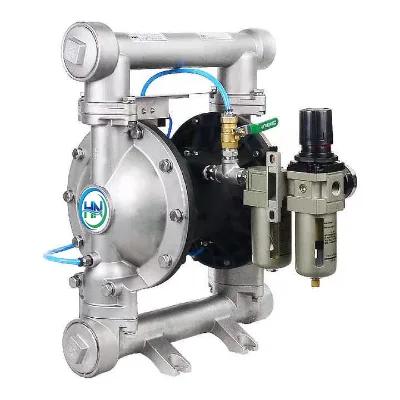


Comprehensive Sourcing Guide
Intelligent Solenoid Enamel Diaphragm Pump Sourcing Guide
Procuring an Intelligent Solenoid Enamel Diaphragm Pump requires distinguishing between standard pneumatic units and advanced electronic variants capable of precise flow control. The market offers diverse configurations, ranging from simple manual diaphragm pumps to complex systems featuring electronic types and field bus integration. Buyers must carefully evaluate whether the specific application demands the high flow rates observed in certain models, such as those reaching 1041 liters per minute, or if a smaller unit with a 1/4-inch porting option suffices. Understanding these distinctions is critical before initiating contact with potential suppliers to ensure the selected hardware aligns with operational throughput requirements.
The term "intelligent" in this context often implies the inclusion of solenoid valves, electronic control types, or field bus capabilities rather than purely mechanical operation. While many listed products are explicitly pneumatic and air-operated, the presence of intelligent features suggests a need for automated sequencing or remote monitoring. Sourcing teams should verify if the "enamel" coating mentioned in the core keyword applies to the pump body or if the product relies on stainless steel or aluminum alloy construction for chemical resistance. Clarifying the material composition and control mechanism early prevents mismatches between the procurement order and the actual delivered equipment, ensuring the system integrates seamlessly with existing automation infrastructure.
Product Scope and Observed Listing Signals
The observed product listings reveal a wide spectrum of diaphragm pump types, including specific models like the RD80 NEW PP and the RV15 Aluminum, which indicate variations in body material and construction. Some units are designed for heavy-duty chemical and paint coating applications, while others serve food processing needs, highlighting the versatility of the diaphragm pump category. Buyers should note that size specifications vary significantly, with options ranging from 1/4-inch to 3-inch ports, and that some models feature specific diaphragm materials like FPM or Neoprene to handle different fluid chemistries. This diversity necessitates a rigorous filtering process to isolate pumps that match the exact chemical and physical demands of the intended process.
Listing signals also indicate that packaging and origin play a role in the final product specification, with items often shipped in wooden cases or carton boxes from origins in Shanghai or Jiangsu. The presence of OEM capabilities suggests that customization is available for specific branding or configuration needs, allowing buyers to tailor the pump to unique installation constraints. However, the coexistence of different power sources, such as purely pneumatic units alongside electronic types, requires careful verification to ensure the "intelligent" aspect of the pump is not merely a marketing term but a functional reality. Procurement teams must cross-reference the listed model numbers with the actual technical datasheets to confirm the presence of the desired control features.
Technical Specifications to Verify
Technical verification must begin with the valve body type and power source, as the market contains both standard pneumatic diaphragm pumps and those with electronic or solenoid integration. Buyers should confirm whether the unit operates on a standard air supply or requires electrical power for its intelligent functions, noting that some models are explicitly described as air-operated with no-lube designs. The maximum pressure rating is another critical parameter, with observed data indicating limits around 8.6 bar for certain configurations, which must be compared against the system's operating pressure to prevent failure. Ensuring the power source matches the facility's infrastructure is essential for safe and reliable operation.
Flow rate and porting options are equally vital for sizing the correct pump for the application, with observed listings showing capacities up to 1041 liters per minute and porting options including NPT, BSPT, and flange connections. The diaphragm material, whether FPM, Neoprene, or another compound, dictates the chemical compatibility and must be selected based on the specific fluids being pumped. Additionally, the muffler options, ranging from standard to metal, and the air distribution valve design should be evaluated to ensure they meet noise control and maintenance requirements. A thorough review of these specifications prevents the selection of a pump that is either underpowered or incompatible with the process fluids.
Compliance and Safety Documentation
Compliance documentation is a non-negotiable aspect of sourcing, with many suppliers providing certifications such as ISO9001 and CE to demonstrate adherence to quality and safety standards. Some listings also reference ATEX and SGS certifications, which are crucial for applications involving explosive atmospheres or stringent safety regulations. Buyers must request and verify these certificates to ensure the pump meets the legal and safety requirements of their specific jurisdiction and industry sector. Relying on unverified claims can lead to regulatory violations and potential safety hazards in the workplace.
Beyond general certifications, specific documentation regarding the electrical and pneumatic components is necessary for intelligent solenoid pumps. The presence of field bus capabilities and electronic types implies a need for detailed electrical safety data and compatibility information with control systems. Buyers should also verify the warranty terms and after-sales service provisions, as these are often linked to the certification status and the supplier's commitment to product longevity. Ensuring that all safety and compliance documents are current and applicable to the specific model being purchased protects the organization from liability and operational downtime.
Cost Drivers and Commercial Terms
Cost drivers for intelligent solenoid enamel diaphragm pumps include the complexity of the control system, the materials used for the body and diaphragm, and the level of customization required. Models featuring electronic types and field bus integration typically command higher prices than standard pneumatic units due to the added engineering and component costs. The observed price range of 5 to 6000 USD reflects this variability, with higher costs associated with larger sizes, specialized materials like stainless steel, and advanced features such as no-leak performance guarantees. Understanding these factors helps buyers budget accurately and avoid unexpected expenses during the procurement process.
Commercial terms such as payment methods, minimum order quantities, and lead times are also significant considerations in the final cost analysis. The market shows payment options including T/T, L/C, and O/a, which offer flexibility but require careful financial planning. Minimum order quantities can range from 1 to 5 units, allowing for small-scale testing or larger bulk purchases depending on the project needs. Buyers should negotiate these terms to align with their cash flow and inventory strategies, ensuring that the total cost of ownership remains within the allocated budget while securing the necessary supply chain stability.
Supplier Qualification and Quality Control
Supplier qualification should focus on verifying the manufacturer's origin and their track record in producing high-quality diaphragm pumps. Many suppliers are located in China, specifically in regions like Shanghai and Jiangsu, which are known for their manufacturing capabilities. Buyers must assess the supplier's ability to provide consistent quality, as evidenced by their adherence to ISO9001 standards and their willingness to offer OEM services. A qualified supplier should be transparent about their production processes and capable of providing samples or detailed technical documentation to support the procurement decision.
Quality control measures are essential to ensure that the delivered pumps meet the specified performance criteria, such as the no-leak guarantee and the specified flow rates. Buyers should implement a rigorous inspection protocol that includes verifying the material composition, checking the diaphragm integrity, and testing the electronic or solenoid functions. The availability of aftersales spares and kits is also a key indicator of a supplier's commitment to long-term product support. Establishing a strong relationship with a supplier who prioritizes quality control ensures that the pumps will perform reliably over their intended lifespan.
Long-Term Procurement Checks
Long-term procurement checks involve monitoring the performance of the pumps over time to ensure they continue to meet operational requirements. Buyers should establish a schedule for regular maintenance and inspection, focusing on the diaphragm condition, valve performance, and the integrity of the electrical connections. The availability of replacement parts and the supplier's responsiveness to service requests are critical factors in maintaining system uptime. Proactive management of these checks helps identify potential issues before they lead to costly failures or production stoppages.
Additionally, buyers should periodically review the market for new technologies and improvements in diaphragm pump design that could enhance efficiency or reduce costs. Staying informed about advancements in intelligent control systems and material science allows organizations to make informed decisions about upgrades or replacements. Regular communication with suppliers regarding product updates and warranty terms ensures that the procurement strategy remains aligned with the evolving needs of the business. This continuous evaluation process supports a sustainable and efficient procurement lifecycle for intelligent solenoid enamel diaphragm pumps.
FAQs
What certifications are available for intelligent solenoid enamel diaphragm pumps?
These pumps typically hold ISO9001 and CE certifications. Some models also feature Atex and SGS certificates for hazardous environments. Verify specific documentation with the supplier to ensure compliance with your regional safety and quality standards before finalizing procurement.
Can these pumps handle chemical and food processing applications?
Yes, they are designed for chemical, paints, coatings, and food processing applications. The diaphragm materials, such as FPM or Neoprene, ensure resistance to various fluids. Confirm material compatibility with your specific fluid to guarantee long-term performance and safety.
What porting options are available for these diaphragm pumps?
Standard porting options include NPT, BSPT, and Flange connections. This flexibility allows integration into diverse piping systems. Select the appropriate fitting based on your existing infrastructure to ensure a secure and leak-free installation during the setup phase.
How is the packaging handled for international shipping?
Packing methods include wooden cases, carton boxes, or wooden boxes. Some wooden cases are fumigation-free to simplify customs clearance. Ensure the packaging protects the pump during transit and meets the import regulations of your destination country for smooth delivery.
What is the maximum pressure rating for these pneumatic pumps?
The maximum pressure rating is typically 8.6 bar. This capacity supports various industrial fluid transfer tasks. Always operate within the specified pressure limits to maintain the No Leak performance and extend the operational lifespan of the diaphragm and valve components.
Are customization and OEM services available for these pumps?
Yes, customization and OEM services are available. Manufacturers can adapt specifications to meet unique operational requirements. Discuss your specific needs with the supplier to ensure the final product aligns with your technical specifications and integrates seamlessly into your production workflow.