Source IP44 Glass Car Light Bulb with Button Switch for Cars, Trucks, Motorcycles
Compare 30 listings for the IP44 Glass Car Light Bulb with Button Switch from verified suppliers. Buyers can evaluate specifications like voltage, lifespan, and certifications to find suitable options for automotive lighting needs; compare the available evidence and request quotations based on your requirements.
Key considerations
Products List


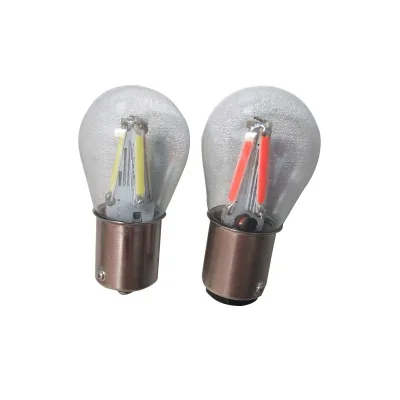
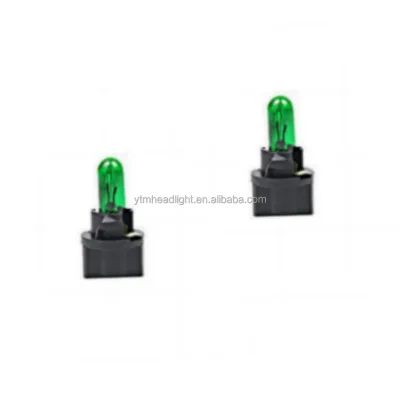
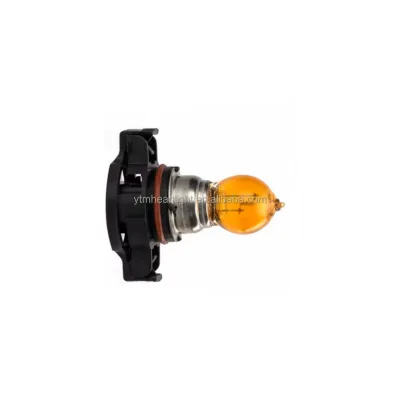
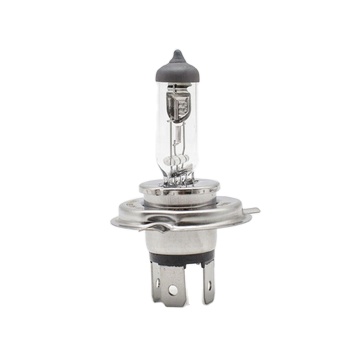
Auto Halogen Bulbs PSY24W 12V 24W Clear Car Turn Signal Bulbs Fog Lights
$1.25 - $1.50
MOQ: 5000 pieces
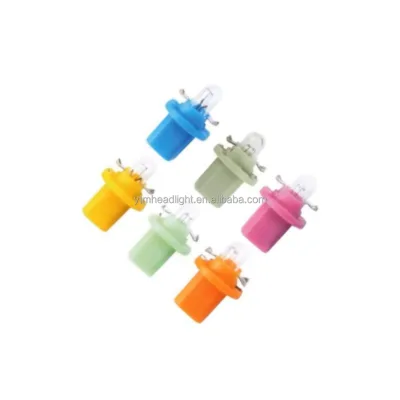
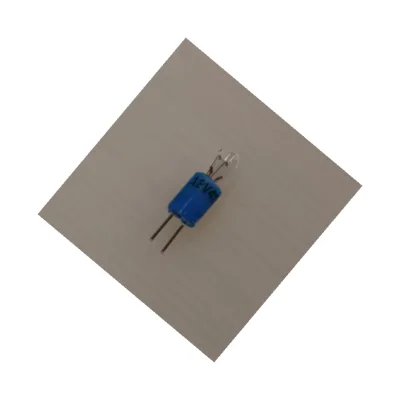


194 Car Bulb W5w 12V 5W Side Light Bulbs Number Plate All Glass Halogen Bulb Lamp
$0.03 - $0.04
MOQ: 10000 Pieces



Comprehensive Sourcing Guide
IP44 Glass Car Light Bulb with Button Switch Sourcing Guide
Sourcing automotive lighting components requires a careful balance between aesthetic customization and functional reliability. Buyers often seek specific form factors, such as glass bulbs with integrated switches, to enhance vehicle interior or exterior aesthetics. However, the market is fragmented with varying quality levels. This guide helps procurement professionals navigate the complexities of sourcing these specialized lighting solutions by focusing on verified technical attributes and commercial realities.
The procurement process must account for the diverse nature of available products. While some listings emphasize glass construction, others may utilize plastic or LED PCBs. It is crucial to distinguish between decorative accent lights and functional illumination sources. Understanding the specific application, whether for door puddle lights, under-dash illumination, or exterior marker lights, will dictate the necessary technical specifications and compliance requirements for the final product.
Product Scope and Observed Listing Signals
The observed market data reveals a wide variance in product definitions and specifications. Listings frequently display attributes such as halogen light sources, quartz glass materials, and specific dimensions like 8.5x36mm or 9x24.5mm. These physical characteristics suggest a mix of traditional filament bulbs and modern solid-state lighting solutions. Buyers must carefully review the material composition, as some products are explicitly labeled as LED while others claim halogen technology, impacting both performance and sourcing strategy.
Price and minimum order quantity (MOQ) signals indicate a flexible supply chain catering to different business scales. The observed price range spans from low-cost items to higher-tier options, with MOQs varying significantly from small batches of 10 units to larger orders of 10,000. This variability allows for both sample testing and bulk procurement. However, the presence of "customization available" attributes suggests that buyers may need to negotiate specific design changes, which could affect lead times and unit costs.
Technical Specifications to Verify
Voltage compatibility is a critical technical parameter that must be verified before placing orders. The supplied data indicates products operating at 12V, while others support a broader DC12V-24V range. This distinction is vital for vehicles with different electrical systems, including standard passenger cars and larger commercial trucks. Procurement teams must ensure that the selected bulbs match the vehicle’s electrical architecture to prevent damage or malfunction, especially when integrating components with button switches or specific control circuits.
Light output and durability metrics require close scrutiny to ensure long-term performance. Attributes such as a lifespan of 50,000 hours for LED variants and 500+ working hours for halogen types provide a baseline for expected service life. Additionally, verification of the IP rating, with some products claiming IP67, is essential for determining environmental resistance. Buyers should confirm the actual ingress protection level, as higher ratings are necessary for exterior applications exposed to moisture and dust, whereas interior components may have lower requirements.
Compliance and Safety Documentation
Certification status is a primary concern for automotive lighting procurement. The observed data lists E-mark and DOT certifications, which are critical for road-legal applications in various international markets. Buyers must request valid certification documents to verify that the products meet regional safety and performance standards. Without proper certification, products may be rejected at customs or deemed non-compliant for installation in regulated vehicles, leading to significant logistical and financial risks.
Additional standards such as CE, ROHS, and ISO are also mentioned in the product listings. These certifications indicate adherence to environmental and quality management principles. Procurement teams should verify the scope of these certifications, ensuring they cover the specific components being purchased. It is important to distinguish between general company certifications and product-specific approvals, as the latter are necessary for individual lighting units to be legally sold and installed in target markets.
Cost Drivers and Commercial Terms
The cost structure for these lighting components is influenced by material choices and manufacturing complexity. Products utilizing quartz glass or specific LED chips like SMD2016 may carry different price points compared to standard halogen bulbs. The presence of customization options, such as color variations or specific packaging, can also impact the final unit cost. Buyers should analyze the cost breakdown to understand how material quality and design modifications affect the overall procurement budget.
Commercial terms and packaging methods play a significant role in the total landed cost. The observed trade terms include EXW, FOB, and CIF, offering flexibility in logistics management. Packaging options range from anti-static bags to blister cards and color boxes, which can affect handling and storage requirements. Procurement teams should evaluate the total cost of ownership, including shipping, insurance, and potential damage risks, to select the most economical and secure commercial arrangement for their specific supply chain needs.
Supplier Qualification and Quality Control
Supplier location and production capacity are key factors in assessing reliability. The observed data indicates origins in Dongguan, China, a hub for electronic manufacturing. Buyers should verify the supplier’s production capabilities and quality control processes to ensure consistent output. Given the variability in product attributes, it is essential to confirm that the supplier can consistently meet the specified technical requirements, such as voltage stability and light output consistency, across large production runs.
Quality assurance measures, including guaranteed warranties and lifespan claims, provide insight into supplier confidence. The observed warranties of 12 months or one year under normal conditions suggest a baseline expectation for product durability. Procurement teams should establish clear quality acceptance criteria and inspection protocols. Regular audits or third-party testing may be necessary to validate claims regarding shock resistance, color temperature, and overall build quality, ensuring that the supplied products meet the required standards for automotive applications.
Long-Term Procurement Checks
Sustaining a reliable supply chain requires ongoing monitoring of product performance and supplier adherence. Buyers should implement a feedback loop to track field performance, noting any failures related to voltage sensitivity, color degradation, or switch malfunction. This data is crucial for identifying potential quality issues early and addressing them with the supplier. Continuous evaluation helps in maintaining high standards and ensures that the lighting components continue to meet the operational requirements of the end vehicles.
Strategic relationship management with suppliers can lead to better pricing and priority support. As the market evolves, staying informed about new technologies and compliance updates is essential. Buyers should maintain open communication with suppliers to discuss potential improvements, such as enhanced IP ratings or updated certifications. By fostering a collaborative partnership, procurement teams can secure a stable supply of high-quality lighting components that support long-term business objectives and customer satisfaction.
FAQs
What certifications do the car light bulbs have?
The car light bulbs possess E-mark and DOT certifications for compliance. These certifications ensure the products meet specific safety and performance standards required for automotive applications in various regions.
Can I customize the color of the light bulbs?
Customization is available for the light bulbs to meet specific buyer requirements. Buyers can select from various colors including white, yellow, blue, red, and green depending on the specific model and order details.
What is the guaranteed lifespan of these bulbs?
The bulbs offer a lifespan of 50000 hours under normal use conditions. Some specific models also list a guarantee of 12 months or 1 year when used in normal conditions as specified by the manufacturer.
Which voltage options are supported by the bulbs?
The bulbs support voltage options of 12V and DC12V-24V for flexible operation. This range allows the lights to function effectively in various vehicle electrical systems without requiring additional conversion equipment.
How is the product packaged for shipping?
Products are packaged in anti-static bags, blister cards, or carton boxes for protection. This packaging ensures the bulbs remain safe during transit and prevents damage from static electricity or physical impact.
What is the minimum order quantity for these bulbs?
The minimum order quantity is 100 pieces for standard orders. Small orders are also accepted, allowing buyers to test the product quality before committing to larger bulk purchases for their business needs.
Which materials are used to construct the bulbs?
The bulbs are constructed using LED and Quartz Glass materials for durability. These materials provide shock resistance and ensure the light source remains stable during operation in demanding automotive environments.