Source IP44 Waterproof COB Work Light for Construction, Garage, and Outdoor
Compare 30 IP44 Waterproof COB Work Light options from verified suppliers. Buyers can evaluate specifications like lumen output, battery type, and IP ratings to find suitable lighting for industrial, general, and outdoor applications; compare the available evidence and request quotations based on your requirements.
Key considerations
Products List


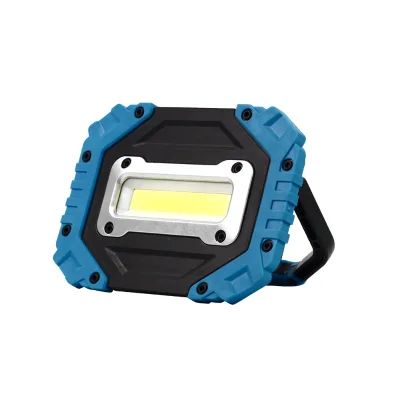
Work Light Portable LED Work Light, COB Flood Lights, Job Site Lighting
$2.40 - $2.75
MOQ: 1000 pieces


Comprehensive Sourcing Guide
IP44 Waterproof COB Work Light Sourcing Guide
Selecting the right IP44 Waterproof COB Work Light requires balancing rugged durability with precise optical performance for industrial and general applications. Buyers must understand that IP44 protection guards against splashing water from any direction, making these units suitable for workshops, garages, and outdoor maintenance tasks where dust and moisture are present but submersion is not expected. The COB (Chip on Board) technology typically offers a compact, high-intensity light source that reduces hotspots and provides uniform illumination, which is critical for detailed work environments.
Procurement teams should focus on verifying the specific construction materials and sealing methods used by manufacturers, as these factors directly influence the longevity of the fixture in harsh conditions. While many listings advertise IP44 ratings, actual performance can vary based on the quality of gaskets, lens seals, and housing integrity. It is essential to request detailed technical datasheets that confirm the ingress protection rating through independent testing, ensuring that the product meets the rigorous demands of your specific operational environment without premature failure.
Product Scope and Observed Listing Signals
Market analysis reveals a diverse range of work lights with varying power outputs, battery configurations, and form factors, indicating a broad supplier base catering to different budget and performance tiers. Observed listings show models with power consumption ranging from low-wattage portable units to higher-output industrial fixtures, with prices reflecting these differences in component quality and feature sets. Buyers should note that some products utilize dry batteries for portability, while others rely on built-in rechargeable cells or direct AC input, each presenting distinct logistical and operational considerations for long-term use.
The physical specifications of available units vary significantly, with dimensions and weights tailored to either handheld convenience or stationary mounting requirements. For instance, some compact models weigh around 100 grams and feature magnetic bases for quick attachment to metal surfaces, whereas heavier units exceeding 300 grams may offer enhanced heat dissipation and stability for continuous operation. Understanding these physical attributes helps buyers align product selection with their specific workflow needs, ensuring that the chosen light source integrates seamlessly into existing safety and operational protocols without causing ergonomic strain or installation difficulties.
Technical Specifications to Verify
When evaluating COB work lights, verifying the lumen output and color temperature is crucial for ensuring adequate visibility and accurate color rendering in work environments. Buyers should confirm that the stated lumens correspond to real-world performance, as marketing claims can sometimes exceed actual measured output. Additionally, checking the color rendering index (CRI) is important for tasks requiring precise color discrimination, with higher CRI values providing more natural light representation. The operating time and charging specifications also need careful review to ensure the battery life supports the duration of typical shifts or projects without frequent recharging interruptions.
Sealing integrity and material composition are equally critical technical factors that determine the lifespan of the light in wet or dusty conditions. Procurement teams must verify the specific IP rating claims, such as IP44 or higher, and inspect the housing materials, such as ABS or nylon with TPR grips, for durability and impact resistance. It is also advisable to check for additional features like adjustable stands, hooks, or magnetic mounts, which enhance versatility and ease of use. Confirming these details through product samples or detailed engineering drawings helps prevent mismatches between expected and actual performance in the field.
Compliance and Safety Documentation
Ensuring that work lights meet relevant safety and environmental standards is a non-negotiable aspect of responsible procurement. Buyers should request certification documents, such as CE and RoHS marks, which indicate compliance with European health, safety, and environmental protection standards. These certifications provide assurance that the product has undergone necessary testing for electrical safety, electromagnetic compatibility, and restriction of hazardous substances. Verifying these documents helps mitigate legal and liability risks, particularly when deploying equipment in regulated industries or international markets with strict compliance requirements.
Beyond basic certifications, buyers should inquire about additional testing reports, such as IP rating verification and thermal performance assessments, to validate the manufacturer’s claims. These reports offer independent confirmation that the product performs as advertised under specified conditions, reducing the risk of premature failure or safety hazards. It is also important to check for warranty terms and after-sales support policies, which reflect the manufacturer’s confidence in their product quality. A robust warranty and responsive support structure can significantly reduce total cost of ownership by minimizing downtime and replacement costs.
Cost Drivers and Commercial Terms
The total cost of ownership for IP44 waterproof COB work lights is influenced by several factors, including material quality, battery capacity, and certification requirements. Higher-quality materials and more robust sealing mechanisms typically increase the unit price but offer greater durability and longer service life. Buyers should evaluate the trade-off between initial purchase price and long-term reliability, considering that cheaper units may require more frequent replacement or repair, ultimately increasing overall costs. Additionally, the type of battery and charging system can impact both the upfront cost and the ongoing operational expenses.
Commercial terms, such as minimum order quantities (MOQ) and lead times, also play a significant role in procurement planning. Suppliers may offer tiered pricing based on volume, allowing buyers to negotiate better rates for larger orders. However, it is essential to balance cost savings with inventory management capabilities, as excessive stock can tie up capital and increase storage costs. Buyers should also consider shipping and logistics costs, which can vary significantly depending on the weight and dimensions of the products. Clear communication with suppliers regarding these terms helps ensure accurate budgeting and timely delivery.
Supplier Qualification and Quality Control
Selecting a reliable supplier is critical for ensuring consistent product quality and timely delivery. Buyers should conduct thorough due diligence on potential suppliers, including verifying their business licenses, manufacturing capabilities, and quality management systems. Requesting references from existing clients and reviewing online feedback can provide valuable insights into the supplier’s reputation and reliability. It is also advisable to visit the manufacturing facility, if possible, to assess their production processes, quality control measures, and overall operational efficiency.
Implementing a robust quality control process is essential for maintaining product standards and minimizing defects. Buyers should establish clear quality specifications and inspection criteria, which should be communicated to the supplier before production begins. Conducting pre-shipment inspections or hiring third-party inspection services can help identify and address any quality issues before the products are shipped. Additionally, establishing a clear communication channel for addressing any post-delivery issues ensures that problems are resolved quickly and efficiently, maintaining trust and satisfaction with the supplier.
Long-Term Procurement Checks
Regularly reviewing supplier performance and product quality is essential for maintaining a successful procurement strategy. Buyers should track key performance indicators, such as delivery times, defect rates, and customer satisfaction, to identify areas for improvement. Conducting periodic audits of the supplier’s quality management system and production processes can help ensure ongoing compliance with agreed-upon standards. This proactive approach allows buyers to address potential issues before they escalate, maintaining a stable and reliable supply chain.
Staying informed about industry trends and technological advancements is also crucial for long-term procurement success. Buyers should monitor developments in LED technology, battery efficiency, and materials science to identify opportunities for improving product performance and reducing costs. Engaging with suppliers to discuss future product roadmaps and innovation plans can help align procurement strategies with evolving market demands. By continuously evaluating and adapting to changes in the market, buyers can ensure that their procurement decisions remain competitive and aligned with organizational goals.
FAQs
What certifications do these IP44 waterproof COB work lights have?
These lights carry CE and RoHS certifications to ensure safety and environmental compliance. The product data confirms CE marking is present on multiple models, while RoHS certification is also listed for specific units to meet regulatory standards for hazardous substances.
How long does the battery last on the rechargeable models?
Rechargeable models typically offer a working time between three to six hours depending on usage. Specific data indicates a range of three to five hours for some units, while others support up to six hours of continuous operation on a full charge.
Which surface materials are used for the IP44 waterproof work lights?
Manufacturers use durable materials like ABS plastic or a combination of Nylon and TPR for the surface. These materials provide the necessary structural integrity and resistance required for industrial and general applications while maintaining the IP44 waterproof rating effectively.
Can I find these lights with adjustable stands or hooks?
Yes, many models feature adjustable stands or hooks for versatile positioning. Some units include a 180-degree adjustable stand, while others come equipped with a hook or a magnet at the bottom to secure the light in various work environments.
What is the typical lumen output for these COB work lights?
Lumen output varies by model, ranging from 150 lumens to 750 lumens. Lower power units produce around 150 lumens, while higher power variants can reach 750 lumens, providing sufficient brightness for different industrial and general lighting needs.
Where are these IP44 waterproof COB work lights manufactured?
These products originate from Zhejiang, China, as indicated by the product origin data. The manufacturing location is consistently listed as Zhejiang for the models reviewed, ensuring a specific supply chain origin for these lighting solutions.
What is the minimum order quantity for these work lights?
The minimum order quantity ranges from one unit up to 5000 units depending on the supplier. Buyers can find options starting at a single piece for testing or larger quantities for bulk procurement, offering flexibility for different business needs.