Source IP65 Digital Tablet Friability Tester for Metal, Ceramics, Glass
Compare 30 listings for the IP65 Digital Tablet Friability Tester suitable for medical, metal, and ceramics applications. Buyers can evaluate specifications like rotation speed, precision, and warranty terms across multiple suppliers in China.
Key considerations
Products List


Automatic Tablet Friability Tester for Detecting Friability Abrasion Tablet Hardness Tester
$420.00 - $1800.00
MOQ: 10 Pieces


$450.00 - $600.00
MOQ: 1 Pieces


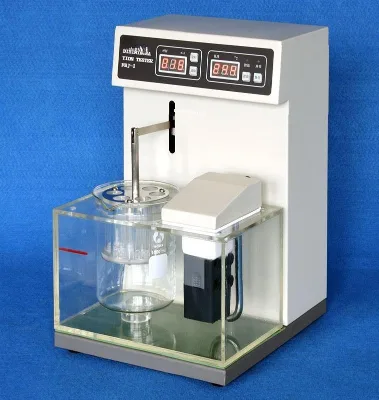


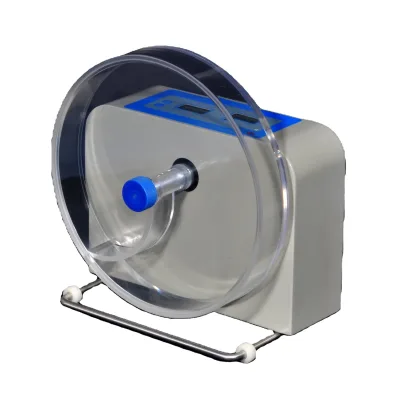

CS-2 Dual Drum Tablet Friability Tester
$500.00 - $800.00
MOQ: 1 Pieces
Liaoyang Bright Shine Pharmaceutical Machinery Imp & Exp Co., Ltd.


Biobase Detecting Friability/ Abrasion of Tablet Tablet Friability Tester
$120.00 - $610.00
MOQ: 1 Pieces


Comprehensive Sourcing Guide
IP65 Digital Tablet Friability Tester Sourcing Guide
Sourcing a digital tablet friability tester requires a careful balance between mechanical precision, environmental protection, and regulatory compliance. The core keyword "IP65 Digital Tablet Friability Tester" points to a specific class of pharmaceutical testing equipment designed to measure the physical durability of compressed tablets. Buyers must understand that while the "IP65" rating suggests robust environmental sealing, the actual internal mechanics and digital interface capabilities vary significantly across suppliers. This guide provides a structured approach to evaluating these instruments, ensuring that procurement decisions are based on verified technical specifications rather than marketing terminology alone.
The procurement process for this equipment is not merely about purchasing a machine but about securing a reliable tool for quality assurance in pharmaceutical manufacturing. A friability tester is critical for determining whether tablets can withstand handling, packaging, and shipping without breaking or losing mass. The digital aspect of the device implies automated data logging and precise control over test parameters, which is essential for maintaining consistency in production lines. However, buyers must verify that the digital interface is indeed integrated with the mechanical drum and that the IP65 rating applies to the entire unit or specific components, as this distinction affects maintenance and longevity.
Product Scope and Observed Listing Signals
The market for tablet friability testers includes a range of models, from basic mechanical units to advanced computerized systems. Observed listing signals indicate that products in this category often feature digital displays and automated rotation controls. For instance, specific models such as the CS-1 and CS-2 are identified in current market data, with origins in cities like Tianjin and Shanghai in China. These listings often highlight features such as digital displays, precision engineering, and specific mechanical dimensions, such as a cylinder diameter of 286mm and a depth of 39mm. Buyers should note that while some listings claim "IP65" protection, others may only offer standard industrial protection, making it crucial to cross-reference the IP rating with the actual product specifications provided by the supplier.
Price ranges for these devices can vary widely, with observed listings showing prices from approximately $99 to over $2,200 USD. This disparity often reflects differences in build quality, the sophistication of the digital control system, and the inclusion of additional features like computer connectivity or advanced calibration. Minimum Order Quantities (MOQ) are typically low, ranging from 1 to 10 units, which is standard for specialized laboratory equipment. Buyers should be cautious of listings that appear unusually cheap, as they may lack the necessary digital precision or environmental sealing required for rigorous pharmaceutical testing. The presence of a "Digital Tablet Friability Tester" standard in some listings suggests a baseline for functionality, but buyers must verify that the specific model meets their operational needs.
Technical Specifications to Verify
When evaluating a digital tablet friability tester, the mechanical parameters of the drum are paramount. Key specifications to verify include the tablet fall height, rotation speed, and rotation count accuracy. Trusted category knowledge and observed data suggest that a fall height of 156mm is a common standard, allowing tablets to drop freely within the drum to simulate handling stress. The rotation speed should be adjustable, typically ranging from 20 to 90 RPM, to accommodate different tablet formulations and sizes. Additionally, the rotation count accuracy is critical for reproducible results; a tolerance of +/-1 revolution is often cited as a benchmark for high-precision instruments. Buyers must ensure that the digital interface accurately reflects these mechanical actions and allows for precise setting and monitoring of these parameters.
The digital and control aspects of the tester are equally important for modern quality control workflows. Buyers should verify whether the device is computerized or operates as a standalone digital unit. Some models, such as the CS-1, are described as non-computerized, relying on internal digital displays, while others may offer full computer control for data export and analysis. The power source is typically AC220V, but buyers must confirm compatibility with their local electrical infrastructure. Furthermore, the loading method, whether dynamic or mechanical, affects how stress is applied to the tablets. A dynamic load system may provide more realistic simulation of handling, while a mechanical load might be simpler and more robust. Verifying these details ensures that the tester aligns with the specific testing protocols required by the buyer’s quality assurance team.
Compliance and Safety Documentation
Compliance with international standards is a non-negotiable aspect of sourcing pharmaceutical testing equipment. The ISO standard is frequently referenced in product listings, indicating that the manufacturer adheres to recognized quality management principles. However, buyers must verify that the specific model complies with relevant pharmacopeial standards, such as USP <1216> or EP 2.9.9, which dictate the methodology for friability testing. The IP65 rating itself is a certification of ingress protection, ensuring that the device is dust-tight and protected against water jets from any direction. This is particularly important in laboratory environments where cleaning and disinfection are routine. Buyers should request documentation that confirms the IP rating was tested according to IEC 60529 standards to ensure the claim is valid and not merely a marketing assertion.
Safety and regulatory documentation extend beyond environmental protection to include electrical safety and data integrity. The device should come with a certificate of conformity for electrical safety, ensuring that it meets local and international electrical codes. For digital models, data integrity is crucial; buyers should verify that the device complies with 21 CFR Part 11 if electronic records and signatures are required for regulatory submissions. The warranty period, often listed as one year, provides a baseline for support, but buyers should inquire about the availability of spare parts and technical support. Additionally, the condition of the device, whether new or used, must be clearly stated, as used equipment may have worn components that affect testing accuracy. Ensuring that all compliance documents are up-to-date and verifiable is essential for maintaining regulatory standing.
Cost Drivers and Commercial Terms
The cost of a digital tablet friability tester is influenced by several factors, including the complexity of the digital control system, the materials used in construction, and the level of customization available. Models with advanced computerized interfaces and high-precision sensors tend to be more expensive than those with basic digital displays. The IP65 rating also adds to the cost, as it requires additional sealing and protective measures. Buyers should consider the total cost of ownership, which includes maintenance, calibration, and potential downtime. While the initial price may be a significant factor, the reliability and accuracy of the device are more critical for long-term operational efficiency. It is advisable to request detailed quotes that break down the cost of the base unit, any optional accessories, and shipping fees.
Commercial terms such as payment methods, delivery times, and after-sales support are also key considerations. Suppliers may offer different payment terms, such as advance payment or letters of credit, depending on the order value and the buyer’s location. Lead times can vary based on the manufacturer’s production schedule and the availability of stock. Buyers should clarify whether the quoted price includes installation and training services, which are valuable for ensuring that staff can operate the device correctly. The warranty terms should be reviewed carefully, including what is covered and the process for claiming repairs or replacements. Negotiating favorable commercial terms can reduce the overall risk of the procurement and ensure a smoother integration of the new equipment into the laboratory workflow.
Supplier Qualification and Quality Control
Selecting a qualified supplier is critical to ensuring the reliability and performance of the tablet friability tester. Buyers should verify the supplier’s manufacturing capabilities and quality control processes. Suppliers based in China, such as those in Tianjin and Shanghai, may have varying levels of expertise and quality assurance. It is important to request information about the supplier’s ISO certification and any other relevant quality management standards they adhere to. Buyers should also inquire about the testing procedures used before shipment, including calibration checks and functional tests. A reputable supplier will provide a certificate of calibration and a detailed test report for each unit, ensuring that the device meets the specified performance criteria.
Quality control extends to the supplier’s ability to provide consistent products and support. Buyers should assess the supplier’s track record in the pharmaceutical equipment market, looking for reviews or references from other clients. The availability of technical support and spare parts is also a key indicator of supplier reliability. Suppliers that offer comprehensive training and documentation are more likely to ensure that the buyer can effectively use and maintain the equipment. Additionally, buyers should verify the supplier’s ability to handle customization requests, as some laboratories may have specific requirements for the tester’s configuration. Establishing a strong relationship with a qualified supplier can facilitate future purchases and ensure ongoing support for the equipment.
Long-Term Procurement Checks
Long-term procurement success depends on regular maintenance and periodic re-evaluation of the testing equipment. Buyers should establish a preventive maintenance schedule that includes cleaning, calibration, and inspection of critical components such as the drum and the digital display. The IP65 rating helps protect the device from environmental damage, but regular checks are still necessary to ensure that seals and gaskets remain intact. Calibration should be performed according to the manufacturer’s recommendations and relevant regulatory requirements to maintain the accuracy of the test results. Buyers should keep detailed records of all maintenance and calibration activities, as these records may be required for regulatory audits.
As technology evolves, buyers should periodically review their testing needs and consider whether their current equipment remains adequate. Advances in digital technology may offer new features such as enhanced data analysis, cloud connectivity, or improved user interfaces. Buyers should stay informed about industry trends and new product developments to ensure that their testing capabilities remain competitive. Additionally, changes in regulatory standards may require updates to testing protocols or equipment. By maintaining a proactive approach to equipment management and staying engaged with industry developments, buyers can ensure that their tablet friability testing remains accurate, compliant, and efficient over the long term.
FAQs
What is the warranty period for the digital tablet friability tester?
The warranty period is one year for the digital tablet friability tester. This coverage applies to the CS-1 and CS-2 models, ensuring reliability for medical and pharmaceutical applications during the initial operational phase.
Can the device operate with a 220V power source?
Yes, the device operates with a 220V power source. This rated voltage ensures compatibility with standard industrial electrical systems in regions like China, supporting both computerized and non-computerized configurations for various testing needs.
Which specifications define the cylinder dimensions of the tester?
The cylinder dimensions include a diameter of 286mm and a depth of 39mm. These specific measurements are critical for the tablet fall height of 156mm, ensuring accurate friability testing results for pharmaceutical tablets.
How is the rotation speed controlled on the machine?
The rotation speed is controlled within a range of 20 to 90 RPM. This adjustable speed allows for precise testing of different tablet types, with a rotation count accuracy of plus or minus one revolution for consistent data.
What is the condition of the available units?
Available units come in both new and used conditions. Buyers can select from new equipment for immediate deployment or used units, depending on their budget and specific operational requirements for medical device testing.
Which customization options are available for the equipment?
Customization is available for certain models, while others are non-customized. This flexibility allows buyers to tailor specific features to their production lines, ensuring the equipment meets unique pharmaceutical or medical testing standards.
Where are the products manufactured and shipped from?
Products are manufactured in China, specifically from Tianjing City and Shanghai. This origin ensures access to established manufacturing capabilities while maintaining compliance with ISO standards for quality and safety in medical instrument production.