Source IP65 Waterproof Car Wash Light for Garage, Tunnel, and Outdoor Use
Find 30 IP65 Waterproof Car Wash Light options for garage, tunnel, and outdoor applications. Compare specifications including IP65/IK08 ratings, aluminum+PC materials, and various control protocols to select the right lighting solution for your project; compare the available evidence and request quotations based on your requirements.
Updated
Key considerations
Products List

Waterproof Hexagonal LED Car Wash Light for Auto Detailing and Cleaning Station
$22.00 - $29.00
MOQ: 1 Square Meters

Waterproof Integrated Hexagon Car Wash Light Kit for Wet Detailing Work Zones
$22.00 - $29.00
MOQ: 1 Square Meters

Reliable Car Wash Light Tunnel LED Work Light for Professional Workshop
$160.00 - $172.00
MOQ: 2 Pieces

Shock Resistant Hex LED Workshop Lighting Specially for Car Wash Working Area
$22.00 - $29.00
MOQ: 1 Square Meters
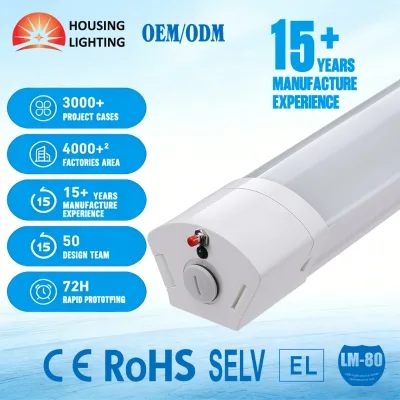

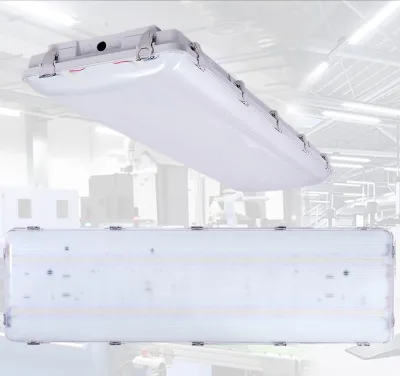
Emergency Battery IP69K Waterproof UL Listed Tri-Proof Light for Car Wash
$28.00 - $29.00
MOQ: 10 Pieces
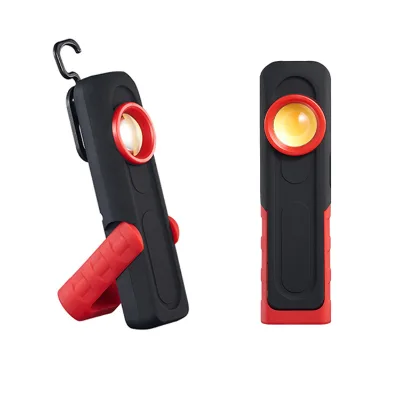
Portable Car Wash LED Work Light Magnetic Flashlight Car Paint Finish Repair Lamp
$5.4424 - $7.0746
MOQ: 1 pieces
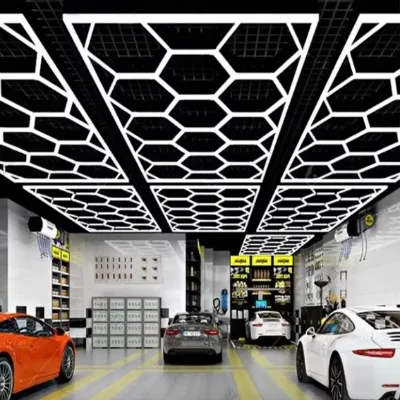
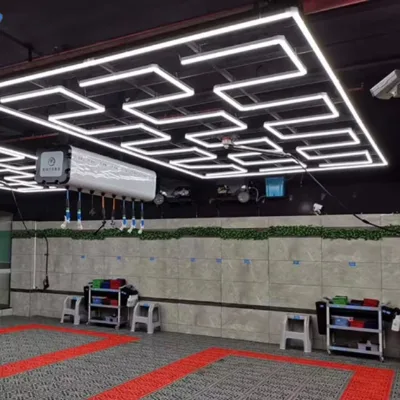
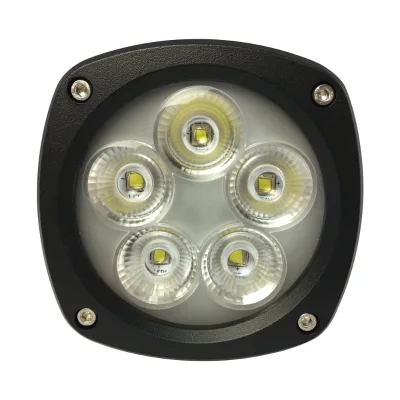
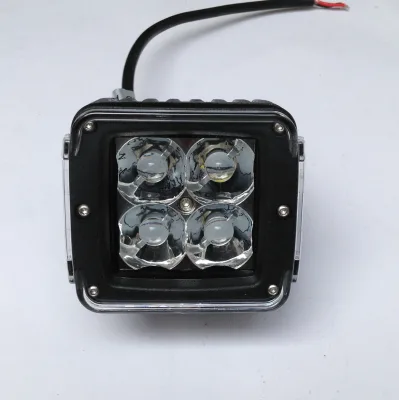


OEM High Lumen Working Light for Car Wash Workshop LED Light Showroom Lights
$153.00 - $195.00
MOQ: 1 Pieces


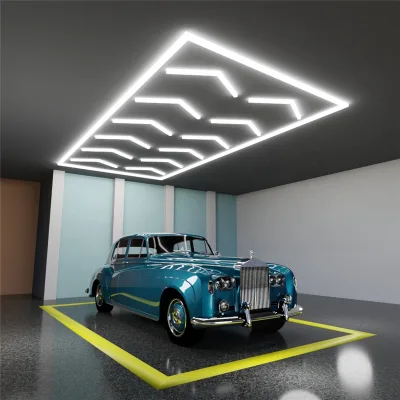
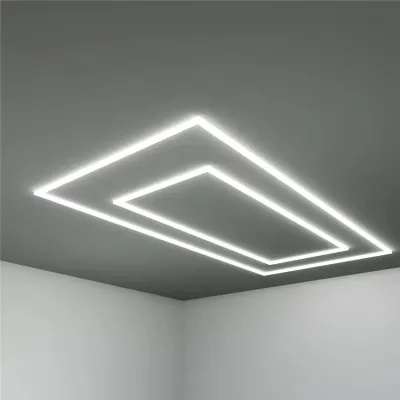
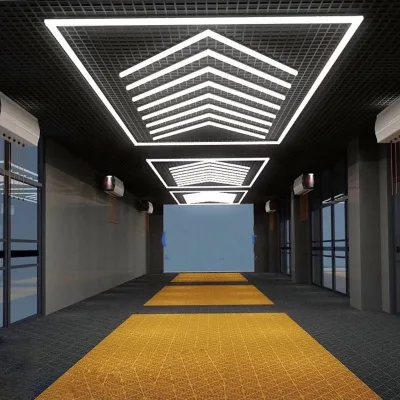
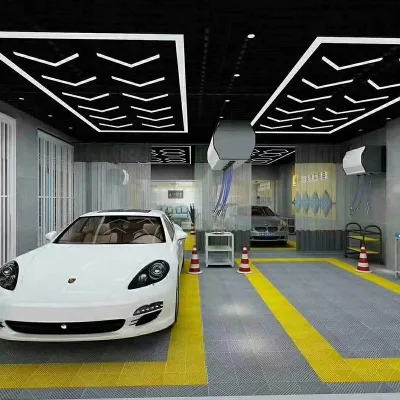
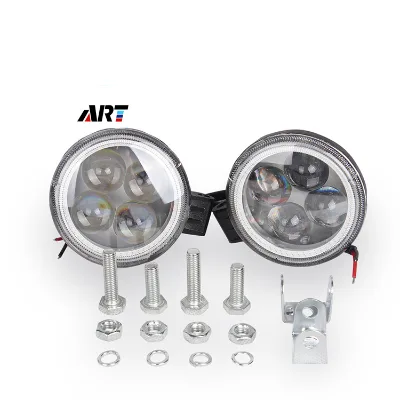
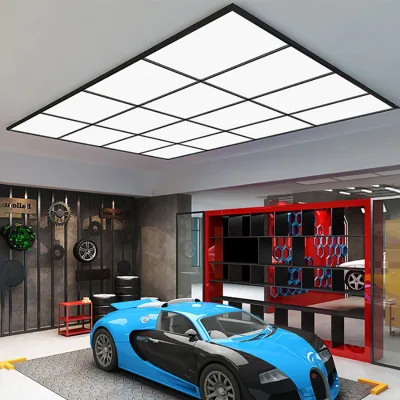
$48.6724 - $382.0949
MOQ: 10 Minimum
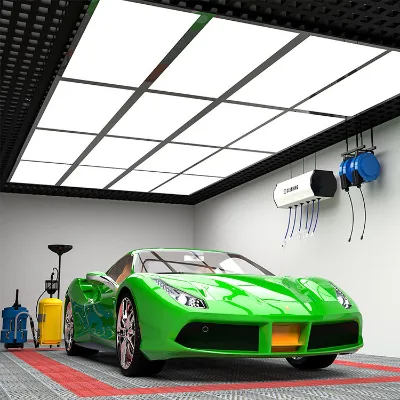
Comprehensive Sourcing Guide
IP65 Waterproof Car Wash Light Sourcing Guide
Sourcing lighting for high-moisture environments like car washes requires strict adherence to ingress protection standards to ensure operational safety and longevity. Buyers must prioritize fixtures that explicitly meet IP65 ratings, which guarantee complete dust tightness and protection against low-pressure water jets from any direction. This specific rating is critical for areas where high-pressure cleaning equipment is routinely used, as it prevents water ingress that could lead to short circuits, corrosion, or electrical hazards. Without this verification, fixtures may fail prematurely, leading to costly downtime and safety liabilities in a wet, industrial setting.
Beyond basic waterproofing, the structural integrity of the housing material plays a pivotal role in withstanding the harsh chemical and physical environment of a car wash. Aluminum alloy housings with polycarbonate covers are commonly observed in industrial listings, offering a balance of thermal dissipation and impact resistance. Procurement teams should verify that the polycarbonate material is rated for high impact, such as IK08, to resist damage from moving vehicles or cleaning tools. Additionally, the choice of LED chips, such as Epistar or CREE, influences long-term lumen maintenance and color consistency, which are vital for maintaining clear visibility in a busy facility.
Product Scope and Observed Listing Signals
The current market for industrial LED lighting reveals a diverse range of products, including honeycomb lights, tunnel lights, and tri-proof linear lights, many of which are marketed for general or specialized applications. Observed listings indicate a price range from approximately $5.44 to $410 USD, reflecting significant variation in build quality, component sourcing, and feature sets. Buyers should note that while some products are labeled for general use, their suitability for car wash environments depends heavily on specific certifications and material grades rather than generic application tags. The presence of keywords like "hexagonal LED light" or "tunnel light" suggests that form factor and mounting style are key differentiators in this category.
Minimum Order Quantities (MOQ) for these products typically range from 1 to 100 units, providing flexibility for both small-scale renovations and large-scale fleet installations. This variability allows buyers to test samples before committing to bulk orders, which is a prudent strategy for verifying performance in actual wet conditions. The observed product count of 30 items indicates a competitive supplier base, but it also necessitates careful filtering to distinguish between genuine industrial-grade fixtures and consumer-grade alternatives. Buyers must scrutinize product names and descriptions to ensure that the listed IP ratings and material compositions align with the rigorous demands of a car wash environment.
Technical Specifications to Verify
When evaluating technical specifications, the working voltage and power consumption are primary considerations for integration into existing electrical systems. Many observed products support dual voltage inputs of 220V or 110V, which simplifies deployment across different regional standards without requiring complex transformers. Power ratings for linear and tunnel-style fixtures often fall between 21W and 30W, offering efficient illumination for wide areas. Buyers should verify the beam angle, with options like 120 degrees or 270 degrees available, to ensure adequate light distribution without creating dark spots or excessive glare in reflective wet environments.
Thermal management and lifespan are equally critical for maintaining consistent performance over time. Products with aluminum alloy bodies and PC covers typically offer superior heat dissipation, which extends the lifespan of the LED chips. Observed data suggests lifespans ranging from 50,000 to 100,000 hours, with some models specifying L80B10 metrics at 25°C. Buyers must confirm the operating temperature range, ideally covering -20°C to 40°C, to ensure reliability in varying climatic conditions. Additionally, verifying the color temperature, such as pure white or cool white at 6500K, helps in selecting fixtures that provide optimal visibility for safety and operational efficiency.
Compliance and Safety Documentation
Compliance with international safety and environmental standards is non-negotiable for industrial lighting in wet environments. Buyers must request documentation for certifications such as CE, RoHS, EMC, LVD, and VDE, which indicate adherence to European and global safety directives. The presence of ETL and REACH certifications further validates the product's compliance with electrical safety and chemical restriction standards. These documents are essential for insurance purposes and regulatory audits, ensuring that the installed lighting does not pose a fire or electrical hazard. Without these certifications, the risk of non-compliance penalties and operational shutdowns increases significantly.
In addition to electrical safety, buyers should verify that the materials used in the fixture construction meet fireproof and environmental standards. The use of 94V0 fireproof PC housing and extruded 6063 aluminum board is a positive indicator of material quality and safety. Buyers must ensure that the supplier provides test reports confirming the IP65 rating and IK08 impact resistance, as these are critical for withstanding the physical stresses of a car wash. Requesting detailed compliance certificates for each batch of products ensures that the quality remains consistent and that the fixtures meet the specific regulatory requirements of the installation location.
Cost Drivers and Commercial Terms
The cost of IP65 waterproof car wash lights is influenced by several factors, including the quality of LED chips, the robustness of the housing material, and the complexity of the driver circuitry. Products featuring high-efficiency Epistar or CREE chips and advanced drivers with dimming capabilities tend to command higher prices. The observed price range of $5.44 to $410 USD reflects this disparity, with higher-priced items often offering additional features like sensor integration, emergency functions, or linkable designs. Buyers should balance initial cost against long-term value, considering energy savings and reduced maintenance frequency when evaluating total cost of ownership.
Commercial terms such as warranty and customization options also play a significant role in the procurement decision. A standard 3-year warranty is commonly offered, providing protection against early failures and defects. Buyers should negotiate for extended warranty periods or clear terms for replacement parts to mitigate long-term risks. Customization options, such as specific lengths, color temperatures, or controller compatibility (e.g., DMX, Artnet), can add value but may increase lead times and costs. Understanding these variables helps buyers make informed decisions that align with their budget and operational requirements.
Supplier Qualification and Quality Control
Selecting a reliable supplier is crucial for ensuring the quality and consistency of IP65 waterproof car wash lights. Buyers should verify the supplier's manufacturing capabilities, including their production capacity and quality control processes. Suppliers based in China, as indicated by the origin data, often have established supply chains for LED components and aluminum extrusions. However, buyers must conduct due diligence to ensure that the supplier adheres to strict quality standards and provides consistent product performance. Requesting factory audits or third-party inspection reports can provide additional assurance of manufacturing quality.
Quality control measures should include rigorous testing for IP ratings, electrical safety, and thermal performance. Buyers should inquire about the supplier's testing protocols, such as random sampling rates and failure analysis procedures. Additionally, verifying the supplier's ability to provide technical support and after-sales service is essential for resolving any issues that may arise post-installation. Suppliers that offer lighting design services, such as Dialux Evo layouts, can provide added value by ensuring optimal fixture placement and performance. Establishing a strong relationship with a qualified supplier ensures a steady supply of high-quality fixtures and reliable support.
Long-Term Procurement Checks
Long-term procurement success depends on continuous monitoring of product performance and supplier reliability. Buyers should establish key performance indicators (KPIs) for fixture lifespan, energy consumption, and maintenance frequency to evaluate the effectiveness of the installed lighting. Regular audits of the lighting system can help identify any emerging issues, such as flickering or reduced brightness, which may indicate underlying quality problems. Maintaining open communication with the supplier allows for timely resolution of defects and ensures that any necessary updates or improvements are implemented promptly.
Furthermore, buyers should stay informed about advancements in LED technology and industry standards to ensure that their procurement strategies remain competitive. Regularly reviewing supplier certifications and compliance documentation helps maintain adherence to evolving regulatory requirements. By prioritizing quality, compliance, and supplier reliability, buyers can secure a lighting solution that meets the demanding conditions of a car wash environment while minimizing long-term costs and operational disruptions. This proactive approach ensures that the investment in IP65 waterproof car wash lights delivers sustained value and safety for the facility.
FAQs
What certifications are available for these lights?
These lights feature CE, EMC, LVD, RoHS, and VDE certifications. Some listings also mention CREE, ETL, and REACH compliance. These standards ensure electrical safety and environmental compliance for international B2B procurement. Buyers should verify specific certificate validity with the supplier before finalizing orders to meet local regulatory requirements.
Can these lights be customized for specific projects?
Yes, customization is available for these lighting products. Buyers can request specific dimensions, color temperatures, or control protocols like DMX or Artnet. This flexibility supports tailored lighting solutions for commercial or industrial applications. Contact suppliers directly to discuss custom requirements and confirm feasibility for your specific project needs.
What is the typical lifespan of these LED lights?
The lifespan is typically rated at 50,000 hours or up to 100,000 hours at 25°C. This durability ensures long-term reliability for general or tunnel lighting applications. The L80B10 metric indicates high performance over time. Buyers should confirm the exact lifespan rating with the supplier for their specific model.
Which control systems are supported by these lights?
These lights support various controllers including T1000s, K1000c, T-300K, Arduino, Glediator, DMX, and Artnet. This wide compatibility allows integration into complex lighting control systems. Buyers can choose the appropriate controller based on their project requirements. Ensure the selected controller matches the specific product model for optimal performance.
What materials are used in the construction of these lights?
The lamp bodies are typically made from aluminum alloy or extruded 6063 aluminum boards. The covers often use high-quality 94V0 fireproof PC or aluminum plus PC materials. These materials provide durability and heat dissipation. Buyers should verify the exact material composition with the supplier to ensure it meets their structural requirements.
What is the minimum order quantity for these products?
The observed MOQ range is 1 to 100 units. This flexibility allows buyers to order small quantities for testing or larger volumes for projects. The exact MOQ depends on the specific product model and supplier. Buyers should confirm the MOQ with the supplier to understand pricing tiers and production constraints.