Source Portable Camping Headlight for Hiking, Mining, and Emergency
Source a Portable Camping Headlight from 30 verified options. Compare models with 20-350 lumens, IP-rated waterproofing, and 1-year warranties. Ideal for hiking, mining, and emergency lighting needs. These units feature adjustable headbands, magnetic bases, and multiple flash modes for reliable performance in various outdoor conditions.
Updated
Key considerations
Products List
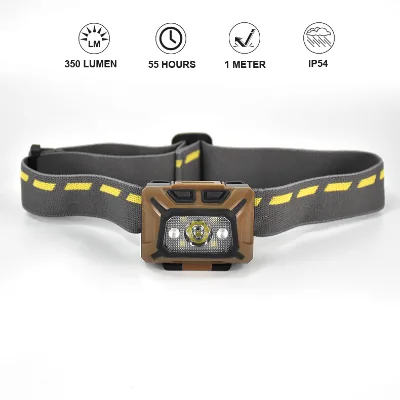


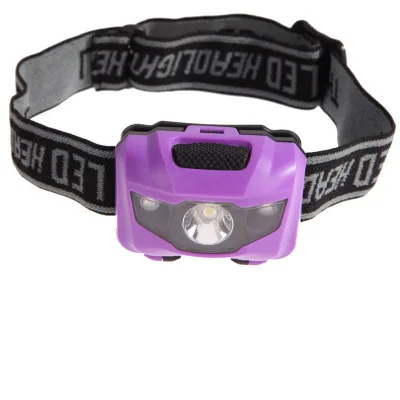


Flashlight Adjustable Camp Zoom 18650 Rechargeable Headlight LED Headlamp
$0.95 - $1.80
MOQ: 500 Pieces
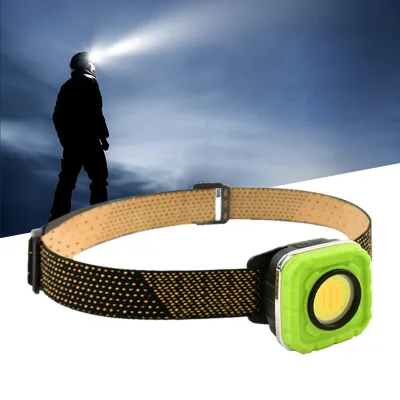
Led Headlamp Outdoor Camping Trip Rechargeable Head Lamp Waterproof Led Headlamp
$4.8665 - $5.4873
MOQ: 100 pieces


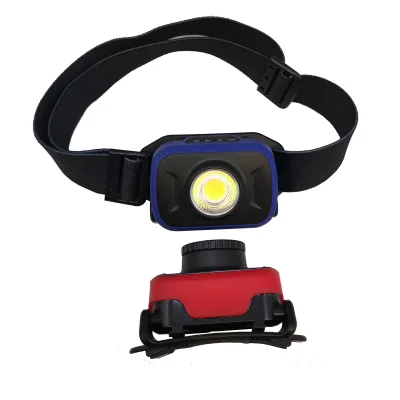
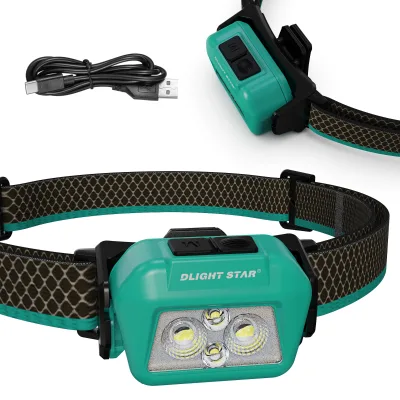
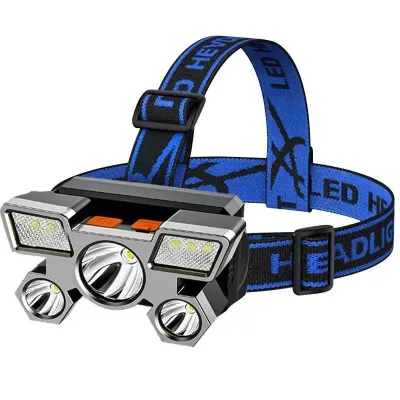
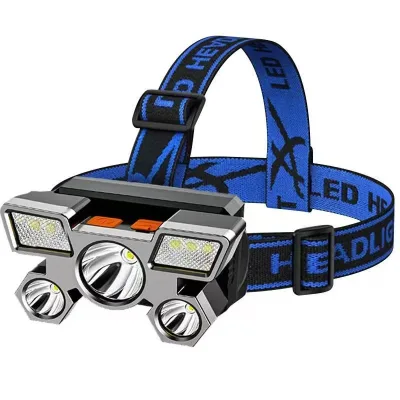
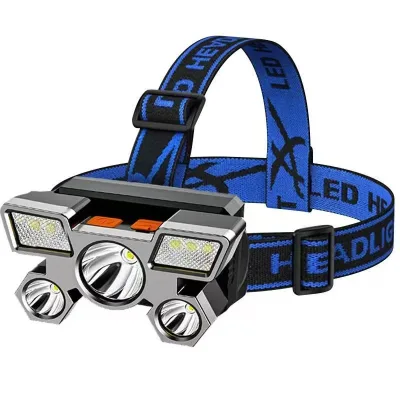
Comprehensive Sourcing Guide
Portable Camping Headlight Sourcing Guide
Procuring portable camping headlights requires a clear understanding of the diverse technical configurations available in the current market. Buyers must distinguish between models powered by disposable alkaline cells and those utilizing integrated rechargeable lithium-ion batteries, as this choice fundamentally impacts operational costs and user convenience. The observed product range indicates a strong presence of units featuring multiple LED configurations, including combinations of white, blue, and COB lights, which cater to varied lighting needs in outdoor environments. Understanding these core distinctions is the first step in aligning supplier offerings with specific procurement requirements.
The market also presents significant variation in physical design and durability features, which are critical for camping applications. Products range from compact, lightweight units weighing as little as 25 grams to more robust designs incorporating aluminum alloy bodies and magnetic bases. Features such as waterproofing, shock resistance, and anti-fog capabilities are commonly advertised, yet buyers must verify these claims against actual product specifications. The availability of customization options and various packaging formats further complicates the selection process, necessitating a thorough review of supplier capabilities before committing to volume orders.
Product Scope and Observed Listing Signals
The current supply landscape for portable camping headlights exhibits a wide spectrum of price points, typically ranging from $0.85 to $6.13 per unit. This variance is largely driven by the complexity of the LED array, the type of battery system employed, and the materials used in construction. Buyers should note that minimum order quantities (MOQs) generally start at 100 pieces but can extend up to 5,000 units, depending on the supplier’s production capacity and the level of customization required. These commercial terms significantly influence the total landed cost and should be factored into the initial budgeting phase.
Listing signals also reveal important details about packaging and logistics that affect supply chain efficiency. Many suppliers offer single-item color box packaging, with carton dimensions and gross weights varying based on the model. For instance, some units have a single gross weight of 1.0 kg, while others are significantly lighter. The place of origin is predominantly Guangdong, China, with dispatch ports including Shenzhen, Zhongshan, and Guangzhou. These logistical details are crucial for calculating freight costs and estimating delivery timelines, especially for buyers sourcing from international markets.
Technical Specifications to Verify
When evaluating technical specifications, buyers must prioritize the light output and beam distance, which are critical for camping safety and utility. Observed data indicates flux lumen ranges from 20 to 350 lumens, with irradiation distances spanning 100 to 200 meters. It is essential to verify whether these figures correspond to the high or low settings, as runtime and brightness are inversely related. Models with higher lumen outputs typically offer shorter run times, such as 2.5 hours on high, compared to extended durations of up to 36 hours on low settings. Confirming these parameters ensures the selected headlamp meets the specific duration and intensity requirements of the intended camping trips.
Battery type and capacity are another critical area requiring verification, as discrepancies often exist between advertised and actual specifications. Some listings specify 3AAA battery power, while others indicate integrated 3.7V lithium-ion batteries with capacities ranging from 1200mAh to 1500mAh. Buyers should confirm the charging method, battery lifespan, and whether batteries are included in the package. Additionally, the LED chip brand, such as Epistar, and the number of lighting modes, which can range from three to six, should be validated. These technical details directly impact the product’s reliability and user experience in the field.
Compliance and Safety Documentation
Compliance with international safety and environmental standards is non-negotiable for portable electronic devices entering global markets. Buyers must request and verify certification documents, with CE and RoHS being the most commonly cited standards in the observed listings. These certifications indicate that the product meets European health, safety, and environmental protection requirements. However, buyers should not assume that all listed products hold valid certifications; each batch or model may require separate verification. Ensuring that the supplier can provide up-to-date and authentic certification documents is a critical step in mitigating regulatory risks.
Beyond basic certifications, buyers should inquire about additional quality standards and testing protocols employed by the manufacturer. Some suppliers mention ISO certification, which suggests a broader commitment to quality management systems. It is also important to verify the warranty terms, with one year being a common offering. Buyers should clarify what the warranty covers, including defects in materials and workmanship, and understand the process for claiming replacements or repairs. Clear warranty terms provide a safety net for procurement teams and enhance customer satisfaction in the end market.
Cost Drivers and Commercial Terms
Several key factors drive the cost structure of portable camping headlights, with battery type and LED configuration being primary influences. Integrated lithium-ion batteries add to the unit cost but offer the convenience of rechargeability, which can be a significant selling point for consumers. Conversely, models using disposable AAA batteries may have a lower upfront cost but incur higher long-term operational expenses for end-users. Buyers should evaluate the total cost of ownership, considering both the initial purchase price and the potential for battery replacement or charging infrastructure needs.
Supply ability and customization options also play a significant role in pricing and commercial terms. Suppliers with a monthly supply ability of 10,000 pieces may offer more competitive pricing for larger orders. Customization, such as logo printing or specific packaging requirements, can incur additional fees and affect lead times. Buyers should negotiate clear terms regarding price breaks, payment methods, and shipping responsibilities. Understanding these commercial dynamics allows for more accurate budgeting and stronger negotiation positions with potential suppliers.
Supplier Qualification and Quality Control
Supplier qualification is a critical step in ensuring the reliability and consistency of Portable Camping Headlight orders. Buyers should assess the supplier’s production capacity, quality control processes, and track record in the outdoor lighting sector. Verifying the supplier’s location in Guangdong, China, and their experience with international exports can provide insights into their operational efficiency. It is also advisable to request samples to evaluate build quality, light performance, and durability firsthand. This hands-on assessment helps identify potential issues before committing to large-scale production.
Quality control measures should be clearly defined and agreed upon before production begins. Buyers should specify acceptable defect rates and request pre-shipment inspections to ensure compliance with agreed specifications. Key quality checks include verifying LED brightness, battery capacity, waterproofing integrity, and structural durability. Suppliers offering features like shock resistance and anti-fog capabilities should provide test data or certificates to substantiate these claims. Establishing a robust quality control framework minimizes the risk of receiving substandard products and protects the buyer’s brand reputation.
Long-Term Procurement Checks
Long-term procurement success depends on continuous monitoring of supplier performance and market trends. Buyers should establish regular review cycles to assess supplier reliability, product quality, and pricing stability. Tracking changes in technology, such as advancements in LED efficiency or battery longevity, can inform future sourcing decisions. Maintaining open communication with suppliers allows for early identification of potential issues, such as supply chain disruptions or quality deviations. Proactive relationship management fosters trust and ensures a steady supply of high-quality products.
Additionally, buyers should stay informed about evolving regulatory requirements and consumer preferences in the camping and outdoor gear market. Adapting to new standards or feature demands, such as increased focus on sustainability or smart connectivity, can provide a competitive edge. Regularly updating procurement strategies based on market feedback and performance data ensures that the sourcing program remains agile and responsive. By prioritizing long-term checks and strategic planning, buyers can secure a reliable supply of portable camping headlights that meet both current and future business needs.
FAQs
What are the key specifications of the Portable Camping Headlight?
The Portable Camping Headlight features a 56x45x38 mm body and weighs 25 grams without batteries. It utilizes Epistar LED chips with a flux range of 20 to 350 lumens. The device offers an irradiation distance of 100-200 meters and includes multiple lighting modes for versatile outdoor use.
Can the Portable Camping Headlight operate on AAA batteries?
Yes, the Portable Camping Headlight can operate using three AAA batteries, which are not included. When powered by AAA batteries, it provides a run time of up to 36 hours on low mode and 2.5 hours on high mode, making it suitable for extended camping trips.
What certifications does the Portable Camping Headlight hold?
The Portable Camping Headlight holds ISO, CCC, CE, and RoHS certifications. These credentials ensure compliance with international safety and environmental standards. Buyers can rely on these verified certifications when sourcing products for markets with strict regulatory requirements for electronic lighting equipment.
How long is the warranty for the Portable Camping Headlight?
The Portable Camping Headlight comes with a one-year warranty. This coverage protects buyers against manufacturing defects and ensures product reliability. The warranty applies to the standard model, providing peace of mind for bulk purchasers and distributors in the outdoor gear sector.
What is the supply ability for the Portable Camping Headlight?
The supply ability for the Portable Camping Headlight is 10,000 pieces per month. This capacity supports regular bulk orders from international buyers. The product originates from Guangdong, China, and ships via Shenzhen, Zhongshan, or Guangzhou ports, ensuring efficient logistics for global distribution.
Is customization available for the Portable Camping Headlight?
Yes, customization is available for the Portable Camping Headlight. Buyers can request specific modifications to meet their brand or functional requirements. This flexibility allows businesses to tailor the product for unique market needs while maintaining the core performance features and safety certifications.