Source CE Certified LED Spot Lamp for Living Room, Office, Hotel
Find 30 CE Certified LED Spot Lamp options with varying base types like E27 and GU10, luminous flux from 240 to 1200lm, and color temperatures ranging from 2700K to 7000K. Compare specifications including IP ratings, warranty periods, and material compositions for your specific lighting needs.
Updated
Key considerations
Products List






Comprehensive Sourcing Guide
CE Certified LED Spot Lamp Sourcing Guide
Procuring CE certified LED spot lamps requires a disciplined approach to verifying both electrical safety and electromagnetic compatibility. Buyers must ensure that the supplier provides valid test reports from accredited laboratories, confirming compliance with the Low Voltage Directive and EMC Directive. This certification is not merely a label but a legal requirement for selling within the European Economic Area, ensuring the product meets essential health and safety requirements. Without these documents, customs clearance may be delayed, and liability risks increase significantly for the importer.
The market offers a diverse range of spotlights, from industrial designs to modern fixtures, often featuring E27 or GU10 bases. Observations indicate that many listings specify input voltages ranging from AC 85-265V, providing global compatibility. However, buyers should not assume all products labeled as "CE certified" meet specific regional nuances. It is critical to cross-reference the certification number on the product with the notified body database to verify authenticity. This due diligence protects against counterfeit certifications and ensures that the lighting solutions meet the rigorous standards expected in professional procurement channels.
Product Scope and Observed Listing Signals
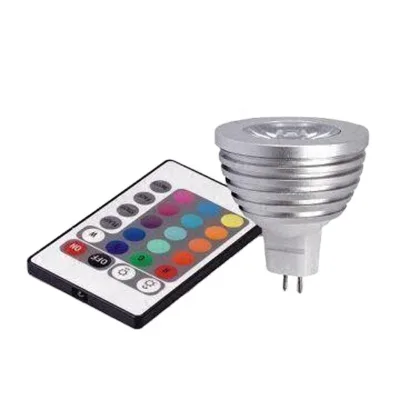
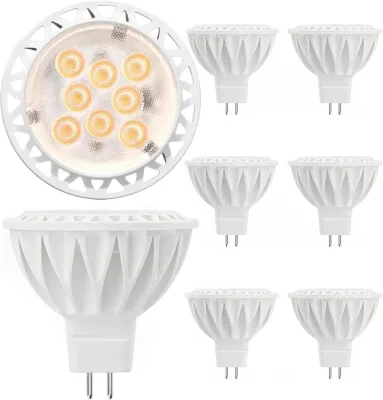
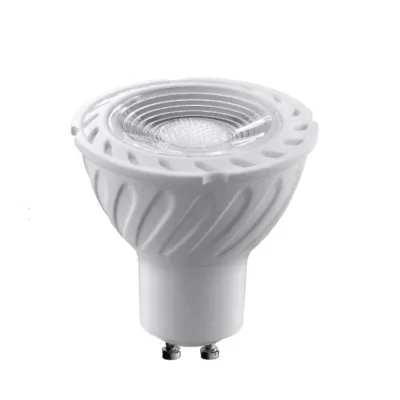
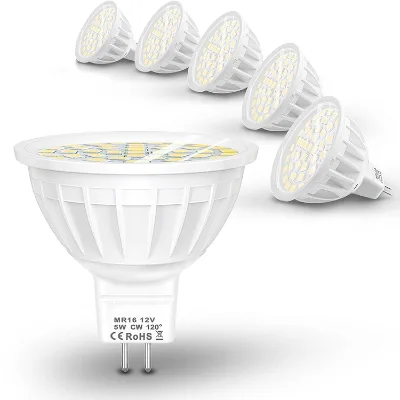
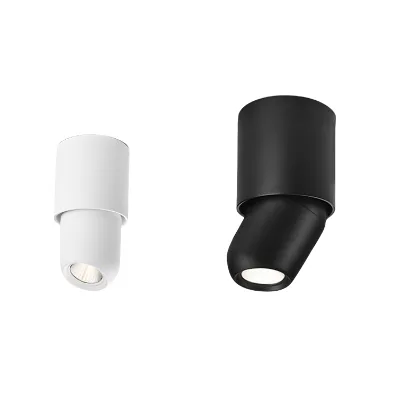
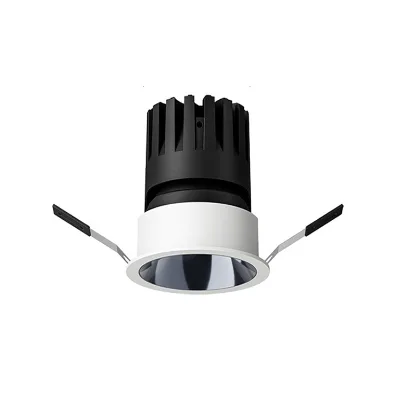
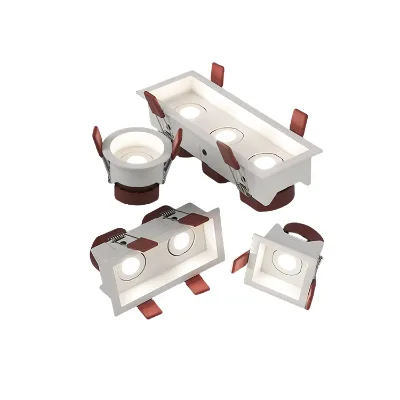
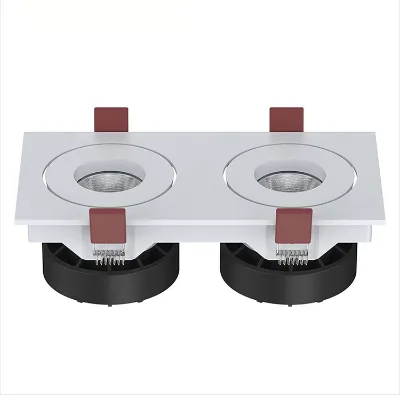
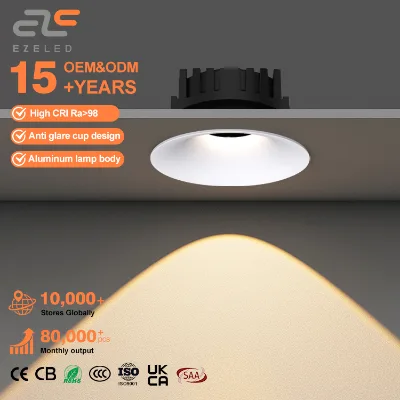
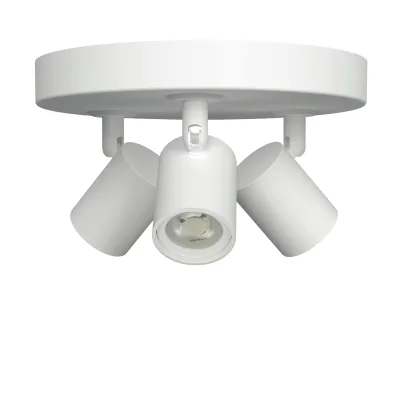
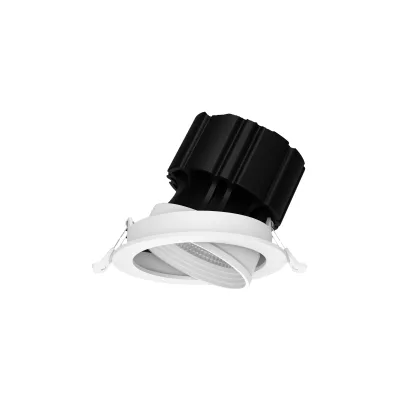
Current market listings reveal a wide variety of LED spotlights, including models with aluminum or plastic lamp bodies. Observed attributes include base types such as E27, GU10, MR16, and MR11, catering to different installation needs. Some products are designed for recessed installation, while others are plug-in lamps suitable for immediate deployment. The beam angles vary, with 38° and 60° options commonly available, allowing for precise light control in various environments. Buyers should carefully review these physical specifications to ensure compatibility with existing fixtures and architectural designs.
Applications span living rooms, offices, hotels, shops, and engineering projects, indicating versatility in commercial and residential settings. Listings often highlight features like COB chips, which provide high luminous flux, and color temperatures ranging from warm 2700K to cool 7000K. Some products offer customizable options, including specific sizes and packaging standards. However, buyers must distinguish between general marketing claims and verified technical data. For instance, while some listings mention high luminous efficiency, others specify lower values, so verifying the exact lumens per watt is essential for energy cost calculations.
Technical Specifications to Verify
When evaluating LED spot lamps, verifying the input voltage range is crucial for ensuring stable operation across different power grids. Many observed products support AC 100-240V or AC 85-265V, which offers flexibility. Buyers should also check the lamp power, which can range from 5W to higher wattages depending on the model. The luminous flux is another key metric, with observed values including 240lm, 450lm, and up to 1200lm. Understanding these parameters helps in calculating the total lighting output and ensuring adequate illumination for the intended space without over-specifying or under-powering the installation.
Color rendering index (CRI) and color temperature are vital for aesthetic and functional requirements. Observed CRI values around 80 Ra indicate decent color accuracy, suitable for general lighting. Color temperatures vary widely, from 4000K neutral white to broader ranges like 2700-7000K. Additionally, the lifespan of the LED source, often cited as 30,000 hours, impacts long-term maintenance costs. Buyers should verify the IP rating, with IP20 being common for indoor use, ensuring the fixture is suitable for dry environments. Confirming these technical details prevents mismatches between product capabilities and project requirements.
Compliance and Safety Documentation
CE certification is the primary compliance marker for LED spot lamps sold in Europe, but it encompasses multiple directives. Buyers must request test reports covering the Low Voltage Directive (LVD) and Electromagnetic Compatibility (EMC) Directive. Some listings also mention RoHS compliance, which restricts hazardous substances in electrical and electronic equipment. Verifying these documents ensures that the product does not pose electrical hazards or emit excessive electromagnetic interference. Without proper documentation, buyers risk non-compliance with local regulations, leading to potential fines or product recalls.
In addition to CE, other certifications may be relevant depending on the destination market. For example, some products list EMC and LVD separately, indicating thorough testing. Buyers should also check for any additional safety standards required by local authorities, such as UKCA for the United Kingdom or other regional marks. It is important to ensure that the certification covers the specific model and batch being purchased, as certifications can be model-specific. Requesting a copy of the Declaration of Conformity (DoC) from the supplier is a standard practice to confirm that the manufacturer stands behind the product's compliance claims.
Cost Drivers and Commercial Terms
The price of LED spot lamps varies significantly based on materials, design, and technical specifications. Observed price ranges span from $0.59 to $185, reflecting differences in quality and features. Products with aluminum bodies and higher luminous flux tend to be more expensive than those with plastic housings and lower output. Minimum Order Quantities (MOQ) also influence pricing, with observed ranges from 1 to 1000 units. Buyers should negotiate based on volume, as larger orders often secure better unit prices. Understanding these cost drivers helps in budgeting accurately and selecting products that offer the best value for money.
Commercial terms such as warranty and lead times are critical for supply chain planning. Observed warranties range from 2 to 3 years, providing assurance against early failures. Lead times can vary based on customization requests and production capacity. Buyers should clarify packaging details, such as export standard carton boxes, to ensure safe transit. Additionally, checking the single gross weight and package dimensions helps in calculating shipping costs. Clear communication of these terms prevents unexpected expenses and ensures that the procurement process runs smoothly from order placement to delivery.
Supplier Qualification and Quality Control
Selecting a reliable supplier is paramount for obtaining consistent quality LED spot lamps. Buyers should verify the supplier's manufacturing capabilities, including their place of origin, which is often Guangdong or Jiangsu in China. Checking for a lighting and circuitry design service indicates a higher level of technical expertise. It is also important to assess the supplier's ability to provide customization, such as specific sizes or branding. A supplier with strong R&D capabilities is more likely to offer innovative solutions and maintain quality standards over time.
Quality control processes should be clearly defined and communicated. Buyers should inquire about the supplier's inspection procedures, including incoming material checks and final product testing. Requesting samples before placing a bulk order allows for physical verification of quality and performance. Additionally, checking the supplier's track record and customer reviews can provide insights into their reliability. Establishing a clear quality agreement that outlines acceptable defect rates and remediation procedures is essential for maintaining product integrity and protecting the buyer's interests in the long term.
Long-Term Procurement Checks
Sourcing LED spot lamps is not a one-time transaction but an ongoing relationship that requires regular review. Buyers should monitor product performance in the field, tracking any failures or customer complaints. This feedback loop helps in identifying potential quality issues early and addressing them with the supplier. Regular audits of the supplier's quality management system can also ensure that standards are maintained. Keeping abreast of changes in regulations and technology is crucial, as compliance requirements and product efficiencies evolve over time.
Long-term procurement also involves evaluating the supplier's responsiveness and support. A good supplier should provide timely assistance with technical queries and after-sales service. Checking the availability of spare parts or replacement units is important for maintaining installed systems. Additionally, reviewing the supplier's commitment to sustainability and ethical manufacturing practices can align with corporate social responsibility goals. By maintaining a proactive approach to supplier management, buyers can ensure a stable supply of high-quality LED spot lamps that meet their evolving needs.
FAQs
What certifications do these LED spot lamps have?
These LED spot lamps carry CE and RoHS certifications, ensuring compliance with European safety and environmental standards. Some models also include EMC and LVD certifications for enhanced electrical safety. These credentials verify that the products meet rigorous regulatory requirements for the global market, providing buyers with confidence in product quality and legal compliance for importation.
Can these spot lamps be used in living rooms?
Yes, these spot lamps are explicitly designed for living room applications. They feature a modern or industrial design style that complements residential interiors. The warm to neutral color temperatures, such as 4000K or adjustable ranges, create a comfortable ambiance. Their compact size and plug-in installation make them suitable for home furnishing and general residential lighting needs.
What is the expected lifespan of the LED light source?
The LED light source has an expected lifespan of 30,000 hours. This durability ensures long-term performance with minimal maintenance requirements. The COB chips provide stable illumination, while the aluminum or plastic body helps manage heat dissipation. This extended lifespan reduces replacement frequency, making them a cost-effective solution for both residential and commercial lighting projects over time.
Which base types are available for these spot lamps?
These spot lamps are available with GU10, MR16, and MR11 base types. The GU10 variant is common for recessed installations, while MR16 and MR11 offer flexibility for different fixture requirements. Buyers can select the appropriate base type based on their existing lighting infrastructure or specific project needs, ensuring compatibility with a wide range of lighting fixtures and applications.
What is the input voltage range for these products?
The input voltage range is AC 85-265V or AC 100-240V, depending on the specific model. This wide voltage tolerance allows the lamps to operate stably in various regions with different electrical standards. It ensures reliable performance without the need for additional voltage regulators, making them suitable for global deployment in diverse electrical environments and reducing installation complexity for buyers.
Are customization options available for these LED spot lamps?
Yes, customization is available for these LED spot lamps. Buyers can request specific design styles, such as modern or industrial, to match their project aesthetics. Lighting and circuitry design services are also offered to tailor the product to unique requirements. This flexibility allows businesses to source products that align with their brand identity and specific application needs, enhancing market competitiveness.