Source IP68 H4 LED Headlight Bulb for Cars, Trucks, and SUVs
Find 30 IP68 H4 LED Headlight Bulb options with certifications like CCC and E-mark. Compare specs including 30W power, 6000K color, and IP65/IP68 ratings for automotive front lighting applications; compare the available evidence and request quotations based on your requirements.
Updated
Key considerations
Products List


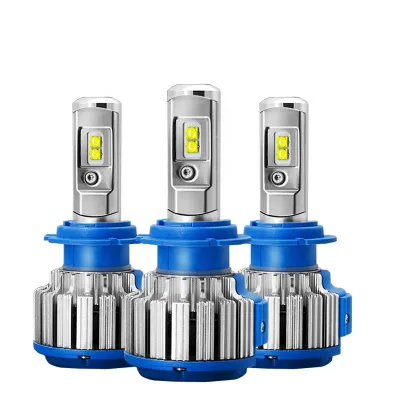
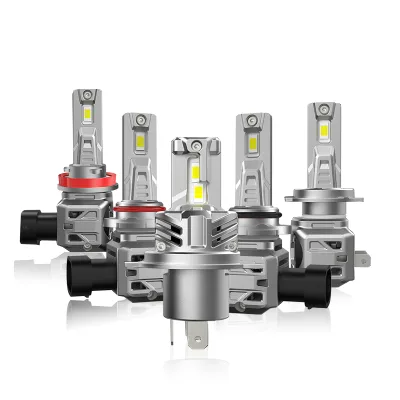
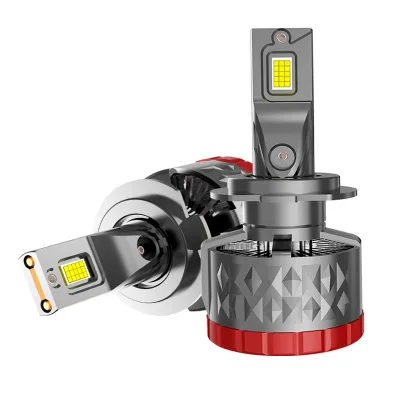


Comprehensive Sourcing Guide
IP68 H4 LED Headlight Bulb Sourcing Guide
Sourcing high-performance automotive lighting requires precise alignment between technical specifications and regulatory compliance. Buyers must navigate a complex landscape where marketing claims often diverge from verified performance data. This guide focuses on the H4 LED headlight bulb, a common replacement for dual-filament halogen systems in vehicles worldwide. The primary objective is to identify suppliers who provide transparent, verifiable data regarding light output, thermal management, and electrical stability.
Procurement decisions should be driven by documented evidence rather than promotional material. Key indicators include specific model numbers, certified lumens, and recognized safety marks. Understanding the distinction between kit-level and per-bulb specifications is critical for accurate cost estimation. This guide provides a framework for evaluating suppliers based on observable listing signals, technical rigor, and commercial reliability, ensuring that sourced components meet both functional and legal requirements for automotive applications.
Product Scope and Observed Listing Signals
The observed market for H4 LED bulbs reveals a diverse range of product configurations, with prices typically spanning from one to thirty-three US dollars. This wide variance often reflects differences in LED chip quality, driver circuitry, and included accessories. Buyers should note that minimum order quantities (MOQ) vary significantly, ranging from single units for sampling to five thousand units for bulk industrial procurement. These commercial terms directly influence the total cost of ownership and should be weighed against the required volume and frequency of replenishment.
Listing attributes frequently highlight features such as shock resistance, waterproofing, and customizable packaging. Specific models observed include the M7-CSP-3570-H4, T3-CSP-4575-H11, and V3-H4, each with distinct physical dimensions and electrical characteristics. For instance, some units are specified with a length of seventy millimeters, while others measure up to eighty-six millimeters. These physical constraints are vital for ensuring compatibility with existing headlight housings and heat sink designs. Buyers must verify that the listed dimensions match their vehicle’s spatial requirements to avoid installation failures.
Technical Specifications to Verify
Electrical parameters are fundamental to the safe operation of LED headlight bulbs. Observed specifications indicate a voltage range of DC9V-32V, accommodating various vehicle electrical systems, including those with alternator spikes. Current draw is typically around 2.7A per bulb, with power consumption ranging from 24W to 60W per kit. It is crucial to distinguish between per-bulb and per-kit power ratings, as marketing materials may conflate the two. Verifying the actual power draw ensures that the vehicle’s wiring harness and fuse box can handle the load without overheating or tripping circuits.
Light output and color temperature are equally important performance metrics. Listings show lumens ranging from 2800lm to 6000lm, with color temperatures often set at 6000K for a crisp white light. Some products specify dual-group LED configurations, such as 3570 or Cr chips, with quantities varying from two to four pieces per bulb. Beam angle is frequently cited as 360 degrees, aiming to maximize illumination coverage. However, buyers should verify that the optical design effectively focuses this light into a proper cutoff pattern to prevent glare for oncoming traffic, which is a critical safety consideration for dipped and high beam functions.
Compliance and Safety Documentation
Regulatory compliance is non-negotiable for automotive lighting components. The observed product listings reference several key certifications, including CCC, E-mark, and DOT. The E-mark certification is particularly important for sales within the European market, indicating adherence to UN ECE regulations. Similarly, DOT compliance is required for the United States market. Buyers must request valid certificate numbers and verify their authenticity with the respective issuing authorities. Relying on unverified claims can lead to customs seizures, legal liabilities, and product recalls.
Additional standards such as CE and RoHS are also mentioned in several listings, indicating compliance with electromagnetic compatibility and hazardous substance restrictions. These certifications demonstrate a supplier’s commitment to quality management and environmental responsibility. However, the presence of these marks alone is insufficient; buyers should request test reports that detail the specific conditions under which compliance was achieved. Understanding the scope of each certification ensures that the sourced bulbs meet the legal requirements of the target export markets, protecting the buyer from regulatory penalties.
Cost Drivers and Commercial Terms
The final cost of H4 LED headlight bulbs is influenced by multiple factors beyond the unit price. Customization options, such as laser logo marking or specific color packing, can add to the manufacturing cost. Suppliers offering these services may charge premiums or require higher MOQs to justify the setup expenses. Buyers should evaluate whether branding or packaging customization is necessary for their market strategy or if standard packaging suffices. Transparent pricing structures that separate product costs from customization fees help in accurate budgeting.
Lead times and payment terms are critical components of the commercial agreement. While specific lead times are not universally disclosed, they typically depend on order volume and customization requirements. Buyers should negotiate clear delivery schedules and penalty clauses for delays. Payment terms often range from small deposits for custom orders to full payment for standard stock items. Establishing a robust commercial framework protects both parties and ensures smooth transaction processing. Understanding these variables allows buyers to forecast cash flow requirements and manage inventory levels effectively.
Supplier Qualification and Quality Control
Evaluating supplier capability is essential for long-term procurement success. Buyers should prioritize suppliers who provide detailed product specifications and transparent communication. The availability of customization services, such as adjustable packing and logo marking, indicates a flexible manufacturing process. However, flexibility should not come at the expense of quality control. Suppliers must demonstrate consistent production standards, evidenced by stable product dimensions and electrical performance across batches. Requesting samples before placing bulk orders is a prudent step to verify quality firsthand.
Quality control processes should include rigorous testing for waterproofing and shock resistance. Observed specifications mention IP65 waterproof ratings, but buyers should inquire about higher IP ratings, such as IP68, if required for specific environmental conditions. Suppliers should provide test reports or certificates for these performance attributes. Additionally, verifying the life span of the LEDs, often cited as over 50,000 hours, requires independent validation. Establishing a strong relationship with a supplier who prioritizes quality and transparency reduces the risk of receiving substandard products.
Long-Term Procurement Checks
Sustaining a successful sourcing strategy requires ongoing monitoring and evaluation. Buyers should regularly review supplier performance metrics, including on-time delivery rates, product defect rates, and responsiveness to issues. Maintaining open communication channels allows for quick resolution of any quality or logistical problems. It is also advisable to periodically re-verify certifications and compliance documents, as regulatory requirements can change over time. Staying informed about updates in automotive lighting standards ensures that sourced products remain compliant and competitive.
Continuous improvement in the supply chain involves exploring new technologies and supplier options. The LED lighting market evolves rapidly, with new chip technologies and driver designs emerging frequently. Buyers should stay updated on industry trends and be open to upgrading to more efficient or durable products when available. However, any changes should be carefully evaluated to ensure they meet the established quality and compliance criteria. By maintaining a disciplined approach to supplier management and product verification, buyers can secure a reliable supply of high-quality H4 LED headlight bulbs for their business needs.
FAQs
Can I customize the packaging for IP68 H4 LED Headlight Bulb orders?
Yes, customization is available for packaging. The product page indicates that packing can be customized to meet specific buyer requirements. This allows for tailored branding or logistical needs. Buyers should confirm details with the supplier to ensure the customized packaging aligns with their distribution strategy and protects the LED bulbs during transit effectively.
What certifications do these ip68 h4 led headlight bulbs hold?
These bulbs hold CCC, E-mark, and DOT certifications. Some models also feature CE and RoHS standards. These certifications ensure compliance with various regional safety and environmental regulations. Buyers can verify specific certification documents with the supplier to confirm suitability for their target market and regulatory requirements before placing bulk orders.
What is the typical power consumption for ip68 h4 led headlight bulbs?
Typical power consumption ranges from 24W to 60W per kit. Specific models show 30W per bulb or 24W per piece. This power level supports high brightness output while maintaining efficiency. Buyers should check the exact wattage for their chosen model to ensure compatibility with their vehicle's electrical system and cooling requirements.
How bright are the ip68 h4 led headlight bulbs in lumens?
Lumen output varies by model, ranging from 2800lm to 6000lm. Some high-power versions offer 4500lm or 6000lm per bulb. This brightness ensures clear visibility for dipped and high beam functions. Buyers should select the lumen rating that best suits their driving conditions and legal requirements for road use.
What is the expected lifespan of these ip68 h4 led headlight bulbs?
The expected lifespan is greater than 50,000 hours. This long service life reduces replacement frequency and maintenance costs. The LED technology ensures durability under various operating conditions. Buyers can rely on this longevity for consistent performance over time, provided the bulbs are installed correctly and operated within specified voltage ranges.
Are these ip68 h4 led headlight bulbs waterproof?
Yes, many models are designed to be waterproof with an IP65 rating. Some specifications mention IP68 compatibility for enhanced protection. This resistance to water and dust ensures reliable operation in adverse weather conditions. Buyers should verify the specific IP rating for their chosen model to confirm adequate protection for their intended application.