Source Remanufactured Warm White Car Headlight for fleet upgrades
Find and compare 30 listings for Remanufactured Warm White Car Headlight options suitable for vehicle fleet upgrades, aftermarket replacements, and general automotive lighting needs. Evaluate specifications such as voltage, material, and certification to identify the best fit for your procurement requirements.
Updated
Key considerations
Products List


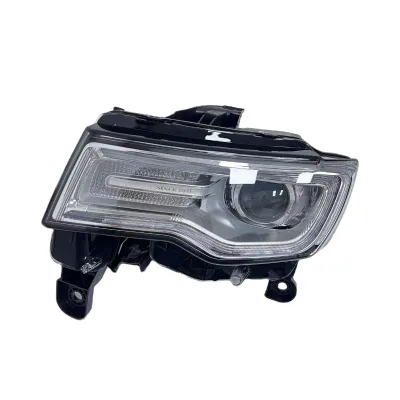
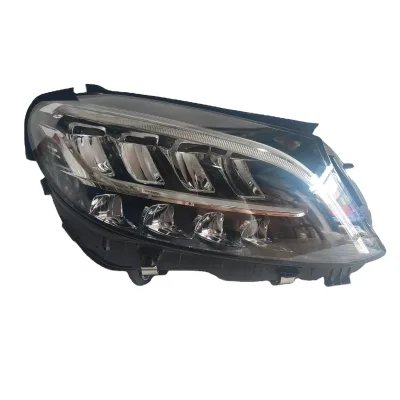
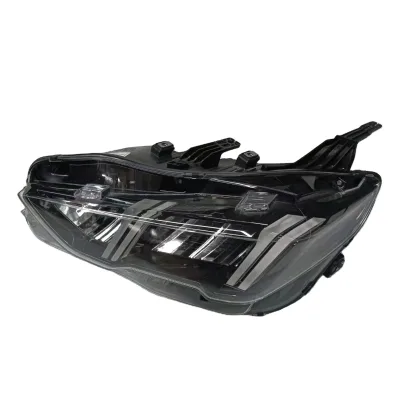
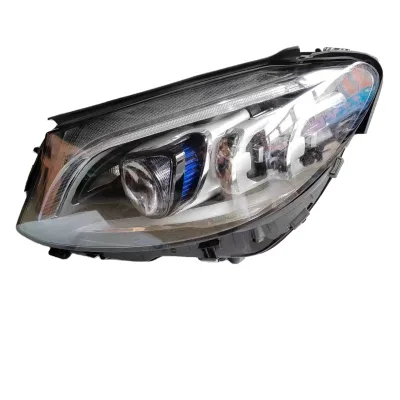


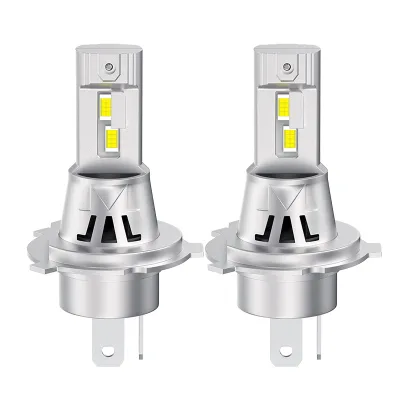
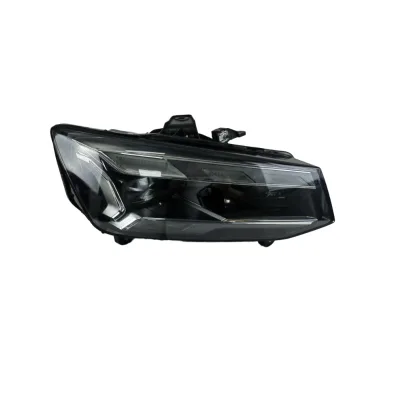
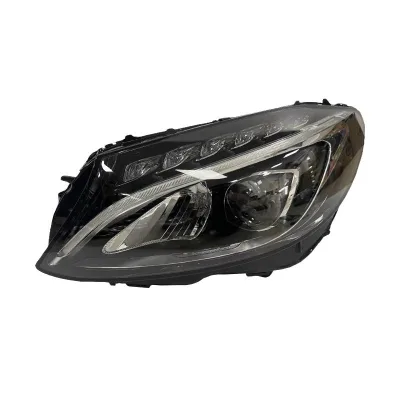
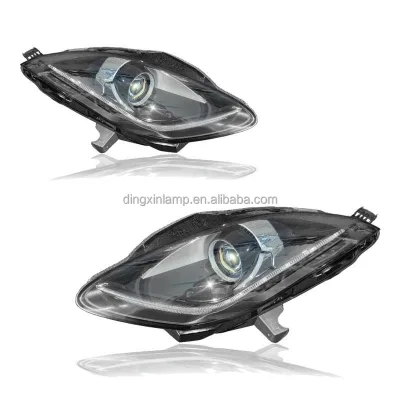


Comprehensive Sourcing Guide
Remanufactured Warm White Car Headlight Sourcing Guide
Sourcing remanufactured warm white car headlights requires a nuanced understanding of the current market landscape, where terminology often blurs the line between refurbished units and new aftermarket replacements. Buyers must carefully distinguish between products labeled as "remanufactured" and those that are simply new LED or halogen bulbs with warm white output. The supplied data indicates a diverse range of products, including LED headlights with white light output and halogen bulbs with quartz glass materials. While the core keyword specifies "warm white," the observed listings frequently feature "cool white" or "white" LED variants, suggesting that buyers must explicitly filter for warm white options to meet specific aesthetic or regulatory requirements. This distinction is critical because warm white light, often associated with halogen or specific LED color temperatures, offers different visibility characteristics compared to the cooler, brighter LEDs commonly listed. Procurement teams should verify the exact color temperature and light output before placing orders, as the market is saturated with high-brightness white LED units that do not meet the warm white specification.
Furthermore, the concept of "remanufactured" implies a restoration process, yet the provided facts highlight new condition items with specific warranties and certifications. Buyers should approach the term "remanufactured" with caution, verifying whether the supplier actually refurbishes used housings or sells new aftermarket components. The observed product attributes include "New" condition labels and specific model numbers like H3 and H4B, which are standard halogen types. If a buyer seeks truly remanufactured units, they must confirm the source of the core components and the quality of the refurbishment process. The presence of certifications such as CCC, E-mark, and SONCAP suggests that many suppliers are focusing on compliance for new products rather than the refurbishment of existing ones. Therefore, the sourcing strategy should prioritize suppliers who clearly define their manufacturing process, ensuring that the "remanufactured" label is not used as a marketing term for new, lower-cost alternatives.
Product Scope and Observed Listing Signals
The current market for car headlights exhibits a wide variance in product types, voltage requirements, and material compositions, which directly impacts sourcing decisions. Observed listings include LED headlights with 26W power ratings and halogen bulbs made from quartz glass, indicating that buyers must specify their preferred technology to avoid receiving incompatible units. The voltage range observed spans from 12V to 24V, with some products supporting DC9-32V, which is crucial for vehicles with different electrical systems. Buyers should note that while the core keyword specifies "warm white," many observed products feature "cool white" or "white" LED outputs, necessitating careful filtering. Additionally, the material composition varies significantly, with some products using LED components and others relying on traditional halogen filaments within quartz glass housings. This diversity means that a single supplier may offer multiple product lines, and buyers must verify the specific attributes of each SKU to ensure alignment with their vehicle’s requirements.
Packing and customization options also play a significant role in the procurement process, as observed listings show variations from single color boxes to larger carton packaging. The observed MOQ ranges from 1 to 200 pieces, with some specific products requiring a minimum order of 50 pieces, which influences inventory planning and cash flow. Buyers should also consider the availability of samples, as some suppliers offer free samples, allowing for quality verification before bulk purchasing. The product origin is predominantly China (Mainland), with specific mentions of Guangdong as a place of origin, which is a major hub for automotive lighting manufacturing. This geographic concentration can offer logistical advantages but also requires buyers to conduct thorough due diligence on supplier reliability. The presence of customization options suggests that buyers may have the flexibility to tailor products to specific branding or functional needs, but this should be confirmed with the supplier prior to order placement.
Technical Specifications to Verify
Technical verification is paramount when sourcing car headlights, as incorrect specifications can lead to installation failures and safety hazards. Buyers must confirm the voltage compatibility, as observed products range from 12V to 24V, with some supporting a wider DC9-32V range. The power rating is another critical factor, with observed LED products featuring 26W wattage, while halogen bulbs may have different power requirements. The lamp type, whether LED or halogen, determines the light output and longevity, with observed LED products claiming a life time of 30,000 hours or more. Buyers should also verify the light color, as the core keyword specifies "warm white," but many observed products offer "cool white" or "white" options. This discrepancy requires explicit communication with suppliers to ensure the desired color temperature is met. Additionally, the glass material, such as quartz glass for halogen bulbs, affects durability and heat resistance, which should be confirmed for each product type.
Model numbers and application compatibility are essential for ensuring that the purchased headlights fit the intended vehicle. Observed products include specific model numbers like H3, H4B, and 403003, which correspond to standard bulb types or specific car models. Buyers must cross-reference these model numbers with their vehicle’s requirements to avoid mismatches. The car make and model, such as Toyota or Mercedes Benz 205, should be verified to ensure compatibility. Furthermore, the function of the headlight, whether it serves as a high beam, front position lamp, or general headlight, must be confirmed. The resistance to water, indicated by "Waterproof" attributes, is crucial for outdoor use and should be verified through IP rating documentation. Buyers should also check the single package size and carton dimensions to plan for storage and shipping logistics, as observed sizes vary significantly.
Compliance and Safety Documentation
Compliance with international and regional standards is non-negotiable when sourcing automotive lighting products, as non-compliant units can lead to legal liabilities and safety risks. Observed certifications include CCC, E-mark, SONCAP, DOT, and CE, which indicate compliance with various regional regulations. Buyers must verify which certifications apply to their target markets, as E-mark is essential for European sales, while DOT is required for the United States. The presence of these certifications suggests that suppliers are aware of regulatory requirements, but buyers should request valid certificates for each product batch. It is important to note that while CE is mentioned, it is a self-declaration mark in some contexts, and buyers should ensure that the supplier has undergone proper testing. The standard H4B is also observed, indicating adherence to specific bulb standards, which buyers should verify for compatibility with their vehicle’s housing.
Safety documentation should also include test reports for electrical safety, light output, and durability. Buyers should request data sheets that detail the luminous flux, color temperature, and beam pattern of the headlights. The warranty period, observed as 6 months for some products, provides a baseline for quality assurance, but buyers should negotiate longer warranties if possible. The condition of the products, listed as "New," should be confirmed to ensure that no refurbished or used components are included unless explicitly agreed upon. Buyers should also verify the supplier’s quality control processes, including inspection protocols and defect rates. The absence of specific test results in the observed data highlights the need for buyers to proactively request this information. Ensuring that all compliance documents are up-to-date and valid is crucial for maintaining product integrity and avoiding customs issues.
Cost Drivers and Commercial Terms
Understanding the cost drivers and commercial terms is essential for effective procurement and budget management. The observed price range of 0.2 to 548 USD indicates a significant variance, likely driven by product type, material quality, and certification levels. LED headlights with higher wattage and advanced features tend to be more expensive than basic halogen bulbs. Buyers should analyze the cost per unit in relation to the expected lifespan and performance, as higher initial costs may be offset by longer life times and lower maintenance costs. The MOQ, ranging from 1 to 200 pieces, influences the unit price, with larger orders typically securing better rates. Buyers should leverage this by consolidating orders or collaborating with other purchasers to achieve volume discounts. The availability of free samples is a valuable commercial term that allows buyers to assess quality without significant financial risk.
Shipping and packaging costs are also significant factors, as observed packing options vary from single color boxes to larger cartons. The single package size and carton dimensions affect freight costs, especially for air or sea shipping. Buyers should negotiate Incoterms that clearly define responsibility for shipping and insurance. The warranty period, observed as 6 months, should be included in the commercial agreement, with clear terms for returns and replacements. Buyers should also consider the supplier’s payment terms, such as deposit requirements and balance payments, to manage cash flow effectively. The customization availability offers an opportunity to add value, but buyers should clarify any additional costs associated with branding or specific modifications. Transparent communication regarding all commercial terms helps prevent disputes and ensures a smooth procurement process.
Supplier Qualification and Quality Control
Supplier qualification is a critical step in mitigating risks associated with sourcing automotive lighting products. Buyers should verify the supplier’s business license, manufacturing capabilities, and export experience. The observed origin of China (Mainland), specifically Guangdong, suggests a concentration of suppliers in a well-established manufacturing hub. Buyers should conduct site audits or request virtual tours to assess the production environment and quality control processes. The presence of certifications like CCC and E-mark indicates that the supplier has undergone regulatory scrutiny, but buyers should verify the validity of these certificates. Supplier reputation can be assessed through customer reviews, trade history, and references from other buyers. Buyers should also evaluate the supplier’s responsiveness and communication skills, as these factors impact the overall procurement experience.
Quality control measures should be clearly defined and enforced throughout the production process. Buyers should request detailed quality control plans, including incoming material inspections, in-process checks, and final product testing. The observed product attributes, such as waterproof resistance and life time claims, should be verified through independent testing or third-party inspections. Buyers should establish clear acceptance criteria for defects, such as light output variance or physical damage. The warranty period, observed as 6 months, should be backed by a robust after-sales support system. Buyers should also consider implementing a sample approval process before bulk production to ensure that the final product meets specifications. Regular communication and feedback loops with the supplier help maintain quality standards and address issues promptly.
Long-Term Procurement Checks
Long-term procurement success depends on continuous monitoring and evaluation of supplier performance and product quality. Buyers should establish key performance indicators (KPIs) to track metrics such as on-time delivery, defect rates, and customer satisfaction. Regular audits and performance reviews help identify areas for improvement and ensure that suppliers remain compliant with agreed-upon standards. The dynamic nature of the automotive lighting market requires buyers to stay informed about technological advancements and regulatory changes. Buyers should periodically reassess their supplier base to ensure they are leveraging the best available options. The availability of customization options allows for product evolution, but buyers should monitor the impact of these changes on cost and quality. Building a strong relationship with suppliers fosters collaboration and innovation, leading to better products and services.
Risk management is also crucial for long-term procurement stability. Buyers should diversify their supplier base to mitigate the risk of supply chain disruptions. Contingency plans should be in place for potential issues such as raw material shortages or production delays. Buyers should also monitor market trends and competitor activities to stay competitive. The observed product range, including LED and halogen options, suggests that buyers should remain flexible in their sourcing strategies. Regular communication with suppliers about future needs and market expectations helps align expectations and drive continuous improvement. By maintaining a proactive approach to procurement, buyers can ensure a steady supply of high
FAQs
Can I get free samples of warm white car headlights?
Yes, free samples are available for warm white car headlights to help you evaluate quality before placing a bulk order. This allows buyers to verify the LED color and brightness directly. You can request a single item sample to check the packaging and condition. This step ensures the product meets your specific retrofit or upgrade requirements before committing to larger quantities.
What certifications do these LED headlights have?
These LED headlights come with CCC, E-mark, and SONCAP certifications to ensure compliance in various markets. Some models also feature E-mark and DOT standards for broader acceptance. These certifications verify that the products meet specific safety and performance regulations. Buyers can rely on these documented standards when sourcing for regions requiring strict automotive lighting compliance and quality assurance.
What is the typical voltage range for these lights?
The voltage range varies by model, with options available for 12V, 24V, and DC9-32V systems. This flexibility allows the headlights to fit various vehicle types, including cars and trucks. Buyers should select the specific voltage that matches their vehicle's electrical system. Ensuring the correct voltage compatibility is crucial for proper function and longevity of the LED components in automotive applications.
How long is the warranty period for these headlights?
The warranty period for these headlights is typically 6 months. This coverage provides assurance against manufacturing defects and ensures product reliability. Buyers can rely on this warranty for peace of mind during the initial usage period. It is important to check the specific terms for each model, as warranty conditions may vary based on the supplier and product type.
What is the minimum order quantity for these products?
The minimum order quantity is generally 50 pieces for standard orders. However, some listings may accept orders as low as 1 piece for samples or small batches. Buyers should verify the specific MOQ with the supplier before proceeding. Understanding the MOQ helps in planning inventory and budgeting for bulk purchases of warm white car headlights.
Where are these car headlights manufactured?
These car headlights are manufactured in China, with specific origins noted as Guangdong. This location is a major hub for automotive lighting production. Buyers can expect efficient supply chains and competitive pricing from these regions. The manufacturing location also influences lead times and shipping options, which are important factors for international procurement and logistics planning.