Source IP68 Waterproof Body Worn Camera for Police, Security, and Field Work
Compare 30 IP68 Waterproof Body Worn Camera options featuring CMOS sensors, H.265 video, and night vision. Buyers can evaluate models with 140-degree angles, 3000mAh batteries, and IP66-68 ratings for diverse professional applications; compare the available evidence and request quotations based on your requirements.
Updated
Key considerations
Products List


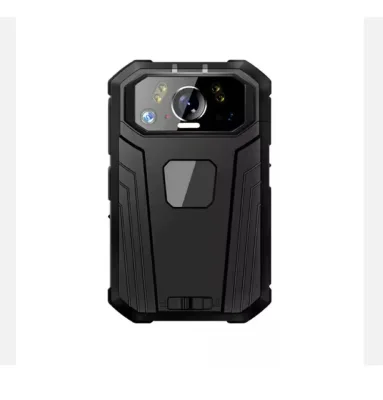
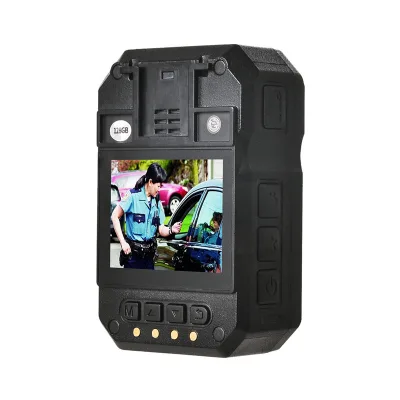
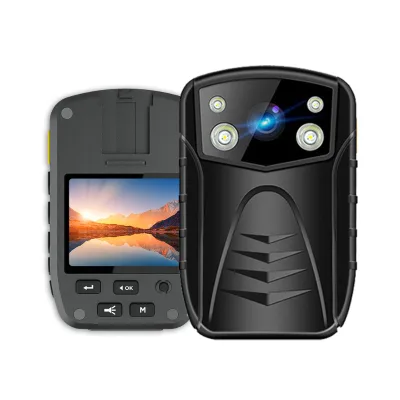
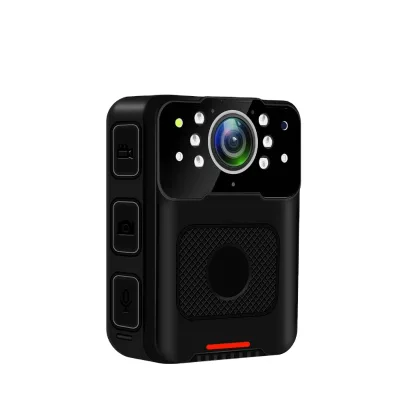
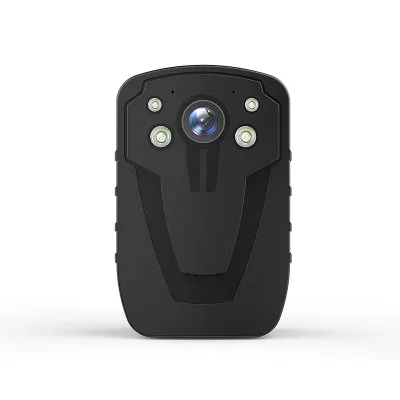
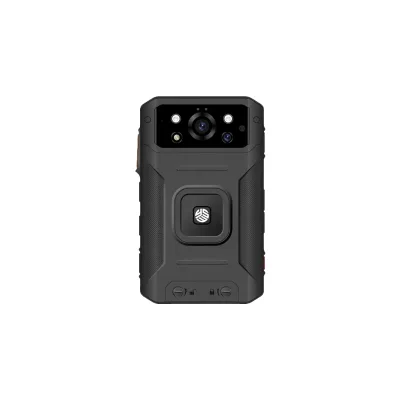
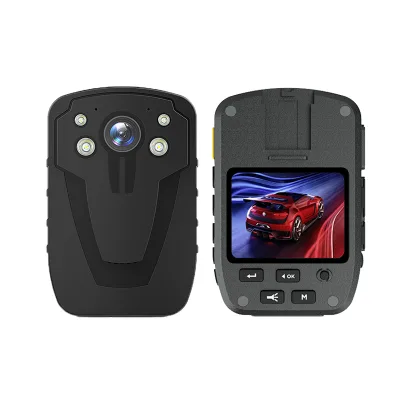
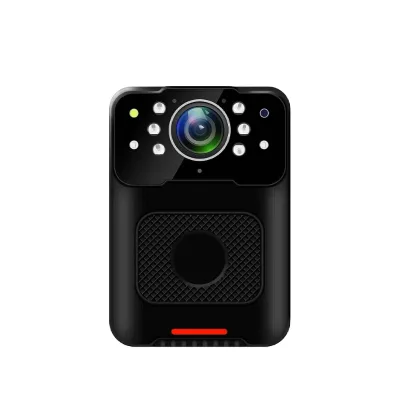


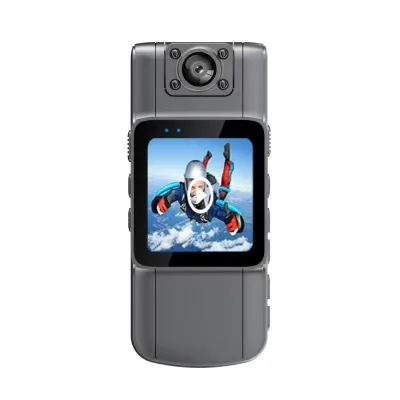
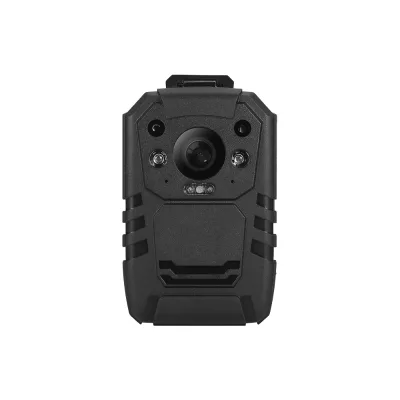
Comprehensive Sourcing Guide
IP68 Waterproof Body Worn Camera Sourcing Guide
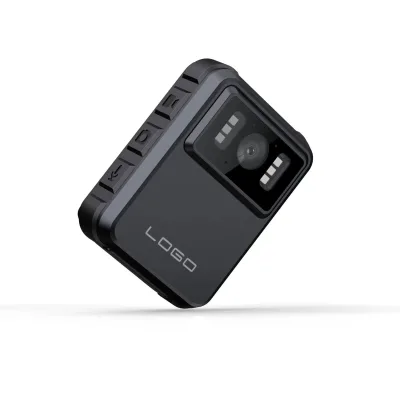
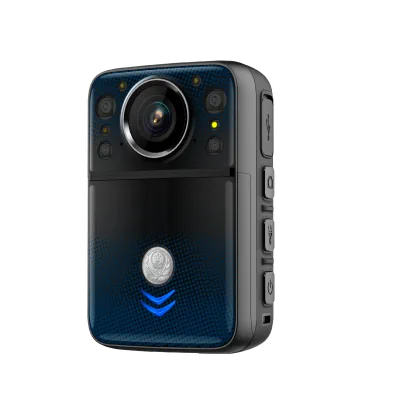
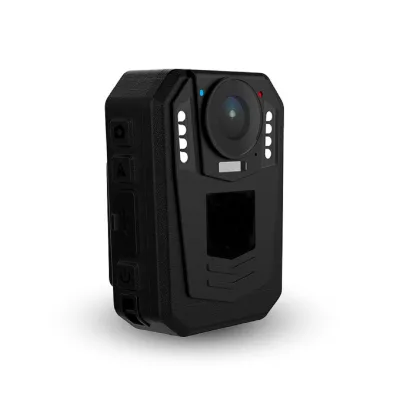
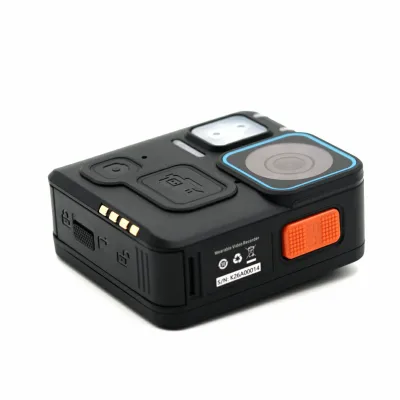
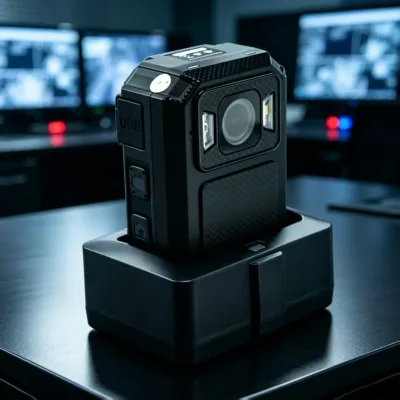
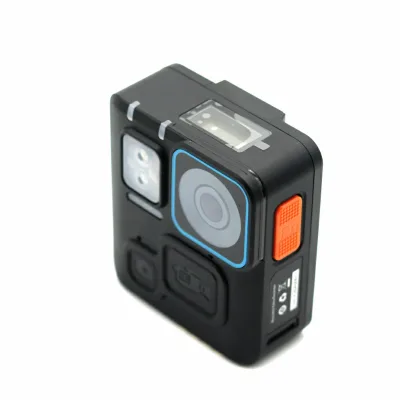
Procuring IP68 waterproof body worn cameras requires a disciplined approach to verifying environmental sealing and operational reliability under field conditions. Buyers must prioritize devices that demonstrate robust ingress protection ratings, ensuring that critical internal components remain safe from dust and prolonged water immersion. The observed market signals indicate a strong presence of miniaturized units featuring wireless technology and high-definition video formats, which are essential for modern law enforcement and industrial safety applications.
Sourcing decisions should be grounded in the specific technical attributes observed in current listings, such as CMOS sensors, infrared night vision capabilities, and varying storage options including SD cards and embedded memory. It is crucial to distinguish between general marketing claims and verified product specifications, particularly regarding effective distance, digital zoom limits, and battery capacity. This guide provides a structured framework for evaluating these devices based on documented facts, helping procurement teams mitigate risk and align purchases with strict operational requirements.
Product Scope and Observed Listing Signals
The current market for body worn cameras features a diverse range of models, with observed prices spanning from $4.59 to $559.02, reflecting significant variation in build quality and feature sets. Minimum order quantities typically range from 1 to 1000 units, offering flexibility for both pilot deployments and large-scale enterprise rollouts. Key attributes frequently highlighted include mini size designs, waterproof ratings up to IP66-68, and the availability of customization options, which allow organizations to tailor devices to specific branding or functional needs.
Technical observations reveal a prevalence of wireless technology integration, enabling seamless data transfer and remote monitoring capabilities. Many units are equipped with high-quality infrared night vision, ensuring visibility in low-light environments, and support for H.265/H.264 video formats for efficient storage and playback. Buyers should note that while some models offer up to 32X or 64X digital zoom, the actual optical performance may vary, necessitating careful review of sensor sizes, which are commonly listed as 1/3 inch or 1/4 inch CMOS types.
Technical Specifications to Verify
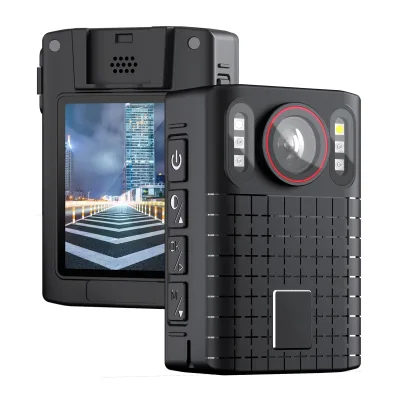
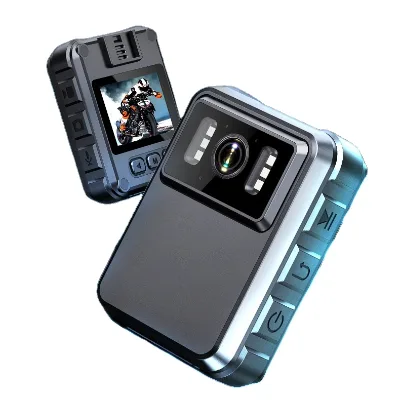
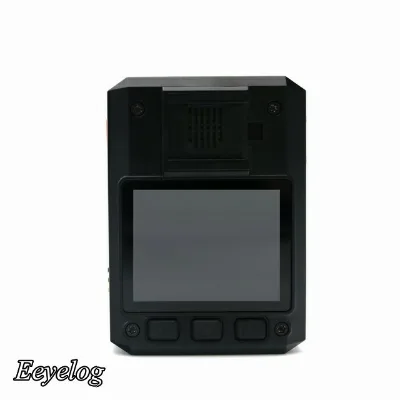
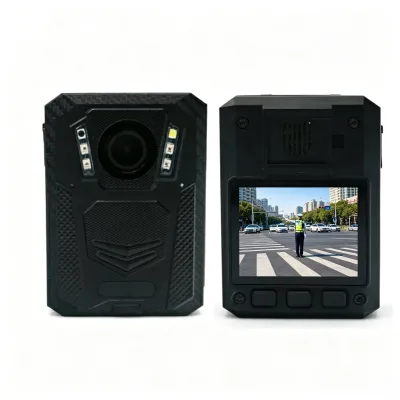
When evaluating technical specifications, buyers must verify the sensor size and lens type to ensure adequate image clarity and field of view. Common observations include 1/3 inch or 1/4 inch CMOS sensors paired with manual focus lenses, providing a 140-degree angle of view that captures a broad perspective of the wearer’s surroundings. It is essential to confirm the HDMI format support, with 1080P being a standard expectation for high-definition recording, and to check for the presence of a high-quality IPS screen, typically around 2 inches, for local playback and review.
Battery capacity and charging infrastructure are critical for sustained field operations, with observed models featuring built-in batteries ranging from 3000 mAh to 3500 mAh. Buyers should verify the approximate charge time, which is often around 3.5 hours, and ensure compatibility with USB Type-C cables for modern charging standards. Additionally, pre-recording features, such as 30 to 60 seconds of buffer time, are vital for capturing events that occur just before the activation button is pressed, ensuring no critical moments are missed during rapid response situations.
Compliance and Safety Documentation
Compliance with international standards is non-negotiable for body worn cameras, particularly those used in regulated industries. Buyers must verify that devices carry recognized certifications such as CE, FCC, and RoHS, which indicate adherence to safety, electromagnetic compatibility, and hazardous substance restrictions. These certifications are essential for legal deployment in various jurisdictions and help ensure that the electronic components do not pose risks to users or interfere with other critical communication equipment.
Data security and privacy features must also be rigorously assessed, as body worn cameras often capture sensitive personal information. Look for models that offer password protection and secure data storage options, including SD cards or embedded memory with capacities up to 128GB. It is advisable to confirm that the device supports secure video formats like MP4 with H.264 and H.265 encoding, which facilitate encrypted storage and transmission, thereby maintaining the integrity and confidentiality of the recorded footage throughout its lifecycle.
Cost Drivers and Commercial Terms
The cost of body worn cameras is influenced by several key factors, including sensor quality, battery capacity, and the inclusion of advanced features like wireless connectivity and night vision. Higher-end models with larger batteries, such as those with 3500 mAh capacity, and more robust build materials tend to command higher prices within the observed range. Buyers should also consider the cost implications of customization options, which may involve additional fees for branding, packaging, or specific software configurations tailored to organizational needs.
Commercial terms, including minimum order quantities and lead times, play a significant role in total cost of ownership. While MOQs can be as low as 1 unit, bulk purchases often benefit from volume discounts, making it essential to negotiate favorable pricing for larger orders. Additionally, buyers should inquire about warranty periods and after-sales support, as these factors can impact long-term operational costs. Clear communication regarding packaging standards, such as black neutral boxes or carton packaging, can also help streamline logistics and reduce handling expenses.
Supplier Qualification and Quality Control
Supplier qualification is a critical step in ensuring the reliability and consistency of body worn camera procurement. Buyers should verify the origin of the products, with many observed models originating from Shenzhen, China, a hub for electronics manufacturing. It is important to assess the supplier’s production capabilities, including their ability to meet specific quality standards and their track record in delivering products that match the described specifications, such as weight, package size, and model numbers like X4K1 or X7B.
Quality control measures should be explicitly defined in the procurement agreement, including requirements for pre-shipment inspections and testing protocols. Buyers should request documentation that confirms the waterproof rating of IP66-68 and the effectiveness of infrared night vision, ensuring that the devices perform as expected in real-world conditions. Establishing clear communication channels with the supplier for addressing any discrepancies or defects is essential for maintaining high standards and ensuring that the deployed cameras meet the rigorous demands of field operations.
Long-Term Procurement Checks
Long-term procurement success depends on establishing robust mechanisms for ongoing performance monitoring and supplier relationship management. Buyers should implement regular audits of device performance, focusing on key metrics such as battery degradation, video quality consistency, and data storage reliability. By tracking these metrics over time, organizations can identify potential issues early and make informed decisions about future purchases or maintenance schedules, ensuring that the body worn cameras continue to meet operational requirements.
It is also crucial to stay updated on technological advancements and regulatory changes that may impact the use of body worn cameras. Buyers should engage with suppliers to discuss potential upgrades or new models that offer improved features, such as enhanced wireless capabilities or better night vision performance. Maintaining a flexible procurement strategy allows organizations to adapt to evolving needs and technological landscapes, ensuring that their body worn camera systems remain effective, compliant, and cost-efficient in the long run.
FAQs
What is the waterproof rating for these body worn cameras?
The cameras feature an IP66-68 waterproof rating, ensuring reliable performance in harsh weather conditions. This specification allows the device to withstand dust ingress and powerful water jets, making it suitable for outdoor surveillance and industrial environments where exposure to moisture is common.
How long does the battery last on a single charge?
The device is equipped with a built-in 3000 mAh or 3500 mAh battery, depending on the specific model configuration. Charging typically takes approximately 3.5 hours using the included Type C cable, providing sufficient power for extended recording sessions during daily operations.
Can the camera record video while taking pictures?
Yes, the camera supports snapshot functionality, allowing users to take pictures during recording or while in standby mode. This feature ensures that critical moments are captured without interrupting the continuous video stream, providing versatile documentation capabilities for security and monitoring purposes.
What video formats are supported by the camera?
The camera records in MP4 format using H.264 and H.265 video codecs. These formats offer efficient compression and high-quality playback, ensuring smooth storage management on SD cards or internal memory while maintaining clear visual details for review and analysis.
Does the camera support remote control or customization?
The device is designed without a remote control but offers available customization options for specific buyer requirements. Users can adjust settings such as video split time and pre-recording duration, ensuring the camera meets particular operational needs without external hardware dependencies.
What is the effective distance for infrared night vision?
The infrared night vision provides an effective distance of at least 30 meters. This range ensures clear visibility in low-light conditions, allowing the camera to capture detailed footage even in dark environments, which is essential for 24/7 security monitoring applications.