Source China Mainland LED Light for Garden, General, and Project Use
Explore 30 verified listings for China Mainland LED Light products suitable for garden, general, and project applications. Buyers can compare specifications like IP ratings, color temperature, and solar panel options to find the right solution; compare the available evidence and request quotations based on your requirements.
Updated
Key considerations
Products List
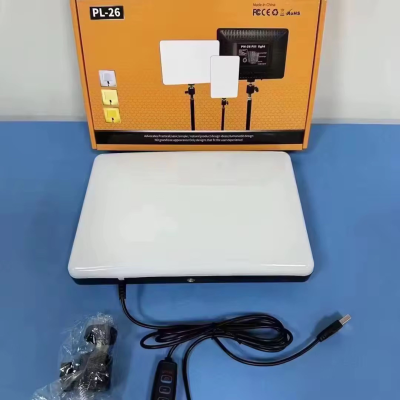
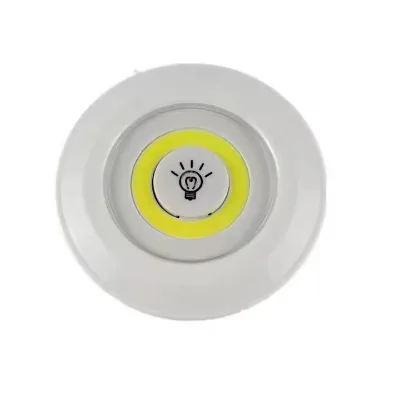
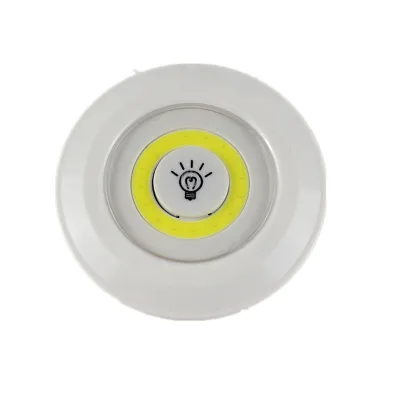


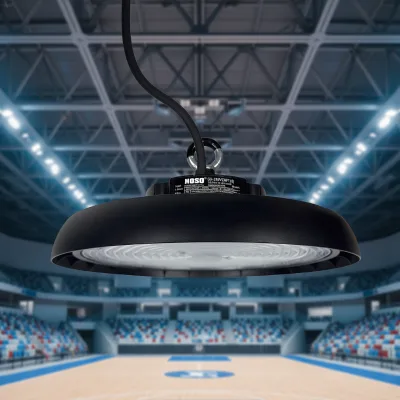




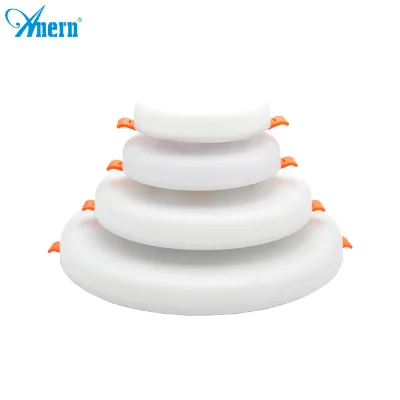
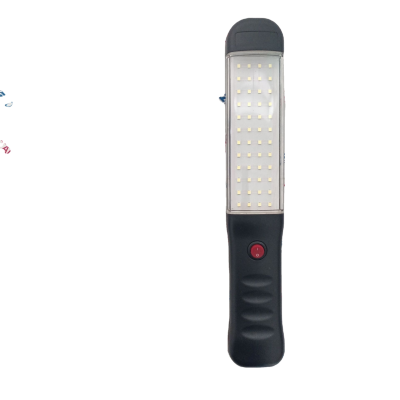


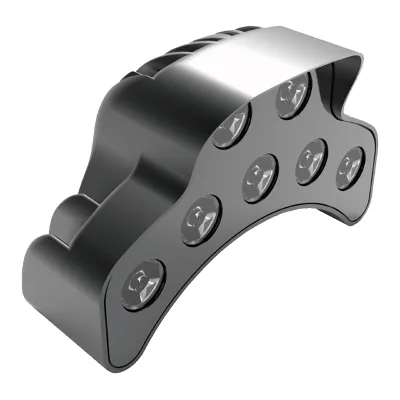
Comprehensive Sourcing Guide
China Mainland LED Light Sourcing Guide
China Mainland remains a primary origin for LED lighting procurement, with the supplied listings clustering in Guangdong and Zhejiang provinces. Products range from mini remote-controlled lights and solar bulbs to high-wattage LED units, so buyers should begin by matching product category to their own use case before comparing suppliers. Listings frequently show attributes such as LED bulb types, PVC or ABS/PP materials, and single-item selling units, which help narrow candidate pools quickly.
This guide organizes the procurement process into seven practical areas: product scope, technical verification, compliance, commercial terms, supplier qualification, and long-term checks. Each section draws on signals observed in actual product listings, treating attributes as observations rather than universal guarantees. Buyers should confirm every claimed attribute directly with the supplier before committing to an order, since listings on any sourcing platform represent individual offers rather than a uniform product standard.
Product Scope and Observed Listing Signals
The observed listings span several distinct product families. Solar-powered items appear with models such as SF-1S and SC-BULB, featuring poly solar panels, LiFePO4 batteries, and mobile-charging accessories. Garden-usage lights, mini LED lights with remote controls, and higher-power units with model numbers like LED-HLU-120W-A through LED-HLU-200W-A also appear. One listing even shows a price point as high as $165,000, indicating the keyword covers project-scale equipment, not just consumer bulbs.
Buyers should use these signals to segment their search. Observed attributes include white color, powder-coated finishes, IP65 ratings, SMD2835 chips, and Epistar LED chips in some listings. MOQ values range from 1 to 1000 pieces, which means both small trial orders and bulk purchasing are represented. Note that a 1000-piece MOQ appears on at least one solar item, so buyers with limited budgets should filter or negotiate early. Single-item selling units and carton packing are the dominant packaging conventions.
Technical Specifications to Verify
Request a full specification sheet before sampling. Listings in this set reference solar panels rated at 0.35W/4.5V or 2W/5V, a 3.2V/500mAh LiFePO4 battery, and charging times around 8 hours, along with overcharge and over-discharge protection. For mains or DC-driven units, confirm voltage type, wattage (one listing shows SMD power ≤5W), and the exact LED chip brand or type claimed, such as Epistar or SMD2835.
Color temperature is a frequent source of mismatched expectations. One observed listing offers 2700K soft warm white, 3500K warm white, 4100K neutral white, 5000K daylight, and 6000K daylight options, with a color rendering index of 80. Confirm which CCT is actually supplied, whether dimming is supported (at least one listing states no dimmer support), and the claimed lifespan in hours—one listing cites 30,000 hours. Ask for the IP rating in writing; note that one observed listing contains a garbled IP field, which itself is a signal to request clarification.
Compliance and Safety Documentation
Two certification patterns appear in the observed listings: RoHS and CE on one product, and CCC, CE, and RoHS on another. CCC applies to products sold within mainland China, while CE and RoHS matter for European destinations. Never assume a certification claim in a listing transfers to your specific configuration—request the actual certificate documents, verify the certificate number against the issuing body's database, and confirm the certified product matches the model you are ordering.
Beyond certificates, ask which recognized safety standard the product was tested against and whether test reports are recent. For battery-powered solar products, battery safety documentation is particularly important because LiFePO4 cells still require transport and safety compliance. Buyers exporting to markets outside the EU and China should identify the destination market's own requirements independently, since the supplied listings only document CE, RoHS, and CCC. Also confirm warranty terms: observed listings mention a 1-year warranty, which should be written into the purchase contract with clear claim procedures.
Cost Drivers and Commercial Terms
Observed prices range from $0.59 to $165,000, reflecting everything from single mini lights to large project installations. Key cost drivers to clarify with suppliers include LED chip grade, driver quality, housing material (PVC versus ABS/PP), IP-rated construction, and whether solar panels and batteries are included. Customization is listed as available and OEM/ODM is accepted in the observed data, but customization typically affects unit price, tooling costs, and minimum order quantities.
Clarify the full commercial structure before quoting: unit price at your target volume, price breaks across quantity tiers, sample cost and whether it is credited against bulk orders, and Incoterms for shipping. MOQs observed span 1 to 1000 pieces, so negotiate the MOQ against your real demand rather than accepting the listed figure. Confirm packaging costs separately—observed listings describe inner gift boxes (one at 110×110×150mm, 0.145kg per piece) and outer cartons (one at 420×535×340mm)—because dimensional weight drives freight cost.
Supplier Qualification and Quality Control
Qualify suppliers through documented capability checks rather than listing claims alone. Verify business registration, years of operation, and whether the supplier is a manufacturer or trading company—this matters because the observed listings show origins in both Guangdong and Zhejiang, provinces with deep lighting manufacturing ecosystems. Ask for factory photos, production-line videos, or a third-party audit report, and confirm the supplier can support the OEM/ODM and customization work they advertise.
Build a pre-shipment quality control plan around the specifications you have verified. For the observed product types, inspection points should include color temperature consistency, IP rating integrity for outdoor units, solar panel and battery function, finish quality on powder-coated parts, and carton drop-test results. Order pre-production samples and golden samples to anchor inspection criteria. For higher-value orders, hire an independent inspection company to check goods against an agreed AQL sampling plan before shipment, and specify what happens if inspection fails.
Long-Term Procurement Checks
Sustainable sourcing depends on repeatable quality, not one good shipment. Establish a schedule of re-inspection for ongoing orders, and track defect rates across batches to detect drift in component sourcing. Because LED products depend on chips, drivers, and batteries from upstream suppliers, ask whether the supplier changes component sources and require notification of any material change to the approved specification. Keep signed golden samples on file for comparison.
Plan for continuity and support. Confirm the 1-year warranty observed in some listings extends consistently across reorders, and agree on how spare parts, replacement units, or credit notes are handled. For project-based purchases—such as the lighting and circuitry design and project installation services mentioned in one listing—retain design documentation and model numbers (like the LED-HLU series identifiers) so future expansions match installed units. Review supplier performance annually on quality, responsiveness, and delivery reliability before consolidating volume.
Finally, maintain disciplined documentation across the relationship: contracts referencing verified specifications, certificates with validity dates, inspection reports, and communication records. These records protect you in disputes and make switching or dual-sourcing suppliers far easier if circumstances change.
FAQs
What certifications do the LED lights have?
The LED lights carry RoHS, CE, and CCC certifications. These standards ensure safety and environmental compliance for international markets. Buyers can verify these documents before placing orders to meet local regulatory requirements for electrical products.
Can I customize the LED light packaging?
Customization is available for packaging and product specifications. The standard packing uses cartons, but OEM and ODM services allow tailored solutions. Buyers should confirm specific requirements with the supplier to ensure the final product meets their branding needs.
What is the warranty period for these lights?
The warranty period for these LED lights is one year. This coverage protects against manufacturing defects during normal usage. Buyers should retain proof of purchase to validate claims if any issues arise within the specified warranty timeframe.
Which materials are used to construct the lights?
The lights are constructed using PVC, ABS, and PP materials. These durable plastics ensure longevity and resistance to environmental factors. The choice of material supports various applications, including garden lighting and general indoor use scenarios.
How long does the battery last on solar models?
Solar models feature a 3.2V/500mAh LiFePO4 battery. This battery provides reliable power after an eight-hour charging cycle using sunlight or DC input. Protection circuits prevent overcharge and over-discharge to extend the overall lifespan of the unit.
What is the minimum order quantity for purchase?
The minimum order quantity is 1000 pieces for standard orders. Some listings indicate a single item is available for testing. Buyers should verify the specific MOQ with the supplier to align with their procurement volume and budget constraints.
Where are these LED lights manufactured?
These LED lights are manufactured in Guangdong and Zhejiang, China. The production facilities are located within mainland China, ensuring efficient logistics for export. Buyers can expect consistent quality control from these established manufacturing regions.