Mini Twin Tub Washing Machine Suppliers and Manufacturers
Explore 25 verified options for Mini Twin Tub Washing Machine from Zhejiang, China. Compare lead times, response times, certifications, and prices directly. Contact suppliers to request quotes and verify specifications; review the available evidence before requesting comparable quotations from suitable candidates.
Updated
Suppliers List
Cixi City Sandie Electrical Appliance Co., Ltd.
- Manufacturer, Trading Company
- Zhejiang, China
- Lead time25 days
- Avg. response≤ 9h
Main productsSingle Tub Washing Machine, Twin Tub Washing Machine, Mini Washing Machine, Spin Dryer
Main marketsDomestic Market(55.00%), North America(23.00%), Western Europe(9.00%), Oceania(3.00%), Eastern Europe(3.00%), Southeast Asia(3.00%), Africa(2.00%), Mid East(2.00%)
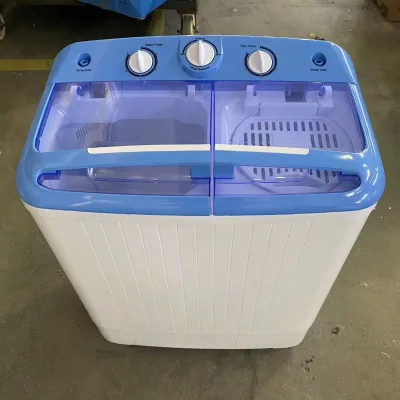
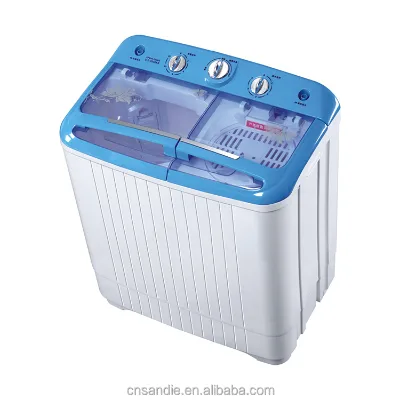
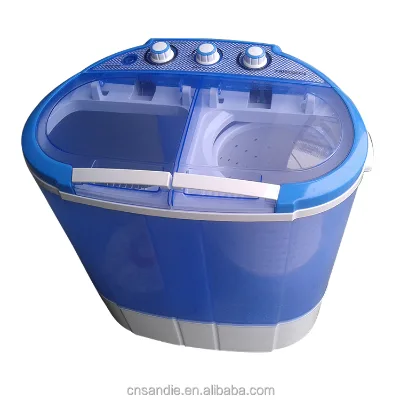
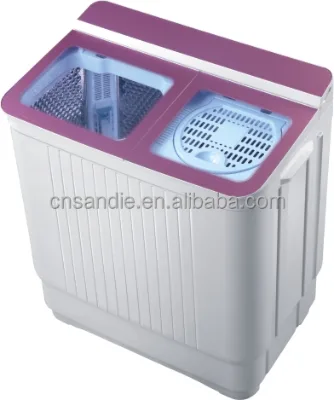
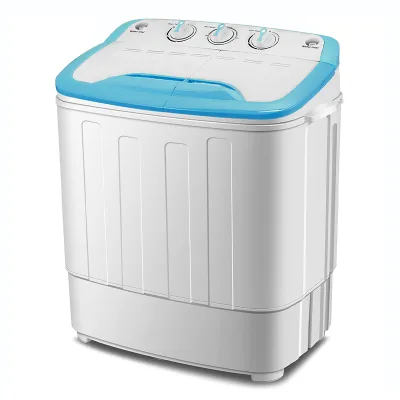
5.0kg Mini Double Tub Semi Automatic Washing Machine Sale/twin Tub
$39.0693 - $46.2672
MOQ: 300 Minimum
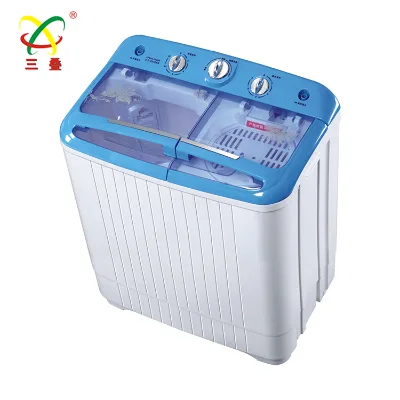
$44.2105 - $49.3516
MOQ: 364 units

Qingdao Vestar International Industry Co., Ltd.
- Verified by BV
- Trading Company
- China Shandong
- Lead time30 days
- Avg. response≤ 2h
Main productsRefrigerator, Air Conditioner, Range Hood, Gas Hobs, Oven, Washing Machine, Microwave, Dishwasher, Showcase, Chest Freezer
Main marketsSouth America,Africa,Southeast Asia/ Mideast,Domestic,Europe,Australia,North America


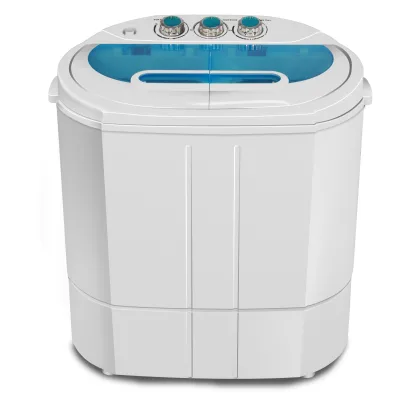
Washing Machine Twin Tub 2.5kg Baby Clothes Mini Washing Machine with Twin Tub
$60.00 - $81.00
MOQ: 130 Pieces


Feilong Home Electrical Group Co., Ltd.
- Verified by TUVRHEINLAND
- Combined
- China Zhejiang
- Lead time30 days
- Avg. response≤ 7h
Main productsTwin Tub Washing Machine, Top Loading Fully Automatic Washing Mach, Washing Machine, Freezer, Glass Door Freezer, Refrigerator, Mini Refrigerator, Chest Freezer, Semi Automatic Washing Machine, Upright Freezer
Main marketsEurope

Guangzhou SOHO Industry Co., Limited
- Verified by TUVRHEINLAND
- Trading Company
- China Guangdong
- Lead time30 days
- Avg. response≤ 7h
Main productsPortable Speaker, LED TV, Trolley Speaker, TV Mother Board, TV Panel, Smart TV, Curved TV
Main marketsSouth America

Cixi Meizhi Electric Appliance Co., Ltd.
- Trading Company
- Zhejiang, China
- Lead time30 days
- Avg. response≤ 1h
Main productsPizza Maker,Refrigerator,Fridge,Freezer,Washing Machine
Main marketsSouthern Europe(8.33%), Northern Europe(8.33%), Central America(8.33%), Western Europe(8.33%), Eastern Asia(8.33%), Mid East(8.33%), Oceania(8.33%), Africa(8.33%), Southeast Asia(8.33%), Eastern Europe(8.33%), South America(8.33%), North America(8.33%)
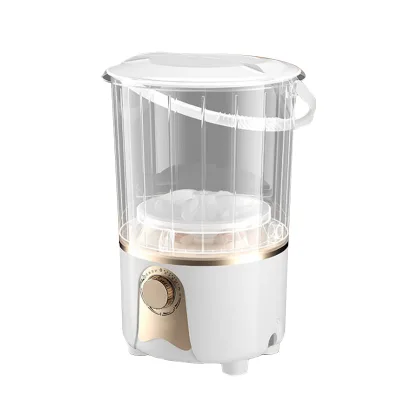
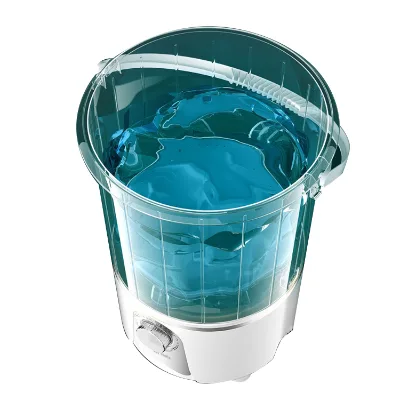
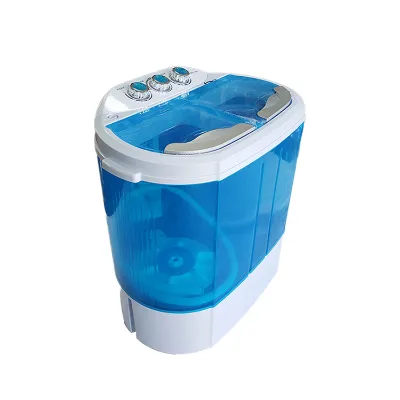
Portable Washer and Rotary Dryer Twin Washing Machine Circulation Belt Hose
$38.00 - $42.00
MOQ: 200 pieces

Kangde Electronic Technology (Guangdong) Co., LTD
- Verified by TUVRHEINLAND
- Combined
- China Guangdong
- Lead time30 days
- Avg. response≤ 1h
Main productsPlastic Injection Mould, Auto Plastic Parts, Electronic Plastic Parts, Mobile Phone Housing, Camera Housing, Remoter Housing, Loudspeaker Housing, Plastic Sheets, Smart Sweeper, Hardware
Main marketsEurope
Jining Shenghao International Trade Co., Ltd.
- Trading Company
- Shandong, China
- Lead time20 days
- Avg. response≤ 24h
Main productsKitchen appliances,Clean household appliances,Water treatment equipment,Air handling appliances
Main marketsWestern Europe(20.00%), Eastern Europe(20.00%), North America(20.00%), South Asia(15.00%), Africa(10.00%), Mid East(10.00%), Eastern Asia(5.00%)
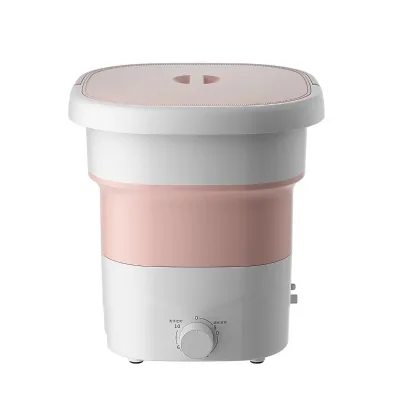
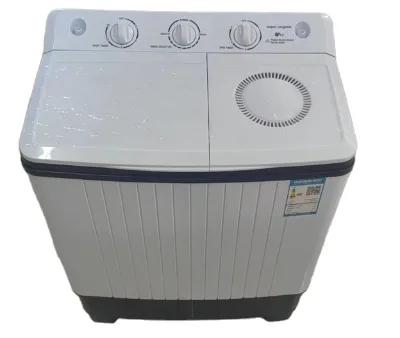
$42.00 - $49.00
MOQ: 4 pieces
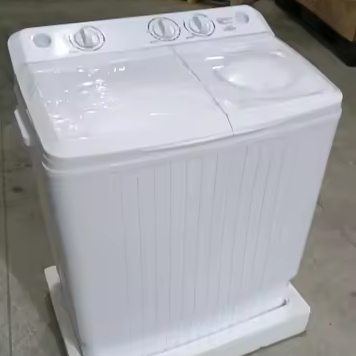
Hot Sale Semi Automatic Laundry Facility 7kg 9.2kg 10kg 12kg Plastic Twin Tub Washing Machine
$42.5043 - $48.7239
MOQ: 4 pieces
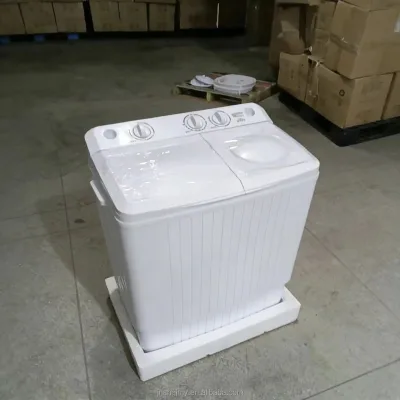
7KG Semi Automatic Washing Machine Twin Tub Compact Washer for Dorms Apartments
$42.00 - $49.00
MOQ: 4
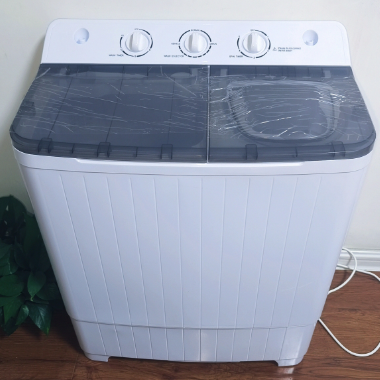
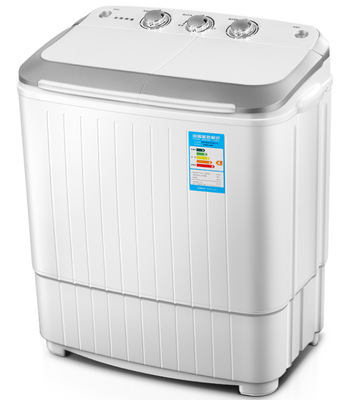
Customized Top-load Twin Tub Semi Laundry Small Washing Machine Portable Washer and Dryer
$35.00 - $42.00
MOQ: 4 pieces

Ningbo Jewin Electrical Appliances Co., Ltd.
- Verified by BV
- Trading Company,Manufacturer/Factory
- China Zhejiang
- Lead time23 days
- Avg. response≤ 5h
Main productsAir Fryer, Air Fryer Oven, Water Filter, Water Dispenser, Blender, Stand Mixer, Juicer, Ice Maker, Coffee Maker, Washing Machine
Main marketsSouth America,Eastern Europe,Mid East,North America,Southeast Asia,Eastern Asia,Oceania,Western Europe,Africa

Cixi Tiantuo Electrical Co., Ltd.
- Manufacturer
- Zhejiang, China
- Lead time30 days
- Avg. response≤ 14h
Main productsspin dryer,washing machine,twin tub washing machine,top loading washing machine,single tub washing machine
Main marketsDomestic Market(30.70%), Western Europe(15.00%), Southern Europe(13.00%), Eastern Europe(10.00%), Mid East(10.00%), South Asia(5.00%), Southeast Asia(5.00%), South America(2.80%), Northern Europe(2.50%), North America(2.00%), Eastern Asia(2.00%), Africa(1.00%), Central America(1.00%)

Guangzhou Yang Tong Electronics Co., Limited
- Verified by SGS
- Trading Company
- China Guangdong
- Lead time23 days
- Avg. response≤ 5h
Main productsTable PC
Main marketsSouth America,Africa,Southeast Asia/ Mideast

Twin Tub Mini Washing Machine Energy-Efficient with Wash and Spin Dry Features
$43.00 - $51.00
MOQ: 100 Pieces

Mini 5.0kg Washing Capacity Strong Washing Twin Tub Semi-Automatic Washing Machine
$40.00 - $43.00
MOQ: 295 Pieces

Hot Selling 8kg Energy Efficient Affordable Mini Semi Auto Twin Tub Big Washing Machine
$45.00 - $47.00
MOQ: 243 Pieces

Xuzhou Solam Electrical Appliances Co., Ltd.
- Trading Company
- Jiangsu, China
- Lead time20 days
- Avg. response≤ 2h
Main productsHome Appliances,washing machines,water dispenser,air fryer,rice cooker
Main marketsNorth America(30.00%), Southeast Asia(25.00%), Western Europe(15.00%), Domestic Market(10.00%), South Asia(5.00%), Eastern Europe(5.00%), Africa(4.00%), South America(3.00%), Mid East(3.00%)
Xuzhou Fangmaojie Technology Co., Ltd
- Manufacturer, Trading Company
- Lead time旺季: "1 - 500":20,"> 500":"To be negotiated", 淡季: "1 - 500":20,"> 500":"To be negotiated"
- Avg. response≤ 2h
Main productsair blower,rice cooker,mosquito killer lamp,oven,sweeper

Qingdao Smad Electric Appliances Co., Ltd.
- Verified by BV
- Manufacturer/Factory
- China Shandong
- Lead time60 days
- Avg. response≤ 9h
Main productsRefrigerator, Freezer, Washing Machine, Air Conditioner, Dish Washer, Display Cooler, Microwave Oven, Water Dispenser, Wine Cooler, Clothes Dryer
Main marketsSouth America,Eastern Europe,Mid East,North America,Southeast Asia,Eastern Asia,Oceania,Western Europe,Africa
Shenzhen Lianxinyuan E-Commerce Co., Ltd.
- Manufacturer, Trading Company, Distributor/Wholesaler, Other
- Guangdong, China
- Lead time3 days
- Avg. response≤ 1h
Main productsTraffic tools,charger,Electronic products,integrated circuit,Solar products
Main marketsNorth America(30.00%), Northern Europe(15.00%), South America(15.00%), South Asia(10.00%), Southern Europe(10.00%), Eastern Europe(10.00%), Western Europe(10.00%)
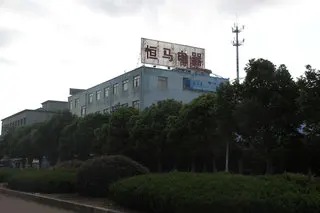
Cixi Hengma Electric Tech. Co., Ltd.
- Manufacturer
- Zhejiang, China
- Lead time15 days
- Avg. response≤ 10h
Main productsWashing machine,Air cooler,Spin dryer,mini washing machine,baby washing machine
Main marketsDomestic Market(60.00%), North America(18.00%), Eastern Asia(3.00%), Oceania(3.00%), South Asia(3.00%), Western Europe(3.00%), Southeast Asia(3.00%), Eastern Europe(3.00%), South America(1.00%), Mid East(1.00%), Africa(1.00%), Southern Europe(1.00%)
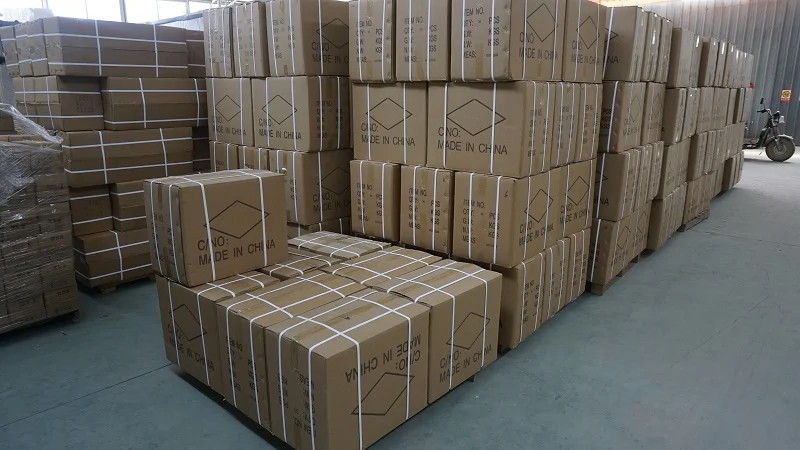
Langfang Jinxiangyu Electric Appliance Co., Ltd.
- Manufacturer
- Hebei, China
- Lead time20 days
- Avg. response≤ 3h
Main productsmeat grinder,food processor,Meat chopper& Slicers,food chopper,home appliance
Main marketsDomestic Market(25.00%), Eastern Asia(15.50%), Southeast Asia(13.00%), Africa(13.00%), South Asia(10.60%), South America(6.20%), Mid East(6.10%), North America(3.70%), Western Europe(2.10%), Central America(1.90%), Southern Europe(1.30%), Eastern Europe(0.90%), Northern Europe(0.70%)
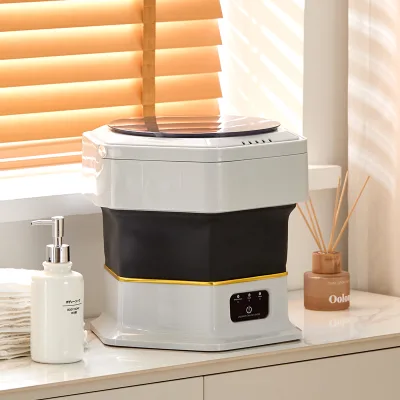
Mini Washing Machine Automatic Top-load Washers Mini Bucket Washing Machine Pakistan
$9.30 - $9.50
MOQ: 4 pieces
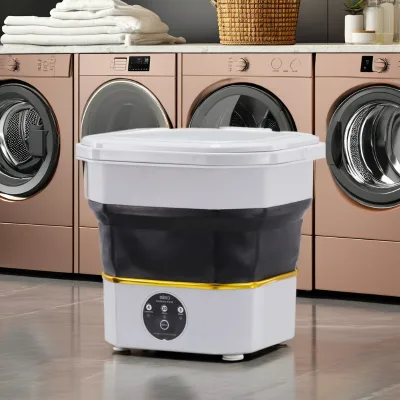
Portable Washing Machine Bag Portable Mini Washing Machine for Dorms Apartments
$4.40 - $4.50
MOQ: 1 pieces
Yiwu Hezhexin Trading Co., Ltd.
- Trading Company
- Zhejiang, China
- Lead time0 days
- Avg. response≤ 2h
Main productsKitchen Tools,Gardening Tools,Storage Container,Popular Drinkware,Household Appliances
Main marketsNorth America(20.00%), Southern Europe(10.00%), Northern Europe(10.00%), Africa(10.00%), Southeast Asia(10.00%), Eastern Europe(10.00%), Western Europe(10.00%), South Asia(5.00%), Mid East(5.00%), Oceania(5.00%), South America(5.00%)
Ningbo Keycool Electric Appliance Co., Ltd.
- Verified by SGS Group
- Manufacturer, Trading Company
- Lead time35 days
- Avg. response≤ 2h
Main productsRefrigerator / Fridge, Air Conditioner, Washing Machine, Fefrigerator Spare Parts, Freezer
Main marketsAfrica(25%), Mid East(25%), South America(15%)
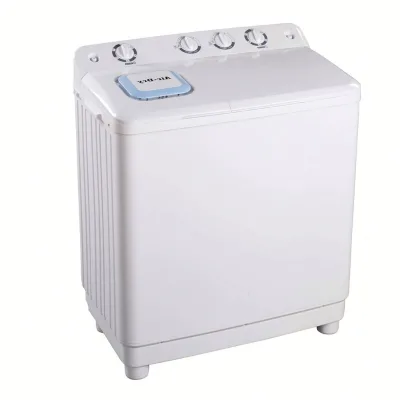
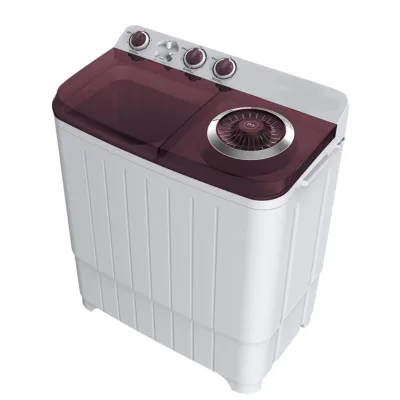
$71.8231 - $84.1352
MOQ: 130 Minimum
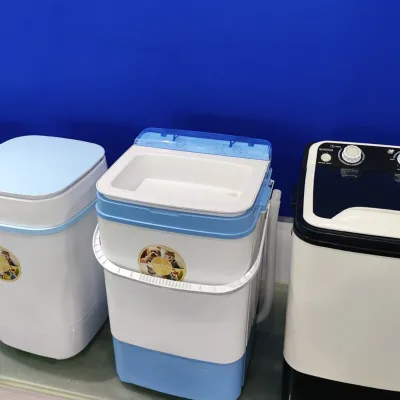
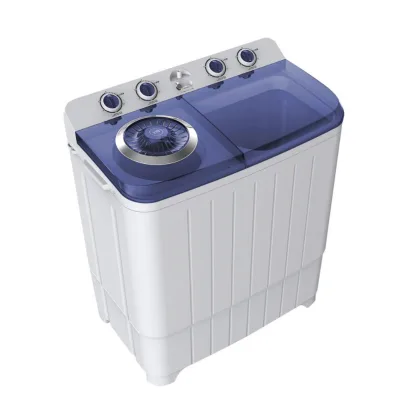
10KG OEM Acceptable Freestanding Double Drum Twin Tub Hand Operated Washing Machine
$62.50 - $72.50
MOQ: 148 Minimum
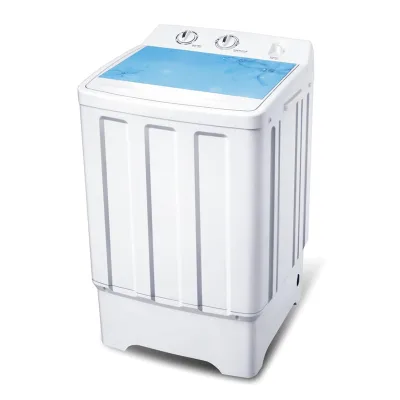
13KG Free Spare Parts Mini Laundry Top Loading Automatic Washing Machine
$44.1191 - $56.4327
MOQ: 208 Minimum
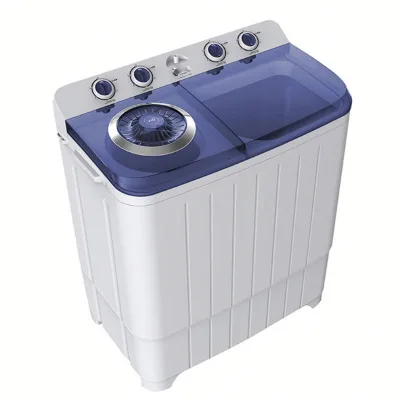
7KG China Factory Promotion Energy Saving Twin Tub Price of Washing Machine in Kenya
$51.4788 - $60.5387
MOQ: 238 Minimum

Hefei Gonidea International Trade Co., Ltd.
- Trading Company
- China Anhui
- Lead time30 days
- Avg. response≤ 6h
Main productsShowcase, Chest Freezer, Upright Freezer, Refrigerator, Frost Free Refrigerator, Ultra Low Temperature Freezer, Commercial Refrigeration, Island Freezer, Ice Cream Freezer, Washing Machine
Main marketsAfrica,Southeast Asia/ Mideast,Europe

10kg Twin Tub Top Loading Mini Washer Semi Automatic Washing Machine Xpb100-1688s
$67.00 - $80.00
MOQ: 142 Pieces

8.5kg Twin Tub Washing Machine Semi Automatic Washing Machine Xpb120-9120s
$78.00 - $99.00
MOQ: 170 Pieces


Shenzhen Innoview Technology Co., Ltd.
- Trading Company
- Guangdong, China
- Lead time20 days
- Avg. response≤ 2h
Main productsGame Controller,speakers,sound cards,bicycle accessories,igs sports
Main marketsDomestic Market(30.00%), North America(11.00%), Western Europe(8.00%), Southeast Asia(8.00%), Eastern Europe(8.00%), South America(5.00%), Southern Europe(5.00%), Eastern Asia(5.00%), Northern Europe(5.00%), Oceania(5.00%), Africa(4.00%), Mid East(4.00%), Central America(1.00%), South Asia(1.00%)

Shanghai Prime Technology Co., Ltd.
- Verified by SGS
- Trading Company
- China Shanghai
- Lead time45 days
- Avg. response≤ 2h
Main productsCoffee Machine Bread Machine, Blender Food Processor Juicer, Air Fryer Hair Dryer Ect.
Main marketsSouth America,Eastern Europe,Mid East,North America,Southeast Asia,Eastern Asia,Oceania,Western Europe,Africa

Portable Household Mini Washing Machine Small Washing Machine Single Tub
$12.99 - $14.59
MOQ: 200 Pieces

Mini Single Tub Semi-Automatic Washing Machine Small Portable Laundry Machine
$12.80 - $15.89
MOQ: 500 Pieces


Fully Automatic Mini Washing Machine for Home Use Hot Sale High Quality
$59.71 - $61.32
MOQ: 200 Pieces
Shenzhen Dongdayang Industrial Co., Ltd.
- Verified by Intertek
- Trading Company
- Lead time15 days
- Avg. response≤ 3h
Main productsProcurement Agent For Handicrafts, Procurement Agent For Hardware Tools, Procurement Agent For Furniture And Home Decor, Procurement Agent For Electronic Products
Main marketsNorth America(51%), South America(10%), Mid East(10%)
Guangzhou Yangtong Electronics Co., Ltd.
- Verified by TüVRheinland
- Trading Company
- Lead time35 days
- Avg. response≤ 2h
Main productsLED TV, Speaker, Air Conditioner, Washing Machine, Refrigerator
Main marketsAfrica(80%), South America(10%), Southeast Asia(10%)
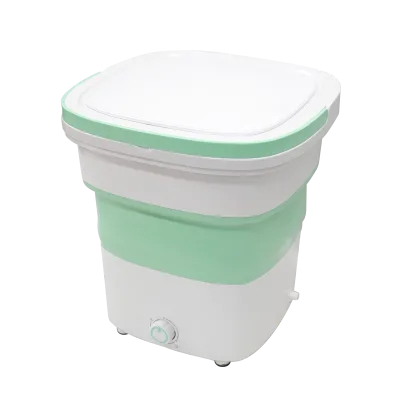
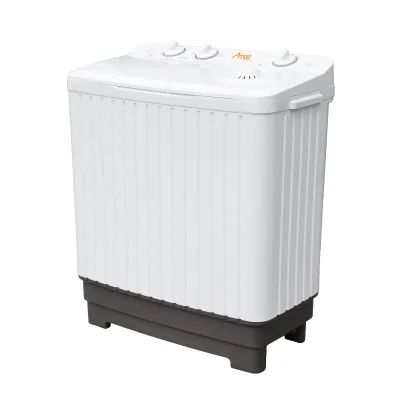
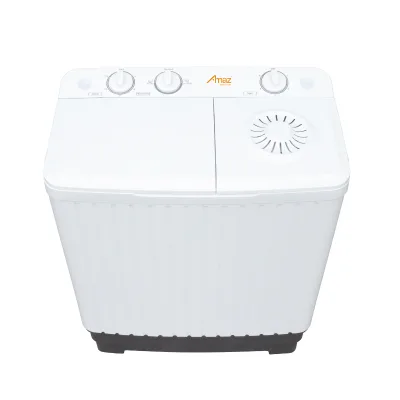
Mini 5/8/10kg Washing Machine Water and Energy Conservation Product
$41.4676 - $44.5775
MOQ: 300 units
HK MAIRUN INDUSTRIAL CO., LIMITED
- Manufacturer
- Lead time旺季: "1 - 100":7,"> 100":"To be negotiated", 淡季: "1 - 100":7,"> 100":"To be negotiated"
- Avg. response≤ 15h
Main productsPromotional Gifts,Souvenir Gifts,Party Supplies,Event Supplies,Custom Gift Set

Taizhou Haifeng Machinery Manufacturing Co., Ltd.
- Manufacturer/Factory
- China Jiangsu
- Lead time23 days
- Avg. response≤ 7h
Main productsLaundry Equipment, Tumble Dryer, Laundry Machine, Industrial Washing Machine, Spinner, Industrial Drying Machine, Washing and Dewatering Machine, Industrial Washing Equipment, Industrial Washer Extractor, Ironing Machine


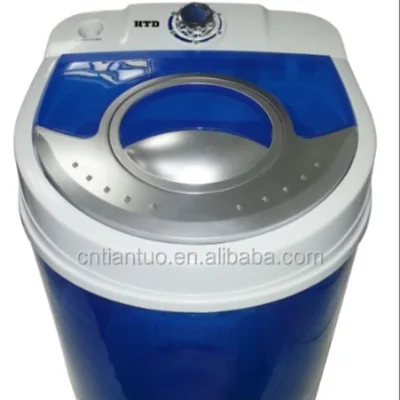
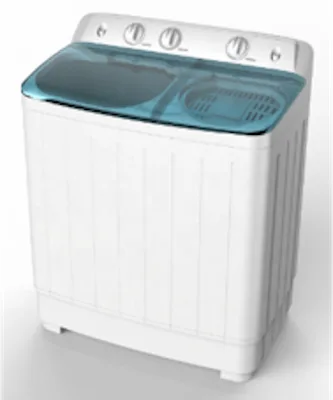
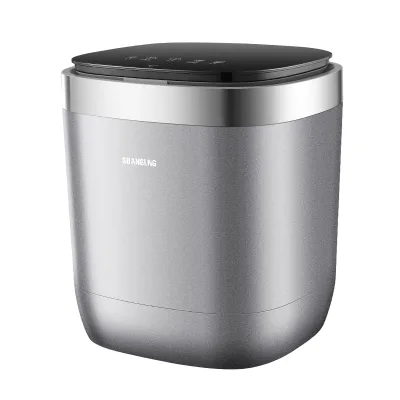
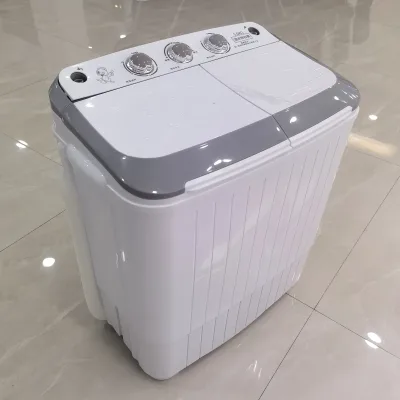

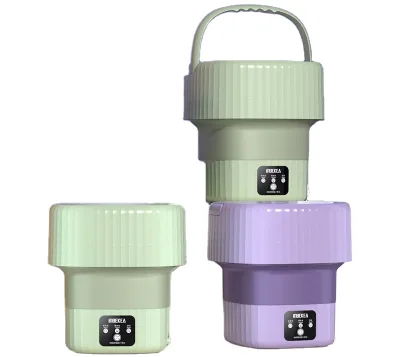
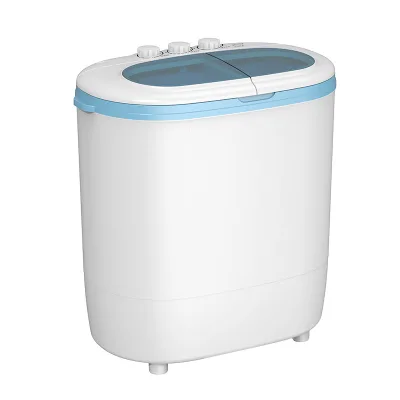


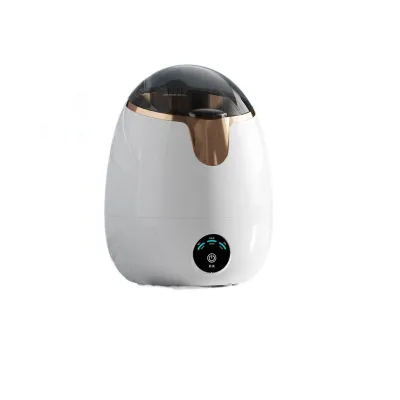
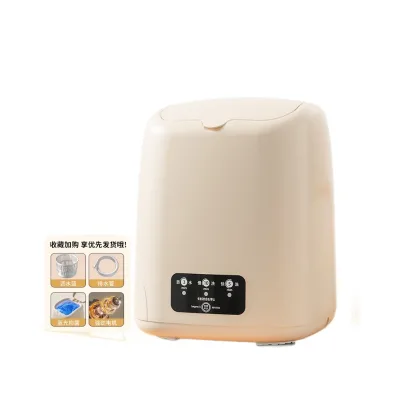



Comprehensive Sourcing Guide
Mini Twin Tub Washing Machine Supplier Concentration and Factory Types
The current supplier landscape for mini twin tub washing machines reveals a distinct concentration in Zhejiang, China, a region that has emerged as a primary manufacturing hub for these specific home appliances. This geographic clustering suggests a mature supply chain ecosystem where raw materials, component sourcing, and assembly labor are optimized for efficiency. Buyers evaluating potential partners should recognize that suppliers located in this area often benefit from established logistical networks and specialized industrial zones dedicated to small household electronics. The presence of both manufacturers and trading companies in the results indicates a diverse market structure. Manufacturers typically offer direct control over production lines, allowing for greater customization of mechanical controls and housing materials, while trading companies may provide broader product assortments and streamlined communication for international buyers. Understanding this dichotomy is crucial for determining whether a buyer prioritizes direct factory engagement or the flexibility of a trading partner who can aggregate orders from multiple facilities.
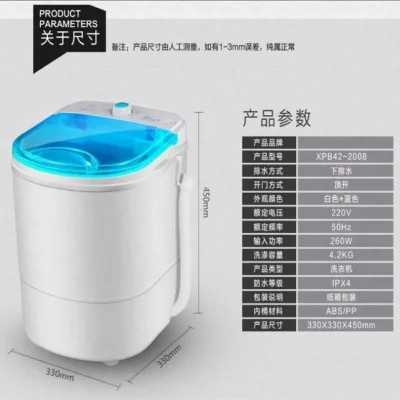
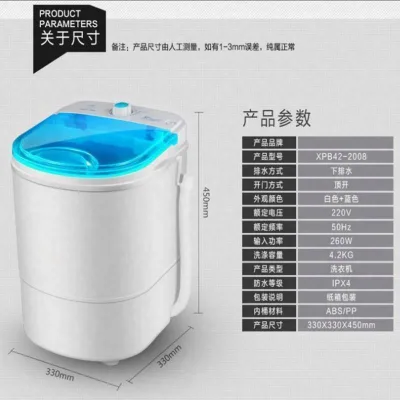
Within this concentrated region, the types of entities supplying these machines vary significantly in their operational focus. Many suppliers identify as manufacturers, implying they possess the physical infrastructure to produce semi-automatic twin tub units, often featuring mechanical controls and plastic housings. These entities are likely equipped to handle OEM requests, as evidenced by the availability of branding options and specific model numbers like XPB35-2008. Conversely, trading companies may act as intermediaries, sourcing from various factories to offer a wider range of capacities, such as 3.5kg to 5.2kg models, and diverse voltage options including 110-120V and 220-240V. This variety allows buyers to select suppliers based on specific market needs, whether targeting household consumers in regions with different electrical standards or commercial clients like hotels requiring durable, high-impact plastic bodies. The coexistence of these company types in Zhejiang provides buyers with multiple avenues for sourcing, each with distinct advantages regarding price negotiation, production transparency, and product variety.
How to Verify Mini Twin Tub Washing Machine Suppliers
Verifying the legitimacy and capability of Mini Twin Tub Washing Machine suppliers requires a systematic approach to checking the provided factual data points. Buyers should begin by confirming the supplier’s declared location, specifically looking for Zhejiang, China, as a primary indicator of the manufacturing cluster discussed. It is essential to cross-reference this location with the supplier’s business license and export records to ensure they are authorized to operate and ship internationally. Additionally, the presence of a Declaration of Conformity certification is a critical verification point, as it indicates that the supplier’s products meet specific regulatory standards for the markets they intend to serve. Buyers must request copies of these certificates and verify their validity with the issuing bodies, ensuring that the certification applies to the specific models being ordered, such as the semi-automatic twin tub units with mechanical controls. This step is vital for avoiding compliance issues upon importation and ensuring that the products are legally marketable in the buyer’s destination country.
Beyond documentation, buyers should assess the supplier’s responsiveness and operational reliability through direct engagement. The response time metric, observed at nine hours in the current results, serves as an initial indicator of the supplier’s communication efficiency. A quick response time often correlates with a well-organized sales team that can address technical queries regarding washing capacity, drainage methods, and power sources promptly. Buyers should test this responsiveness by asking detailed questions about product specifications, such as the difference between normal pulsators and other types, or the specifics of the lower drainage system. Furthermore, verifying the supplier’s ability to provide after-sales support, such as free spare parts, is crucial for long-term business relationships. Buyers should inquire about the warranty terms, which are often listed as one year, and clarify the process for claiming replacements or repairs. This due diligence helps ensure that the supplier is not only capable of producing the machines but also committed to supporting them throughout their lifecycle, reducing the risk of post-purchase complications.
What to Compare Across Mini Twin Tub Washing Machine Suppliers
When evaluating multiple suppliers for mini twin tub washing machines, buyers must meticulously compare key operational metrics to identify the most suitable partner. Lead time is a critical factor, with observed values around twenty-five days indicating the production and preparation schedule. Buyers should compare this against their inventory needs and market launch timelines, ensuring that the supplier can consistently meet these deadlines without compromising quality. Alongside lead time, the minimum order quantity (MOQ) varies significantly, with some suppliers requiring orders as low as three hundred units, while others may have higher thresholds based on packaging configurations, such as thirty-four to forty-eight pieces per carton. Comparing these MOQs helps buyers determine which supplier aligns with their initial order volume and storage capabilities. Additionally, the supply ability, noted as ten thousand pieces per week for some suppliers, provides insight into the supplier’s production capacity and scalability, which is essential for buyers planning large-scale deployments or rapid market expansion.
Price and product specifications are equally important dimensions for comparison. The price range for these machines typically falls between thirty-seven and forty-six dollars, depending on the model, capacity, and included features. Buyers should compare the price per unit against the specific attributes offered, such as washing capacity ranging from 3.5kg to 5.2kg, motor options including aluminum or copper, and housing materials like high-impact plastic. It is also important to compare the included certifications, such as CE marks, and the availability of OEM services, which allow for custom branding and logo printing. Buyers should also consider the voltage options, such as 110-120V or 220-240V, and the plug types provided, as these directly impact the product’s suitability for different target markets. By systematically comparing these factors, buyers can identify the best value proposition that balances cost, quality, and compliance, ensuring that the selected supplier meets their specific business requirements and customer expectations.
Common Mini Twin Tub Washing Machine Sourcing Risks
Sourcing mini twin tub washing machines from international suppliers introduces several risks that buyers must proactively manage to ensure a successful procurement process. One significant risk is the variability in product quality, particularly regarding the materials used in construction. While many suppliers specify high-impact plastic for the body and normal pulsators for the washing mechanism, the actual durability and performance can vary between batches and manufacturers. Buyers should be cautious of suppliers who do not provide detailed specifications or who offer prices significantly lower than the market average, as this may indicate the use of inferior components, such as aluminum motors instead of copper, which can affect longevity and efficiency. Additionally, the risk of non-compliance with local safety and electrical standards is heightened when sourcing from regions with different regulatory frameworks. Buyers must ensure that the supplier’s certifications, such as the Declaration of Conformity or CE marks, are valid and recognized in their destination country, avoiding potential customs delays or product recalls.
Another common risk is the discrepancy between the supplier’s stated capabilities and their actual performance, particularly regarding lead times and communication. While some suppliers report a response time of nine hours and a lead time of twenty-five days, these figures may not always be met in practice, especially during peak production seasons. Buyers should establish clear communication channels and request regular updates on production progress to mitigate the risk of delays. Furthermore, the risk of logistical complications, such as damage during transit or incorrect packaging, is prevalent in the shipping of bulky items like washing machines. Buyers should verify the supplier’s packaging details, such as the use of carton boxes, foam boards, and PP bags, and ensure that the packaging is robust enough to protect the product during long-distance shipping. Additionally, buyers should be aware of the potential for hidden costs, such as import duties, taxes, and freight charges, which can significantly impact the total landed cost. By anticipating and addressing these risks through thorough due diligence and clear contractual terms, buyers can minimize disruptions and ensure a smoother sourcing experience.
Mini Twin Tub Washing Machine Regional Sourcing and Logistics
The regional concentration of Mini Twin Tub Washing Machine suppliers in Zhejiang, China, offers distinct logistical advantages for international buyers. This location is strategically positioned near major ports, such as Ningbo, which facilitates efficient export operations and reduces transit times to global markets. Buyers sourcing from this region can benefit from established shipping routes and competitive freight rates, particularly for containerized shipments. The packaging details provided by suppliers, such as specific carton dimensions and quantities per 40HQ container, allow buyers to optimize container space and minimize shipping costs. For instance, some suppliers indicate that a 40HQ container can hold approximately three hundred to four hundred eighty-three units, depending on the model’s dimensions. This information is crucial for buyers to calculate the total volume and weight of their orders, ensuring that they maximize container utilization and reduce per-unit shipping expenses. Understanding these logistical nuances helps buyers plan their inventory and distribution strategies more effectively.
However, buyers must also consider the complexities of international logistics, including customs clearance and documentation requirements. Suppliers in Zhejiang are generally experienced in exporting, but buyers should ensure that all necessary documents, such as commercial invoices, packing lists, and certificates of origin, are accurately prepared and provided in a timely manner. Delays in documentation can lead to customs holds and additional storage fees, impacting the overall supply chain efficiency. Additionally, buyers should be aware of the specific voltage and plug type requirements in their destination market, as these factors influence the product’s compatibility and safety. Suppliers often offer multiple voltage options, such as 110-120V and 220-240V, and various plug types, including US, AU, EU, and UK standards. Buyers must verify that the selected models match their local electrical infrastructure to avoid the need for costly adapters or modifications. By leveraging the logistical advantages of the Zhejiang region while carefully managing documentation and product specifications, buyers can streamline their import processes and ensure timely delivery of mini twin tub washing machines to their customers.
Mini Twin Tub Washing Machine Commercial Terms and Order Planning
Effective order planning for mini twin tub washing machines requires a thorough understanding of the commercial terms offered by suppliers, including pricing structures, payment terms, and warranty policies. The observed price range of thirty-seven to forty-six dollars per unit provides a baseline for budgeting, but buyers should negotiate for volume discounts, especially when ordering quantities that approach the supplier’s weekly supply ability of ten thousand pieces. It is also important to clarify the payment terms, such as the use of escrow services or letters of credit, to ensure financial security and protect against non-delivery or quality disputes. Buyers should also inquire about the warranty terms, which are typically listed as one year, and understand the process for claiming replacements or repairs for defective units. This clarity helps buyers manage after-sales costs and maintain customer satisfaction in their target markets. Additionally, buyers should consider the availability of OEM services, which allow for custom branding and packaging, enhancing the product’s marketability and brand recognition.
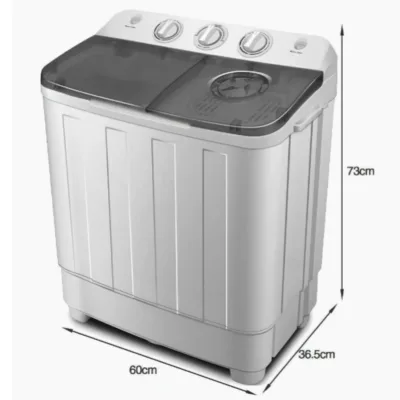
Furthermore, buyers must plan for the logistical and operational aspects of receiving and distributing these machines, including storage and handling requirements. The weight and dimensions of the units, such as a net weight of thirteen point five kilograms and dimensions of six hundred fifty by four hundred by seven hundred forty millimeters, impact storage space and handling equipment needs. Buyers should ensure that their warehouses are equipped to handle these bulky items efficiently, minimizing the risk of damage during unloading and storage. Additionally, buyers should consider the after-sales service provided by the supplier, such as free spare parts, which can reduce the cost and complexity of maintaining the products in the field. By carefully planning the commercial terms and logistical requirements, buyers can optimize their supply chain, reduce costs, and ensure a smooth transition from order placement to product delivery. This comprehensive approach to order planning helps buyers mitigate risks and maximize the value of their sourcing investments in the Mini Twin Tub Washing Machine market.
FAQs
What is the price range for mini twin tub washing machines?
Prices typically range from approximately $37.32 to $46.27 per unit. This cost reflects standard semi-automatic models with mechanical controls. Buyers should verify final pricing based on order volume and specific customization requirements. Shipping costs and taxes are usually excluded from these base unit rates.
What is the minimum order quantity for these machines?
Minimum order quantities generally start at 300 units for standard models. Some suppliers may require higher volumes, such as 483 units, to meet specific packaging or production efficiency targets. Buyers should confirm the exact MOQ with the supplier before placing an order to ensure alignment with their inventory needs.
How long does production take for these orders?
Standard lead times are approximately 25 days from order confirmation. This duration allows for manufacturing, quality control, and packaging preparation. Buyers should account for additional time required for international shipping and customs clearance when planning their inventory replenishment schedules to avoid stockouts.
What certifications are available for these washing machines?
Common certifications include CE and Declaration of Conformity. These documents verify that the appliances meet specific safety and performance standards for the target market. Buyers should request valid certificates for their specific region to ensure compliance with local import regulations and electrical safety requirements.
What is the washing capacity of these mini machines?
Washing capacities typically range from 3.5 kg to 5.5 kg. This makes them suitable for households, hotels, or small laundry operations. Buyers should select the capacity that best matches their intended use case, as larger capacities may require slightly more power and space.
Where are these washing machines manufactured?
These machines are primarily manufactured in Zhejiang, China. This region is known for its robust home appliance manufacturing infrastructure. Buyers should verify the specific factory location to assess logistics options and potential shipping costs to their destination port.
What warranty is provided for these products?
A standard one-year warranty is commonly offered by suppliers. This coverage typically includes free spare parts for manufacturing defects. Buyers should clarify the specific terms of the warranty, including how claims are processed and whether labor costs are covered during the warranty period.