Hydraulic Head PTZ Tripod Suppliers and Manufacturers
Explore 21 verified suppliers offering Hydraulic Head PTZ Tripod options with varying lead times, response speeds, and locations in China. Compare specifications like load capacity and leg sections, then request quotes to finalize your sourcing decision; review the available evidence before requesting comparable quotations from suitable candidates.
Suppliers List
Xuzhou Angju International Trade Co., Ltd.
- Trading Company
- Jiangsu, China
- Lead time10 days
- Avg. response≤ 5h
Main productsPhotography accessories,Tripod,Led Ring Light,phone holder,Excavator Simulator
Main marketsDomestic Market(20.00%), Western Europe(20.00%), North America(20.00%), Eastern Europe(5.00%), Southern Europe(5.00%), Central America(5.00%), South America(5.00%), Eastern Asia(5.00%), Mid East(5.00%), Oceania(5.00%), Southeast Asia(5.00%)

Shaanxi Deruite Industry and Trade Co., Ltd.
- Verified by BV
- Trading Company
- China Shaanxi
- Lead time23 days
- Avg. response≤ 6h
Main productsSurveying Instrument, Accessories, Tripod, Staff, Prism, Prism Poles
Main marketsSouth America,Africa,Southeast Asia/ Mideast,East Asia(Japan/ South Korea),Europe,Australia,North America

Rizhao Fenghua Scaffoldings Co., Ltd.
- Verified by BV
- Combined
- China Shandong
- Lead time45 days
- Avg. response≤ 14h
Main productsScaffolding, Scaffold, Forging, Formwork, Scaffold Couplers, Swivel Coupler, Frame System, Hand Tools, Scaffold Plank
Main marketsSouth America,East Asia(Japan/ South Korea),Europe,North America

Zhongshan Yunteng Photographic Equipment Co., Ltd.
- Verified by SGS
- Combined
- China Guangdong
- Lead time45 days
- Avg. response≤ 3h
Main productsTripod, Stand, Selfi, Stick, Camera Accessory, Phone Accessory, Monopod, Light Stand, Mobile Holder, Panhead
Main marketsEast Asia(Japan/ South Korea),Europe

Shijiazhuang Hanpiao Metal Work Co., Ltd.
- Verified by SGS
- Manufacturer
- China Hebei
- Lead time15 days
- Avg. response≤ 7h
Main productsFormwork Accessories, Flat Tie Wall Tie, Wedge Pin Wedge Bolt, Form Tie B Cone D Cone, Tie Nut Tie Rod
Main marketsSoutheast Asia/ Mideast,East Asia(Japan/ South Korea),North America


Durable Silver Tripod with Galvanized Surface and Technical Assistance
$9.00 - $17.00
MOQ: 5000 Pieces

Silver Tripod with Galvanized Surface and Comprehensive Technical Support
$9.00 - $17.00
MOQ: 5000 Pieces
Shenzhen Hongtu Zhanfei Technology Co., Ltd.
- Manufacturer, Trading Company
- Guangdong, China
- Lead time0 days
- Avg. response≤ 3h
Main productsStabilizer,Microphone,Camera Accessories,Digital Storage Box,Camera Tripod.
Main marketsWestern Europe(15.00%), Northern Europe(13.00%), Oceania(10.00%), Domestic Market(10.00%), South Asia(10.00%), Central America(10.00%), Mid East(9.00%), South America(8.00%), North America(5.00%), Eastern Asia(2.00%), Africa(2.00%), Southeast Asia(2.00%), Southern Europe(2.00%), Eastern Europe(2.00%)
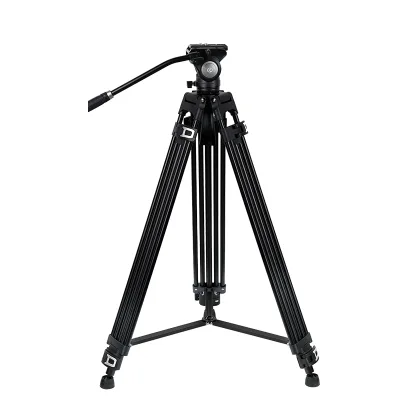
YC Onion TPAP160 Professional SLR Hydraulic Damping PTZ Center Row Tube Tripod Photography
$125.16 - $438.37
MOQ: 1 Minimum
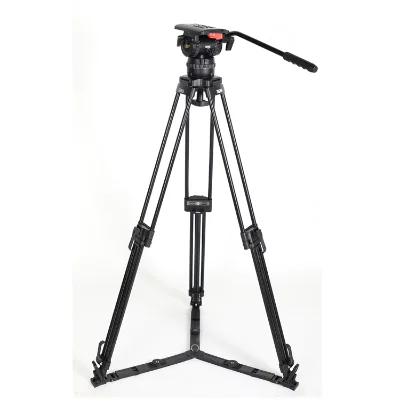
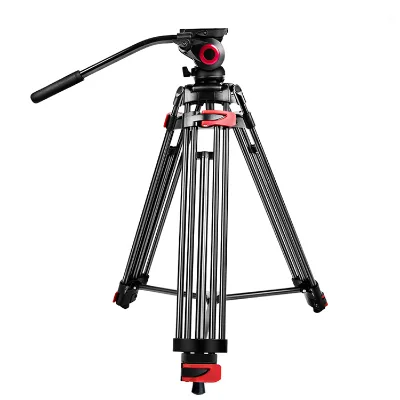
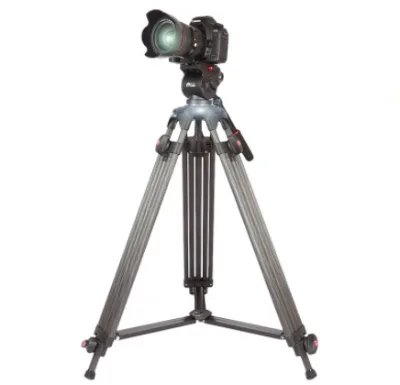
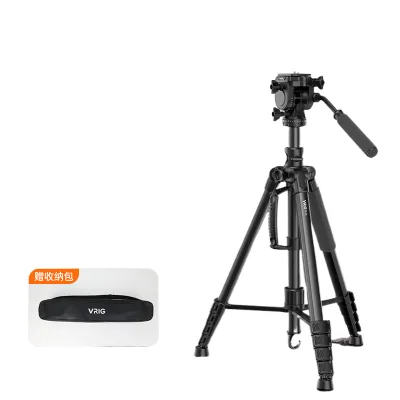
Jieyang JY0508C carbon fiber tripod professional camera SLR hydraulic damping head Best Price
$111.80 - $114.50
MOQ: 10 pieces

Shandong China Coal Construction Machinery Co., Ltd.
- Verified by BV
- Combined
- China Shandong
- Lead time30 days
- Avg. response≤ 3h
Main productsMini Excavator, Wheel Excavator, Road Roller, Road Loader, Spider Crane, Lawn Mower, Electric Forklift, Steel Rail, Concrete Pump, Small Excavator
Main marketsSouth America,North America

Safety Tripod High Quality Material Selection Earthquake Rescue Tripod
$230.00 - $350.00
MOQ: 1 Pieces

Mining Coal Safety Guard Aluminum Rescue Tripod High Quality Rescue Tripod
$230.00 - $350.00
MOQ: 1 Pieces

Limited Protection Is Suitable for in High Cliffs and Confined Spaces Tripod
$230.00 - $350.00
MOQ: 1 Pieces

$230.00 - $350.00
MOQ: 1 Pieces

- Manufacturer, Trading Company
- Shandong, China
- Lead time3 days
- Avg. response≤ 4h
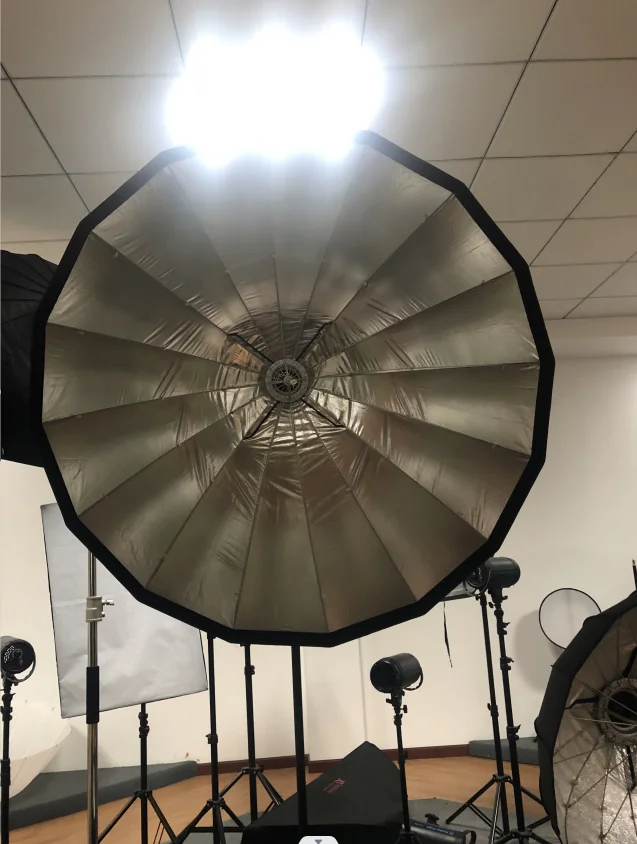
Main productsBackdrops,Video Lights,Softboxes,Light Stands,Backdrop Support System
Main marketsCentral America(15.00%), South America(15.00%), North America(15.00%), Western Europe(10.00%), Northern Europe(10.00%), Africa(10.00%), Eastern Europe(10.00%), Southern Europe(5.00%), Eastern Asia(5.00%), Southeast Asia(5.00%)
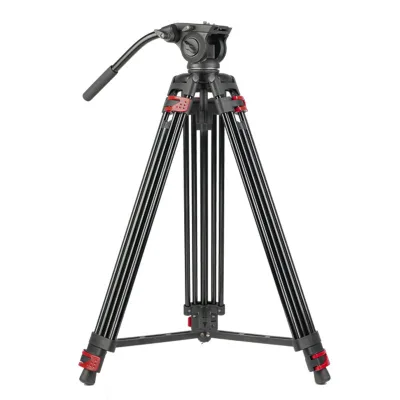
$39.19 - $49.36
MOQ: 2 pieces
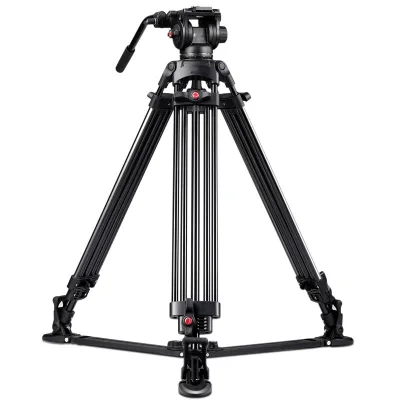

Guangdong Yisitu Tech Optical Instrument Co., Ltd.
- Verified by SGS
- Combined
- China Guangdong
- Lead time23 days
- Avg. response≤ 3h
Main productsTripod, Bipod, Scope Sight
Main marketsDomestic
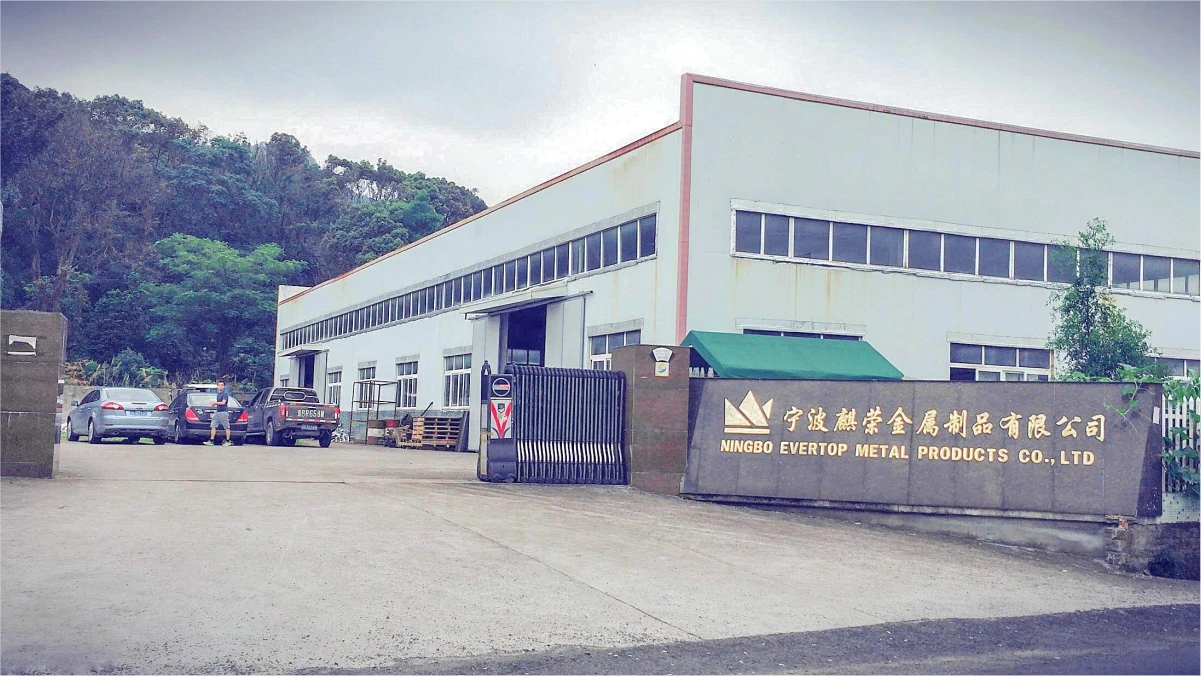
Ningbo Evertop Metal Products Co., Ltd.
- Manufacturer, Trading Company
- Zhejiang, China
- Lead time30 days
- Avg. response≤ 1h
Main productsTablet Kiosk Stand,Tablet Stand,Tripod,Photographic accessories,iPad Stand
Main marketsNorth America(30.00%), Eastern Asia(20.00%), South America(20.00%), Western Europe(10.00%), Mid East(5.00%), Oceania(5.00%), South Asia(5.00%), Northern Europe(2.00%), Africa(2.00%), Eastern Europe(2.00%), Southeast Asia(1.00%), Southern Europe(1.00%)
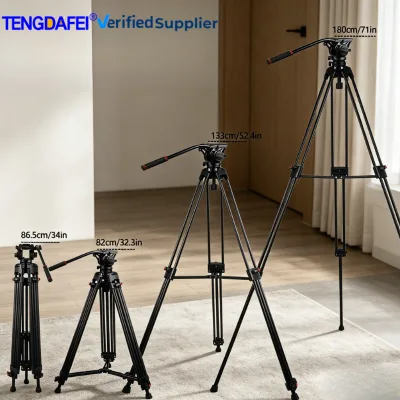
Tengdafei Digital Technology (Dongguan) Co., Ltd.
- Verified by TüVRheinland
- Manufacturer, Trading Company
- Lead time7 days
- Avg. response≤ 2h
Main productsPhotographic Equipment, Digital Accessories, Precision Hardware, Outdoor Equipment
Main marketsDomestic Market(90%), North America(10%)
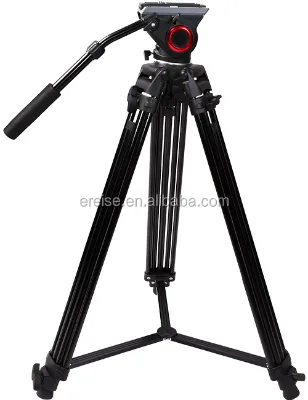
Ningbo E-Reise Photographic Equipment Co., Ltd.
- Manufacturer
- Zhejiang, China
- Lead time0 days
- Avg. response≤ 12h
Main productsPhotographic Equipment,comsumer electronics
Main marketsDomestic Market(30.00%), Western Europe(30.00%), South America(20.00%), Southeast Asia(10.00%), North America(10.00%)

Shanghai Rainbow Industry and Trade Co., Ltd.
- Verified by TUVRHEINLAND
- Trading Company,Manufacturer/Factory
- China Shanghai
- Lead time45 days
- Avg. response≤ 3h
Main productsSpirit Level, Torpedo and Pocket Spirit Level, Box Torpedo Spirit Level, Heavy Duty I-Beam Spirit Level, Cast Torpedo Spirit Level, Heavy Duty Tripod, Self Inking Stamp, Carpenter Pencil, Tamper Proof Void Seal, Label
Main marketsEastern Europe,North America,Africa

Shandong China Coal Industrial & Mining Supplies Group Co., Ltd.
- Verified by BV
- Manufacturer/Factory
- China Shandong
- Lead time98 days
- Avg. response≤ 2h
Main productsMine Car, Mucking Loader, Mining Locomotive, U Steel Support, Mine Support, Wall Cement Plaster Machine, Scraper Conveyor, Crawler Dumper, Concrete Pump
Main marketsSouth America,Eastern Europe,Mid East,North America,Southeast Asia,Eastern Asia,Oceania,Western Europe,Africa
Ningbo Focus Studio Equipment Co., Ltd.
- Manufacturer, Trading Company
- Zhejiang, China
- Lead time30 days
- Avg. response≤ 2h
Main productsPhoto Studio Accessories
Main marketsDomestic Market(70.00%), North America(12.00%), Western Europe(9.00%), Southeast Asia(5.00%), Eastern Asia(2.00%), South America(1.00%), Mid East(1.00%)
- Verified by TüVRheinland
- Trading Company
- Lead time15 days
- Avg. response≤ 6h
Main productsPhotographic Flash, Continuous Light, LED Panel Light, Light Stand, Photography Accessories
Main marketsNorth America(15%), South America(15%), Southeast Asia(10%)

Shandong Sheenrun Optics & Electronics Co., Ltd.
- Verified by BV
- Combined
- China Shandong
- Lead time23 days
- Avg. response≤ 3h
Main productsCCTV Camera, Long Range Camera, Laser Night Vision Camera, Thermal Imaging Camera, Thermal Camera, Laser Camera, Night Vision Camera, Long Range Thermal Camera, PTZ, IR Camera
Main marketsSouth America,Southeast Asia/ Mideast,Domestic,Europe,North America


Motorized Pan Tilt Head Double Cabin PTZ Camera Pan Tilt Head Outdoor IP66 Excellent Supplier
$10000.00 - $50000.00
MOQ: 1 Pieces


High Speed 360 Degree Rotation Pan Tilt System PTZ Head for Mounted Camera
$900.00 - $1000.00
MOQ: 1 Pieces

Heavy-Duty 50kg-Payload High Speed Intelligent Pan Tilt Head for PTZ Camera
$600.00 - $2000.00
MOQ: 1 Pieces


Cangzhou Yingsheng Hardware Manufacturing Co., Ltd.
- Verified by SGS
- Combined
- China Hebei
- Lead time15 days
- Avg. response≤ 10h
Main marketsDomestic

Beijing Topsky Century Holding Co., Ltd.
- Manufacturer
- China Beijing
- Lead time0 days
- Avg. response≤ 10h
Main productsSecurity and Protection Equipment, Speical Force Device, Public Security Equipment, See Through Wall Radar, Silent Drill, Gas Detector, Measure Equipment, Personal Protection, Firefighting Equipment, Rescue Tools

Zhejiang Luode Intelligent Technology Co., Ltd
- Verified by SGS
- Combined
- China Zhejiang
- Lead time15 days
- Avg. response≤ 24h
Main marketsDomestic
Ningbo Efoto Technology Co., Ltd.
- Manufacturer, Trading Company
- Zhejiang, China
- Lead time30 days
- Avg. response≤ 2h
Main productsStudio Equipment, Photography Accessories, Camera Tripods
Main marketsDomestic Market(49.00%), North America(10.00%), South America(8.00%), Southern Europe(7.00%), Northern Europe(7.00%), Western Europe(6.00%), Central America(5.00%), South Asia(3.00%), Eastern Europe(3.00%), Africa(2.00%)
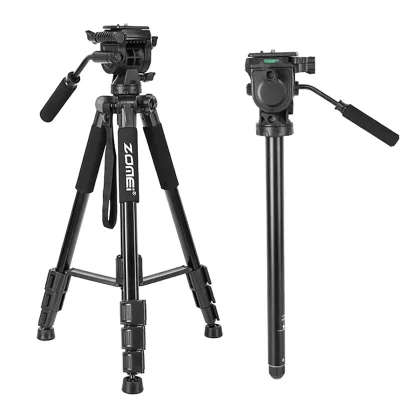
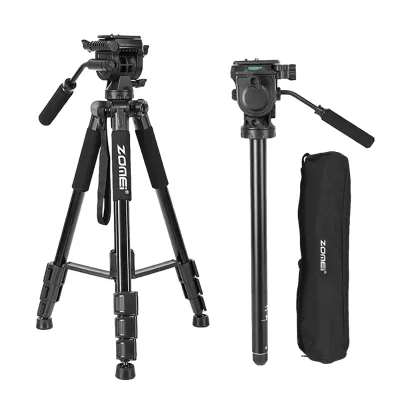






Comprehensive Sourcing Guide
Hydraulic Head PTZ Tripod Supplier Concentration and Factory Types
The available data indicates a concentration of suppliers in Jiangsu, China, where specific manufacturers list their place of origin for hydraulic damping PTZ tripods. These entities often operate as trading companies rather than direct factories, offering a range of photography accessories alongside specialized surveying instruments. The presence of brands like ZOMEI and BS180 in product attributes suggests that some suppliers may handle OEM arrangements or distribute established brand lines. Buyers should note that while Jiangsu appears as a primary hub for these specific camera and video accessories, other regions like Shaanxi are also represented in the results, particularly for surveying-related tripods with different technical specifications.
When evaluating the factory type, it is crucial to distinguish between trading companies and manufacturing units based on the provided company_type data. Many listed suppliers identify as trading companies, which implies they may source products from various factories before selling to international buyers. This structure can affect lead times and communication efficiency, as the trading company acts as an intermediary. Buyers should verify if the supplier has direct control over the production line or if they rely on third-party manufacturers. The diversity in main products, ranging from simple phone holders to complex excavator simulators, indicates that some suppliers are generalists rather than specialists in hydraulic head PTZ technology.
How to Verify Hydraulic Head PTZ Tripod Suppliers
Verification begins with checking for specific credentials such as BV verification status, which is explicitly noted for certain suppliers in the current results. This badge serves as a third-party confirmation of the supplier's business legitimacy and operational capacity. Buyers should request to see the actual verification certificate and cross-reference the company name and address with the provided data. In the absence of visible verification badges, buyers must ask for business licenses and proof of export history to ensure the entity is a legitimate operating business. Relying solely on platform ratings without physical or digital verification documents poses a significant risk to the procurement process.
Product evidence provides another layer of verification through detailed attribute matching. Buyers should compare the listed specifications, such as load capacity, leg sections, and material composition, against the physical samples or detailed datasheets provided by the supplier. For instance, the Q310 model lists a specific load capacity of 5 KG and an extended length of 1700 mm, while the BS180 model supports up to 10 KG. Discrepancies between the advertised attributes and the actual product received can indicate a lack of quality control or misrepresentation. Buyers should insist on video calls or live factory tours to confirm that the production capabilities match the claimed specifications for hydraulic rotary PTZ heads.
What to Compare Across Hydraulic Head PTZ Tripod Suppliers
Comparing suppliers requires a focus on operational metrics such as response time and lead time, which vary significantly across the available results. Some suppliers demonstrate a response time of 5 days, while others may take up to 5.52 days, indicating differences in customer service efficiency. Lead times also fluctuate, with some suppliers offering a 10-day turnaround and others requiring 23 days. These differences directly impact project planning and inventory management. Buyers should prioritize suppliers with faster response times to ensure quick resolution of technical queries and order adjustments, especially when dealing with custom hydraulic head configurations.
Price and minimum order quantity (MOQ) are critical financial factors that must be evaluated alongside product specifications. The data shows price ranges from approximately 15.98 to 79.00 depending on the model and features, such as the inclusion of a handbag or specific hydraulic damping capabilities. Some suppliers list an MOQ of 1, which is beneficial for small-scale testing, while others may have higher thresholds not explicitly detailed in the current snippet. Buyers should calculate the total landed cost, including shipping and potential tariffs, rather than focusing solely on the unit price. Comparing the single gross weight and package dimensions is also essential for logistics planning, as heavier items like the 5.0 kg BS180 tripod will incur higher shipping costs than lighter alternatives.
Common Hydraulic Head PTZ Tripod Sourcing Risks
One significant risk involves the inconsistency of product attributes across different listings from the same or similar suppliers. For example, while one listing for a Q310 tripod specifies a load capacity of 5 KG, another might list different dimensions or materials without clear explanation. This inconsistency can lead to receiving products that do not meet the specific requirements of the buyer's application, particularly for professional video or surveying work where precision is paramount. Buyers must ensure that the product evidence provided matches the final contract specifications to avoid disputes over quality and performance standards.
Another risk is the potential for supply chain delays due to the trading company structure of many suppliers. Since these entities may not own the manufacturing facilities, they rely on the production schedules of their upstream partners. If a factory faces capacity issues or raw material shortages, the trading company may not be able to guarantee the quoted lead time of 10 or 23 days. This lack of direct control can result in missed deadlines and increased costs for the buyer. To mitigate this, buyers should request a detailed production schedule and confirm the supplier's ability to handle rush orders or provide alternative sourcing options if the primary line is delayed.
Hydraulic Head PTZ Tripod Regional Sourcing and Logistics
Regional sourcing strategies should account for the specific locations identified in the supplier data, such as Jiangsu and Shaanxi in China. Jiangsu is a known hub for consumer electronics and camera accessories, which often translates to established logistics networks and competitive shipping rates for lighter items like the 1.75 kg Q310 tripod. In contrast, suppliers in Shaanxi may specialize in heavier surveying instruments, which could involve different shipping considerations and potentially higher freight costs due to the weight and dimensions of the products. Buyers should analyze the shipping origin to estimate transit times and costs accurately, as regional infrastructure varies significantly.
Logistics planning must also consider the packaging details provided in the product evidence, such as single package sizes and gross weights. For instance, the Q310 tripod is packaged in a 60x12x12 cm box with a gross weight of 2.0 kg, while the BS180 model requires a larger 56x25x25 cm package weighing 5.0 kg. These dimensions affect how many units can be consolidated into a single container, directly impacting the cost per unit for international shipping. Buyers should request detailed packing lists and coordinate with freight forwarders to optimize container utilization. Understanding the specific packaging requirements helps in avoiding unexpected surcharges and ensures that the products arrive in good condition without damage during transit.
Hydraulic Head PTZ Tripod Commercial Terms and Order Planning
Commercial terms regarding payment and escrow are vital for securing the transaction and protecting the buyer's interests. While specific escrow details are not explicitly listed in the current data, buyers should always utilize secure payment methods that offer protection against non-delivery or quality issues. It is advisable to negotiate terms that include a portion of payment upon shipment and the remainder upon receipt, ensuring that the supplier has an incentive to deliver on time and meet quality standards. Buyers should also clarify the Incoterms, such as FOB or CIF, to understand who is responsible for insurance and freight costs at each stage of the journey.
Order planning should be based on the confirmed lead times and MOQs to ensure a smooth supply chain flow. With lead times ranging from 10 to 23 days, buyers need to factor in production time, shipping duration, and potential customs clearance delays when setting delivery dates. For suppliers with an MOQ of 1, buyers can start with small test orders to validate quality before committing to larger volumes. However, for bulk orders, buyers should plan for longer lead times to accommodate potential production bottlenecks. Establishing a clear communication channel with the supplier for regular updates on production status is essential to manage expectations and address any issues proactively.
FAQs
What is the typical lead time for hydraulic PTZ tripods?
The typical lead time for these tripods is 10 days based on current supplier data. Some suppliers in Shaanxi offer a longer lead time of 23 days. Buyers should confirm specific delivery schedules with the trading company before placing an order to ensure timely arrival.
What is the minimum order quantity for these tripods?
The minimum order quantity is 1 unit for the elevating tripod models available. This low MOQ allows buyers to test product quality without committing to large volumes. Most suppliers list single item selling units, making it easy to start with a small initial purchase.
Where are the hydraulic PTZ tripods manufactured?
These tripods are manufactured in Jiangsu, China, and Shaanxi, China. The products originate from these specific regions as indicated in the product attributes. Buyers can verify the place of origin on the product details page to ensure the location matches their sourcing requirements.
What is the load capacity of the hydraulic PTZ tripods?
The load capacity varies by model, with some supporting up to 5 KG and others up to 10 KG. The Q310 model supports 5 KG while the BS180 model supports 10 KG. Always check the specific product attributes for the maximum bearing capacity before selecting a tripod.
How quickly do suppliers respond to inquiries?
Suppliers typically respond within 5 to 5.52 hours based on the provided data. This response time indicates a relatively quick turnaround for initial communication. Buyers should expect a prompt reply when contacting trading companies regarding hydraulic PTZ tripod specifications and pricing.
What is the price range for hydraulic PTZ tripods?
The price range varies significantly, starting from approximately 15.98 USD up to 79.00 USD. Lower-priced models like the Q310 start around 15.98 USD, while surveying tripods can reach 79.00 USD. Buyers should compare specific product listings to find the best price for their needs.
Are customization options available for these tripods?
Customization is available for certain models like the DRT220 elevating tripod. Some suppliers offer OEM services and custom processing options. Buyers should verify the specific customization capabilities with the supplier to ensure the product meets their unique requirements before finalizing the order.