Source Engine Protection Motor Oil for Lubrication Sealing Cooling
Find 30 verified listings for Engine Protection Motor Oil suitable for lubrication, sealing, and cooling applications. Buyers can compare viscosity grades, base oil types, and packaging options from suppliers in China.
Key considerations
Products List


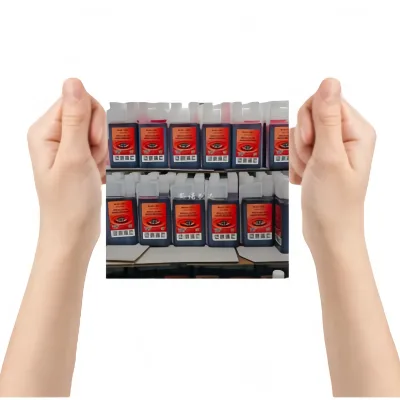


Advanced Long Life Motor Oil with Exceptional Oxidation Resistance Properties
$4.00 - $5.00
MOQ: 1 Pieces

High Performance Low Friction Engine Oil with Excellent Wear Protection Features
$4.00 - $5.00
MOQ: 1 Pieces

High Performance Low Temperature Flow Oil with Quick Cold Start Protection
$4.00 - $5.00
MOQ: 1 Pieces
Comprehensive Sourcing Guide
Strategic Sourcing Guide for Engine Protection Motor Oil
The global market for Engine Protection Motor Oil is defined by a complex interplay of base oil chemistry, additive package efficacy, and specific viscosity requirements tailored to diverse engine architectures. For procurement professionals, sourcing this critical industrial and automotive consumable requires a disciplined approach that prioritizes technical alignment over superficial marketing claims. The available supply chain, particularly originating from major manufacturing hubs in China, offers a wide spectrum of options ranging from mineral-based formulations to advanced synthetic blends. This guide outlines the essential criteria for evaluating suppliers, interpreting technical specifications, and managing the procurement lifecycle to ensure consistent engine performance and longevity.
Technical Specifications and Base Oil Chemistry
The foundation of any effective Engine Protection Motor Oil lies in its base oil type and viscosity grade. The supply data indicates a diverse range of base stocks available to buyers, including bio-based oils, mineral oils, and synthetic oils. Each category presents distinct advantages and limitations regarding thermal stability, oxidation resistance, and cold-start performance. Mineral oils, often cited in standard formulations, provide a cost-effective baseline for general lubrication but may require more frequent changes in high-stress environments. Conversely, synthetic oils offer superior thermal stability and extended drain intervals, making them preferable for high-performance or heavy-duty applications.
Viscosity is the second critical technical parameter. The observed market data highlights specific viscosity grades such as SAE 5W, SAE 15W, and SAE 10W, alongside multi-grade designations like 5W-40, 10W-40, and 0W-20/30. The "W" designation indicates winter performance, while the second number represents viscosity at operating temperature. Procurement teams must verify that the selected grade aligns with the original equipment manufacturer (OEM) specifications for the target engines. For instance, a 5W-40 grade is frequently associated with diesel engine applications (e.g., CI-4), whereas 0W-20 or 5W-30 are often specified for modern gasoline engines requiring high fuel efficiency. The presence of specific model identifiers like "SP 5W-30" or "L-HM" suggests adherence to specific industry performance standards, which buyers should cross-reference against their fleet requirements.
Additive Packages and Functional Performance
Beyond the base stock, the additive package determines the oil's ability to protect engine components under extreme conditions. The available product listings reveal a consistent inclusion of key functional additives: Viscosity Index Improvers, Friction Modifiers, Anti-Wear Additives, Dispersants, and Antioxidants. Viscosity Index Improvers are essential for maintaining consistent film thickness across a wide temperature range, preventing the oil from becoming too thin at high temperatures or too thick in cold starts. Friction modifiers reduce energy loss and wear, while anti-wear additives form protective layers on metal surfaces to prevent scuffing and pitting.
Dispersants play a crucial role in keeping engine sludge and soot suspended in the oil, preventing them from settling and clogging oil passages. Antioxidants are vital for extending the oil's service life by resisting oxidation, which leads to sludge formation and acid buildup. The application data further confirms that these oils are engineered for shock absorption, sealing, rust prevention, and cooling. When evaluating potential suppliers, buyers should request detailed additive sheets to confirm the presence and concentration of these critical components. It is important to note that while some listings mention "Free" samples or "Customizable" additive profiles, the specific formulation must be validated through laboratory testing to ensure it meets the rigorous demands of the intended application.
Compliance, Standards, and Certification Verification
In the B2B procurement of motor oil, compliance with industry standards is non-negotiable. The market data references several standard designations, including "SP 5W-30," "CI-4," and "L-HM," which correspond to specific performance levels set by organizations like the American Petroleum Institute (API) or the International Lubricant Standardization and Approval Committee (ILSAC). The "SP" designation, for example, represents the latest gasoline engine service category, offering improved protection against low-speed pre-ignition and enhanced fuel economy. Similarly, "CI-4" is a standard for diesel engines, indicating suitability for high-speed, four-stroke diesel engines with exhaust gas recirculation.
Buyers must verify that the products they source carry the correct API or ILSAC certification marks. The provided data lists various packaging standards, such as 1L, 4L, 5L, 20L, and 200L drums, but these are physical specifications rather than performance certifications. A critical step in the sourcing process is to demand proof of certification for the specific batch being purchased. Suppliers claiming to offer "Customizable" standards or "All Packages" must demonstrate that their custom formulations still meet the requisite performance benchmarks. Without verified certification, the risk of engine failure, warranty voidance, and non-compliance with local environmental regulations increases significantly.
Cost Drivers and Procurement Economics
The economics of sourcing Engine Protection Motor Oil are influenced by several variables, including base oil type, packaging, and order volume. The observed price range in the market spans from $0.90 to $11.25 USD, a significant variance that reflects differences in product quality, base oil composition, and packaging formats. Synthetic oils and those with advanced additive packages typically command higher prices than mineral-based alternatives. Packaging also plays a role; bulk purchases in 200L drums generally offer a lower cost per liter compared to smaller 1L or 4L cartons, which are more suitable for retail or small fleet maintenance.
Minimum Order Quantities (MOQs) observed in the market range from 1 unit to 15,000 units, indicating a flexible supply chain that can accommodate both small startups and large industrial enterprises. Buyers should negotiate based on their volume requirements, as higher volumes often unlock better pricing tiers and more favorable shipping terms. Additionally, the availability of customization options can impact costs. While some suppliers offer "Customizable" packing and standards, these bespoke solutions may incur setup fees or require higher MOQs to be economically viable. Understanding these cost drivers allows procurement teams to balance budget constraints with the technical requirements of their operations.
Supplier Evaluation and Quality Assurance
Evaluating suppliers for motor oil requires a multi-faceted approach that goes beyond price comparisons. The data indicates that the primary origin for these products is China, with specific mentions of Handan as a manufacturing location. While this provides a geographical context, buyers must conduct rigorous due diligence on the supplier's manufacturing capabilities and quality control systems. Key evaluation criteria include the supplier's ability to provide samples, their acceptance of OEM requirements, and their track record for consistency.
The availability of samples, including "Free" samples in some cases, is a valuable tool for initial verification. Buyers should utilize these samples to conduct in-house testing or third-party analysis to confirm viscosity, flash point, and pour point against the claimed specifications. The observed data lists specific physical properties, such as a flash point of 230°C and a pour point of -43°C, which serve as benchmarks for quality. However, these values should be treated as observations from specific listings rather than universal guarantees. A robust supplier evaluation process includes auditing the supplier's quality management systems, verifying their testing protocols, and ensuring they have the capacity to maintain consistent product quality across large production runs.
Long-Term Procurement and Supply Chain Resilience
Sourcing Engine Protection Motor Oil is not merely a transactional activity but a strategic initiative that impacts long-term operational reliability. The ability of a supplier to offer "Customization" and "OEM" acceptance is crucial for buyers with specific fleet requirements or proprietary engine technologies. Long-term procurement strategies should focus on building partnerships with suppliers who demonstrate flexibility, transparency, and a commitment to continuous improvement. This includes maintaining open communication channels regarding supply chain disruptions, raw material availability, and regulatory changes.
Buyers should also consider the environmental implications of their sourcing decisions. The presence of "Bio-based Oil" in the product listings suggests a growing market segment focused on sustainability. Incorporating bio-based or high-efficiency synthetic oils can reduce the environmental footprint of fleet operations and align with corporate sustainability goals. Furthermore, establishing a clear protocol for quality control and batch testing ensures that any deviations in product performance are identified and addressed promptly. By prioritizing technical alignment, verified compliance, and supplier reliability, procurement professionals can secure a steady supply of high-quality Engine Protection Motor Oil that safeguards their assets and optimizes operational efficiency.
Comparative Analysis of Product Attributes
To facilitate decision-making, the following table summarizes the key technical and commercial attributes observed in the current market supply. This comparison highlights the diversity of options available to buyers and underscores the importance of matching specific product characteristics to operational needs.
| Attribute Category | Observed Options | Strategic Implication |
|---|---|---|
| Base Oil Type | Bio-based, Mineral, Synthetic | Determines thermal stability, drain intervals, and environmental impact. |
| Viscosity Grades | SAE 5W, 10W, 15W; 5W-40, 10W-40, 0W-20/30 | Must match OEM engine specifications for optimal protection. |
| Additive Package | Viscosity Index Improvers, Friction Modifiers, Anti-Wear, Dispersants, Antioxidants | Critical for wear protection, sludge control, and oxidation resistance. |
| Packaging Formats | Carton, Bottle Drum, Wooden Package, 1L-200L | Impacts storage, handling, and cost per unit based on volume. |
| Standards/Certification | SP 5W-30, CI-4, L-HM, Customizable | Ensures compliance with industry performance benchmarks. |
| Origin | China (including Handan) | Indicates manufacturing hub; requires supplier vetting for quality. |
| MOQ Range | 1 to 15,000 units | Allows flexibility for small and large volume procurement. |
| Price Range | $0.90 - $11.25 USD | Reflects differences in formulation, packaging, and volume. |
This structured overview enables buyers to quickly identify the product attributes that align with their specific requirements, ensuring a more informed and effective sourcing strategy. By adhering to these guidelines and maintaining a focus on technical verification, organizations can secure reliable engine protection solutions that deliver consistent performance and value.
FAQs
What base oil types are available for Engine Protection Motor Oil?
Buyers can source Engine Protection Motor Oil in bio-based, mineral, and synthetic varieties. These options provide different thermal stability and drain interval capabilities depending on the specific engine requirements and operating conditions.
Which viscosity grades are commonly offered in the current supply?
Commonly offered grades include SAE 5W, 10W, and 15W, alongside multi-grade options like 5W-40 and 10W-40. Selecting the correct grade is essential to align with original equipment manufacturer specifications for optimal engine protection.
How are additive packages formulated to protect engine components?
Additive packages typically include viscosity index improvers, friction modifiers, anti-wear additives, dispersants, and antioxidants. These components work together to maintain film thickness, reduce wear, prevent sludge, and resist oxidation under extreme conditions.
Can suppliers offer customization for packaging and standards?
Yes, suppliers often provide customizable packaging and standards to meet specific buyer needs. Options range from standard cartons and drums to wooden packages, with some vendors accepting OEM requirements for tailored formulations and container sizes.
What certifications should be verified for Engine Protection Motor Oil?
Buyers should verify certifications such as SP 5W-30 for gasoline engines and CI-4 for diesel applications. These designations indicate compliance with specific industry performance benchmarks set by organizations like the American Petroleum Institute.
How does the price range vary across different product types?
The observed price range spans from 0.90 to 11.25 USD per unit, influenced by base oil type and packaging. Synthetic oils and advanced additive packages generally command higher prices compared to mineral-based alternatives.
What is the typical minimum order quantity for sourcing this product?
Minimum order quantities observed in the market range from 1 unit up to 15,000 units. This flexibility allows procurement teams to accommodate both small startup needs and large industrial enterprise requirements effectively.
Where are the primary manufacturing locations for these motor oils?
The primary origin for these products is China, with specific manufacturing hubs noted in locations like Handan. Buyers should conduct due diligence on local suppliers to ensure quality control and consistent product performance.