Source IP68 Waterproof RJ45 Ethernet Connector for Industrial, Outdoor, Marine
Explore 30 listings for the IP68 Waterproof RJ45 Ethernet Connector featuring materials like phosphor bronze and PC/ABS. Buyers can compare specifications including CAT6 ratings, voltage up to 1000V, and certifications such as CE and RoHS from suppliers in China.
Key considerations
Products List
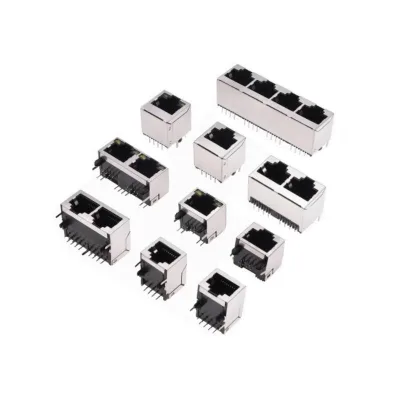
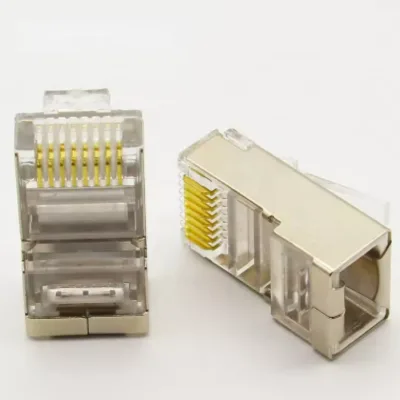


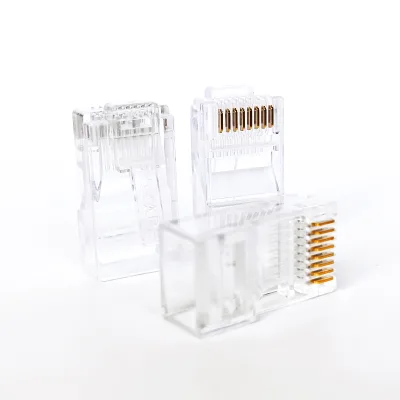
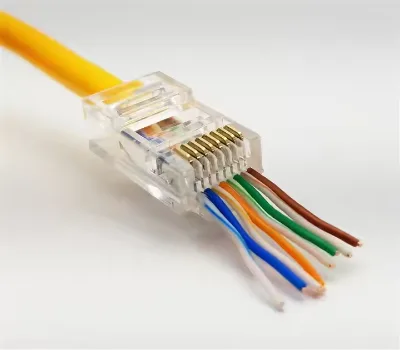


Comprehensive Sourcing Guide
Strategic Sourcing Guide for IP68 Waterproof RJ45 Ethernet Connectors
Procuring industrial-grade networking components requires a rigorous approach to technical verification and supply chain reliability. The core keyword "IP68 Waterproof RJ45 Ethernet Connector" represents a specific class of hardware designed to maintain signal integrity in harsh environments where moisture, dust, and submersion are constant risks. For B2B buyers, the distinction between a standard indoor connector and a robust outdoor or industrial unit is critical. This guide synthesizes observed market data and technical attributes to provide a framework for evaluating suppliers, validating specifications, and ensuring long-term operational stability without relying on unverified marketing claims.
Technical Architecture and Material Composition
The fundamental performance of an IP68-rated connector relies heavily on its internal material composition and physical construction. Observed product data indicates a divergence in contact materials, with some listings specifying Phosphor Bronze with Gold Plating, while others cite Brass. For high-frequency applications involving CAT6, CAT6A, or CAT7 standards, the choice of contact material directly influences signal transmission quality and resistance to corrosion. Gold plating is generally preferred for its superior conductivity and resistance to oxidation, which is essential for maintaining low insertion loss over time.
The housing material is equally significant. The data points to PC/ABS (Polycarbonate/Acrylonitrile Butadiene Styrene) as a common composite, offering a balance of impact resistance and thermal stability. A critical observation in the provided specifications is the flame retardant grade, specifically UL94-V0. This classification indicates that the material will self-extinguish rapidly if exposed to an open flame, a non-negotiable safety requirement for installations in enclosed spaces or industrial facilities. Buyers must verify that the listed flame retardant grade applies to the specific batch being procured, as material formulations can vary between manufacturers.
Furthermore, the electrical rating of these connectors is a primary technical constraint. The observed data lists a working voltage of 1000V, which suggests these components are designed for high-voltage isolation requirements often found in industrial automation or heavy machinery. The pin configuration varies, with listings noting 8 pins (8P8C) as the standard for Ethernet, alongside options for 2-core, 3-core, 4-core, and 5-core variants. This variation implies that the "RJ45" form factor may be adapted for non-standard data or power-over-Ethernet (PoE) applications. The working temperature range of -40°C to 105°C is a robust specification that aligns with extreme environmental conditions, ensuring functionality in both arctic and desert climates.
Compliance, Certification, and Regulatory Standards
Navigating the certification landscape is a primary hurdle in international procurement. The observed product attributes list multiple certifications, including CE, RoHS, and IP68. The IP68 rating itself is a specific standard indicating complete protection against dust ingress and the ability to withstand prolonged immersion in water under conditions specified by the manufacturer. However, buyers must exercise caution; the IP68 rating is often self-declared by suppliers unless backed by third-party testing reports. The presence of CE and RoHS marks suggests compliance with European Union safety and environmental directives, but the validity of these marks depends on the supplier's ability to provide the underlying test reports.
The data also highlights a "RoHS" certification, which restricts the use of specific hazardous materials in electronic equipment. While this is a standard requirement for most global markets, the low-confidence background notes that RoHS status should be treated as a background observation rather than a guaranteed fact for every listed item. Buyers should explicitly request the Declaration of Conformity (DoC) and the specific test reports that verify the IP68 rating under the IEC 60529 standard. Additionally, the flame retardant grade of UL94-V0 is a specific material property that should be verified against the UL Yellow Card database or equivalent certification body records to ensure the material has not been substituted with a lower-grade alternative.
Cost Drivers and Pricing Dynamics
The pricing structure for IP68 waterproof connectors is influenced by several variable factors, including the shielding type, the specific cable category (CAT6 vs. CAT7), and the complexity of the locking mechanism. The observed price range in the market spans from $0.01 to $20, a wide disparity that reflects the difference between basic bulk components and high-performance, shielded industrial units. The lower end of this spectrum likely corresponds to unshielded or basic models with minimal plating, while the higher end includes fully shielded, gold-plated connectors designed for high-speed data transmission and harsh environments.
Minimum Order Quantity (MOQ) is another significant cost driver. The observed MOQ range is extensive, from 1 unit to 10,000 units. For small-scale procurement or prototyping, buyers may face higher per-unit costs due to the inability to leverage bulk manufacturing efficiencies. Conversely, large-volume orders can significantly reduce the unit price but require a commitment to a specific inventory level. The single package size of 30x17x10 cm and a gross weight of 2.000 kg per package indicate that shipping costs will be a substantial component of the total landed cost, particularly for international buyers. Buyers should calculate the total cost of ownership, including freight and customs duties, rather than focusing solely on the unit price listed on the product page.
Typical Applications and Installation Requirements
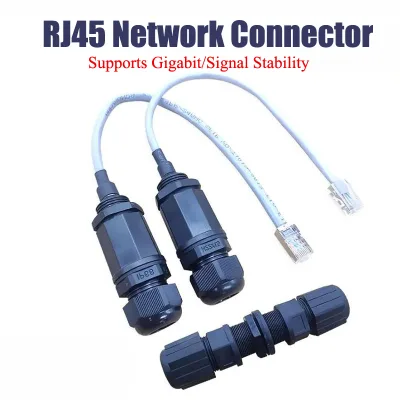
The versatility of these connectors allows them to serve a wide array of applications, from outdoor surveillance systems to industrial control networks. The primary application listed is the "Network Cabling System," which encompasses both commercial and industrial settings. The specific mention of "rj45 waterproof" and "rj45 ip68" in product names confirms their intended use in environments where water ingress is a risk, such as outdoor street lighting, agricultural irrigation controls, or marine environments.
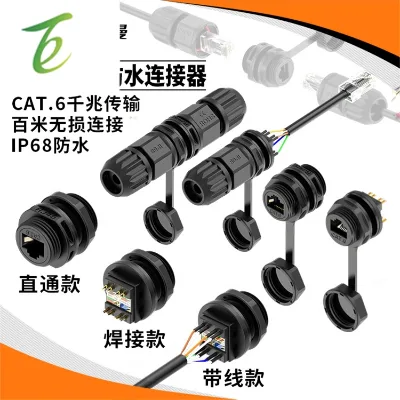
Installation methods vary based on the connector design. The data notes "Flange" as an installation type, which suggests a mounting mechanism that allows the connector to be secured to a panel or enclosure, providing a rigid seal against the environment. The gender of the connector is predominantly listed as "female," which is standard for the end of a cable assembly that plugs into a male port on a switch or device. However, buyers must verify the gender and mating type for their specific project to ensure compatibility. The shielding is listed as "standard," which is crucial for preventing electromagnetic interference (EMI) in industrial settings with high levels of electrical noise. For applications requiring higher performance, such as CAT7 cabling, buyers should confirm if the shielding is enhanced or if the connector supports the higher frequency bands associated with those standards.
Supplier Evaluation and Origin Verification
Evaluating the reliability of a supplier requires a deep dive into their origin and brand consistency. The product data lists multiple places of origin, including Mainland China, Zhejiang, and Guangdong. These regions are known for their electronics manufacturing clusters, but the presence of multiple origin points for similar products can indicate a marketplace with many different vendors rather than a single manufacturer. The brand names observed include "EBY" and "SETO," alongside generic listings labeled "original." This inconsistency suggests that buyers should prioritize suppliers who can provide a clear chain of custody and manufacturing transparency.
When evaluating a supplier, buyers should look for evidence of a dedicated manufacturing facility rather than a trading company. The presence of specific model numbers like "M21-RJ45" or "Waterproof RJ45 Connector" indicates a level of product standardization. However, the listing of "Model Number: check" alongside specific model numbers suggests that some listings may be placeholders or generic templates. Buyers must verify that the model number provided matches the physical product and that the specifications, such as the 8-pin configuration and 1000V voltage rating, are consistent across the entire order.
Quality Control and Long-Term Procurement Considerations
Ensuring consistent quality over time is essential for maintaining network uptime. The observed warranty period of 3 years is a positive indicator of supplier confidence, but it should be scrutinized for terms and conditions. A warranty is only valuable if the supplier is capable of honoring it over the long term. Buyers should verify the supplier's financial stability and their history of after-sales support.
Quality control processes should include rigorous testing for water ingress and signal integrity. While the IP68 rating is claimed, buyers should request sample testing results that demonstrate the connector's performance after prolonged submersion. The material properties, such as the PC/ABS housing and the specific flame retardant grade, should be verified through batch testing to ensure that the supplier has not substituted materials to cut costs. The "Number of Rows" listed as 2 and the "Number of Cores" varying from 2 to 48-core in different listings highlight the need for precise specification matching. A mismatch in core count or row configuration can lead to installation failures or signal degradation.
In conclusion, sourcing IP68 waterproof RJ45 connectors requires a methodical approach that prioritizes technical verification over marketing claims. By focusing on material composition, certification validity, and supplier transparency, buyers can mitigate the risks associated with this critical networking component. The wide range of prices and specifications observed in the market underscores the importance of detailed due diligence to ensure that the procured components meet the specific environmental and performance demands of the intended application.
FAQs
What contact materials are used in these connectors?
Contact materials include Phosphor Bronze with Gold Plating or Brass. Gold plating is preferred for superior conductivity and corrosion resistance in high-frequency applications.
Which certifications do these connectors typically hold?
Common certifications include CE, RoHS, and IP68 ratings. Buyers should verify the validity of these marks through third-party test reports and Declarations of Conformity.
How is the housing material rated for fire safety?
The housing material is rated UL94-V0 for flame retardancy. This ensures the component self-extinguishes rapidly if exposed to an open flame in enclosed spaces.
Can these connectors operate in extreme temperatures?
Yes, they function within a working temperature range of -40°C to 105°C. This robust specification supports operation in both arctic and desert climates.
What is the standard voltage rating for these units?
The observed working voltage is 1000V. This rating suggests suitability for high-voltage isolation requirements found in industrial automation or heavy machinery environments.
Which installation methods are available for these connectors?
Flange installation is a common method for securing the connector to a panel. This design provides a rigid seal against environmental ingress for outdoor or industrial use.
What are the typical minimum order quantities for buyers?
Minimum Order Quantities range from 1 to 10,000 units depending on the supplier. Small orders may incur higher per-unit costs compared to large-volume manufacturing batches.