Source ISO CE Post Tensioning Anchorage for Bridges and Highways
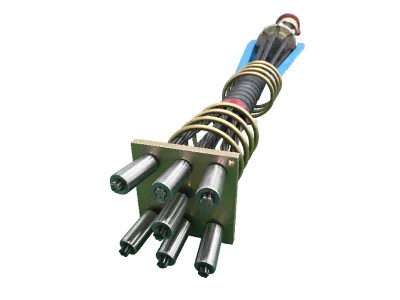
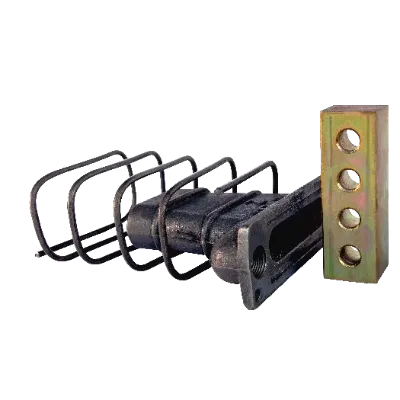
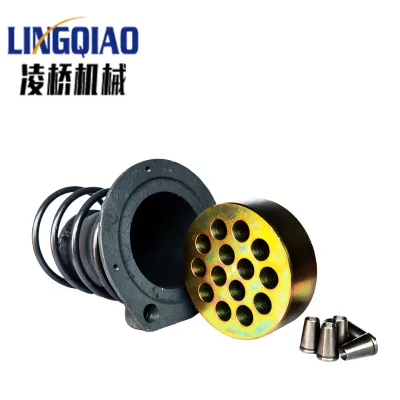
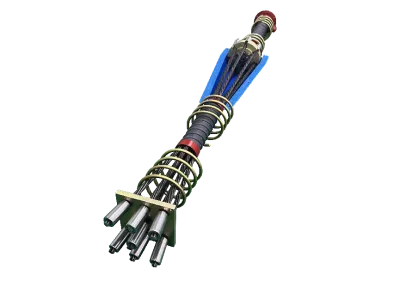
Find and compare 30 ISO CE Post Tensioning Anchorage options from Chinese manufacturers. These steel components, available in round and flat models with diameters of 12.7mm and 15.24mm, are designed for bridge, railway, and highway applications. Suppliers offer customization and fast delivery.
Updated
Key considerations
Products List


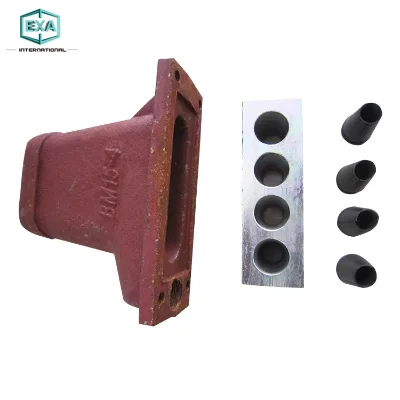
Certified Prestressed Anchor Structural Post Tension Accessories Flat Anchorage
$10.50 - $12.00
MOQ: 100 Pieces


ISO Certified Bridge and Building Projects Post Tensioning Flat Arc Anchorage
$2.00 - $10.00
MOQ: 100 Pieces

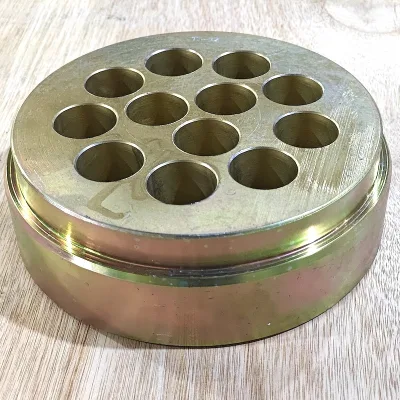
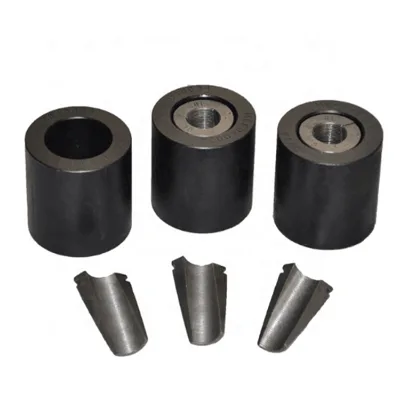
12t15 Prestressed Anchor Post Tension Spacer for Anchorage Prestress Steel Anchor
$20.5506 - $25.6878
MOQ: 10 Minimum
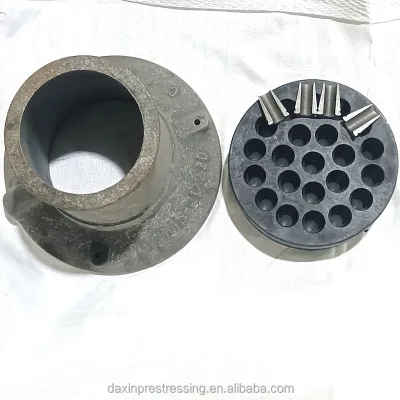
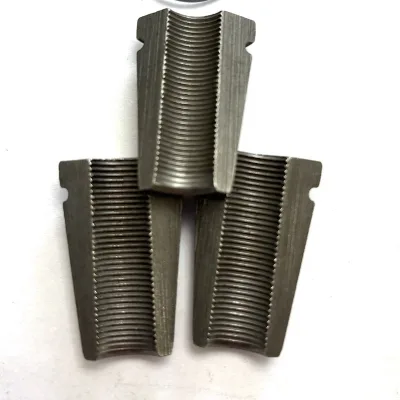
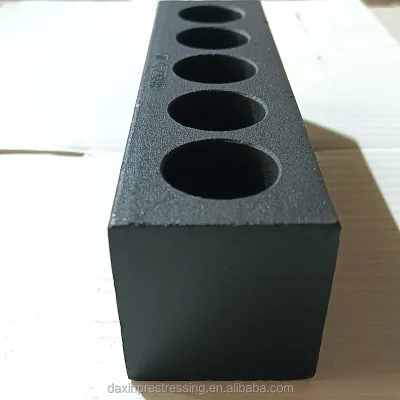
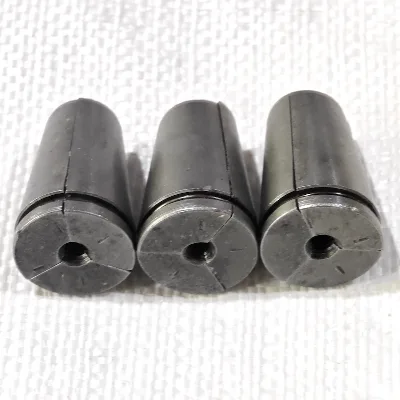
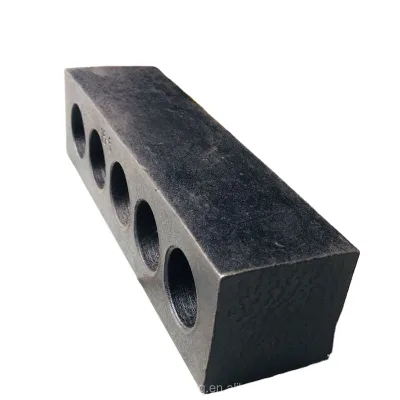
12.7 15.24mm Prestressing Anchorage Device Stressing End Flat Working Anchor
$8.7097 - $10.2476
MOQ: 10 Minimum
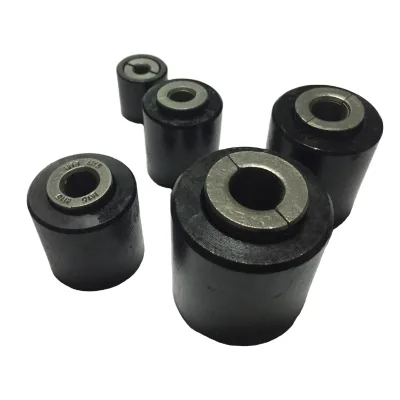
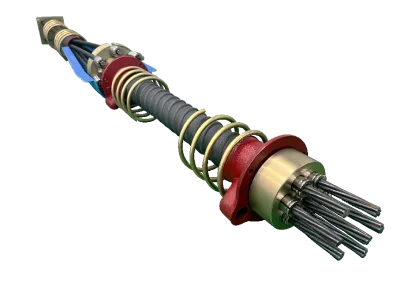


Comprehensive Sourcing Guide
ISO CE Post Tensioning Anchorage Sourcing Guide
Procuring ISO CE Post Tensioning Anchorage requires a disciplined approach to verifying technical compatibility and regulatory compliance before committing to volume orders. Buyers must recognize that these components serve as critical load-transfer elements in structural systems, where failure is not an option. The market offers a variety of configurations, including round and flat anchors, with diameters typically ranging from 12.7mm to 15.24mm. Understanding these physical distinctions is the first step in ensuring that the selected anchorage system aligns with the specific prestressing strand or bar dimensions used in your project.
Beyond physical dimensions, the sourcing process demands attention to customization capabilities and material specifications. Many suppliers offer OEM services and can customize anchorage designs to meet unique project requirements, such as specific hardness levels or anchorage types like anchor rings, wedges, or base plates. However, buyers should verify that these customizations do not compromise the structural integrity or certification status of the final product. Establishing clear communication regarding technical drawings and material grades early in the inquiry phase helps prevent costly mismatches during installation.
Product Scope and Observed Listing Signals
The current market landscape for post tensioning anchorage reveals a diverse range of product listings, with observed prices varying significantly between 0.45 and 25.8 USD per unit. This wide price band reflects differences in material quality, manufacturing complexity, and order volume, with minimum order quantities ranging from single units to thousands. Buyers should interpret these price signals carefully, recognizing that lower prices may correlate with standard off-the-shelf items, while higher costs often indicate specialized, high-strength, or custom-engineered solutions tailored for demanding infrastructure projects.
Listing signals also highlight the importance of packaging and origin in assessing product reliability. Most suppliers originate from regions like Henan or Ningbo in China, utilizing standard export packaging such as plywood cases or seaworthy cartons to protect components during transit. The presence of customization options, such as logo printing or specific anchorage types, suggests a mature supply chain capable of adapting to client needs. However, buyers must distinguish between generic marketing claims and verifiable product attributes, focusing on tangible details like material type and surface treatment rather than vague promises of quality.
Technical Specifications to Verify
Technical verification begins with confirming the hardness and material composition of the anchorage components, as these factors directly influence load-bearing capacity and durability. Suppliers often specify anchor hardness within the Hrb70-100 range and wedge hardness between HRC54-64, indicating the use of high-strength steel suitable for prestressing applications. Buyers should request detailed material certificates to ensure that the steel meets the required tensile strength and yield criteria, particularly for critical infrastructure projects where structural safety is paramount.
In addition to material properties, the manufacturing process and surface treatment are crucial technical aspects to evaluate. Many products are produced using casting techniques and undergo specific surface treatments to enhance corrosion resistance and longevity. It is essential to verify whether the anchorage system includes all necessary components, such as two-piece or three-piece wedges, and to confirm that the model series, such as LYM or LEC, aligns with the prestressing equipment used on-site. Clear documentation of these technical specifications ensures seamless integration and optimal performance in the final structure.
Compliance and Safety Documentation
Compliance with international standards is a non-negotiable requirement for sourcing post tensioning anchorage, with CE and ISO certifications serving as primary indicators of quality management and safety. Buyers must verify that suppliers hold valid CE and ISO9001:2008 certificates, ensuring that the manufacturing processes adhere to recognized quality control protocols. These certifications provide assurance that the products have undergone rigorous testing and inspection, reducing the risk of defects and ensuring consistency across large production batches.
Beyond basic certifications, buyers should inquire about additional compliance documentation, such as test reports and material traceability records. While some listings mention standards like ISO and CE, it is crucial to confirm that these certifications are current and applicable to the specific product models being purchased. Engaging with suppliers who provide transparent access to their quality assurance processes helps mitigate compliance risks and ensures that the anchorage systems meet the regulatory requirements of the destination market.
Cost Drivers and Commercial Terms
Cost drivers in the post tensioning anchorage market are influenced by material costs, manufacturing complexity, and order volume. Buyers should analyze the relationship between price and minimum order quantity, recognizing that larger orders often yield more favorable unit prices due to economies of scale. Additionally, customization requests, such as specific anchorage designs or logo printing, may incur additional costs that should be factored into the total procurement budget. Understanding these cost dynamics allows buyers to negotiate more effectively and optimize their spending based on project requirements.
Commercial terms, including delivery times and payment conditions, also play a significant role in the overall cost of procurement. Suppliers often advertise fast delivery times and competitive pricing, but buyers should verify these claims by reviewing historical performance data and supplier reviews. It is advisable to establish clear terms regarding shipping methods, insurance, and liability to avoid unexpected expenses. Negotiating favorable payment terms, such as partial payments or escrow services, can further reduce financial risk and ensure a smoother transaction process.
Supplier Qualification and Quality Control
Supplier qualification involves assessing the manufacturer’s production capacity, engineering expertise, and quality control systems. Buyers should prioritize suppliers with years of production experience and professional engineering teams, as these factors contribute to consistent product quality and technical support. Visiting the factory or requesting virtual tours can provide valuable insights into the manufacturing processes and quality assurance measures in place. Additionally, suppliers who welcome OEM collaborations and share designs demonstrate a commitment to meeting specific client needs and fostering long-term partnerships.
Quality control measures should be rigorously evaluated to ensure that the anchorage products meet the required specifications. Buyers should inquire about the supplier’s inspection protocols, including incoming material checks, in-process inspections, and final product testing. Requesting samples before placing bulk orders allows buyers to verify product quality and compatibility with their existing systems. Establishing a clear feedback loop with the supplier for any quality issues ensures continuous improvement and maintains the integrity of the supply chain.
Long-Term Procurement Checks
Long-term procurement success depends on establishing robust relationships with suppliers who can provide consistent quality and reliable after-sales support. Buyers should evaluate the supplier’s commitment to customer service, including their responsiveness to inquiries and ability to resolve issues promptly. Suppliers who offer professional service and prioritize customer satisfaction are more likely to deliver a positive experience throughout the procurement lifecycle. Building a partnership based on trust and mutual benefit can lead to better pricing, priority production, and enhanced technical support.
Regular performance reviews and continuous monitoring of supplier metrics are essential for maintaining high standards in the supply chain. Buyers should track key performance indicators such as delivery times, product defect rates, and compliance with contractual terms. Conducting periodic audits or requesting updated certifications ensures that suppliers remain aligned with evolving industry standards and regulatory requirements. By proactively managing supplier relationships and performance, buyers can mitigate risks and ensure the long-term success of their post tensioning projects.
FAQs
What certifications do these post tensioning anchors hold?
The products hold CE and ISO9001:2008 certifications. These standards ensure compliance with international quality and safety requirements for construction materials. Buyers can verify these credentials to meet project specifications and regulatory needs in various global markets.
What materials are used to manufacture these anchors?
The anchors are manufactured from high-strength steel and metal materials. The surface treatment includes galvanization for corrosion resistance. This material selection ensures durability and structural integrity for demanding applications in bridges, railways, and highways.
What are the available diameter specifications for these anchors?
The available diameter specifications are 12.7mm and 15.24mm. These sizes correspond to common prestressing strand dimensions. The LYM series and LEC models offer round and flat anchor options to suit different structural engineering requirements.
Can these anchors be customized for specific projects?
Yes, customization is available for anchorage systems. Buyers can request specific anchor ring, plate, wedge, or base plate configurations. The manufacturer supports OEM designs and logo printing to meet unique project requirements and branding needs.
Where are these post tensioning anchors manufactured?
These anchors are manufactured in Henan, China, and Ningbo, China. The factories offer professional engineering teams and years of production experience. Buyers can visit the facilities to inspect quality control processes and manufacturing capabilities directly.
What packaging methods are used for shipping these anchors?
Packaging includes standard export wooden cases, cartons, and seaworthy packing. This ensures safe transport during international shipping. The packaging protects the anchors from damage and moisture, maintaining product quality until they reach the construction site.