Source ISOCCC Certified Water Tank Truck for Road Cleaning, Dust Suppression, and Water Transport
Find and compare 30 ISOCCC Certified Water Tank Truck options featuring diesel engines, manual transmissions, and customizable tank volumes. Evaluate specifications like 15001-30000L capacity, 4x2 drive wheels, and Euro emission standards to select the right vehicle for road cleaning, dust suppression, and bulk water transport applications.
Key considerations
Products List


Factory Direct Water Tank Truck for Customized Water Tank Transport Solutions
$14500.00 - $15500.00
MOQ: 1 Pieces

Customized Water Tank Truck with Stainless Steel Tank and Spray System
$14000.00 - $15000.00
MOQ: 1 Pieces


Corrosion Resistant Water Tank Truck for Municipal Engineering Projects
$14000.00 - $15000.00
MOQ: 1 Pieces

Fully Customizable Water Tank Truck From China Verified Manufacturer for Export
$14500.00 - $15500.00
MOQ: 1 Pieces

High Quality Water Sprinkler Truck Municipal Water Tank Truck for Sale
$17000.00 - $19000.00
MOQ: 1 Pieces


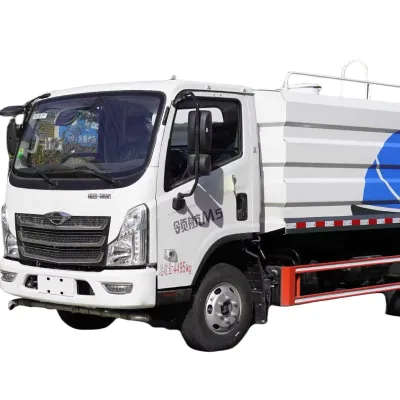


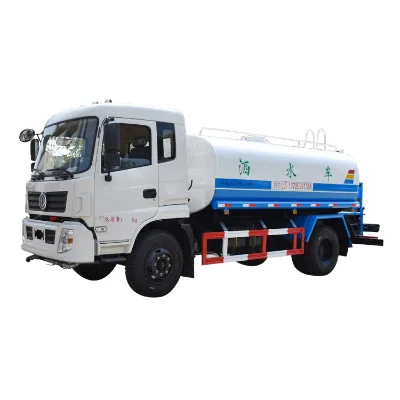
2023 Best Quality of Water Carrier/ Water tank Truck on Sale in Dubai
$8000.00 - $10000.00
MOQ: 1 sets


Comprehensive Sourcing Guide
ISOCCC Certified Water Tank Truck Sourcing Guide
Procuring a water tank truck that meets specific certification requirements is a critical step for municipal agencies, construction firms, and logistics operators seeking reliable fleet solutions. The term "isoccc certified" in the context of heavy-duty commercial vehicles typically refers to a combination of international quality management standards and regional compliance marks, specifically the ISO series and the China Compulsory Certification (CCC). For buyers operating in or importing from China, ensuring that the vehicle chassis and the specialized tank body both carry these marks is essential for legal road operation and insurance validity. This guide provides a structured approach to evaluating suppliers, verifying technical specifications, and managing the commercial risks associated with sourcing these specialized industrial vehicles.
The market for water tank trucks is diverse, ranging from light-duty municipal cleaners to heavy-duty construction site dust suppressors. Buyers must first define their operational scope, as the required tank volume, chassis payload, and emission standards vary significantly based on the intended use case. While some listings may emphasize "ISO/CCC" as a blanket certification, a rigorous procurement process requires distinguishing between the chassis manufacturer’s certifications and the tank body fabricator’s quality controls. This distinction is vital because the chassis is the primary legal entity for road registration, while the tank body determines the functional capacity and durability of the specialized equipment. Understanding this separation allows buyers to negotiate more effectively and ensure that every component of the vehicle meets the necessary regulatory and performance benchmarks.
Product Scope and Observed Listing Signals
The observed product listings reveal a wide spectrum of capabilities, with prices ranging from approximately $30 to over $158,000 USD, indicating a market that includes both small-scale utility vehicles and large, complex industrial tankers. The minimum order quantity (MOQ) is consistently listed as one unit, which suggests that suppliers are accustomed to handling direct B2B transactions for individual fleet expansions or replacement purchases rather than requiring bulk industrial orders. This flexibility is advantageous for buyers who need to test a single unit before committing to a larger fleet rollout, but it also necessitates careful due diligence to ensure that the quality of a single-unit order matches the standards expected in bulk procurement.
Technical attributes observed in the listings highlight the diversity of available configurations, including tank volumes from 5 cubic meters to over 30,000 liters, and horsepower ratings from under 251 hp to over 350 hp. Some listings specify models like the "10cbm Water Tank Truck" with a loading capacity of 9cbm, while others describe larger units with payloads up to 20 tons. Buyers should note that these specifications are often tied to specific chassis models, such as the HOWO Light Vehicle or ZZ1257N4241W, which dictate the overall performance envelope. It is crucial to cross-reference the tank volume with the chassis payload rating to ensure that the vehicle does not exceed legal weight limits when fully loaded, as an oversized tank on an underpowered chassis can lead to operational inefficiencies and regulatory violations.
Technical Specifications to Verify
When evaluating the technical specifications of a water tank truck, the chassis model and engine capacity are the primary determinants of performance. Listings indicate chassis models such as ZZ1164K4516D1 and ZZ1257N4241W, with engine capacities ranging from less than 4 liters to greater than 8 liters. Buyers must verify that the engine capacity aligns with the required torque and power for the intended terrain and load conditions. For instance, a vehicle with an engine capacity of less than 4 liters may be suitable for light municipal road cleaning, whereas a heavy-duty construction site dust suppression truck would likely require an engine capacity exceeding 8 liters to handle the increased weight and frequent stop-start cycles.
The transmission and drive configuration are equally critical for operational efficiency. Observed data points to manual transmissions with 10 to 12 speeds and drive wheels configured as 4x2 or 4x4. The choice between a 4x2 and 4x4 configuration should be driven by the terrain; 4x2 is sufficient for paved roads and stable construction sites, while 4x4 offers necessary traction for muddy or uneven surfaces. Additionally, the tire design, often listed as tubeless 12r22.5 or 12.00r20 radial tires, impacts maintenance costs and safety. Buyers should verify the tire model and pressure ratings to ensure they are suitable for the expected load and road conditions, as improper tire selection can lead to premature wear or blowouts under heavy loads.
Compliance and Safety Documentation
Certification verification is the most critical aspect of sourcing a water tank truck, particularly when the term "isoccc" is used. Buyers must request and validate the actual certification documents, distinguishing between ISO 9001:2015 for quality management systems and the China Compulsory Certification (CCC) for product safety and regulatory compliance. The CCC mark is mandatory for vehicles sold and operated in China, and its presence on the chassis is non-negotiable for legal road use. Buyers should also check for additional certifications such as CE, DOT, or ISO/TS, which may be required depending on the destination market and specific operational requirements.
Emission standards are another key compliance factor that must be explicitly verified. Listings mention Euro emission standards, but the specific Euro level (e.g., Euro II, Euro III, Euro IV) must be confirmed, as this affects the vehicle’s eligibility for operation in regions with strict environmental regulations. Buyers should request the official emission certification document from the engine manufacturer, as this is separate from the vehicle’s overall certification. Additionally, the tank body should be inspected for compliance with pressure vessel standards if applicable, although most water tank trucks operate at atmospheric pressure. Ensuring that all documentation is current and matches the vehicle’s VIN and serial numbers is essential for avoiding customs delays and registration issues.
Cost Drivers and Commercial Terms
The price range of $30 to $158,000 USD reflects the significant variation in vehicle size, capacity, and customization options. Key cost drivers include the chassis brand and model, engine horsepower, tank volume, and the complexity of the sprinkling and spraying systems. For example, a truck with a 15,000-liter tank and 350 hp engine will naturally cost more than a smaller unit with a 5,000-liter tank and lower horsepower. Buyers should also consider the cost of customization, as many suppliers offer optional features such as adjustable spraying angles, different color schemes, and specialized nozzle configurations. These customizations can add significant value but also increase the final price and lead time.
Commercial terms, including payment methods, shipping arrangements, and warranty coverage, are critical components of the procurement process. Buyers should negotiate clear terms for delivery, as lead times can vary based on the vehicle’s configuration and the supplier’s production schedule. It is also important to clarify who is responsible for import duties, taxes, and customs clearance, especially when sourcing from international suppliers. Warranty coverage should be explicitly defined, including the duration, scope, and process for claiming repairs or replacements. Buyers should also inquire about the availability of spare parts and technical support, as these factors can significantly impact the total cost of ownership over the vehicle’s lifespan.
Supplier Qualification and Quality Control
Supplier qualification is a multi-step process that begins with verifying the company’s legal status and manufacturing capabilities. Buyers should request business licenses, factory audits, and references from previous clients to assess the supplier’s reliability and track record. For water tank trucks, it is particularly important to verify the supplier’s experience in tank body fabrication, as this is a specialized skill that affects the vehicle’s durability and leak resistance. Buyers should also check for any history of quality complaints or legal disputes, as these can indicate potential risks in the procurement process.
Quality control measures should be implemented throughout the manufacturing and delivery process. Buyers should request detailed inspection reports, including visual inspections of the chassis, tank body, and spraying systems, as well as functional tests of the engine, transmission, and hydraulic systems. If possible, buyers should arrange for third-party inspections or visit the factory to witness the final quality control checks. This proactive approach helps identify and rectify any issues before the vehicle is shipped, reducing the risk of receiving a defective product. Additionally, buyers should ensure that the supplier provides comprehensive operating and maintenance manuals, as well as training materials for their staff, to ensure safe and efficient operation.
Long-Term Procurement Checks
Long-term procurement success depends on establishing a strong relationship with the supplier and implementing a robust maintenance strategy. Buyers should negotiate service agreements that include regular maintenance checks, priority access to spare parts, and technical support. This proactive approach helps minimize downtime and extends the vehicle’s lifespan, providing a better return on investment. Buyers should also monitor the supplier’s product updates and technological advancements, as these can offer opportunities to upgrade their fleet with more efficient and compliant vehicles.
Regular performance reviews of the water tank truck fleet are essential for identifying trends and addressing recurring issues. Buyers should track metrics such as fuel consumption, maintenance costs, and operational efficiency to evaluate the vehicles’ performance over time. This data can inform future procurement decisions, helping buyers select models that best meet their operational needs and budget constraints. Additionally, buyers should stay informed about changes in regulatory requirements and industry standards, as these can impact the vehicle’s compliance and resale value. By maintaining a proactive and data-driven approach to fleet management, buyers can ensure that their water tank trucks continue to deliver reliable and efficient service for years to come.
FAQs
What certifications do these water tank trucks hold?
These trucks hold ISO, CCC, CE, DOT, and ISO/TS certifications. The product page confirms ISO and CCC as standard certifications, with some listings also including CE, DOT, and ISO/TS for compliance with international and regional safety standards.
Which engine capacity options are available for these trucks?
Available engine capacities range from less than 4 liters to greater than 8 liters. Specific models listed include configurations with engine capacities under 4L and others exceeding 8L, all powered by diesel engines to meet various operational needs.
Can I customize the tank volume and dimensions?
Customization is available for tank volume and dimensions. The observed tank volumes range from 5 cubic meters up to 30,000 liters, with specific models offering dimensions like 4150x1710x1160 mm or 10 cubic meters capacity depending on the chassis configuration.
What is the typical load capacity for these trucks?
Load capacities vary between 9 cubic meters and 20 tons depending on the model. Specific listings indicate a loading capacity of 9 cubic meters for some units, while others support a payload of up to 20 tons or a rated load of 7470 kg.
Where are these trucks manufactured and shipped from?
These trucks are manufactured in Shandong Province, China, specifically in Jinan. The product origin is consistently listed as Shandong, China, indicating the primary manufacturing hub for these vehicles before they are shipped to international buyers.
What tire specifications are used on these trucks?
Tires include tubeless designs with models like 12r22.5 or 12.00r20 radial tires. Some listings also specify 9.00r20, 10.00-20, or 10.00r20 tires, all meeting ISO certification standards for safety and performance on various road conditions.