Source ISOCCC Water Sprinkler Truck for Road Cleaning, Dust Suppression, and Irrigation
Find 30 ISOCCC Water Sprinkler Truck listings with varying capacities from 5 to 10 cubic meters. Buyers can compare diesel engine options, spraying widths, and water pump types to select the right vehicle for municipal or industrial use.
Key considerations
Products List


Reliable China Wide Spraying Coverage High-Quality Water Sprinkler Truck
$26000.00 - $28000.00
MOQ: 1 Pieces


Sprinkler Water Truck Sprinkler Lawn Irrigation Sprinkler Watering Equipment
$9000.00 - $18000.00
MOQ: 1 Pieces


Water Bowser Sprinkler Truck for Dust Control and Landscaping Irrigation
$16000.00 - $18000.00
MOQ: 1 Pieces

Water Sprinkler Truck for Municipal Sanitation and Dust Suppression Operations
$14000.00 - $15000.00
MOQ: 1 Pieces


Heavy Duty Water Sprinkler Truck for Road Cleaning Dust Suppression and Irrigation
$14000.00 - $15000.00
MOQ: 1 Pieces


Water Delivery Sprinkler Truck for Urban Environmental Protection Projects
$14000.00 - $15000.00
MOQ: 1 Pieces


2700 Liters Electric Water Sprinkler Truck for Efficient Watering Solutions
$1800.00 - $2000.00
MOQ: 1 unit

Spraying Multi-Function High Performance Intelligent Water Sprinkler Truck
$3200.00 - $3500.00
MOQ: 1 unit


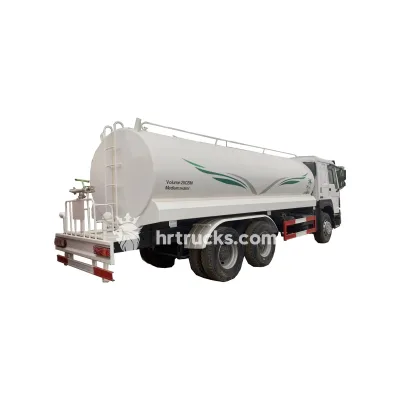


Heavy-Duty Water Sprinkler Truck for Efficient Irrigation Solutions
$5000.00 - $10000.00
MOQ: 1 Pieces
Comprehensive Sourcing Guide
Strategic Sourcing Guide for ISOCCC Water Sprinkler Trucks
Understanding the Product Category and Core Specifications
When sourcing a water sprinkler truck, buyers must first distinguish between the vehicle chassis and the specialized water tank and spraying equipment. The market offers a variety of configurations, but the core keyword "ISOCCC Water Sprinkler Truck" often points to vehicles designed for municipal road cleaning, dust suppression, and landscape irrigation. Based on observed market data, these units typically feature a robust diesel engine, with common configurations including a 160HP engine or a 120HP variant, depending on the payload requirements. The chassis brands frequently encountered in this sector include Dongfeng, Sinotruk, Foton, and Isuzu, offering buyers a range of options for durability and parts availability.
The water tank is a critical component, often constructed from carbon steel to ensure structural integrity under pressure. Capacities vary significantly, with observed models ranging from 5 cubic meters up to 10 cubic meters (10,000 liters). Some listings indicate a standard volume of 5 cubic meters, while others specify a 10 cubic meter capacity, aligning with the "10CBM" standard often cited in product descriptions. The tank shape is typically a square box design, mounted horizontally on the chassis. For smaller or specialized units, capacities as low as 15ml may appear in component lists, though these likely refer to specific nozzles or accessories rather than the main tank volume. The payload capacity for these heavy-duty trucks is often rated around 20 tons, requiring a strong wheelbase, such as the 3360mm observed in specific models.
Technical Performance and Operational Capabilities
The operational effectiveness of a water sprinkler truck is defined by its pumping and spraying systems. A high-performance unit is equipped with a self-priming water pump, capable of generating sufficient pressure, with observed specifications indicating a pressure rating of 0.6MPa. The spraying width is a key metric for efficiency; data suggests a minimum spraying width of 14 meters, with some models achieving a range between 12 and 16 meters. This ensures broad coverage during road cleaning operations.
The water cannon, or rear-mounted spray nozzle, is another vital specification. Buyers should verify that the cannon range meets the requirement of at least 28 meters for effective dust suppression over long distances. The engine type is predominantly diesel, with specific models utilizing the WD615 diesel engine, known for its reliability in heavy-duty applications. Transmission is typically manual, with gearboxes offering 5 forward and 1 reverse gears. The vehicle's maximum speed is generally capped around 90 km/h, balancing operational efficiency with safety regulations. The cab capacity usually accommodates three persons, ensuring a driver and necessary crew can operate the vehicle comfortably.
| Specification Category | Observed Value Range | Critical Verification Point |
|---|---|---|
| Engine Power | 120HP - 160HP | Verify engine model (e.g., WD615) and fuel type. |
| Water Tank Capacity | 5m³ - 10m³ | Confirm material (Carbon Steel) and actual volume. |
| Spraying Width | 12m - 16m+ | Check nozzle configuration for minimum 14m width. |
| Water Cannon Range | ≥28m | Test range under operational pressure (0.6MPa). |
| Fuel Tank Capacity | 200L | Ensure sufficient range for daily municipal routes. |
| Drive Configuration | 4x2 / 4x4 | Verify transmission type (Manual) and wheelbase. |
Compliance, Certification, and Regulatory Standards
In the B2B procurement of industrial vehicles, certification is a non-negotiable aspect of supplier evaluation. The "ISOCCC" designation mentioned in the core keyword refers to specific compliance standards, likely related to Chinese certification requirements for commercial vehicles. Buyers must verify that the supplier holds valid ISO9001 certification for quality management systems, which is a common standard observed in this sector. Additionally, CE certification is frequently listed, indicating compliance with European safety, health, and environmental protection requirements, which is crucial for international buyers.
It is important to note that while ISO 9001:2008 is a historical standard often referenced in background data, current procurement should focus on the latest applicable versions of ISO standards. Buyers should request current certificates directly from the supplier rather than relying on generic claims. The product origin is predominantly China, with specific manufacturing hubs identified in locations like Jiangsu Xuzhou. When sourcing from this region, buyers must ensure that the vehicle meets the import regulations of their specific country, including emission standards and safety protocols. The "10CBM" and "2-inch" standards mentioned in product data likely refer to tank capacity and port sizes, respectively, and should be cross-referenced with local regulatory limits on vehicle dimensions and water discharge rates.
Cost Drivers and Pricing Variables
The price range for water sprinkler trucks is highly variable, observed in the market from as low as $6 to as high as $40,000. This wide disparity is not indicative of a single product type but rather reflects the spectrum from minor components to fully assembled heavy-duty vehicles. The lower end of the price range likely corresponds to individual parts, such as nozzles, pumps, or small tanks, while the higher end represents complete truck assemblies.
Several factors drive the cost of a full sprinkler truck. The engine brand and horsepower are primary cost determinants; a 160HP engine will cost significantly more than a 120HP unit. The material of the water tank, specifically carbon steel versus other alloys, impacts durability and price. The chassis brand also plays a role; Sinotruk and Dongfeng may have different pricing structures compared to Isuzu or Foton. Customization is a major cost driver; while customization is available, adding specific features like advanced spray systems or specialized tank coatings will increase the final price. Buyers should be wary of prices that seem too low for a complete vehicle, as this may indicate the listing is for a component rather than the full truck.
Supplier Evaluation and Verification Protocols
Evaluating a supplier for water sprinkler trucks requires a rigorous approach to verify their capabilities and legitimacy. Since the market is populated with manufacturers from China, buyers must prioritize suppliers who can provide transparent documentation. The presence of ISO9001 and ISOCCC certifications should be verified through official databases, not just claimed on a product page. Buyers should request a copy of the factory audit report to ensure the manufacturing facility meets the stated standards.
When assessing a supplier, look for evidence of their production capacity and history. The "Condition: New" attribute is standard, but buyers must confirm that the vehicles are indeed new and not refurbished units. The "Customization: Available" attribute suggests flexibility, but buyers should establish clear communication channels to define the scope of customization before placing an order. The "prod_packing" attribute, which mentions "Container" or "Carton," indicates the shipping method; for large trucks, container shipping is standard, but the specific packing details must be confirmed to ensure safe transport.
Quality Control and Inspection Procedures
Quality control is essential to ensure the sprinkler truck performs as expected in the field. Buyers should implement a pre-shipment inspection protocol that covers critical components. The water pump must be tested for self-priming capability and pressure stability at 0.6MPa. The spraying width and cannon range should be verified on a test track to ensure they meet the ≥14m and ≥28m specifications, respectively. The structural integrity of the carbon steel tank should be checked for weld quality and corrosion resistance.
The engine performance is another critical area for inspection. The 160HP or 120HP engine should be run under load to verify power output and fuel efficiency. The transmission system, with its 5 forward and 1 reverse gears, must shift smoothly. The tire specifications, such as 8.25r16, should be checked for brand and condition. Additionally, the cab capacity and safety features for the three-person crew must be verified. For vehicles with a 20-ton payload, the suspension and chassis strength must be tested to ensure they can handle the maximum load without failure.
Long-Term Procurement and Maintenance Considerations
Procuring a water sprinkler truck is a long-term investment that requires consideration of maintenance and parts availability. The "Fuel: Diesel" specification means buyers must factor in fuel costs and the availability of diesel engines in their region. The "Gearbox: 5 Forward & 1 Reverse" configuration is standard, but buyers should ensure that spare parts for the gearbox and transmission are readily available. The "Wheelbase(mm): 3360" and "Max Speed(Km/H): 90" specifications influence the vehicle's maneuverability and operational range, which should be matched to the buyer's specific route requirements.
The "Volume: 5001 - 10000L" range indicates the tank size, which affects the frequency of refilling and the overall efficiency of the cleaning operation. Buyers should consider the "Sprinkling Area" and "Water Cannon Range" when planning their daily routes to maximize coverage. The "Mounting Type: Horizontal" and "Structure: Inner Thread" details are important for maintenance and repair; buyers should ensure that the design allows for easy access to the pump and nozzles. Finally, the "Product Standard" and "Certification" documents should be kept on file for future regulatory compliance and warranty claims. By focusing on these long-term factors, buyers can ensure their investment in a water sprinkler truck remains productive and reliable for years to come.
FAQs
What engine power options are available for these trucks?
Available engine power options include 160HP and 120HP variants. The 160HP models typically utilize the WD615 diesel engine, while 120HP units offer a different configuration for varying payload needs.
How large is the water tank capacity on standard models?
Standard models feature water tank capacities ranging from 5 cubic meters to 10,000 liters. Some specifications list a 10CBM standard, while others indicate a 5 cubic meter volume for specific chassis configurations.
Which chassis brands are compatible with these sprinkler trucks?
Compatible chassis brands include Dongfeng, Sinotruk, Foton, and Isuzu. Buyers can select from these manufacturers to ensure parts availability and durability for municipal road cleaning operations.
Can the water tank be customized for specific requirements?
Yes, customization is available for the water tank and spraying systems. Buyers can request specific modifications to the tank material, mounting type, or spraying width to suit unique operational needs.
What is the maximum spraying width for the water cannon?
The maximum spraying width is at least 14 meters, with some models achieving a range between 12 and 16 meters. This ensures broad coverage for effective road cleaning and dust suppression tasks.
What certifications do these trucks typically hold?
These trucks typically hold ISO9001 certification for quality management. Additional certifications like ISOCCC and CE may be present, indicating compliance with specific safety and environmental standards for commercial vehicles.
How much does the truck weigh when empty?
The curb weight for these trucks is approximately 6950kg. This weight supports a payload capacity of around 20 tons, ensuring the vehicle can handle heavy-duty cleaning operations effectively.