Source Jet Mirror Polishing Equipment for Metal, Glass, and Plastic
Find 30 Jet Mirror Polishing Equipment units from verified suppliers in Guangdong, China. Compare models like JC-80 and FD-610LX-3Q with ISO certification, variable speed, and overseas service options for industrial grinding applications.
Key considerations
Products List


Alloy Material Single-Side Polishing Plane Mirror Polishing Equipment
$8000.00 - $20000.00
MOQ: 1 Pieces


Surface Single-Side Polishing Wafer Mirror Polishing Processing Equipment
$280000.00 - $320000.00
MOQ: 1 Pieces

China High Precision Grinding and Polishing Equipment Mirror Surface Polishing Machine
$8000.00 - $20000.00
MOQ: 1 Pieces

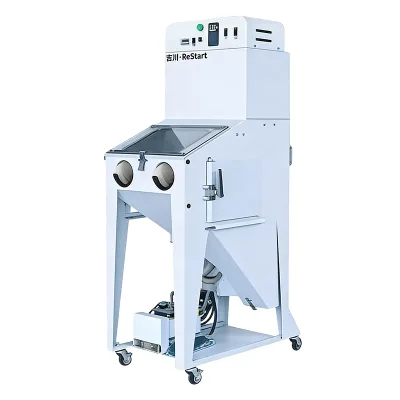
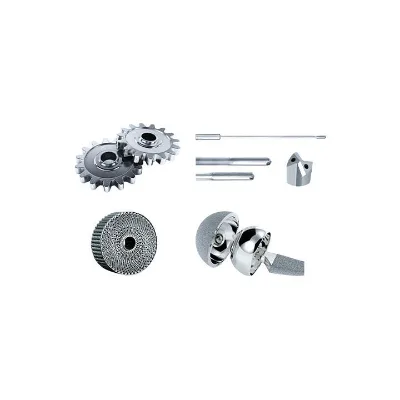
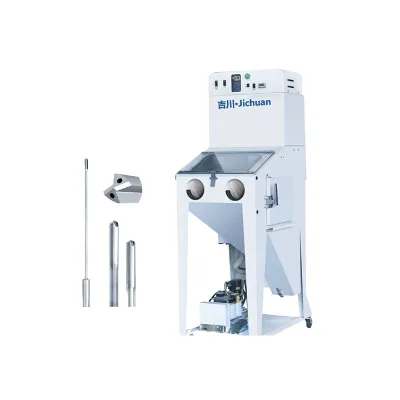

Efficient Gt-500 Mirror Polishing Equipment with High Spindle Speed
$22000.00 - $25000.00
MOQ: 1 Pieces


Mirror Edge Grinding and Polishing Glass Working Equipment with Many Functions
$28000.00 - $34000.00
MOQ: 1 Sets


Comprehensive Sourcing Guide
Jet Mirror Polishing Equipment Sourcing Guide
Sourcing Jet Mirror Polishing Equipment requires a nuanced understanding of both the mechanical principles involved and the specific operational requirements of your manufacturing environment. These machines are designed to achieve ultra-smooth surface finishes, often referred to as mirror finishes, on a variety of materials including metals and non-metals. The procurement process must balance technical precision with commercial viability, ensuring that the selected equipment aligns with your production volume, material types, and quality standards. Buyers must recognize that "jet mirror polishing" can refer to different technologies, such as high-pressure fluid jet polishing or mechanical lapping and polishing systems that utilize slurry or grinding wheels. Therefore, the initial step in sourcing is to clearly define the specific polishing mechanism required for your application, whether it involves single-plate or double-plate configurations, and to verify that the supplier’s offerings match these technical definitions.
The market for this equipment is characterized by a wide range of specifications, from small, semi-automatic units to large, industrial-grade machines. Observed listings indicate a significant variance in price, ranging from approximately $2,119 to over $320,000, which reflects differences in automation levels, power output, and build quality. Similarly, the minimum order quantity (MOQ) typically ranges from 1 to 10 units, suggesting that while some suppliers offer single-unit purchases for pilot testing, others may have higher thresholds for custom configurations. Buyers should approach this diversity with caution, recognizing that lower prices may correspond to basic models with limited customization or lower power outputs, while higher prices often reflect advanced features such as variable speed controls, pneumatic pressure systems, and comprehensive after-sales support. Understanding these market signals is crucial for setting realistic budget expectations and identifying suppliers who can meet your specific technical needs.
Product Scope and Observed Listing Signals
The product scope for Jet Mirror Polishing Equipment encompasses a variety of machine types, including surface grinding machines, lapping machines, and specialized polishing units. Common models observed in the market include the JC-80, which is a jet mirror polishing machine with a power output of 0.5 kW, and the FD-610LX-3Q, a deep hole jet mirror polishing machine with a higher power rating of 2.5 kW and a disc diameter of 610 mm. These machines often feature semiautomatic operation, allowing for efficient processing while maintaining control over the polishing parameters. The equipment is typically designed for use in the grinding industry, where high precision and consistent surface quality are paramount. Buyers should note that the term "jet mirror polishing" may also be associated with machines that use lapping slurry or grinding wheels, indicating a broad category of finishing equipment that requires careful selection based on the specific material and finish requirements.
Observed listing signals reveal that many suppliers offer customization options, allowing buyers to tailor the equipment to their specific production needs. This includes custom-made packaging, such as export cartons or wood crates, to ensure safe transportation, and the ability to customize the machine’s standard specifications. The presence of ISO certification in many listings suggests a baseline level of quality management, although buyers should verify the specific scope of this certification. Additionally, the availability of video outgoing inspections and machinery test reports provides a layer of transparency, allowing buyers to assess the machine’s condition and performance before purchase. However, buyers must be discerning, as these signals are not universal across all listings and should be used as indicators rather than guarantees of quality. Understanding these signals helps buyers navigate the market and identify suppliers who are transparent and responsive to their needs.
Technical Specifications to Verify
When evaluating Jet Mirror Polishing Equipment, buyers must prioritize the verification of key technical specifications that directly impact performance and compatibility. Voltage is a critical factor, with observed listings showing options for both 220V and 380V systems. Buyers must ensure that the selected machine matches their facility’s electrical infrastructure to avoid costly modifications or operational hazards. Power output is another essential specification, ranging from 0.5 kW for smaller units to 2.5 kW for more robust models. Higher power outputs generally indicate greater capability for handling tougher materials or achieving faster processing times, but they also require more substantial electrical support. Buyers should also consider the weight of the machine, which can vary significantly from 150 kg to 1000 kg, affecting installation requirements and floor load capacity.
The type of abrasive and pressure source used by the machine is another area requiring careful verification. Some machines utilize grinding wheels or lapping slurry, while others may employ pneumatic pressure or weight blocks to apply force to the workpiece. The choice of abrasive and pressure system should align with the material being processed and the desired surface finish. Additionally, the precision of the machine, often described as "high precision," should be validated through technical documentation or supplier assurances. Buyers should also inquire about the variable speed capabilities, as this feature allows for greater control over the polishing process, enabling adjustments for different materials or finish requirements. Verifying these specifications ensures that the selected equipment will perform as expected in your specific application, minimizing the risk of post-purchase issues.
Compliance and Safety Documentation
Compliance and safety documentation are essential components of the procurement process for Jet Mirror Polishing Equipment. Buyers should request evidence of ISO certification, which indicates that the supplier adheres to recognized quality management standards. While ISO certification is a positive indicator, it is not a substitute for specific safety certifications relevant to the machine’s operation. Buyers must verify that the equipment complies with local electrical and mechanical safety regulations in their country of import. This includes checking for proper labeling, emergency stop mechanisms, and protective guards that prevent operator injury during operation. Suppliers who provide machinery test reports and video outgoing inspections offer additional assurance that the machine has been tested for safety and performance before shipment.
In addition to safety, buyers should inquire about the availability of comprehensive documentation, including user manuals, maintenance guides, and troubleshooting resources. These documents are crucial for ensuring that the machine is operated correctly and maintained properly, which extends its lifespan and ensures consistent performance. Buyers should also verify whether the supplier provides training or support for setting up and operating the machine, particularly if it involves complex features such as variable speed controls or pneumatic systems. The availability of overseas setup and after-sales service is another important consideration, as it indicates the supplier’s commitment to supporting the buyer throughout the machine’s lifecycle. Ensuring that all necessary compliance and safety documentation is in place before purchase helps mitigate risks and ensures a smooth integration of the equipment into your production environment.
Cost Drivers and Commercial Terms
The cost of Jet Mirror Polishing Equipment is influenced by several factors, including the machine’s power output, automation level, and customization options. Higher power machines, such as those with 2.5 kW motors, typically command higher prices due to their increased capability and robust construction. Similarly, machines with advanced features like variable speed controls or pneumatic pressure systems may be priced higher than basic models. Customization options, such as custom-made packaging or specific technical modifications, can also add to the overall cost. Buyers should request detailed quotes that break down these costs to understand the value proposition of each option. It is also important to consider the total cost of ownership, including installation, maintenance, and potential downtime, rather than just the initial purchase price.
Commercial terms, such as minimum order quantity (MOQ) and payment terms, are another critical aspect of the procurement process. Observed listings indicate MOQs ranging from 1 to 10 units, which can impact the buyer’s ability to negotiate pricing or secure favorable terms. Buyers should clarify the MOQ with the supplier and determine if it is flexible for custom orders. Payment terms should be negotiated to protect the buyer’s interests, with options such as partial payments or escrow services providing additional security. Additionally, buyers should inquire about shipping and logistics costs, as these can significantly impact the total cost, especially for heavy machines that require specialized handling. Understanding these cost drivers and commercial terms allows buyers to make informed decisions and secure the best possible value for their investment.
Supplier Qualification and Quality Control
Supplier qualification is a critical step in ensuring the reliability and quality of Jet Mirror Polishing Equipment. Buyers should verify the supplier’s business credentials, including their registration, manufacturing capabilities, and export experience. Suppliers who provide video outgoing inspections and machinery test reports demonstrate a commitment to transparency and quality control. Buyers should request these documents to assess the machine’s condition and performance before shipment. Additionally, buyers should inquire about the supplier’s quality management systems and whether they adhere to recognized standards such as ISO. This information provides insight into the supplier’s ability to consistently produce high-quality equipment.
Quality control should also extend to the post-purchase phase, with buyers verifying the availability of after-sales support and spare parts. Suppliers who offer engineers available to service machinery overseas provide an added layer of assurance, indicating their commitment to long-term customer satisfaction. Buyers should clarify the scope of this support, including response times, coverage areas, and any associated costs. Additionally, buyers should inquire about the warranty terms and conditions, ensuring that they are comprehensive and provide adequate protection against defects or malfunctions. By thoroughly qualifying suppliers and verifying their quality control processes, buyers can minimize the risk of receiving substandard equipment and ensure a successful procurement outcome.
Long-Term Procurement Checks
Long-term procurement checks are essential for maintaining the performance and reliability of Jet Mirror Polishing Equipment over its lifecycle. Buyers should establish a regular maintenance schedule based on the manufacturer’s recommendations, which may include cleaning, lubrication, and inspection of key components such as the electric motor and grinding wheels. Regular maintenance helps prevent premature wear and tear, ensuring that the machine continues to operate efficiently and produce high-quality finishes. Buyers should also keep a record of all maintenance activities and any issues encountered, which can be valuable for troubleshooting and future procurement decisions.
Additionally, buyers should monitor the supplier’s performance and support services over time. This includes evaluating the responsiveness of their after-sales team, the availability of spare parts, and the quality of any technical assistance provided. If the supplier fails to meet expectations, buyers should be prepared to explore alternative suppliers for future purchases. Furthermore, buyers should stay informed about advancements in jet mirror polishing technology, as new models with improved features or efficiency may become available. By conducting regular long-term procurement checks, buyers can ensure that their equipment remains a valuable asset to their operations and that they are well-positioned to make informed decisions about future upgrades or replacements.
FAQs
What is the typical voltage for jet mirror polishing machines?
Jet mirror polishing machines typically operate on 220V or 380V power sources depending on the specific model and power requirements. The JC-80 model uses 220V, while the FD-610LX-3Q model requires 380V. Buyers should verify the electrical specifications against their facility's power supply to ensure compatibility and safe operation during installation.
Can Jet Mirror Polishing Equipment be customized for specific needs?
Yes, customization is available for Jet Mirror Polishing Equipment to meet specific production requirements. Manufacturers offer custom-made packaging and standard packaging options. Buyers can request tailored solutions for plate materials, which include metal and non-metal types, ensuring the machine aligns with their unique industrial grinding and polishing processes.
What certifications do jet mirror polishing machines usually have?
Jet mirror polishing machines commonly hold ISO certifications to ensure quality and safety standards. These certifications verify that the manufacturing processes and final products meet international benchmarks. Buyers can rely on these documented standards when sourcing equipment, ensuring that the machinery is built with reliable components and adheres to established industrial safety protocols.
How heavy are jet mirror polishing machines?
The weight of jet mirror polishing machines varies significantly by model and capacity. Smaller units like the JC-80 weigh approximately 150 kg, while larger industrial models such as the FD-610LX-3Q can weigh up to 1000 kg. This weight difference reflects the robust construction needed for high-precision surface grinding and deep hole polishing tasks.
What after-sales services are provided for Jet Mirror Polishing Equipment?
Providers offer comprehensive after-sales support, including engineers available to service machinery overseas. This service ensures proper setup and ongoing maintenance for international buyers. Additionally, video outgoing inspections and machinery test reports are provided to verify equipment condition before shipment, giving buyers confidence in the product's performance and reliability upon arrival.
What is the minimum order quantity for jet mirror polishing machines?
The minimum order quantity for jet mirror polishing machines typically ranges from 1 to 10 units. This flexible MOQ allows businesses to purchase single units for testing or small batches for initial production lines. Buyers can negotiate specific quantities based on their operational needs and the supplier's production capacity constraints.