Source Jelly Nail Stamp for Souvenirs, Gifts, and Decoration
Compare 30 listings for Jelly Nail Stamp options featuring custom shapes, logos, and various surface finishes. Buyers can evaluate suppliers offering CE and ISO9001 certifications with sample lead times of 5-7 days for nail art projects.
Key considerations
Products List



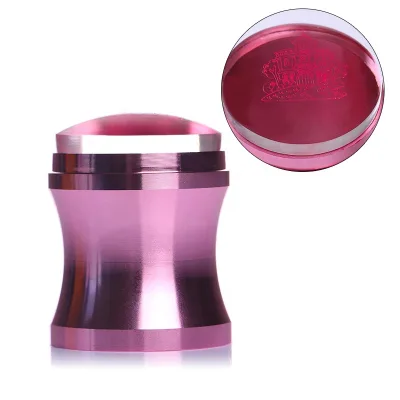
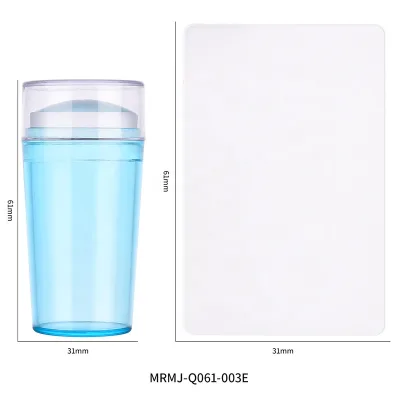
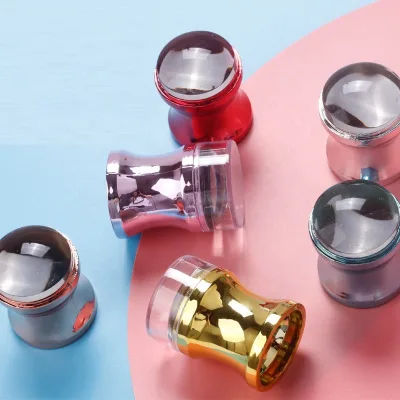


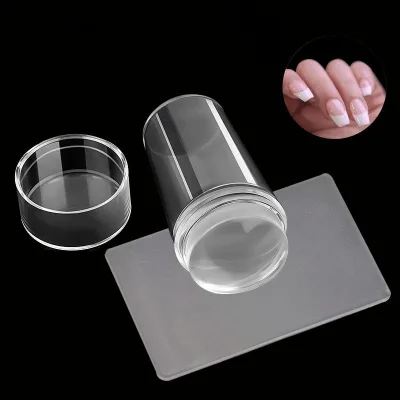
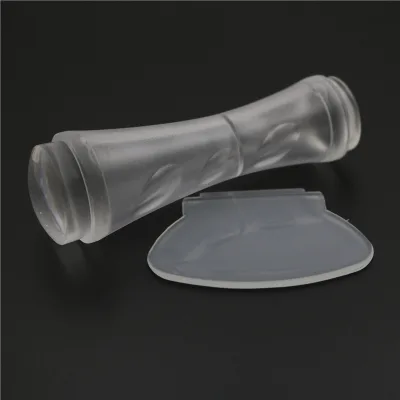
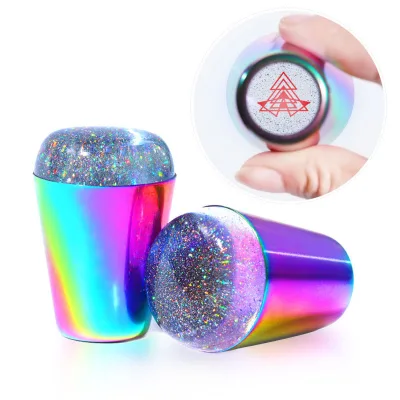
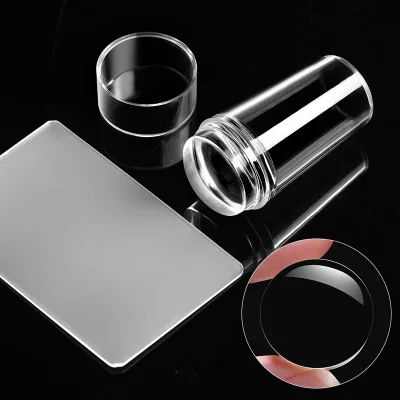
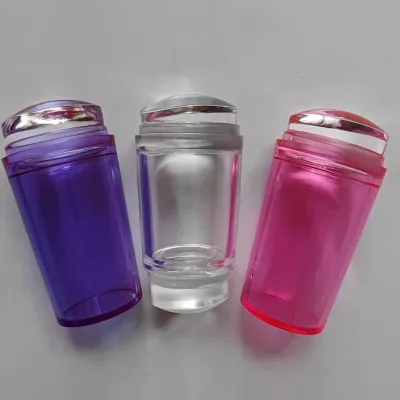


Comprehensive Sourcing Guide
Jelly Nail Stamp Sourcing Guide
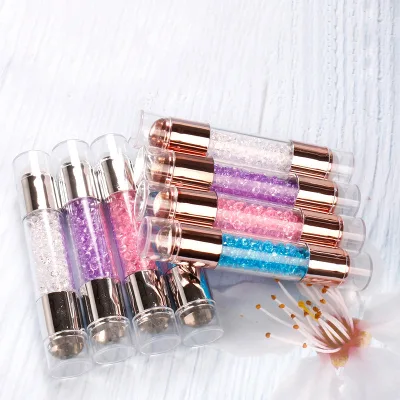
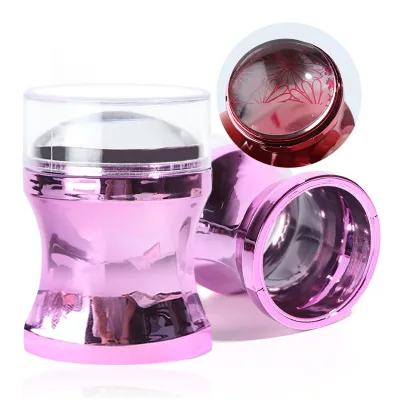
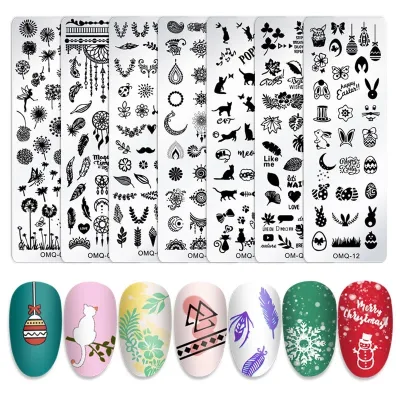
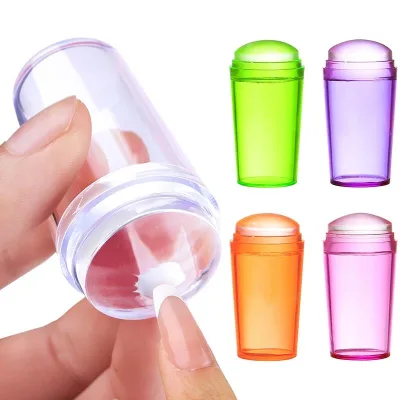
Sourcing jelly nail stamps requires a nuanced understanding of the intersection between cosmetic tool manufacturing and custom branding capabilities. These products, often categorized under nail art stamping plates or decorative stampers, serve as essential instruments for transferring intricate designs onto fingernails and toenails. The term "jelly" typically refers to the translucent, flexible silicone or thermoplastic elastomer material used for the stamper head, which allows for gentle pressure application without damaging the nail surface. Buyers must distinguish between the stamping plate (the metal or acrylic surface with etched designs) and the stamper tool itself, as procurement strategies for these two components differ significantly in terms of material specifications and customization potential.
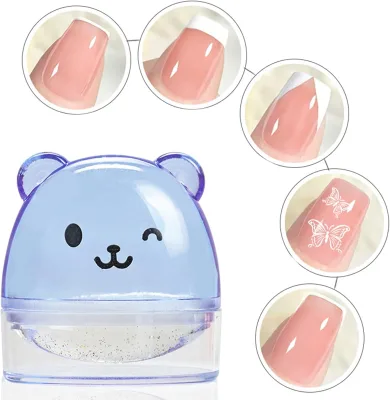
The market for these items is heavily driven by customization and private labeling opportunities, particularly for beauty brands, salons, and promotional merchandise distributors. Suppliers often offer OEM and ODM services, allowing buyers to tailor the shape, color, and packaging of the stampers to align with their brand identity. Common shapes include standard cylindrical heads as well as novelty forms, such as bear heads or other thematic designs, which appeal to specific consumer segments. Understanding the distinction between the functional aspect of the stamping process and the aesthetic appeal of the tool is crucial for defining procurement requirements and evaluating supplier capabilities effectively.
Product Scope and Observed Listing Signals
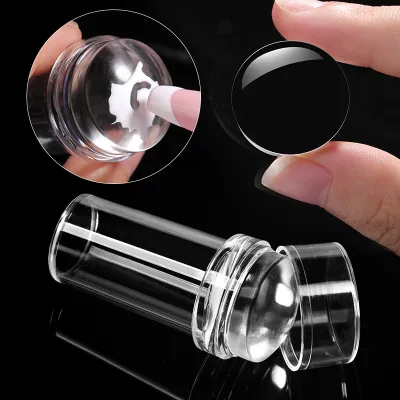
The observed product landscape reveals a diverse range of offerings that blend industrial stamping processes with cosmetic application tools. Listings indicate the availability of stainless steel materials for stamping plates, often featuring fine blanking and double-acting processes to ensure precision in design transfer. These plates are frequently described with tolerances as tight as 0.02mm, highlighting the importance of manufacturing accuracy for clear image reproduction. Simultaneously, the stamper components themselves are often made from silicone or similar flexible materials, designed to pick up polish from these etched surfaces without smudging or tearing the design.
Commercial signals suggest a high degree of flexibility in order quantities and customization levels. Minimum Order Quantities (MOQs) vary widely, with some listings supporting orders as low as 1 piece for sampling and others requiring volumes up to 5000 pieces for bulk production. Pricing structures are similarly broad, reflecting the difference between simple, unbranded tools and complex, custom-designed items with specialized packaging. Buyers should note that while some suppliers offer free samples, freight costs are typically collected, and lead times for samples can range from 5 to 7 days, which is a critical factor for time-sensitive product launches.
Technical Specifications to Verify
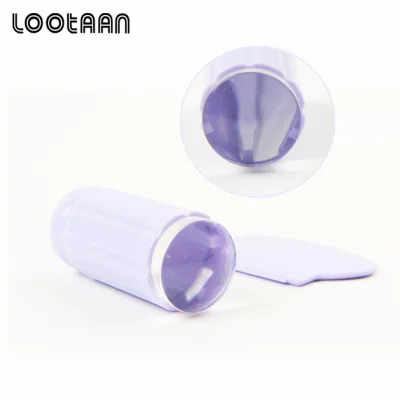
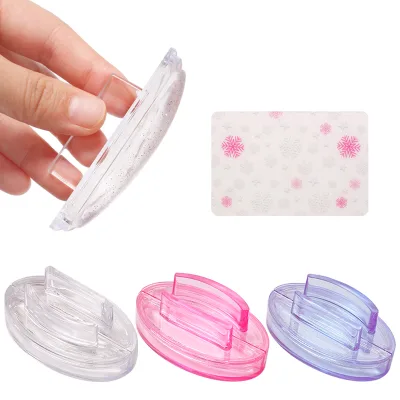
When evaluating technical specifications, the material composition of the stamper head is a primary concern. Silicone is a commonly cited material due to its flexibility and ability to conform to the nail's curvature, ensuring even pressure distribution. Buyers must verify the hardness and durability of the silicone, as softer materials may wear down quickly, while harder ones might not pick up fine details effectively. Additionally, the shape of the stamper, whether it is a standard cylinder or a custom shape like a bear head, impacts the ease of use and the types of designs that can be successfully transferred.
The stamping plates, often made from stainless steel, require verification of their surface processing and etching quality. Processes such as polishing, matte varnishing, or gloss lamination can affect how well the polish adheres to the plate and how cleanly it transfers to the stamper. Buyers should inquire about the precision of the etching, as inconsistencies can lead to blurred or incomplete designs. Furthermore, the compatibility between the stamper and the plate is essential; the stamper's surface texture must be optimized to pick up the specific type of nail polish being used, whether it is standard lacquer, gel, or jelly polish.
Compliance and Safety Documentation
Safety and compliance are paramount when sourcing products that come into direct contact with the human body, even if they are tools rather than consumables. Certifications such as CE, ISO9001, and MSDS are frequently mentioned in supplier listings, indicating adherence to quality management systems and material safety data standards. Buyers should request copies of these certifications to verify that the materials used in the stampers and plates are free from harmful substances and meet international safety regulations. This is particularly important for products marketed in regions with strict cosmetic accessory regulations.
In addition to product-specific certifications, buyers should verify the supplier's overall quality management practices. ISO9001 certification suggests a structured approach to quality control, which can reduce the risk of defects in the final product. However, buyers should not rely solely on these certifications; they should also ask for specific test reports related to the materials used, such as silicone purity or metal composition. Ensuring that the products are safe for repeated use on sensitive areas like fingers and toes is a critical step in mitigating liability and maintaining customer trust.
Cost Drivers and Commercial Terms
Several factors influence the cost of jelly nail stamps, with customization being a primary driver. Custom shapes, logos, and packaging options typically increase the unit price due to the additional setup costs and specialized production requirements. Buyers should be aware that while some suppliers offer free samples, the cost of shipping these samples is usually borne by the buyer. Understanding the total cost of ownership, including shipping, tariffs, and potential rework costs for defective items, is essential for accurate budgeting.
Commercial terms such as MOQs and lead times also play a significant role in procurement planning. Lower MOQs may come with higher per-unit costs, while larger orders can benefit from economies of scale. Lead times for production can vary based on the complexity of the customization and the supplier's current workload. Buyers should negotiate clear terms regarding payment schedules, warranty policies, and return procedures for defective goods. Establishing a strong relationship with the supplier can also lead to more favorable terms over time, such as extended payment periods or reduced shipping costs.
Supplier Qualification and Quality Control
Qualifying suppliers involves more than just reviewing their certifications; it requires a thorough assessment of their manufacturing capabilities and quality control processes. Buyers should inquire about the supplier's experience in producing nail art tools and their ability to handle custom orders. Requesting references or case studies from previous clients can provide insight into the supplier's reliability and consistency. Additionally, buyers should verify the supplier's capacity to handle large volumes if scaling up production is a future goal.
Quality control measures should be clearly defined and agreed upon before placing an order. This includes specifying acceptable defect rates, inspection procedures, and the process for handling non-conforming products. Buyers may consider hiring third-party inspection services to conduct pre-shipment inspections, ensuring that the products meet the agreed-upon specifications. Establishing a clear communication channel with the supplier for addressing quality issues promptly is also crucial for maintaining a smooth supply chain and minimizing disruptions.
Long-Term Procurement Checks
Long-term procurement success depends on continuous monitoring of supplier performance and market trends. Buyers should regularly review supplier metrics such as on-time delivery rates, product quality consistency, and responsiveness to issues. Establishing a periodic review process can help identify potential problems early and allow for corrective actions to be taken. Additionally, staying informed about changes in regulations, material availability, and consumer preferences can help buyers adapt their sourcing strategies to remain competitive.
Building a diversified supplier base can mitigate risks associated with relying on a single source. Buyers should consider qualifying alternative suppliers for critical components, such as the silicone stamper heads or stainless steel plates. This diversification can provide leverage in negotiations and ensure continuity of supply in case of disruptions. Furthermore, fostering a collaborative relationship with suppliers can lead to joint innovation, such as the development of new designs or materials that meet evolving customer demands. Regular feedback and open communication are key to maintaining a productive and mutually beneficial partnership.
FAQs
Can I get custom designs for jelly nail stamps?
Yes, custom designs are available for jelly nail stamps. The product supports customized shapes, logos, and specific size requests to meet unique branding needs. Buyers can request tailored specifications while the supplier offers sample orders within 5 to 7 days.
What certifications do Jelly Nail Stamp suppliers hold?
Suppliers typically hold CE, ISO9001, and MSDS certifications for jelly nail stamps. These standards ensure product safety and quality management. Buyers should verify specific certification documents when sourcing to confirm compliance with international safety and manufacturing requirements.
How long does it take to receive samples?
Sample orders for jelly nail stamps are supported with a lead time of 5 to 7 days. Free samples are often available, though freight charges usually apply. This allows buyers to verify quality and customization options before placing larger bulk orders.
What materials are used for jelly nail stamps?
Jelly nail stamps are commonly made from silicone or stainless steel depending on the specific type. The material choice affects flexibility and durability. Buyers can select based on their preference for soft stamping tools or rigid metal plates for detailed nail art.
What is the minimum order quantity for jelly nail stamps?
The minimum order quantity varies but can start as low as 1 unit or require 1000 pieces depending on the supplier. Customized orders often have higher MOQs. Buyers should confirm specific quantity requirements with vendors to align with their budget and inventory needs.
Where are Jelly Nail Stamp manufacturers located?
Manufacturers are primarily located in Guangdong and Shenzhen, China. These regions offer established supply chains for nail art accessories. Buyers sourcing from these locations can expect access to a wide range of customization options and competitive pricing structures.
Can I customize the packaging for jelly nail stamps?
Yes, customized packaging is available for jelly nail stamps. Options include plastic bags, cartons, blister cards, or display packaging tailored to buyer requirements. This flexibility allows brands to enhance product presentation and meet specific retail or promotional standards.