Source Jiangsu Minibus for Tour, School, and Shuttle Transport
Explore 30 listings for Jiangsu Minibus options including diesel models with manual transmission and varying seat capacities. Buyers can compare specifications like wheelbase, engine capacity, and emission standards to find suitable vehicles for tour, school, or shuttle transport needs; compare the available evidence and request quotations based on your requirements.
Updated
Key considerations
Products List
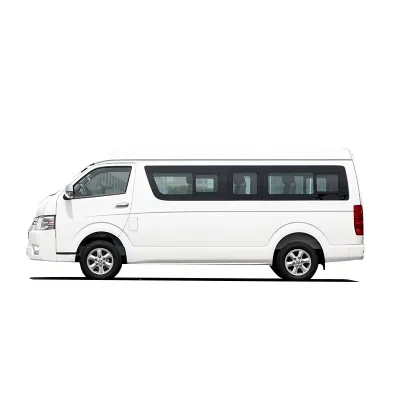
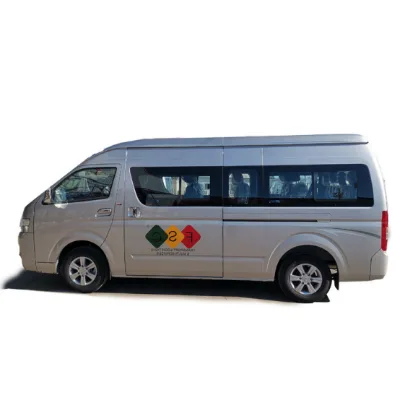
New Minibus Chinese Brand Camping Bus 12 Seater Mini Bus Photo Bus Hiace Is Sale
$20365.2371 - $20677.7471
MOQ: 1 units
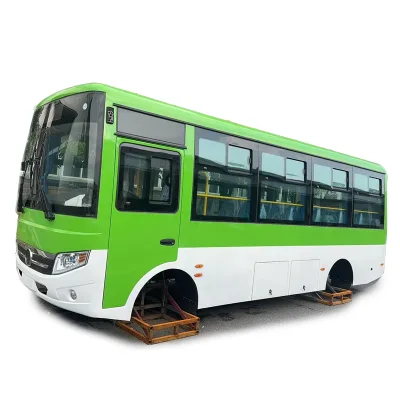
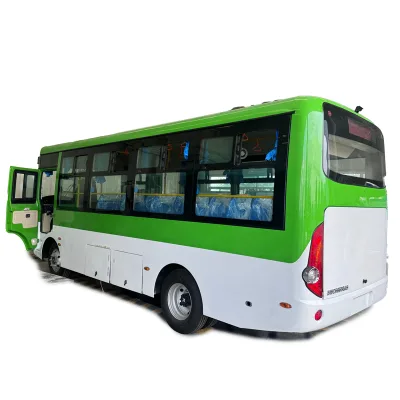
Beautiful Appearance Bus Touristes Mini Bus for Transport City Buses
$7098.8833 - $8230.5893
MOQ: 1 units
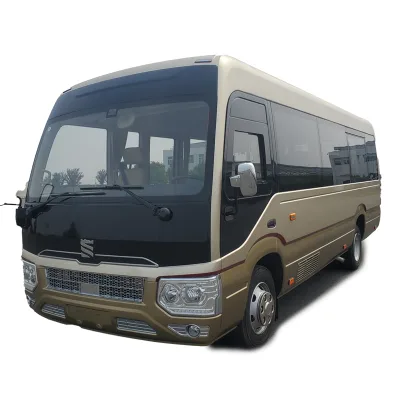
Tenglong Brand Chinese coaster Bus Mini Bus Left Brand New Bus Price
$5615.5418 - $5945.8629
MOQ: 1 units
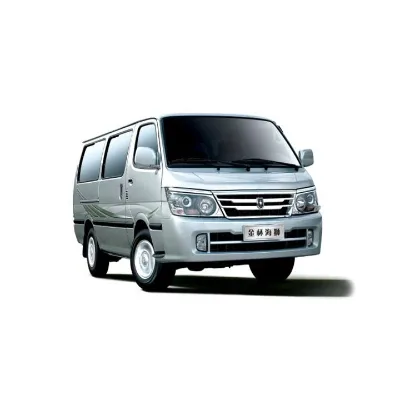


$7000.00 - $7500.00
MOQ: 1 Pieces


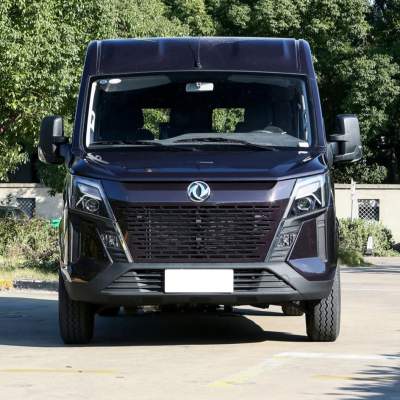
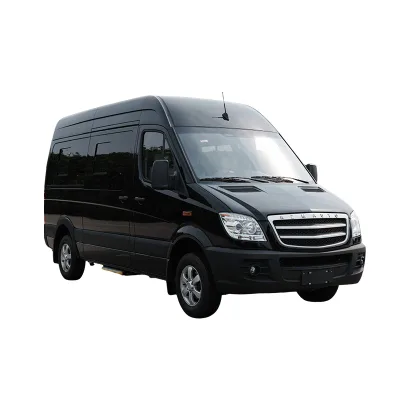
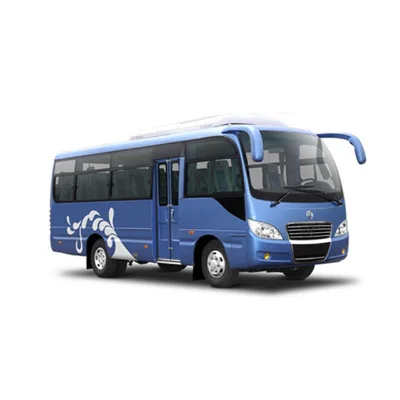
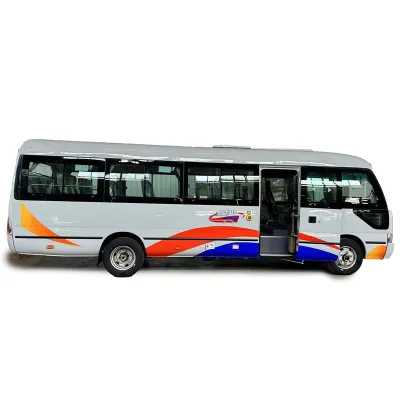
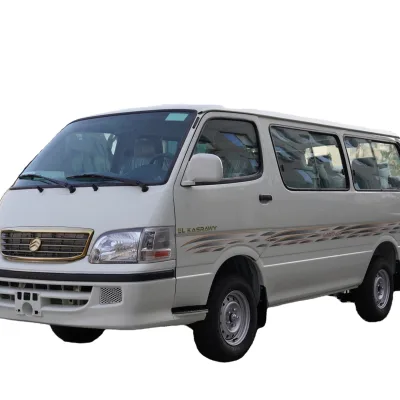
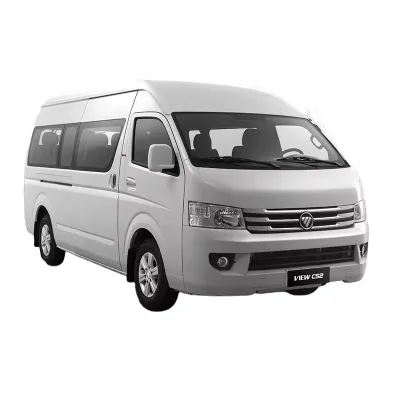


Fairly Used Customized Yutong City Bus Coaches 15-25 Seats Minibus for Transportation for Sale
$7200.00 - $13300.00
MOQ: 1 Pieces

Comprehensive Sourcing Guide
Jiangsu Minibus Sourcing Guide
Sourcing minibuses from Jiangsu requires careful navigation of regional manufacturing hubs and supply chain dynamics. Buyers must distinguish between original equipment manufacturers and trading companies, as the latter may obscure true production capabilities. The region is known for its robust automotive component ecosystem, which supports both large-scale bus production and specialized mini-vehicle assembly. Understanding the local industrial landscape helps in identifying suppliers with genuine engineering depth rather than mere assembly lines.
Procurement teams should prioritize suppliers who demonstrate transparent factory audits and verifiable production histories. Jiangsu’s logistics infrastructure offers advantages for export, but buyers must verify that suppliers have experience handling international shipping documentation and customs clearance. Establishing direct communication with engineering teams can reveal the depth of technical support available post-purchase. This due diligence ensures that the selected partner can sustain long-term operations and provide necessary spare parts.
Product Scope and Observed Listing Signals
Market listings for minibuses in this category often display a wide variance in specifications, ranging from compact 16-seat models to larger vehicles exceeding 50 seats. Observed data indicates that tire sizes such as 195/70R15 are common, while suspension systems vary between front double independent setups and rear variable rate leaf springs. Buyers should note that some listings describe vehicles as "excellent condition" used units, while others advertise new models with specific engine capacities between 4 to 6 liters.
The product scope also includes distinct model identifiers like the Coaster, R4, and Dongfeng C56, each with unique dimensional and performance traits. Wheelbases observed range from 2570mm to 3050mm, directly impacting interior space and ride stability. Fuel types are predominantly diesel, with emission standards cited as Euro 3 or Euro IV, reflecting varying regulatory compliance levels. Buyers must cross-reference these listing signals with actual vehicle capabilities to avoid mismatches between advertised features and delivered specifications.
Technical Specifications to Verify
Verification of engine displacement and torque output is critical for ensuring operational efficiency in diverse terrain conditions. Listings may cite displacements around 2.237L or engine capacities under 4L, with rated outputs such as 76kW at 4600rpm and maximum torque of 193Nm between 2000-2600rpm. Buyers should request detailed engine dyno sheets to confirm these figures, as performance claims can vary significantly between different manufacturing batches or supplier interpretations.
Transmission and steering configurations also require precise confirmation, with manual transmissions and left-hand drive systems being standard observations. Suspension types, whether leaf spring or independent setups, must align with the intended passenger load and road conditions. Additionally, verifying the exact vehicle dimensions, such as 4500x1680x1900mm for certain mini bus models, ensures compatibility with local parking infrastructure and loading docks. These technical details form the backbone of reliable fleet performance.
Compliance and Safety Documentation
Ensuring that minibuses meet destination country safety and emission regulations is a primary compliance hurdle for international buyers. While some listings mention Euro 3 or Euro IV standards, buyers must verify if these certifications are recognized in their target market. Documentation such as type approval certificates, homology papers, and emission test reports should be obtained before finalizing any purchase agreement to avoid customs delays or legal penalties.
Safety features and structural integrity certifications are equally important, particularly for vehicles intended for public transport or school use. Buyers should inquire about crash test results, brake system certifications, and fire safety standards applicable to the vehicle’s construction. Additionally, verifying that the supplier provides comprehensive user manuals and maintenance guides in the local language ensures that operators can maintain safety protocols effectively. Proper documentation mitigates liability risks and enhances operational safety.
Cost Drivers and Commercial Terms
The price range for minibuses in this segment is broad, observed between $566 and $26,900, reflecting differences in condition, age, and specification levels. New vehicles with advanced features and higher seat capacities command premium prices, while used or older models offer cost-effective alternatives for budget-conscious fleets. Buyers must analyze the total cost of ownership, including fuel consumption rates, which are described as medium in some listings, and expected maintenance intervals.
Commercial terms such as minimum order quantities (MOQ) and payment structures significantly impact procurement strategy. Observed MOQs are often set at one unit, allowing for flexible trial orders, but bulk purchases may unlock better pricing tiers. Buyers should negotiate clear terms regarding warranty coverage, after-sales service availability, and the inclusion of spare parts in the initial shipment. Understanding these financial dynamics helps in forecasting long-term operational expenses accurately.
Supplier Qualification and Quality Control
Evaluating supplier qualifications involves assessing their manufacturing capabilities, quality control processes, and after-sales support infrastructure. Buyers should verify if suppliers have established overseas third-party support networks, as indicated in some listings, to ensure timely maintenance and repair services. Checking for relevant business licenses, export qualifications, and past performance records provides insight into the supplier’s reliability and professionalism in handling international transactions.
Quality control measures should include pre-shipment inspections, functional testing of all vehicle systems, and verification of component origins. Buyers may request video walkthroughs or third-party inspection reports to confirm that the delivered vehicles match the agreed specifications. Establishing a clear communication channel for addressing defects or discrepancies post-delivery is essential. A robust quality control framework minimizes the risk of receiving substandard vehicles and ensures fleet readiness upon arrival.
Long-Term Procurement Checks
Sustainable procurement requires ongoing monitoring of supplier performance, vehicle reliability, and parts availability over the lifecycle of the fleet. Buyers should establish key performance indicators related to downtime, repair costs, and customer satisfaction to evaluate the minibuses’ operational efficiency. Regular feedback loops with end-users can highlight recurring issues that need to be addressed with the supplier for future orders or warranty claims.
Building a long-term relationship with the supplier can facilitate better pricing, priority production slots, and enhanced technical support. Buyers should periodically review contract terms to ensure they remain competitive and aligned with market conditions. Additionally, staying informed about regulatory changes in both the manufacturing and destination countries helps in adapting procurement strategies proactively. Continuous engagement ensures that the fleet remains compliant, efficient, and cost-effective over time.
FAQs
How many passengers can these minibuses carry?
Seating capacity varies by model, with listings covering configurations from 7-11 seats, 16-30 seats, and buses seating more than 50 passengers. The specific 16-seat mini bus model is described as a 16 Seats Bus. Choose a layout based on your route demand, and confirm the exact seat arrangement with the seller before ordering.
What fuel and emission standards do these minibuses use?
The listed minibuses are diesel-powered vehicles. Emission documentation on the page includes both Euro 3 and Euro IV entries, so the applicable standard depends on the specific model and its registration history. Verify the emission certificate matching your destination market's import rules before placing an order, since standards differ by country.
Can I order a customized minibus configuration?
Yes, customization is listed as available for these products. Buyers can discuss seating layout, color, and other configuration details with the seller during negotiation. Lead time and cost for customized units are typically higher than standard stock, so request a written confirmation of specifications and delivery schedule before finalizing your purchase.
What is the wheelbase and size range of these minibuses?
Listed specifications include a 2570 mm wheelbase on some models and a 3050 mm wheelbase on the Dongfeng C56 mini bus. One vehicle measures 4500X1680X1900 mm overall. These dimensions affect passenger capacity and maneuverability, so compare wheelbase and body size against your operating routes and parking constraints.
What transmission and suspension features are offered?
The minibuses use manual transmission, with one listing specifying a single-disc, hydraulically controlled clutch. Suspension configurations include front double independent suspension with rear variable-rate leaf springs, and a simpler leaf spring setup on other models. Manual gearboxes suit operators prioritizing lower purchase cost and straightforward maintenance in developing markets.
Are used minibuses available alongside new units?
Yes, the page lists second-hand used buses described in excellent condition alongside new vehicles. Used units appeal to buyers with limited budgets, but condition claims should be verified. Request inspection reports, maintenance records, and photos before purchase, and confirm whether after-sales support applies to pre-owned vehicles in your market.
What after-sales support can buyers expect?
Overseas third-party support is listed as available after purchase. This means service may be handled by an independent partner in your region rather than the seller directly. Clarify the coverage scope, response time, and parts availability for your country before ordering, since support arrangements vary by destination and model.
What is the origin of these minibuses?
The listed vehicles originate from China, with one specification noting Henan as the place of origin. Brands mentioned include Foton and Dongfeng, both China brand names. Buyers should confirm the exact factory location, export documentation, and shipping arrangements during negotiation, as origin details affect customs clearance and logistics costs.