Source Kaolin Powder for Ceramic, Paper, and Refractory Uses
Compare 30 listings of Kaolin Powder from Chinese manufacturers offering calcined grades with high whiteness and stable indices. Buyers can evaluate specifications like mesh size, chemical composition, and packaging options to find suitable materials for ceramic, paper, and refractory applications.
Key considerations
Products List


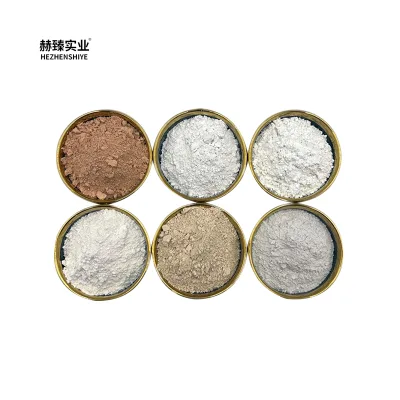
Natural Kaolin Powder for Construction Materials Paint Additives Kaolin Powder
$285.00 - $289.00
MOQ: 3 Tons




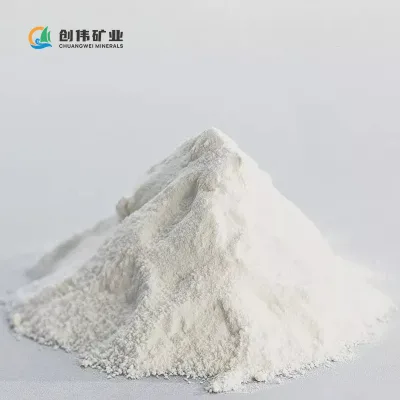
Manufacturer Direct Sales of High-Quality High-Purity Washed Kaolin Powder
$260.00 - $350.00
MOQ: 1 Tons

Comprehensive Sourcing Guide
Strategic Sourcing Guide for Kaolin Powder Procurement
The global demand for Kaolin Powder continues to expand across industrial sectors, driven by its unique chemical stability, high whiteness, and versatile physical properties. For procurement professionals, sourcing this raw material requires a disciplined approach that balances technical specifications with supply chain reliability. This guide provides a comprehensive framework for evaluating Kaolin Powder suppliers, interpreting technical data, and establishing long-term procurement strategies based on verified industry facts and observable market parameters.
Understanding Technical Specifications and Variability
The first step in sourcing Kaolin Powder is defining the precise technical requirements for your application. Kaolin is not a monolithic product; its properties vary significantly based on the source deposit and the processing method employed. In the current market, a primary distinction exists between calcined and uncalcined varieties. Calcined kaolin undergoes high-temperature treatment to alter its crystal structure, resulting in higher brightness and improved optical properties. Data from current listings indicates that calcined kaolin products often exhibit a whiteness after burn of approximately 93.9, with a specific L-value (lightness) recorded at 98.21. These metrics are critical for applications where visual aesthetics and opacity are paramount.
Particle size distribution is another fundamental specification that dictates the utility of the powder. The market offers a wide range of mesh sizes, with common specifications including 325 mesh, 1250 mesh, and 4000 mesh. Some suppliers also reference standards ranging from 320 mesh to 3000 mesh. The choice of mesh size directly impacts the rheology of the final product, whether it is a ceramic glaze, a paper coating, or a rubber compound. Buyers must verify the exact mesh specification required for their process, as finer particles generally command a premium but offer superior dispersion and surface finish.
Chemical composition is equally vital. The purity of kaolin is often measured by the content of aluminum oxide (Al2O3) and silicon dioxide (SiO2). Observed data suggests that high-quality calcined kaolin can contain Al2O3 levels around 44.78% and SiO2 around 53.75%. Impurities such as iron oxide (Fe2O3) and titanium dioxide (TiO2) must be minimized for high-whiteness applications. For instance, Fe2O3 levels as low as 0.35% and TiO2 around 0.72% are observed in premium grades. The loss on ignition (LOI) is also a key indicator of purity and processing; values below 0.05% suggest a highly refined product with minimal volatile content. Buyers should request detailed chemical analysis reports (COA) to confirm these elemental percentages match their formulation needs.
Compliance, Certification, and Quality Assurance
In the B2B procurement landscape, verifying supplier compliance is non-negotiable. While specific product listings may claim certifications such as ISO and CE, buyers must treat these as observations rather than universal guarantees for all inventory. A robust sourcing strategy involves confirming that the specific batch or production line holds valid certification status. The presence of ISO certification, potentially aligned with ISO 9001 quality management principles, indicates a supplier's commitment to consistent manufacturing processes. However, buyers should not assume that a supplier's general certification covers every product SKU without verification.
Quality assurance extends beyond paper certifications to the physical consistency of the product. The market often lists "Good Quality" as a general attribute, but this is subjective without quantitative backing. Procurement teams should establish a protocol for requesting third-party test results or internal quality control data for whiteness, particle size, and chemical purity. The observation that whiteness can range from 93.8 to 93.9 highlights the need for tight tolerances. If your application requires a whiteness index above a specific threshold, the supplier must demonstrate their ability to consistently meet that standard.
Furthermore, the origin of the material plays a role in compliance and traceability. Most Kaolin Powder in the current market originates from China, a major global producer. Buyers should ensure that the supplier can provide clear documentation regarding the mine origin and processing history. This is particularly important for industries with strict environmental or ethical sourcing mandates. While specific environmental certifications like ISO 22000 are mentioned in background data, their applicability to kaolin mining and processing should be verified on a case-by-case basis.
Cost Drivers and Pricing Dynamics
Understanding the cost structure of Kaolin Powder is essential for budgeting and negotiation. The observed price range in the market spans from $0.10 to $550 per unit, a vast disparity that reflects differences in grade, processing, and packaging. The primary cost drivers include the degree of calcination, the fineness of the grind, and the purity of the chemical composition. High-purity, ultra-fine calcined kaolin with a whiteness index exceeding 93.9 will naturally command a higher price point compared to standard uncalcined grades.
Packaging requirements also influence the final cost. Suppliers offer various packaging options, including 25kg bags, 50kg bags, and 1-ton jumbo bags. The choice of packaging affects logistics costs and handling efficiency. Some suppliers offer custom packaging "according to customer requirements," which can optimize supply chain costs but may introduce variability in lead times. Buyers should calculate the total landed cost, including packaging, freight, and handling, rather than focusing solely on the factory price.
Minimum Order Quantity (MOQ) is another significant factor. The market shows an MOQ range from 1kg to 39kg, offering flexibility for small-scale buyers while maintaining efficiency for large industrial purchasers. Lower MOQs, such as 1kg, are often available for samples or trial orders, allowing buyers to test product performance before committing to larger volumes. However, larger orders typically benefit from economies of scale, reducing the per-unit cost. Negotiating MOQ terms is a key strategy for managing cash flow and inventory levels, especially for buyers with fluctuating demand.
Typical Applications and Performance Requirements
Kaolin Powder serves a diverse array of industrial applications, each with unique performance requirements. The most prominent sectors include ceramics, paper manufacturing, and refractory materials. In the ceramics industry, kaolin is a primary ingredient for porcelain and sanitaryware, where its plasticity and firing properties are critical. The high whiteness and low iron content observed in calcined grades make them ideal for producing bright, white ceramic bodies.
The paper industry utilizes kaolin as a coating pigment to improve the smoothness, opacity, and printability of paper. Here, the particle size distribution is paramount. Fine grades, such as 4000 mesh, are preferred for high-quality printing papers, while coarser grades may be used for lower-cost applications. The refractory sector relies on kaolin for its high melting point and thermal stability, using it in the production of bricks and linings for high-temperature furnaces.
Other applications include rubber, plastics, and paints, where kaolin acts as a filler to enhance mechanical properties and reduce costs. In these contexts, the chemical inertness and specific surface area of the powder are key performance indicators. Buyers must align their sourcing strategy with the specific demands of their end-use application. For example, a paper manufacturer will prioritize brightness and particle size, while a refractory producer will focus on thermal stability and chemical composition.
Supplier Evaluation and Selection Criteria
Selecting the right supplier requires a multi-faceted evaluation process. Beyond price and specifications, buyers should assess the supplier's production capacity, technical support, and reliability. The observation that delivery times typically range from 3 to 15 days suggests a generally responsive supply chain, but this can vary based on order volume and logistics. Buyers should verify the actual lead time for their specific order size and destination.
Brand reputation and product consistency are also critical. While some listings mention brand names like "Hz," buyers should focus on the supplier's track record rather than brand recognition alone. A reliable supplier should be able to provide references from existing clients in similar industries. Additionally, the ability to provide samples is a strong indicator of supplier confidence. The availability of samples allows buyers to conduct internal testing to verify that the product meets their specific technical requirements before placing a bulk order.
Flexibility in packaging and standard compliance is another evaluation criterion. Suppliers that offer custom packaging and adhere to specific customer standards demonstrate a customer-centric approach. However, buyers must ensure that these customizations do not compromise the product quality or lead to delays. A balanced approach involves selecting a supplier who can offer standard high-quality products with the flexibility to accommodate special requests when necessary.
Long-Term Procurement and Quality Control Strategies
Establishing a long-term procurement relationship with Kaolin Powder suppliers requires a focus on consistency and continuous improvement. Quality control should be an ongoing process, not just a one-time verification. Buyers should implement a system for regular sampling and testing of incoming shipments to ensure that the product continues to meet the agreed-upon specifications. This is particularly important for products where whiteness and chemical purity are critical.
Negotiating long-term contracts can provide stability in pricing and supply. While the market price range is broad, locking in prices for a specific period can protect against market volatility. Buyers should also consider the supplier's capacity to scale production as their own demand grows. A supplier with a robust production base and a history of stable performance is better positioned to support long-term growth.
Finally, maintaining open communication with suppliers is essential for addressing any quality issues promptly. A proactive approach to quality management, including regular audits and feedback loops, can help prevent disruptions and ensure a steady supply of high-quality Kaolin Powder. By focusing on these strategic elements, buyers can build a resilient supply chain that supports their operational needs and business goals.
FAQs
What is the whiteness level of calcined Kaolin Powder?
Calcined Kaolin Powder typically exhibits a whiteness after burn of 93.9 with an L-value of 98.21. This high brightness makes it suitable for applications requiring superior visual aesthetics and opacity in ceramic and paper industries.
Which mesh sizes are available for Kaolin Powder specifications?
Available mesh specifications include 325 mesh, 1250 mesh, 4000 mesh, and ranges from 320 to 3000 mesh. Buyers must select the exact particle size required for their specific process to ensure optimal rheology and dispersion.
Can I find Kaolin Powder with ISO and CE certifications?
Yes, some listings indicate the presence of ISO and CE certifications for Kaolin Powder products. Buyers should verify that the specific batch or production line holds valid certification status before relying on these claims for compliance.
What is the minimum order quantity for Kaolin Powder samples?
The minimum order quantity can be as low as 1kg for samples or trial orders. This flexibility allows buyers to test product performance and verify specifications before committing to larger industrial volumes.
How long is the delivery time for Kaolin Powder orders?
Delivery times typically range from 3 to 15 days depending on order volume and logistics. Buyers should confirm the actual lead time for their specific order size and destination to ensure supply chain reliability.
What are the chemical purity levels for high-grade kaolin?
High-grade calcined kaolin contains approximately 44.78% Al2O3 and 53.75% SiO2 with low impurities. Iron oxide levels can be as low as 0.35%, and titanium dioxide around 0.72%, ensuring high purity for demanding applications.