Source Kawaii Panda Plush Slippers for Gifts, Parties, and Retail
Find 30 Kawaii Panda Plush Slippers from Chinese manufacturers. Compare customization options, certifications like CE and ASTM, and bulk pricing for party gifts and baby wear. Source directly from verified suppliers; compare the available evidence and request quotations based on your requirements.
Key considerations
Products List




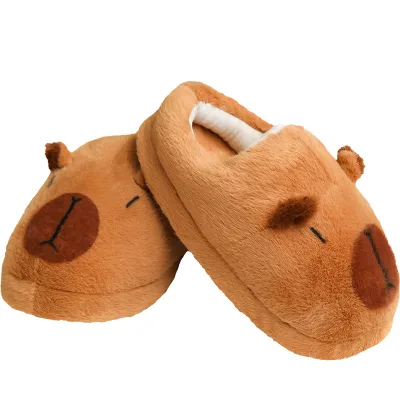
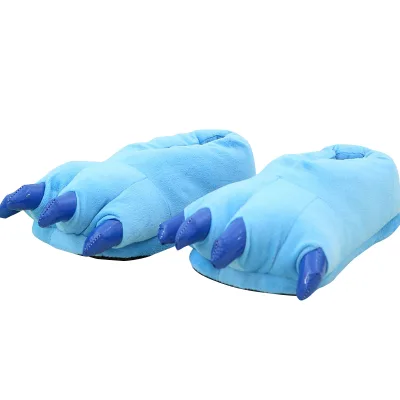
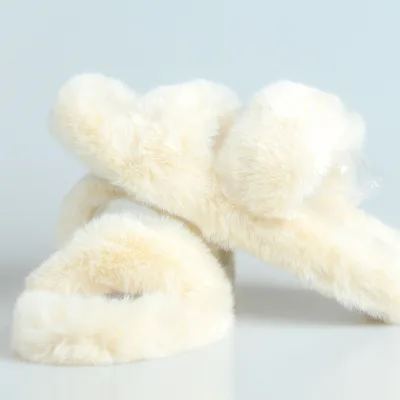
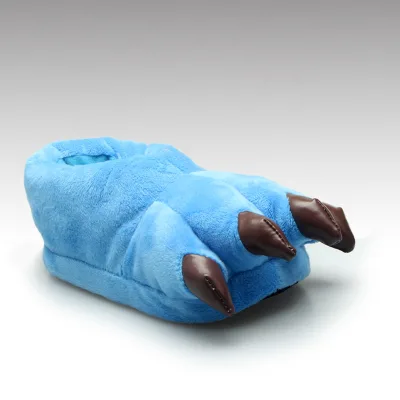
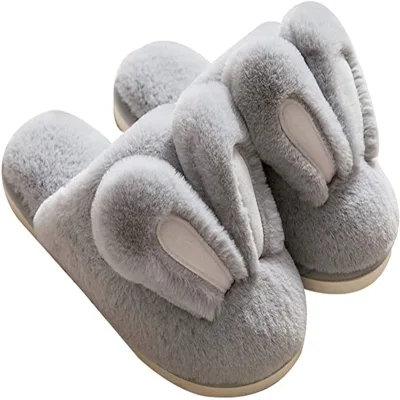
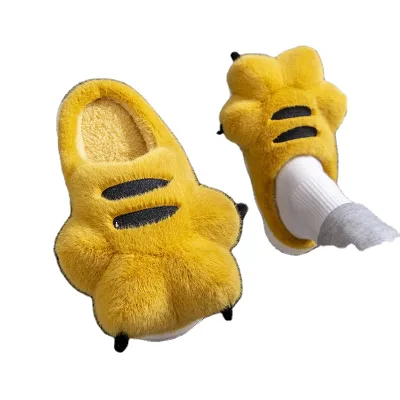


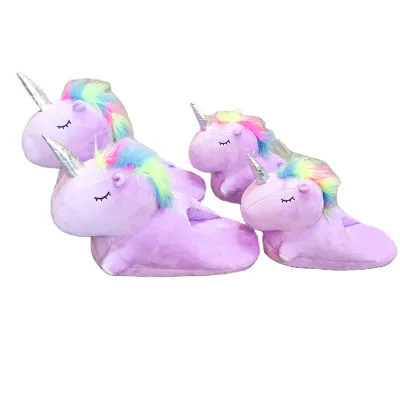

Comprehensive Sourcing Guide
Kawaii Panda Plush Slippers Sourcing Guide
Buyers seeking Kawaii Panda Plush Slippers must first distinguish between general party gift items and specialized baby products, as the supply chain often separates these categories by age rating and safety standards. The observed market data indicates a clear split between items designed for children over eight years and those specifically engineered for infants, requiring distinct verification protocols for each target demographic. Understanding this segmentation is critical before initiating any supplier engagement to ensure the selected product aligns with the intended user group and regulatory environment.
Procurement teams should also note that while customization is widely available, the specific attributes like stuffing material and sole composition vary significantly across different product models. Some listings highlight PP cotton filling for standard plush slippers, whereas others specify cotton for baby variants, directly impacting the tactile experience and safety profile. Buyers must explicitly confirm these material details during the initial inquiry phase to avoid receiving a product that fails to meet the specific comfort or safety expectations of their end customers.
Product Scope and Observed Listing Signals
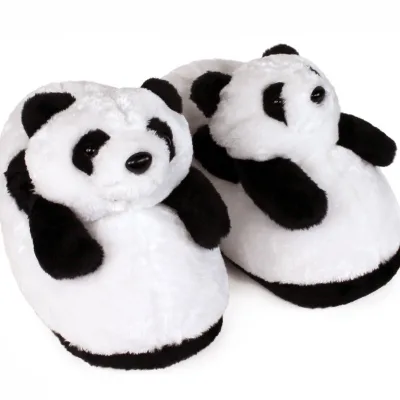
The core product category encompasses plush slippers featuring animal modeling, with specific observations noting bear and panda motifs available in colors such as yellow and brown. These items are typically constructed with a plush upper and may utilize EVA or TPR for the outsole, offering a balance of softness and durability suitable for indoor or light outdoor use. The observed product range includes specific model identifiers like YD-X20S177 and YD-X262, suggesting a diverse catalog where buyers can select from various designs while maintaining a consistent aesthetic of kawaii appeal.
Commercial signals indicate that these products are often marketed as party gifts or entertainment items for babies, emphasizing sensory experiences through increased sights, auditory, tactile, and olfactory engagement. The packaging standards observed include individual polybagging for each pair, with bulk cartons measuring approximately 63 by 45 by 58 centimeters, which is a crucial detail for logistics planning and storage optimization. Buyers should verify if the specific model they select adheres to these standard packing dimensions to ensure efficient container loading and cost-effective shipping arrangements.
Technical Specifications to Verify
Technical due diligence requires confirming the precise plush length and stuffing density, as the market data distinguishes between short plush toys and standard plush slippers with varying filling types. Buyers must explicitly verify whether the product uses PP cotton or standard cotton, as this choice affects the weight, warmth, and structural integrity of the slipper. Additionally, the upper material is consistently listed as plush, but the specific type of plush fabric and its resistance to pilling or shedding should be validated through physical samples before committing to a large order.
The construction method is frequently noted as hand-made, which implies a higher degree of craftsmanship but also introduces variability in production consistency that must be managed. Buyers should request detailed specifications regarding the sole material, specifically whether EVA or TPR is used, as this determines the slipper's grip and flexibility. Furthermore, the standard size of 15 centimeters for certain models and the specific carton dimensions of 634558CM must be confirmed against the actual product to ensure the final goods match the technical requirements of the target market.
Compliance and Safety Documentation
Safety compliance is paramount, particularly when sourcing items intended for infants, as the observed listings cite a wide array of certifications including CE, EN71, ASTM, CPSIA, REACH, and RoHS. Buyers must ensure that the specific model they order carries the relevant certifications for their destination market, as a product certified for general party gifts may not automatically meet the stricter safety requirements for baby wear. The presence of these certifications should be verified through valid test reports rather than relying solely on supplier claims, ensuring that the product has undergone rigorous third-party evaluation.
For products targeting the baby demographic, the distinction between items for children over eight years and those for babies is legally significant and requires separate compliance documentation. Buyers should explicitly request proof of compliance for the specific age group, as the safety standards for infant products often involve additional testing for small parts, flammability, and chemical content. Verifying that the supplier can provide up-to-date test reports for the specific model number is essential to mitigate the risk of regulatory non-compliance and potential product recalls in international markets.
Cost Drivers and Commercial Terms
Cost structures for Kawaii Panda Plush Slippers are influenced by the complexity of customization, including logo printing or embroidery, and the specific material choices such as PP cotton versus standard cotton. The observed minimum order quantities vary significantly, ranging from 100 pieces per design to 1000 pairs, which directly impacts the unit price and the financial feasibility of the procurement for different business scales. Buyers must align their order volume with the supplier's MOQ requirements to secure the most competitive pricing while avoiding the costs associated with holding excessive inventory.
Commercial terms also include specific delivery timelines and payment conditions that must be negotiated to align with the buyer's supply chain schedule. Lead times observed in the market range from 40 to 60 days for production, with sample availability taking 5 to 7 days, requiring careful planning to avoid stockouts. Payment is typically structured via T/T, and buyers should clarify the deposit percentage and balance payment terms to manage cash flow effectively. Additionally, the gross weight of 8kg and net weight of 7kg per carton are critical factors for calculating shipping costs and determining the optimal number of units per container.
Supplier Qualification and Quality Control
Supplier qualification should focus on verifying the place of origin, with specific observations pointing to Jiangsu and Jiangsu Yangzhou as key manufacturing hubs for these products. Buyers must confirm that the supplier has a proven track record in producing plush items with the specific technical attributes observed, such as hand-made construction and specific animal modeling. It is advisable to conduct a factory audit or request detailed information about their production capacity to ensure they can consistently meet the required quality standards and volume demands.
Quality control protocols must be established to address the variability inherent in hand-made products, ensuring that each pair of slippers meets the defined specifications for color, size, and material. Buyers should implement a rigorous inspection process that includes checking the stitching quality, the security of the stuffing, and the durability of the sole attachment. Given the specific packing requirements of one polybag per pair and bulk packaging in large plastic bags, the inspection should also verify that the packaging protects the product from damage during transit and maintains the aesthetic presentation required for retail.
Long-Term Procurement Checks
Sustainable procurement requires establishing a framework for ongoing quality assurance and supplier performance monitoring to ensure consistency over multiple production cycles. Buyers should implement a system for regular re-inspection and feedback loops to address any deviations in material quality or craftsmanship that may arise as production scales up. Maintaining open communication channels with the supplier allows for the timely resolution of issues and ensures that the product continues to meet the evolving expectations of the market and regulatory bodies.
Long-term success also depends on the ability to adapt to changes in supply chain dynamics, such as fluctuations in raw material costs or shifts in certification requirements. Buyers should regularly review the supplier's compliance status and update their own risk assessments to account for new standards or market trends. By fostering a collaborative relationship based on transparency and mutual growth, buyers can secure a reliable supply of Kawaii Panda Plush Slippers that maintains high quality and safety standards throughout the product lifecycle.
FAQs
Can I customize the logo on these plush slippers?
Yes, customization is available for these plush slippers. You can choose between printing or embroidery to apply your logo. The product supports custom labels and tags to match your brand identity. This OEM service allows for personalized designs suitable for party gifts or promotional items.
What certifications do these baby slippers have?
These slippers hold multiple safety certifications including CE, EN71, ASTM, CPSIA, REACH, and RoHS. These standards ensure the product meets international safety requirements for children. The materials used are safe, making them suitable for baby girls and boys who require gentle and secure footwear.
What is the minimum order quantity for these items?
The minimum order quantity varies by design, typically starting at 100 pieces per design. Some listings indicate a higher MOQ of 1000 pairs. Buyers should confirm the specific MOQ with the supplier based on the selected model and customization requirements to ensure the order meets production thresholds.
How long does delivery take for these slippers?
Delivery time generally ranges from 40 to 60 days after order confirmation. Some specific models may have a lead time of approximately 50 days. Sample production is faster, taking about 5 to 7 days. Buyers should plan their inventory needs accordingly to account for these production schedules.
What materials are used to make these slippers?
The upper part is made of plush material, providing a soft and warm feel. The filling consists of PP cotton or regular cotton for comfort. The outsole is crafted from EVA or TPR plastic for durability and grip. These materials ensure the slippers are suitable for indoor use and gentle on feet.
Where are these plush slippers manufactured?
These slippers are manufactured in China, specifically in the Jiangsu region. Jiangsu Yangzhou is noted as a key production origin for these items. This location is known for its expertise in plush toy and slipper manufacturing, ensuring quality craftsmanship and efficient production processes for global buyers.