Source Kaftan Dress for Summer, Travel, and Events
Compare 30 Kaftan Dress options from verified suppliers in Guangdong, China. Buyers can evaluate materials like cotton and rayon, sizes including XL and 2XL, and lead times ranging from 7 to 15 days for this versatile garment.
Key considerations
Products List
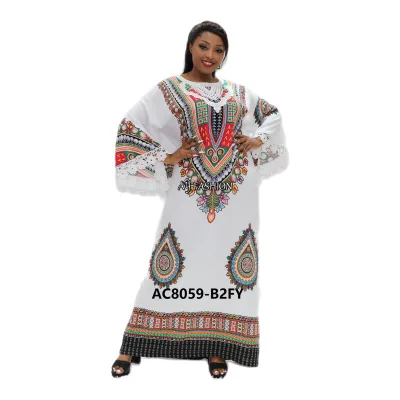
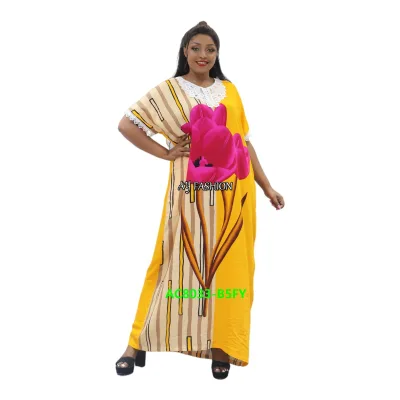
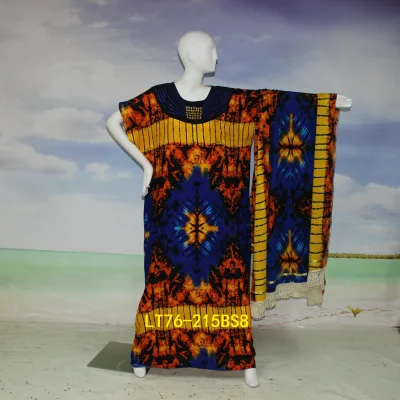
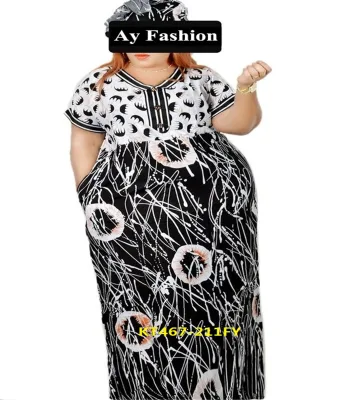
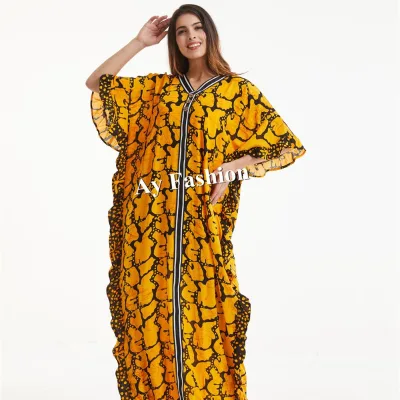
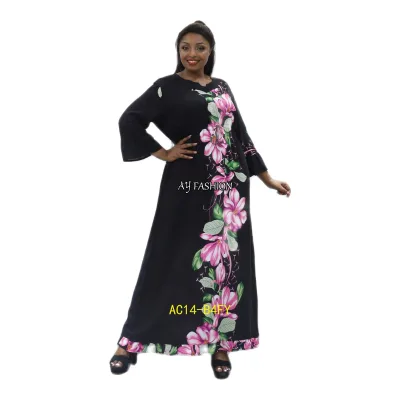


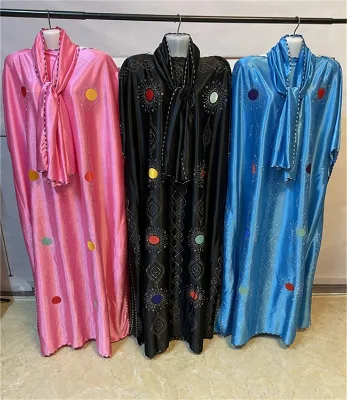
Muslim Women Dress Muslim Products Ay Fashion AC8895-A58fy Togo Kaftan Kaftan
$5.35 - $6.12
MOQ: 300 Pieces

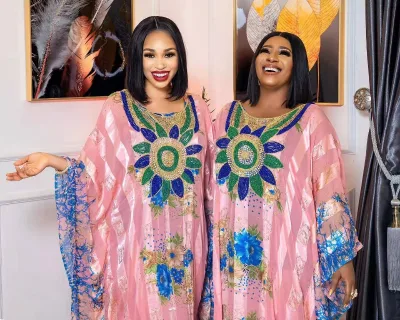
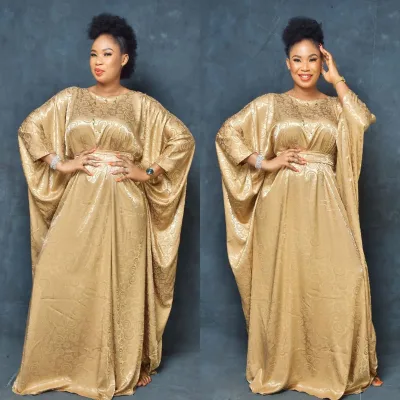
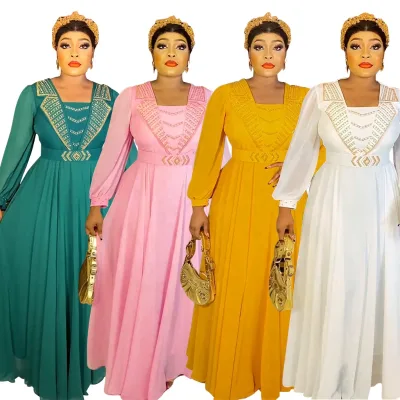
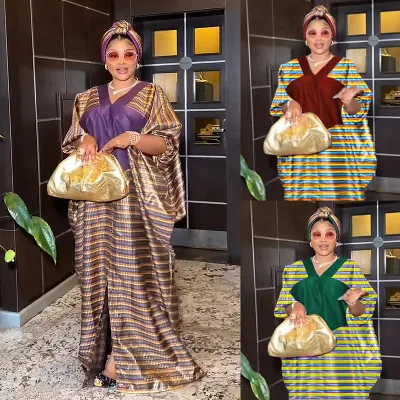

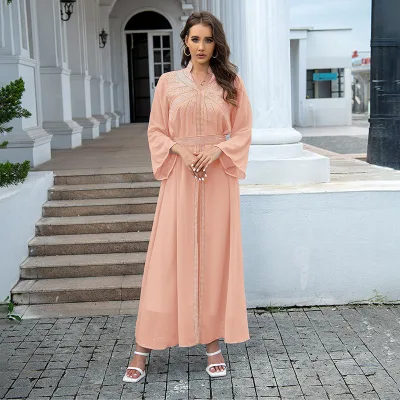


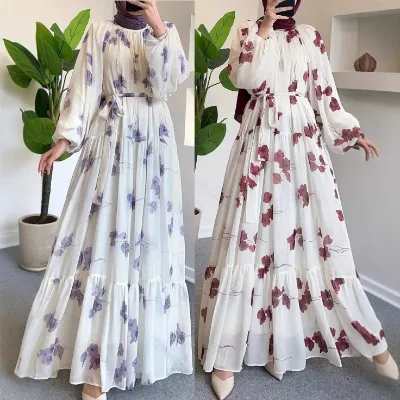
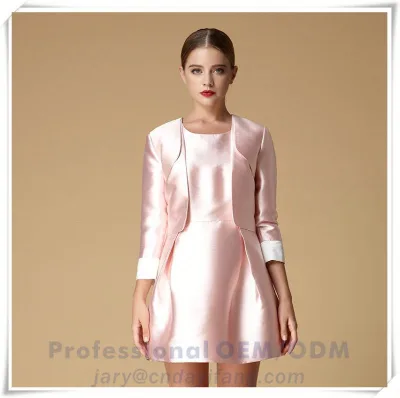


Kaftan for Women Long Sleeve Chiffon Maxi Dress Formal Gown Evening Dress
$12.14 - $12.88
MOQ: 10 Pieces

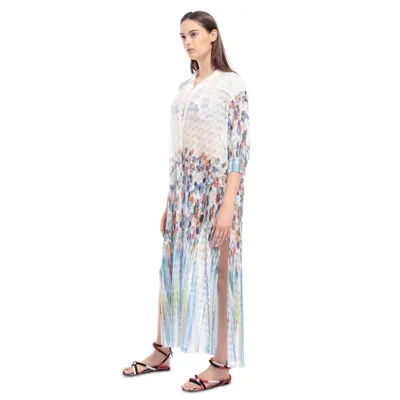
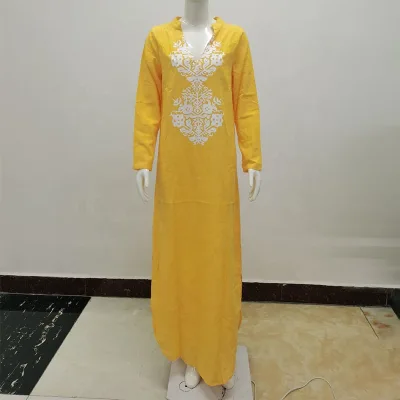
Comprehensive Sourcing Guide
Strategic Sourcing Guide for Kaftan Dress Procurement
The global market for kaftan dresses presents a distinct opportunity for B2B buyers seeking versatile, culturally resonant, and seasonally adaptable apparel. Sourcing this specific garment category requires a nuanced understanding of the intersection between traditional silhouettes and modern manufacturing capabilities. The following guide synthesizes observed product attributes, supply chain parameters, and technical specifications to provide a disciplined framework for procurement professionals. Buyers must navigate a landscape where "kaftan" serves as both a style descriptor and a functional category, ranging from casual summer wear to formal ethnic attire. The data indicates a diverse supplier base, primarily concentrated in Guangdong, China, offering a spectrum of materials from cotton to rayon and embroidered organza, each carrying unique cost and quality implications.
Technical Specifications and Material Variability
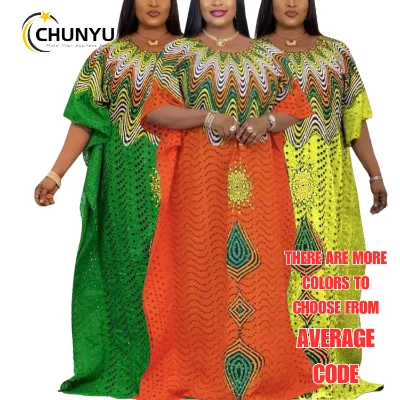
When evaluating Kaftan Dress listings, the first critical step is to reconcile the often conflicting or broad material descriptions found in product catalogs. The observed market data reveals a significant divergence in fabric composition. Some listings explicitly identify the material as Cotton, which aligns with the "Breathable" and "Washable" features often required for casual and summer wear. Conversely, other entries specify Rayon or Embroidered Organza, suggesting a tiered product line where organza is utilized for decorative, potentially more formal variations, while rayon offers a drape suitable for the "Loose" silhouette common in this style.
Buyers must verify the exact fabric composition against the intended use case. For instance, a product described with the attribute Fabric Type: Embroidered Organza and Decoration: Beading, Sequined, Lace, Embroidery implies a higher complexity in construction compared to a basic cotton kaftan. The Silhouette is consistently noted as Loose, and the Waistline is typically Natural, which are defining characteristics of the kaftan style. However, the Dresses Length varies, with observations of Maxi Standard lengths, which is critical for sizing logistics and fabric yardage calculations.
The Sleeve Length and Style also present a matrix of options. Data points include Full sleeves with a Regular sleeve style, as well as Short sleeves and Short sleeves variations. This variability means that a single supplier may offer a range of models, such as AC8059-B2FY with full sleeves or AC8033-B5FY with short sleeves. Procurement teams must ensure that the technical specification sheet matches the physical sample, particularly regarding the Neckline, which is frequently listed as O-Neck. Failure to specify these details can lead to receiving a garment that, while technically a kaftan, does not meet the specific design brief for the target market.
Compliance, Certification, and Supply Chain Transparency
In the B2B apparel sector, compliance is not merely a regulatory hurdle but a marker of supplier reliability. The provided data indicates that the Place of Origin for the majority of observed listings is Guangdong, China, with the Port of dispatch listed as Guangzhou. This geographic concentration suggests a mature supply chain ecosystem, yet it necessitates rigorous verification of labor and environmental standards. Buyers should not assume that because a product is listed as ODM (Original Design Manufacturing) or Oem Service, it automatically adheres to international compliance frameworks.
The Supply Type varies between ODM and Oem Service, indicating that some suppliers offer full design capabilities while others focus on manufacturing based on client specifications. This distinction impacts the intellectual property landscape and the flexibility of the supply chain. For buyers requiring custom branding, the Brand Name field is often populated with names like Love Sahara or AY Fashion, but these are observed attributes of specific listings rather than universal standards. Buyers must verify if the supplier can provide a blank label option or if they are restricted to their own branding.
Regarding certifications, the provided facts do not list specific third-party audit reports (such as ISO or SA8000). Therefore, buyers must explicitly request documentation for social compliance and chemical safety (e.g., REACH, CPSIA) before placing orders. The Payment terms observed include T/T, Western Union, and MoneyGram. While these are standard methods, the reliance on informal transfer methods like MoneyGram for B2B transactions warrants caution. A professional supplier typically prioritizes secure, traceable banking channels. The Delivery lead time is noted as About 7-15 days depending on order quantity, with some suppliers supporting a 7 days sample order lead time. However, other listings explicitly state Not Support for sample lead times, highlighting the need to confirm sample availability and cost before committing to a bulk order.
Cost Drivers and Minimum Order Quantity Analysis
The economics of sourcing kaftan dresses are heavily influenced by the MOQ (Minimum Order Quantity) and the complexity of the Decoration. The observed MOQ range spans from 1 to 300 pieces, with specific high-volume listings citing 300pcs as a standard threshold for certain models, while others accept 120pcs. This variance suggests a tiered pricing structure where smaller quantities may carry a premium per unit. The Selling Units are typically listed as Single item, but the Packaging Details reveal that products are often packed in PP bags or PE bags, with 12 pcs/bundel or Several dozens packed in a carton.
The Material is a primary cost driver. Cotton and Rayon generally offer different price points compared to Embroidered Organza. The latter, combined with Decoration elements like Sequined, Beading, and Lace, significantly increases the labor cost and production time. The Supply Ability of 500000 pieces per Month indicates that large-scale suppliers have the capacity to handle high-volume orders, but this capacity may come with higher MOQs. Buyers must balance the desire for lower unit costs against the risk of overstocking. The Observed listed price range of 2-24.34 USD reflects this disparity, likely correlating with the material quality, decoration complexity, and order volume.
| Attribute | Low-Volume / Sample Tier | High-Volume / Bulk Tier |
|---|---|---|
| MOQ | 1 - 120 pcs | 300 pcs |
| Material | Cotton, Rayon | Embroidered Organza, Heavy Cotton |
| Decoration | Minimal or None | Beading, Sequined, Embroidery |
| Lead Time | 7 days (Sample support) | 7-15 days (Dependent on qty) |
| Packaging | 1Pcs/Opp Bag | Custom Carton / Bundled |
Typical Applications and Seasonal Market Alignment
The Season attribute for these garments is listed as Summer Spring Autumn, which aligns with the Loose silhouette and Breathable features. This makes the Kaftan Dress particularly suitable for warm-weather markets and resort wear. However, the Style is also described as African Maxi caftan Dress and African dress patterns, indicating a strong cultural application in ethnic fashion markets. The Ethnic Region is noted as Middle East, suggesting that these designs are also tailored for markets in the Middle East where modest, flowing garments are traditional.
The Description field sometimes includes promotional terms like Christmas sales kafta, indicating that these items can be marketed as seasonal gifts or holiday wear, despite the primary summer classification. This versatility allows buyers to target multiple consumer segments: the casual summer shopper, the ethnic fashion enthusiast, and the holiday gift buyer. The Type classification as African Maxi caftan Dress and Dress Type: Casual Dresses further broadens the application scope. Buyers should consider the Colors attribute, which is often listed as As the picture shows, implying a reliance on visual catalogs rather than standardized color codes. This can lead to color variation issues if not managed through strict sample approval processes.
Supplier Evaluation and Quality Control Protocols
Evaluating a supplier for kaftan dresses requires a multi-faceted approach that goes beyond the initial product listing. The Model Number variations, such as LT76-215BS8, serve as unique identifiers that must be tracked meticulously to ensure consistency across orders. A robust quality control (QC) protocol should begin with the Sample stage. While some suppliers support a 7 days sample order lead time, others do not. Buyers must insist on a pre-production sample that matches the Packing and Decoration specifications exactly.
The Packaging Details are a critical QC checkpoint. The observation that products are packed in PP bags or PE bags with 12 pcs/bundel or as requirement of customers means that the packaging standard is flexible. Buyers must define their packaging requirements in the purchase order to prevent damage during transit. The Feature list includes Plus Size, with sizes ranging from XL to 2 XL and L, Xl, 2 XL. This indicates a focus on inclusivity, but it also requires precise grading rules to ensure that the Loose silhouette fits correctly across different size increments.
Buyers should verify the Supply Ability of 500000 pieces per Month against their projected demand. A supplier claiming this capacity must demonstrate a history of meeting delivery deadlines. The Lead Time of 7-15 days is relatively short, which is advantageous for agile supply chains, but it assumes that the order quantity is within the supplier's current capacity. For orders exceeding this, the lead time may extend, and the buyer must plan accordingly. The Payment terms of T/T are standard, but the inclusion of Western Union and MoneyGram suggests a need for caution regarding transaction security and traceability.
Long-Term Procurement Considerations and Relationship Management
Sourcing kaftan dresses is not a one-off transaction but a long-term relationship that requires strategic planning. The Design attribute, specifically african dress patterns, suggests that designs may be proprietary or culturally specific. Buyers must ensure that the supplier has the rights to manufacture and export these designs to avoid intellectual property disputes. The Brand Name field shows that suppliers may operate under their own brands or offer white-label services. For buyers looking to build their own brand, the ODM capability is essential, allowing for custom designs that differentiate the product in the market.
The Delivery lead time of About 7-15 days is a significant competitive advantage, but it is contingent on the order quantity. Buyers should negotiate clear terms regarding what constitutes "order quantity" and how it impacts the timeline. The Port of dispatch being Guangzhou is a major logistics hub, which generally ensures efficient shipping, but buyers should verify the specific freight forwarder capabilities. Long-term success also depends on the supplier's ability to adapt to changing trends. The Season attribute of Summer Spring Autumn implies a cyclical demand, and buyers must plan their inventory to avoid stockouts during peak seasons.
Finally, the Feature list includes Washable and Breathable, which are key selling points for end consumers. Buyers must ensure that the supplier maintains these quality standards over time. Consistency in Material and Decoration is crucial for brand reputation. The Observed listed price range of 2-24.34 USD suggests a wide margin for negotiation, but buyers should focus on value rather than just the lowest price. A supplier that offers consistent quality, reliable lead times, and flexible packaging solutions will be more valuable in the long run than one that offers the lowest price but inconsistent delivery. By adhering to these disciplined procurement practices, buyers can effectively navigate the complex landscape of Kaftan Dress sourcing and build a resilient, high-performing supply chain.
FAQs
What materials are used for these kaftan dresses?
The dresses are made from cotton, rayon, or embroidered organza. Buyers should verify the specific fabric type against their needs, as organza often includes decorative elements like beading or sequins.
Can I order samples before placing a bulk order?
Some suppliers support a seven-day sample order lead time, while others do not. You must confirm sample availability and costs individually before committing to a bulk purchase.
What is the minimum order quantity for these dresses?
The minimum order quantity ranges from one to 300 pieces depending on the supplier and model. Specific listings cite 300 pieces as a standard threshold, while others accept 120 pieces.
How long does delivery take for these orders?
Delivery typically takes about seven to 15 days depending on the order quantity. This lead time assumes the order fits within the supplier's current production capacity of 500,000 pieces per month.
Which sizes are available for plus size kaftan dresses?
Available sizes include XL, 2XL, and L. The dresses feature a loose silhouette with a natural waistline, designed to accommodate plus-size requirements effectively.
Where are these kaftan dresses manufactured and shipped from?
The place of origin is Guangdong, China, with the port of dispatch listed as Guangzhou. Buyers should verify labor and environmental standards despite this geographic concentration.
What payment methods are accepted for these transactions?
Accepted payment methods include T/T, Western Union, and MoneyGram. Buyers should exercise caution with informal transfer methods and prioritize secure banking channels for B2B transactions.