Source Kangaroo Pocket Designer Hoodie for winter, casual, and work wear
Explore 30 verified listings for the Kangaroo Pocket Designer Hoodie, comparing features like size, material, and customization options. Buyers can evaluate specifications including cotton blends, polyester, and fixed hood types to find suitable suppliers.
Key considerations
Products List




Comprehensive Sourcing Guide
Strategic Sourcing Guide for Kangaroo Pocket Designer Hoodies
Understanding Product Specifications and Variability
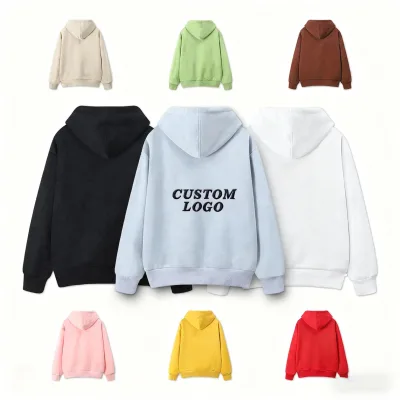
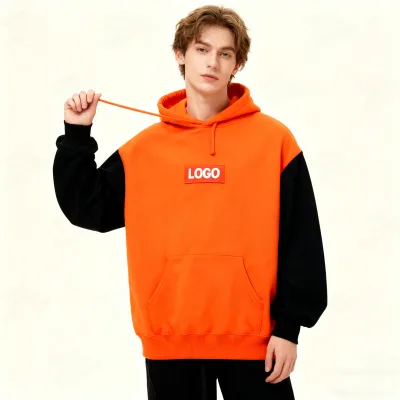
When sourcing a Kangaroo Pocket Designer Hoodie, the primary challenge lies in navigating the significant variability inherent in the product category. The term "designer hoodie" often implies a specific aesthetic or structural integrity, yet the underlying specifications can vary drastically between suppliers. Based on observed market data, the core attribute of a kangaroo pocket is frequently paired with diverse sizing standards. Buyers must recognize that "Free Size" and specific measurements like "S" or "XL" are not interchangeable. A supplier listing a "Free Size" garment may be targeting a unisex market with a loose fit, whereas a supplier offering "S" or "XL" sizes is likely adhering to a more structured sizing chart. This distinction is critical for inventory planning and ensuring the final product meets the target demographic's fit expectations.
Furthermore, the sleeve length and hood construction are key differentiators. While many listings specify "Long Sleeve" and a "Fixed" hood, these are standard baseline features. However, the material composition introduces a layer of complexity. The market offers options ranging from "100% cotton" to "Cotton Blend" and "Polyester" blends. The choice of material directly impacts the drape, warmth, and durability of the hoodie. For instance, a "100% cotton" standard suggests a softer hand feel and higher breathability, which is often preferred for casual wear, whereas "Polyester" or "Blends" may offer enhanced durability and moisture-wicking properties suitable for athletic or outdoor applications. The pattern is another variable; while "Solid" patterns are common for a minimalist designer look, "Floral" and "Camouflage" patterns indicate a more niche or seasonal design approach. Buyers must verify if the specific design intent aligns with the pattern and material combination offered by the supplier.
Compliance, Certification, and Material Standards
In the B2B procurement landscape, verifying compliance and material standards is non-negotiable. The origin of the product plays a significant role in the regulatory framework. Many suppliers list their origin as "China," with specific manufacturing hubs noted in cities like "Xiamen" and "Guangzhou." While these locations are major textile manufacturing centers, the specific certifications held by the factory determine the safety and ethical compliance of the goods. Some suppliers explicitly list standards such as "SGS," "FOMA," and "BSCI." These certifications are vital indicators of quality control processes, social compliance, and product safety testing.
However, buyers must exercise caution when interpreting material standards. One listing may claim a "100% cotton" standard, while another lists "Cotton Blend" or even a weight specification like "500G." The "500G" figure likely refers to the fabric weight or GSM (grams per square meter), which is a critical metric for determining the warmth and heaviness of the garment. A "500G" hoodie is significantly heavier than a standard 280G garment, making it suitable for winter conditions, as indicated by the "Season: Winter" attribute found in some listings. Conversely, a "26165" or "204040cm" specification refers to the packaging dimensions rather than the garment itself. It is essential to distinguish between product attributes and packaging standards to avoid confusion during the ordering process.
Buyers should also verify the "Customization" capabilities. Many suppliers indicate that "Customization: Available" and "Logo: Customized" are options. This allows for brand differentiation, but it requires a clear understanding of the minimum order quantities (MOQ) associated with these custom features. The presence of certifications like BSCI suggests a commitment to ethical labor practices, which is increasingly important for brands aiming to maintain a positive corporate image. Without explicit confirmation of these standards, buyers risk sourcing products that may not meet international safety or labor regulations.
Cost Drivers and Pricing Dynamics
The pricing of kangaroo pocket designer hoodies is influenced by a complex interplay of factors, including material costs, customization levels, and order volume. The observed price range in the market spans from $2.88 to $25.00 USD. This wide variance is not arbitrary; it reflects the differences in material quality, construction complexity, and the level of customization required. A hoodie priced at the lower end of the spectrum is likely made from basic polyester blends or lower-weight cotton, with minimal customization and standard packaging. In contrast, a hoodie at the higher end likely features premium materials like 100% cotton, complex patterns such as floral or camouflage, and specialized packaging requirements.
The MOQ (Minimum Order Quantity) is another significant cost driver. The observed MOQ range is from 1 to 1000 units. Suppliers with an MOQ of "20PCS" or even "1PC" may be catering to small businesses or sample orders, often at a higher per-unit cost. Conversely, suppliers requiring an MOQ of 1000 units typically offer lower per-unit pricing due to economies of scale. The "1PC Per Polybag" or "1 PCS Per Poly Bag. Fit in Box" packing specifications also impact the final cost. More elaborate packaging, such as individual polybags or boxes, adds to the production and logistics expenses. Buyers must balance their budget constraints with their volume requirements to find the optimal price point.
Additionally, the "Fabric: Various Option" attribute suggests that material choices can be a lever for cost negotiation. Selecting a less expensive blend can reduce the unit cost, while opting for premium cotton or specialized blends will increase it. The "Customization: Available" feature also adds a layer of cost, as setting up new printing or embroidery processes incurs setup fees. Buyers should request detailed cost breakdowns to understand how much of the price is attributed to the base garment versus the customization and packaging.
Typical Applications and Seasonal Relevance
The application of kangaroo pocket designer hoodies varies widely depending on the specific attributes of the product. The "Season: Winter" designation indicates that these garments are primarily designed for colder weather, making them suitable for retail in autumn and winter months. The heavy fabric weight, such as the "500G" standard, reinforces this seasonal relevance, providing the necessary insulation for winter conditions. However, the versatility of the design allows for broader applications. The "Fixed" hood and "Long Sleeve" construction make these hoodies ideal for casual streetwear, athletic wear, and promotional merchandise.
The pattern and color options further define the target application. "Solid" colors in "Blue" or "Black" are versatile and suitable for corporate uniforms or general retail. In contrast, "Floral" or "Camouflage" patterns cater to specific fashion trends or outdoor enthusiasts. The "Kangaroo" pocket is a functional feature that adds utility, making these hoodies popular for everyday wear where users need to carry small items securely. The "Zipper" closure type, observed in some listings, offers an alternative to pullover styles, providing ease of wear and temperature regulation.
For brands looking to expand their product lines, the "Customization: Available" feature allows for the creation of unique designs that can be marketed for specific events, seasons, or brand campaigns. The ability to customize the logo and pattern enables companies to create limited edition drops or seasonal collections that stand out in a crowded market. Understanding these applications helps buyers align their procurement strategy with their sales channels and target audience.
Supplier Evaluation and Quality Control
Evaluating suppliers requires a rigorous approach to ensure consistency and reliability. The presence of specific certifications like "SGS," "FOMA," and "BSCI" is a strong indicator of a supplier's commitment to quality and ethical standards. Buyers should prioritize suppliers who can provide documentation for these certifications, as they serve as third-party validation of the supplier's capabilities. The origin of the product, whether "China," "Xiamen," or "Guangzhou," should be verified to ensure that the supplier has the necessary infrastructure to meet production demands.
Quality control is paramount, especially when dealing with custom orders. The "1PC Per Polybag" or "Box" packing specifications must be strictly adhered to to prevent damage during transit. Buyers should request pre-shipment samples to verify the material quality, stitching, and fit. The "Material: Cotton" or "Polyester" claims must be validated through physical inspection or third-party testing. The "Standard: 500G" or other weight specifications should be confirmed to ensure the garment meets the expected weight and durability standards.
Furthermore, the "Customization: Available" feature requires clear communication regarding the design specifications. Buyers should ensure that the supplier has the technical capability to execute the desired logo placement and pattern printing. The "MOQ: 20PCS" or other minimum order requirements should be clearly understood to avoid unexpected costs or delays. Regular communication and clear documentation of all specifications are essential for maintaining a successful supplier relationship.
Long-Term Procurement Considerations
Sourcing kangaroo pocket designer hoodies is not just a one-time transaction but a strategic decision that impacts long-term business operations. The ability to scale production is a critical factor. Suppliers with flexible MOQs, ranging from 1 to 1000 units, offer the agility needed for startups and established brands alike. However, buyers must consider the lead times and production capacity of their chosen suppliers. The "Common Packing" or specialized packaging options should be evaluated for their impact on logistics and storage.
Sustainability and ethical sourcing are becoming increasingly important in the apparel industry. Suppliers with "BSCI" certification demonstrate a commitment to social compliance, which can enhance the brand's reputation. Buyers should also consider the environmental impact of the materials used, such as the choice between "100% cotton" and "Polyester" blends. The "Customization: Available" feature allows for continuous innovation, enabling brands to adapt to changing market trends and consumer preferences.
Finally, building a robust supply chain involves diversifying suppliers to mitigate risks. Relying on a single source can be risky if production issues arise. Buyers should maintain relationships with multiple suppliers who offer different specifications, such as varying materials, patterns, and packaging options. This approach ensures business continuity and provides the flexibility to respond to market fluctuations. By focusing on long-term partnerships and continuous quality improvement, buyers can secure a reliable supply of high-quality kangaroo pocket designer hoodies.
FAQs
What sizes are available for kangaroo pocket designer hoodies?
Available sizes include XL, Free Size, and S. Buyers must verify specific sizing charts as Free Size implies a unisex loose fit while S and XL indicate structured measurements for inventory planning.
Can I customize the logo on these hoodies?
Customization is available for logos and patterns. Suppliers offer options for customized branding, but buyers should confirm minimum order quantities and setup fees associated with these specific design changes.
Which certifications do the manufacturers hold?
Some suppliers hold SGS, FOMA, and BSCI certifications. These standards indicate compliance with quality control, product safety, and social labor practices, which are critical for ethical procurement and international shipping.
What materials are used for the fabric?
Materials include 100% cotton, cotton blends, and polyester. The choice affects durability and warmth, with 500G weight options suitable for winter seasons and blends offering enhanced moisture-wicking properties.
How does the MOQ affect pricing?
MOQ ranges from 1 to 1000 units, influencing per-unit costs. Lower quantities like 20PCS often carry higher prices, while larger orders leverage economies of scale to reduce the final unit price significantly.
Where are the products manufactured?
Products originate from China, specifically hubs like Xiamen and Guangzhou. Buyers should verify these locations to ensure the supplier has the necessary infrastructure and logistics capabilities for their specific order volume.
What packaging options are provided?
Packaging includes 1PC per polybag, fit in box, or common packing. These specifications impact logistics costs, so buyers must confirm if individual polybags or boxes are required for their retail presentation.