Source Kangaroo Pocket Men Hoodies for casual wear, outdoor activities, and daily use
Explore 30 options for Kangaroo Pocket Men Hoodies featuring windproof and breathable designs. Buyers can compare materials like polyester and cotton, styles including hoody and casual clothes, and customization availability from suppliers in China.
Key considerations
Products List


Coffee Brown Color Hoodies for Men Guys Solid Drawstring Kangaroo Pocket Hoodie
$6.90 - $12.90
MOQ: 50 Pieces


Kangaroo Pocket Pullover Hoodies - Oversized, 320GSM 100% Cotton for Men
$7.00 - $15.00
MOQ: 100 Pieces


100% Cotton Oversized Hoodies - Blank Pullover with Kangaroo Pocket for Men
$7.00 - $15.00
MOQ: 100 Pieces

Oversized 320GSM Hoodies - Men's Pullover with Kangaroo Pocket, 100% Cotton
$7.00 - $15.00
MOQ: 100 Pieces

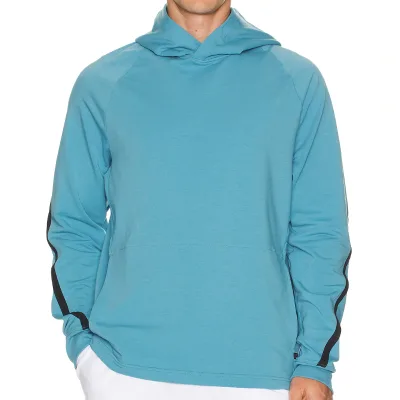
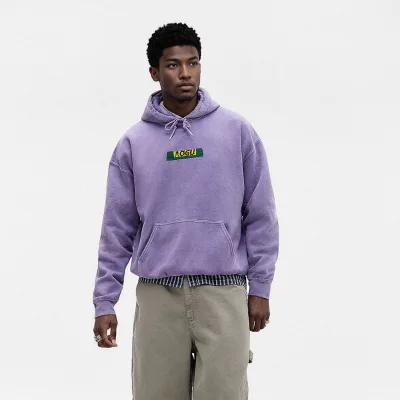
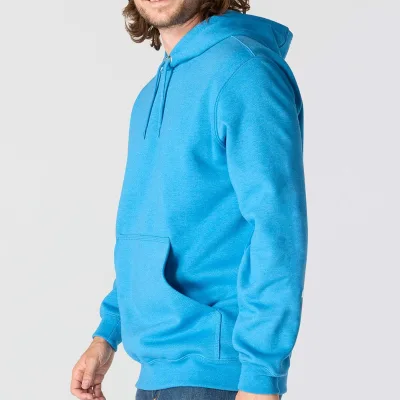


Comfortable Gray Color Acid Washed Kangaroo Pocket Cotton Men's Pullover Hoodie
$16.23 - $17.15
MOQ: 50 Pieces


Comprehensive Sourcing Guide
Kangaroo Pocket Men Hoodies Sourcing Guide
Sourcing Kangaroo Pocket Men Hoodies requires a strategic approach that balances functional design with material integrity, as the kangaroo pocket is a defining feature that impacts both utility and structural durability. Buyers must prioritize suppliers who demonstrate consistent stitching quality around the pocket opening, as this area undergoes significant stress during daily wear and can be a primary point of failure if construction is substandard. The observed market data indicates a diverse range of options, from casual leisure jackets to fashion-forward hoodies, necessitating a clear definition of the target application before engaging with potential vendors.
The procurement process should begin by analyzing the specific attribute signals present in current listings, such as the distinction between fixed hood types and various fabric compositions like polyester blends or 100% cotton. Since the observed product range includes models with features like windproofing, breathability, and anti-pilling treatments, buyers must verify that these claims are backed by tangible material specifications rather than generic marketing language. Establishing a precise product scope early in the negotiation phase ensures that the final order aligns with the intended use case, whether it is for high-activity spring and autumn wear or general casual fashion.
Product Scope and Observed Listing Signals
The current market landscape for Kangaroo Pocket Men Hoodies reveals a spectrum of product types ranging from standard casual clothes to specialized graphic and solid-pattern designs. Listings indicate that the core demographic includes adult men, though some unisex options are available, suggesting that sizing and fit profiles must be carefully validated against the target customer base. The observed product attributes highlight a strong emphasis on seasonal versatility, with many items marketed specifically for spring and autumn conditions, which implies a need for fabrics that offer breathability without sacrificing warmth.
Buyers should note that the visual and functional scope extends beyond the basic hoodie silhouette to include specific style elements like hoody designs, graphic patterns, and solid colors. The presence of customization options in the supply chain allows for significant flexibility in branding, with suppliers offering capabilities for custom logos and blank designs suitable for private label development. However, the variation in packing methods, from sea transportation to individual polybag packaging, requires clear communication regarding logistics preferences to ensure the product arrives in optimal condition for retail display.
Technical Specifications to Verify
Material composition is the most critical technical specification to validate, as the observed data shows a mix of polyester, cotton, and elastane blends that directly influence the garment's performance and longevity. Buyers must request detailed fabric breakdowns to confirm whether a product is 100% cotton, a cotton-polyester blend, or a synthetic-heavy mix, as these differences dictate care instructions, shrinkage rates, and the effectiveness of features like windproofing and breathability. The weight of the fabric, often measured in GSM, is another vital parameter, with observed ranges indicating options from 120 to 300 GSM, which determines the garment's suitability for different climate conditions.
Construction details such as sleeve length, pocket type, and hood configuration must be cross-referenced with the physical samples to ensure they match the technical description. The kangaroo pocket, a central feature of this category, should be inspected for reinforcement stitching and depth, while the hood type—whether fixed or adjustable—must align with the functional requirements of the end user. Additionally, verification of the weaving method, such as knitted jersey, and the presence of specific fabric treatments like anti-shrink or anti-wrinkle properties is essential to guarantee that the product meets the expected quality standards for the intended market.
Compliance and Safety Documentation
While specific certification statuses were not explicitly detailed in the provided product listings, buyers must insist on documentation that verifies compliance with international textile safety standards relevant to the destination market. This includes ensuring that the dyes and finishes used on the polyester, cotton, and elastane blends meet regulations regarding harmful substances, such as those governing formaldehyde, azo dyes, and heavy metals. For products marketed as windproof or breathable, buyers should request test reports that validate these performance claims, as these attributes often rely on specific chemical treatments or fabric constructions that require safety verification.
Documentation regarding the origin of the materials and the manufacturing process is equally important for maintaining supply chain transparency and ethical compliance. Buyers should verify that the suppliers can provide evidence of adherence to labor standards and environmental regulations, particularly given that the observed products originate from specific regions in China. Ensuring that the supplier has a robust quality management system in place helps mitigate risks associated with non-compliance, which can lead to costly recalls or reputational damage in the B2B sector.
Cost Drivers and Commercial Terms
The cost of Kangaroo Pocket Men Hoodies is heavily influenced by the complexity of the material blend and the level of customization required, with prices observed in the market ranging from $1.1 to $19.9 per unit. Higher price points often correlate with premium fabric compositions, such as high-GSM cotton or specialized blends with elastane for stretch, as well as the inclusion of advanced features like anti-pilling and anti-wrinkle treatments. Buyers must analyze the cost structure to understand how much of the price is attributed to raw materials versus labor and finishing processes, ensuring that the final unit cost aligns with their target retail margin.
Commercial terms, including Minimum Order Quantity (MOQ) and lead times, vary significantly across suppliers and must be negotiated based on the specific product model and customization needs. The observed MOQ range of 50 to 1000 units suggests that buyers have flexibility to start with smaller batches for testing or to commit to larger volumes for cost efficiency. It is crucial to clarify the payment terms, shipping methods, and packaging requirements, such as the difference between carton packing and individual polybagging, as these factors can impact the total landed cost and the efficiency of the supply chain.
Supplier Qualification and Quality Control
Selecting a qualified supplier requires a rigorous vetting process that goes beyond reviewing product listings to include on-site audits or third-party inspections of the manufacturing facility. Buyers should prioritize suppliers who demonstrate a clear understanding of the technical specifications, such as the ability to consistently produce 100% cotton 220gsm fabrics or manage complex blends like 95% polyester and 5% elastane. The presence of customization capabilities, including the ability to apply custom logos and manage various pattern types, indicates a supplier's capacity to adapt to specific brand requirements and market trends.
Quality control protocols must be established early in the partnership to ensure that every batch of hoodies meets the agreed-upon standards for stitching, fabric integrity, and finish. Buyers should implement a pre-shipment inspection process that specifically targets the kangaroo pocket construction, hood attachment, and overall garment dimensions to catch any defects before the goods leave the factory. Regular communication regarding production progress and the submission of in-process quality reports will help maintain consistency and reduce the risk of receiving substandard merchandise.
Long-Term Procurement Checks
Building a sustainable procurement relationship involves continuous monitoring of supplier performance and product consistency over time, rather than treating each order as an isolated transaction. Buyers should establish a feedback loop with suppliers to address any recurring issues, such as variations in fabric weight or inconsistencies in the kangaroo pocket stitching, and work collaboratively to implement corrective actions. This proactive approach ensures that the product quality remains stable as the brand scales and adapts to changing market demands.
Long-term success also depends on the ability to adapt to evolving material trends and regulatory requirements, requiring buyers to stay informed about new fabric technologies and safety standards. Regular reviews of the supplier's capacity to handle increased volumes and their responsiveness to customization requests will help maintain a resilient supply chain. By maintaining a strategic partnership with qualified suppliers, buyers can secure a reliable source of high-quality Kangaroo Pocket Men Hoodies that consistently meet the expectations of their customers.
FAQs
What materials are commonly used for Kangaroo Pocket Men Hoodies?
Kangaroo Pocket Men Hoodies are frequently made from polyester, cotton, or blends like cotton and polyester. Specific compositions vary by model, with some using 100% cotton or 95% polyester with 5% elastane for stretch. Buyers should verify the exact fabric content and weight, such as 120-300GSM, to ensure it matches their quality requirements.
Can suppliers customize Kangaroo Pocket Men Hoodies with logos?
Yes, customization is available for Kangaroo Pocket Men Hoodies, including the application of custom logos. Suppliers can produce blank designs or specific patterns to meet brand needs. It is important to confirm the available customization methods and minimum order quantities for branded items before placing an order.
What are the typical features of men's hoodies with kangaroo pockets?
Common features include windproof, dust-proof, and breathable properties. Many styles are designed for casual or leisure wear and may include anti-pilling, anti-shrink, and anti-wrinkle treatments. The hood is often fixed, and the garment is typically unisex or men-specific, suitable for spring and autumn seasons.
What is the standard packaging for bulk orders of these hoodies?
Standard packaging often includes one piece per polybag, with multiple units packed into cartons for sea transportation. This method protects the garments during transit and facilitates efficient warehouse handling. Buyers should verify the specific packing configuration and carton dimensions to align with their logistics planning.
Which sizes are available for Kangaroo Pocket Men Hoodies?
Sizes typically range from S to XL, though specific availability depends on the supplier and model. Some products may offer a broader size range or custom sizing options. Buyers should request a size chart from the supplier to ensure the dimensions match their target market's preferences.
What is the origin of most Kangaroo Pocket Men Hoodies?
Many Kangaroo Pocket Men Hoodies are manufactured in China, with specific production hubs in provinces like Jiangxi. The origin can influence shipping costs and lead times. Buyers should confirm the exact factory location to assess logistics efficiency and potential trade implications for their supply chain.