Source Kawaii Snowman Resin 3D Charms for keychains, phone covers, and bookmarks
Explore 30 listings for Kawaii Snowman Resin 3D Charms suitable for DIY decoration, key rings, and phone covers. Buyers can compare models from Anhui, Guangdong, and Zhejiang with varying sizes and customization options.
Key considerations
Products List




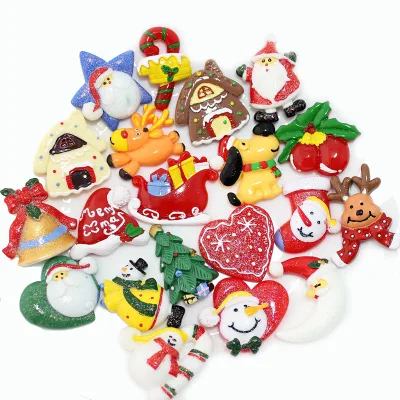
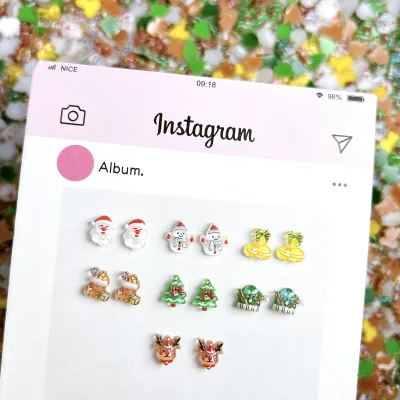


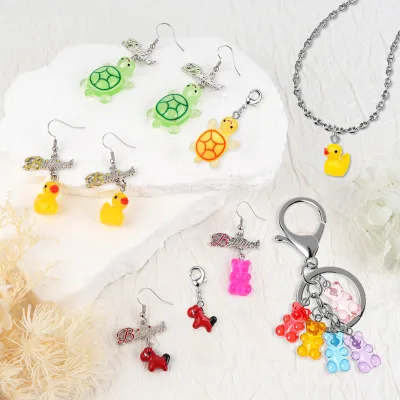

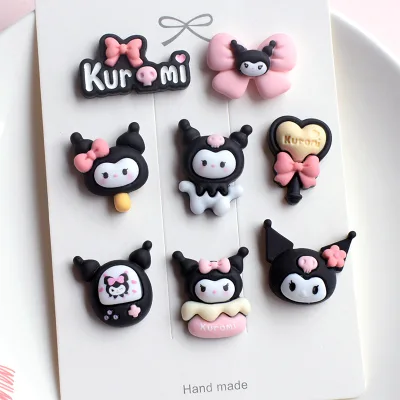




Comprehensive Sourcing Guide
Strategic Sourcing Guide for Kawaii Snowman Resin 3D Charms
The global market for decorative resin components has expanded significantly, driven by demand for personalized accessories and DIY craft projects. Within this sector, "Kawaii Snowman Resin 3D Charms" represent a specific niche combining seasonal aesthetics with functional utility. For procurement professionals and sourcing managers, navigating this category requires a disciplined approach to verifying product attributes, understanding material compositions, and evaluating supplier capabilities. This guide synthesizes available market data and technical observations to provide a framework for sourcing these items without relying on unverified claims or speculative data.
Material Composition and Physical Specifications
The foundational element of sourcing resin charms lies in understanding the material composition and physical dimensions. In the current market, products labeled as resin charms often utilize a blend of materials to achieve specific visual and tactile properties. Observed product data indicates that materials frequently include resin, PVC, or plastic. While the core keyword specifies "resin," buyers must verify the exact formulation, as some listings may offer "resin or pvc or plastic" as interchangeable options depending on the order volume or customization request.
Physical specifications are equally critical for inventory planning and packaging logistics. The market exhibits a wide variance in size, with listings ranging from "mix" sizes to "various sizes" and specific dimensions like 5X5X10 cm or 1X1X1 cm. The single gross weight for these items also varies significantly, with observed data points ranging from 0.003 kg to 0.050 kg per unit. This variance impacts shipping costs and storage requirements. Buyers should not assume a uniform size across all suppliers; instead, they must request specific dimension sheets for the "kawaii snowman" design to ensure compatibility with their intended applications, such as keychains or phone covers.
Functional Applications and Design Attributes
The versatility of resin 3D charms makes them suitable for a broad spectrum of applications. Technical observations confirm that these items are designed for use in DIY decoration, key rings, keychains, phone covers, frames, and bookmarks. The "kawaii" aesthetic, often characterized by cute or stylized animal and character designs, aligns with the "Animal" style category observed in the market. Some listings specifically mention "food nail charms," suggesting a secondary application in the beauty and nail art sector, where small, durable, and colorful resin pieces are applied to fingernails.
Design attributes play a pivotal role in the commercial viability of these products. The market offers "thousands of designs," allowing for high customization. Colors are typically listed as "multicolour" or specific numerical codes (e.g., 1, 3, 4, 5, 6, 7, 8, 9, 10, 11, 12), indicating a diverse palette. The style is often described as "artificial," "fashion style," or "fancy style," catering to consumers seeking trendy accessories. Furthermore, the power source for these items is consistently "Non Power," confirming they are passive decorative elements. Buyers should verify if the specific snowman design supports the intended application, particularly if the charm is to be used in outdoor settings, as some materials may degrade under prolonged UV exposure.
Compliance, Certification, and Quality Standards
When sourcing from international markets, particularly from regions like China (Anhui, Guangdong, Zhejiang), compliance and quality assurance are paramount. While specific certification statuses vary by supplier, the market does include products with "Test Report" certifications. Buyers should treat this as a verification point rather than a universal standard. It is essential to request current test reports to confirm that the resin materials meet safety standards for intended uses, especially if the charms are marketed for children or close-contact applications like jewelry.
Quality control protocols are another critical area. Some suppliers explicitly state a "100% double check" quality assurance process. This suggests a manual inspection step before packaging. However, buyers must not assume this standard applies to all listings without confirmation. The "prod_standard" field often lists "1pcs" or "standard," which are vague terms. Procurement teams should define their own acceptance criteria, such as surface finish, color consistency, and structural integrity, rather than relying on generic supplier descriptions. Additionally, the "Customization" attribute is frequently listed as "Available," but other entries show "Non-Customized." This contradiction highlights the need for clear communication regarding whether the buyer requires OEM branding or specific design modifications.
Cost Drivers and Pricing Structures
Understanding the cost structure of resin charms is essential for budgeting and margin analysis. The observed price range in the market spans from $0.05 to $1.72 per unit. This wide disparity is driven by several factors, including material quality, design complexity, order volume, and packaging requirements. The "EXW unit price" is a common pricing term, indicating that the quoted price covers the product at the factory gate, excluding shipping and insurance.
Minimum Order Quantity (MOQ) is a significant cost driver. Data indicates an MOQ range of 10 to 2000 units, with specific listings showing 20 pcs, 100 pcs, or higher. Lower MOQs are beneficial for testing new designs or small-batch production, while higher volumes typically yield lower per-unit costs. Buyers should also consider the "Sample Price," which is observed at approximately $5 per sample, and the associated "Sample Time" of 7 to 15 days. These lead times must be factored into the overall procurement timeline. Additionally, packaging details, such as "1 PCS Poly Bag, Carton" or "Box," influence the final landed cost, as bulkier packaging increases shipping weight and volume.
Supplier Evaluation and Geographic Considerations
The geographic origin of the manufacturer significantly impacts logistics and communication. The market data identifies multiple production hubs, including Anhui, Guangdong, and Zhejiang in China, as well as a reference to Europe for regional features. This suggests a supply chain that may involve manufacturing in China with distribution or design influence from Europe. When evaluating suppliers, buyers should verify the "Place of Origin" to ensure it aligns with their logistical preferences and tariff requirements.
Supplier reliability is often gauged by their service capabilities. Some listings highlight "wholesale Service" with 24-hour, 365-day availability, suggesting a robust support infrastructure. However, production times can be substantial, with observed "Production Time" estimates of about 35 days. This lead time is critical for supply chain planning, especially for seasonal items like snowman charms which may have a narrow sales window. Buyers should assess the supplier's ability to meet these timelines consistently and their flexibility in handling rush orders or design changes. The "Brand Name" field often shows "OEM" or specific brand names like "dikina food nail charms," indicating that suppliers may offer both white-label and branded options.
Long-Term Procurement and Inventory Management
Sourcing resin charms requires a strategic approach to long-term inventory management. The "Selling Units" are typically listed as "Single item," which simplifies inventory tracking but may increase packaging complexity. For buyers planning to distribute these items, understanding the "prod_packing" details is vital. Whether items are packed in individual poly bags, boxes, or cartons affects how they are stored and displayed.
Future-proofing the procurement strategy involves monitoring trends in customization and design. With "thousands of designs" available, the market is highly dynamic. Buyers should establish a relationship with suppliers who can adapt to changing trends, such as new color palettes or seasonal themes. The "Customization" feature being "Available" in many listings suggests that suppliers are willing to modify molds or colors, which can be a competitive advantage. However, buyers must balance this flexibility with the potential for increased lead times and costs associated with custom runs.
Comparative Analysis of Product Attributes
To facilitate decision-making, the following table summarizes key attributes observed in the market for resin 3D charms. This comparison highlights the variability in specifications that buyers must navigate.
| Attribute Category | Observed Variance | Key Verification Point |
|---|---|---|
| Material | Resin, PVC, Plastic, or Mix | Confirm specific resin formulation for safety and durability. |
| Size | 1X1X1 cm to 5X5X10 cm, Mix, Various | Request exact dimensions for the specific snowman design. |
| MOQ | 10 pcs to 2000 pcs | Negotiate based on volume; verify if MOQ applies per color. |
| Origin | Anhui, Guangdong, Zhejiang, China | Verify factory location for logistics and tariff purposes. |
| Packaging | Poly Bag, Box, Carton | Confirm packaging type to calculate shipping volume. |
| Lead Time | Sample: 7-15 days; Production: ~35 days | Plan inventory cycles around the 35-day production window. |
| Certification | Test Report (Variable) | Request current test reports for safety compliance. |
| Application | DIY, Keychain, Phone Cover, Nail Art | Ensure design suitability for the intended end-use. |
Conclusion
Sourcing Kawaii Snowman Resin 3D Charms requires a meticulous approach to verifying material quality, physical specifications, and supplier capabilities. The market offers a diverse range of options, from small, lightweight charms to larger, multicolored designs suitable for various applications. Buyers must navigate the variability in MOQs, lead times, and pricing structures by establishing clear communication channels with suppliers. By focusing on verified attributes such as material composition, certification status, and production timelines, procurement professionals can build a resilient supply chain that meets the demands of the decorative accessories market. The key to success lies in treating product attributes as observations to be validated rather than universal claims, ensuring that every order meets the specific requirements of the end consumer.
FAQs
What materials are used for Kawaii Snowman Resin 3D Charms?
These charms are typically made from resin, PVC, or plastic blends. Buyers must verify the exact formulation as listings often offer interchangeable options depending on order volume or customization requests.
How can I customize the design of these resin charms?
Customization is available for many listings, allowing for specific designs or branding. However, some products are listed as non-customized, so clear communication regarding OEM branding or design modifications is essential before ordering.
What is the typical minimum order quantity for these items?
The minimum order quantity ranges from 10 to 2000 units across different suppliers. Specific listings show MOQs of 20 or 100 pieces, so buyers should negotiate based on their required volume to secure better pricing.
Which certifications are available for these resin decorative charms?
Some products include Test Report certifications to verify safety standards. Buyers should request current reports to confirm materials meet safety requirements, especially for children or close-contact applications like jewelry or nail art.
Can these charms be used for outdoor applications?
Yes, some listings specify suitability for both indoor and outdoor use. Buyers should verify material durability against UV exposure, as prolonged outdoor conditions may degrade certain resin or plastic formulations over time.
What is the estimated production time for custom orders?
Production time is approximately 35 days for standard orders. Sample times range from 7 to 15 days, so procurement teams must plan inventory cycles around these significant lead times to meet seasonal demand.
How are these charms packaged for shipping?
Packaging varies from single poly bags to boxes or cartons. Specific details like 1X1X1 cm or 5X5X10 cm single package sizes impact shipping volume, so buyers must confirm packing types to calculate accurate logistics costs.