Source Kawasaki Motorcycle Tail Tidy for R1, R6, and H2-SX
Find 30 Kawasaki Motorcycle Tail Tidy options including models for YAMAHA R1, R6, and H2-SX. Buyers can compare materials like stainless steel and alloy, fitment details, and packaging types to select the right aftermarket parts.
Key considerations
Products List


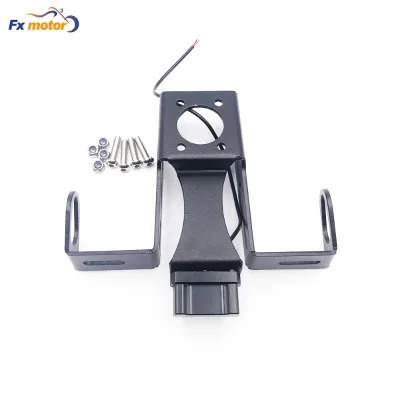
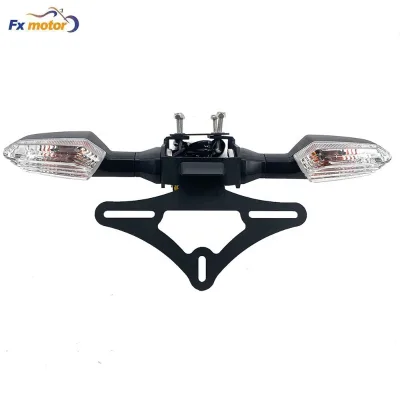
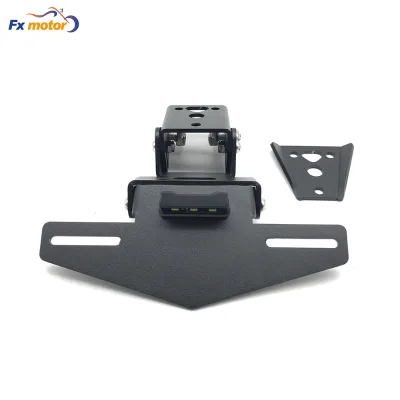
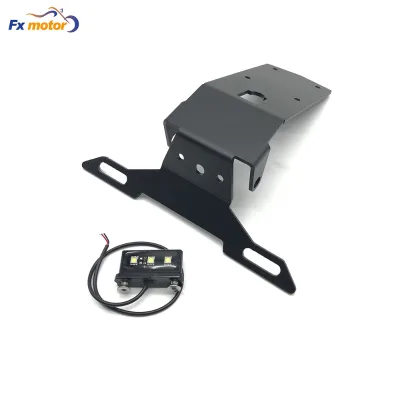
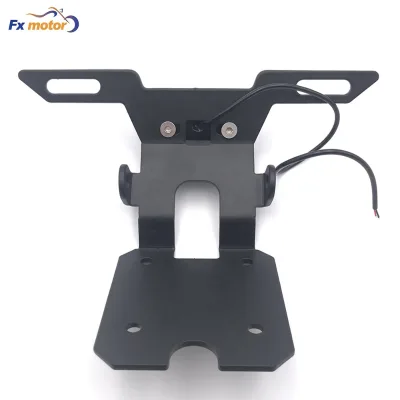
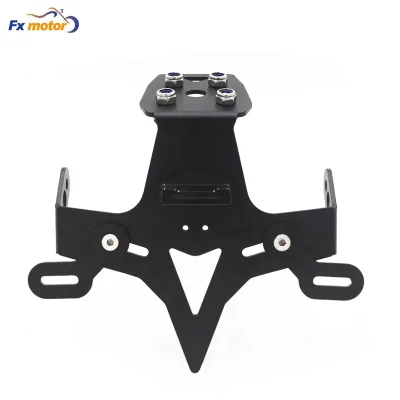


OEM Motorcycle Parts Accessories Motorcycle Spare Parts Motorcycle K18 Trunk Tail Box
$16.00 - $17.00
MOQ: 200 Pieces


Carbon Fiber Motorcycle Tail Fairing Underside for Kawasaki Z1000 Glossy
$80.00 - $250.00
MOQ: 2 Pieces

Carbon Fiber Motorcycle Parts Accessories Tail Side Fairings for Kawasaki H2
$90.00 - $180.00
MOQ: 2 Pieces

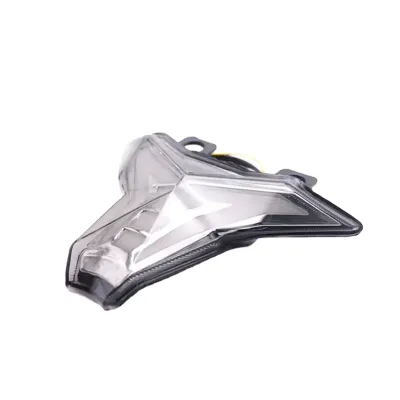


Comprehensive Sourcing Guide
Kawasaki Motorcycle Tail Tidy Sourcing Guide
Sourcing aftermarket body components for high-performance motorcycles requires a disciplined approach to technical verification and supplier qualification. The Kawasaki Motorcycle Tail Tidy market is characterized by a wide variety of fitments, ranging from sport-touring models like the H2-SX to naked bikes such as the Ninja 650. Buyers must navigate a landscape where "universal" fitments coexist with model-specific brackets, necessitating rigorous confirmation of compatibility before placing orders. This guide provides evidence-based procurement strategies for sourcing these components, focusing on material integrity, compliance documentation, and commercial risk mitigation.
The following sections outline the critical steps for evaluating suppliers and products. By adhering to these guidelines, procurement teams can minimize the risk of receiving non-conforming goods, reduce return rates, and establish reliable supply chains for aftermarket motorcycle parts. The focus remains strictly on observable product attributes and standard industry practices, ensuring that all recommendations are grounded in verifiable data rather than speculative claims.
Product Scope and Observed Listing Signals
The current market for Kawasaki tail tidies includes specialized components designed for specific models, such as the H2-SX (2018-2020) and the Ninja 650. Listings often highlight features like integrated LED lighting, which adds functionality but also increases complexity in installation and wiring. Buyers should observe that product names frequently combine descriptive terms like "Tail Tidy" with specific model references, indicating that these are not generic accessories but precision-engineered replacements. The presence of "Aftermarket 100% Brand New" condition tags suggests a market dominated by third-party manufacturers rather than OEM suppliers, which impacts warranty structures and quality expectations.
Material composition is a primary differentiator in this category, with stainless steel and alloy being the most common choices observed. Stainless steel variants often emphasize durability and corrosion resistance, while alloy options may focus on weight reduction and aesthetic finish. Listings frequently specify finishes such as "High Glossy" black, which appeals to custom builders but requires verification of coating adhesion and UV resistance. Buyers must distinguish between products that are purely structural and those that serve as light license plate brackets, as the latter involves electrical components that must meet specific safety standards for road legality.
Technical Specifications to Verify
Verification of model-specific fitment is the most critical technical step in the procurement process. Products are often listed with precise model numbers, such as "For KAWASAKI H2-SX 18-20" or "For Z650 Ninja650," which must be cross-referenced with the buyer’s inventory or customer base. It is essential to confirm whether the tail tidy includes mounting hardware or requires existing bolts from the motorcycle. Some listings indicate a weight of approximately 0.35kg to 0.47kg, which can influence shipping costs and handling requirements. Buyers should request detailed dimension drawings to ensure clearance with the rear tire and exhaust system, particularly for high-performance models with aggressive styling.
The inclusion of LED lighting systems introduces additional technical variables that must be addressed. Products described as "With LED Light Tail Tidy" require verification of voltage compatibility, typically 12V for motorcycles, and connector types. Buyers should inquire whether the LED module is waterproof and how it integrates with the motorcycle’s existing electrical system. For models like the Ninja ZX-25R or R15 V3, which may have different electrical architectures, the wiring harness compatibility must be confirmed. Additionally, the finish quality, such as high-gloss coatings, should be assessed for resistance to chipping and fading, as these components are exposed to road debris and environmental elements.
Compliance and Safety Documentation
Compliance with regional safety standards is paramount for tail tidies, especially those that incorporate lighting functions. Certifications such as CE, DOT, and EEC are frequently cited in product listings, indicating adherence to European and American safety regulations for road use. Buyers must verify that these certifications are valid and applicable to the specific product variant, particularly for LED-integrated models. The presence of SGS standards or ISO9001 certification suggests that the manufacturer follows established quality management systems, which can be a proxy for consistent production quality. However, buyers should request copies of test reports to confirm that the lighting components meet photometric requirements for brightness and beam pattern.
Documentation should also include proof of material safety, particularly if the product is marketed as RoHS compliant. This ensures that the manufacturing process avoids hazardous substances, which is increasingly important for export to regulated markets. For products originating from Guangdong, China, buyers should be aware of local export regulations and ensure that all necessary export licenses are in place. The "CCC" certification mentioned in some listings is specific to the Chinese market, so buyers targeting international markets must ensure that additional certifications are obtained. Clear labeling of the product origin and manufacturer details is essential for customs clearance and liability purposes.
Cost Drivers and Commercial Terms
Pricing in the tail tidy market varies significantly based on material, complexity, and order volume. Observed price ranges span from low-cost basic brackets to higher-priced LED-integrated units, reflecting the diversity of product offerings. Minimum Order Quantities (MOQs) typically range from 2 to 200 units, with some suppliers offering low MOQs for sample orders or small batches. Buyers should negotiate pricing based on volume tiers, as larger orders often result in significant discounts. It is also important to consider the packaging details, such as color boxes or foam and carton packaging, as these can impact product protection and retail presentation.
Shipping and logistics costs are another key factor in the total cost of ownership. Suppliers often offer multiple shipping options, including sea transport, air transport, and air express, each with different lead times and costs. For bulk orders, sea freight is usually the most cost-effective, while air express is suitable for urgent replacements. Buyers should clarify who bears the responsibility for import duties and taxes, as these can vary by destination country. Additionally, warranty terms, such as the commonly offered 12-month warranty, should be clearly defined in the contract, including the process for handling defective items and returns.
Supplier Qualification and Quality Control
Supplier qualification begins with verifying the manufacturer’s credentials and production capabilities. Buyers should prioritize suppliers who provide detailed product specifications and have a history of consistent quality. The "Fx Motor" brand and other listed names should be checked for reputation and customer feedback. It is advisable to request samples before placing large orders to assess the physical quality of the product, including the finish, fitment accuracy, and LED functionality. Suppliers who offer customization options, such as logo laser engraving, may be better suited for buyers looking to brand their products.
Quality control processes should be explicitly discussed with the supplier. Buyers should inquire about the inspection procedures used before shipment, including visual checks for scratches or defects and functional tests for LED components. The use of standardized packaging, such as color boxes or foam inserts, indicates a level of care in handling. Suppliers who provide detailed packing lists and quality certificates demonstrate a commitment to transparency. Buyers should also establish a clear communication channel for addressing any issues that arise after delivery, ensuring that problems are resolved promptly and fairly.
Long-Term Procurement Checks
Establishing a long-term procurement strategy requires regular review of supplier performance and product quality. Buyers should track key metrics such as defect rates, delivery times, and customer feedback to identify potential issues early. Regular audits of supplier quality management systems can help ensure that standards are maintained over time. It is also important to stay updated on changes in regulations and standards, particularly for lighting components, to ensure continued compliance. Building a relationship with reliable suppliers can lead to better pricing, priority production, and access to new product developments.
Continuous improvement in the procurement process involves refining specifications and requirements based on market feedback. Buyers should engage with their customers to understand their needs and preferences, which can inform future purchasing decisions. This may include exploring new materials, finishes, or features that enhance the product’s value. By maintaining a disciplined approach to sourcing and quality control, buyers can build a robust supply chain that supports their business growth and customer satisfaction in the competitive aftermarket motorcycle parts market.
FAQs
What materials are used for Kawasaki Motorcycle Tail Tidy parts?
These parts are constructed from high-quality steel, stainless steel, or alloy materials to ensure durability. The finish is typically high glossy black, and some models include integrated LED lights for enhanced visibility and safety during night riding.
Can I find Kawasaki Motorcycle Tail Tidy with custom branding options?
Yes, customization is available for these products, including laser engraving of logos at no extra cost. Buyers can request specific branding details to match their dealership or personal style requirements while maintaining the original product specifications.
Which certifications do Kawasaki Motorcycle Tail Tidy suppliers hold?
Suppliers typically hold certifications such as CCC, ISO9001, RoHS, CE, DOT, and EEC to ensure product safety and quality. These standards verify that the motorcycle body parts meet international regulatory requirements for manufacturing and export.
How is the Kawasaki Motorcycle Tail Tidy packaged for shipping?
Products are packed in color boxes, foam, and cartons to prevent damage during transit. Some items use specific Yog packaging or standard box packages, ensuring the stainless steel or alloy components arrive in pristine condition for the buyer.
What is the warranty period for Kawasaki Motorcycle Tail Tidy units?
The standard warranty period for these aftermarket parts is 12 months from the date of purchase. This coverage applies to brand new items, ensuring protection against manufacturing defects for models fitting Kawasaki H2-SX or Ninja series bikes.
Can I source Kawasaki Motorcycle Tail Tidy with low minimum order quantities?
Yes, minimum order quantities vary by model, ranging from 3 pieces to 10 sets depending on the specific item. Buyers can find single item options or bulk orders, with some suppliers offering flexible MOQs for different product specifications.