Source Fishing Kayaks for Lakes, Rivers, and Oceans
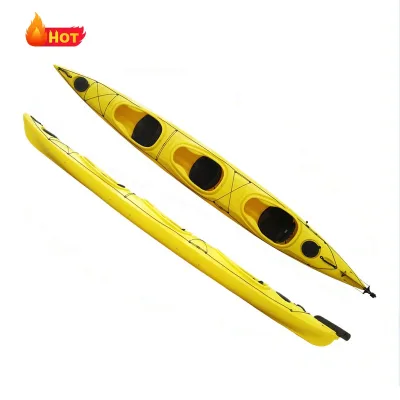
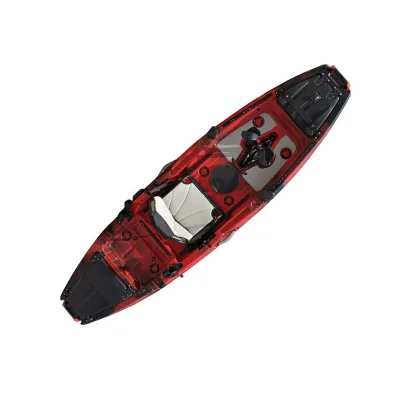
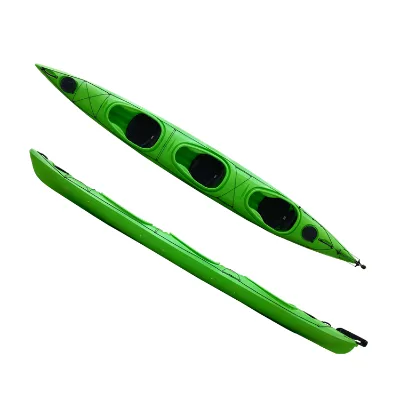
Find 30 durable polyethylene kayaks designed for fishing, touring, and recreational use. Buyers can compare models with 2 or 3 paddler capacities, varying dimensions, and eco-friendly features from suppliers in Zhejiang, China.
Key considerations
Products List


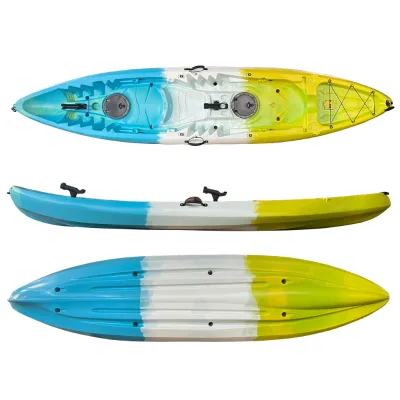
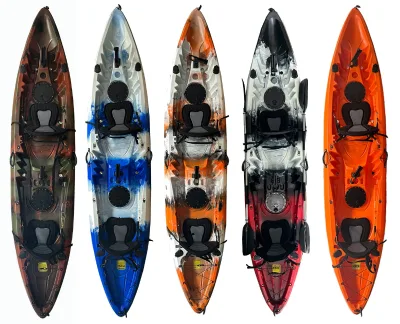
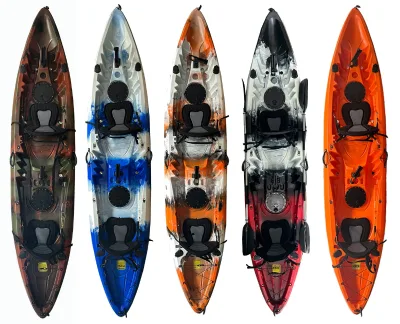
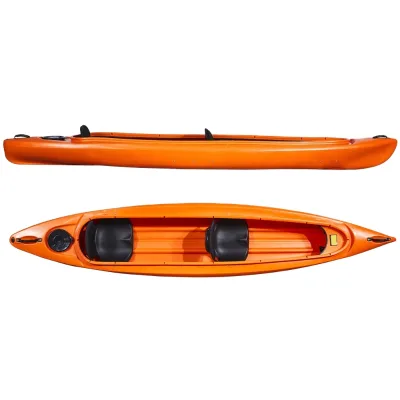
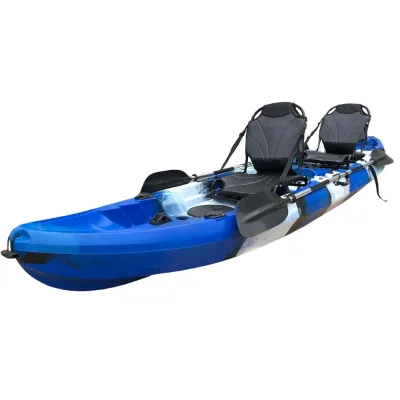
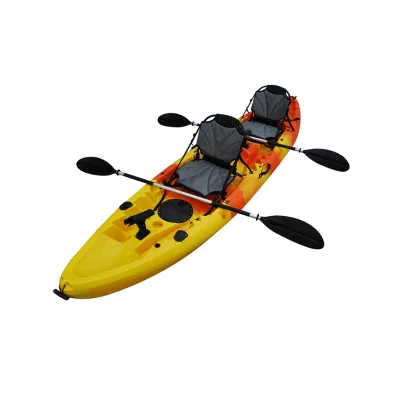
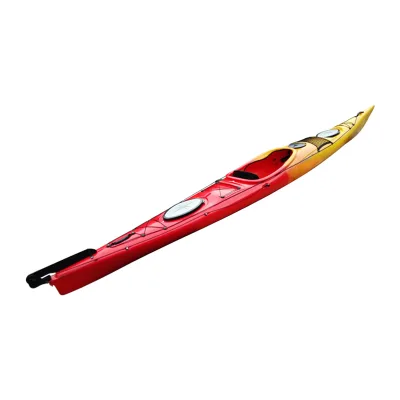
Factory Direct High Quality Customized Color Kayak Fishing for Wave Waters
$313.28 - $394.65
MOQ: 2 pieces
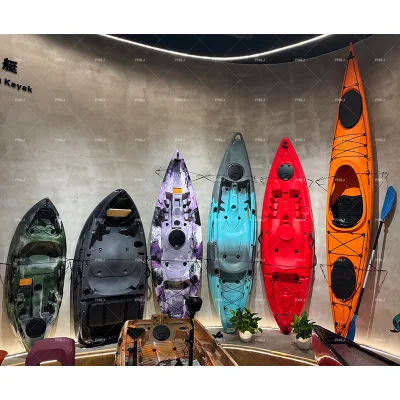


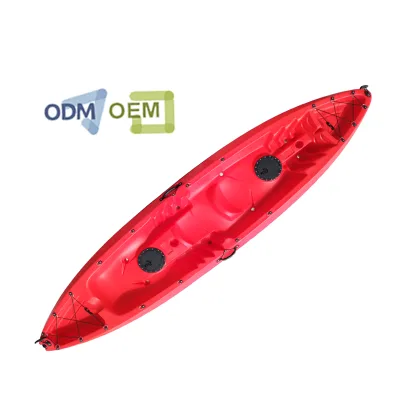


$140.00 - $200.00
MOQ: 1 Pieces


Comprehensive Sourcing Guide
Strategic Sourcing Guide for Polyethylene Fishing Kayaks
The global market for recreational and fishing watercraft has seen a steady increase in demand for durable, sit-on-top vessels designed for stability and utility. For B2B buyers entering this sector, the core keyword "Kayak" specifically points toward a segment dominated by rotomolded polyethylene construction. These vessels are distinct from inflatable or composite models due to their ruggedness and suitability for rough water conditions. This guide synthesizes observed market data to provide a structured approach for sourcing these products, focusing on technical attributes, material integrity, and supplier evaluation criteria without relying on unverified claims.
Technical Specifications and Material Integrity
When evaluating a Kayak for procurement, the primary technical differentiator is the hull material. The majority of products in this category utilize Polyethylene, specifically Linear Low-Density Polyethylene (LLDPE). This material choice is critical for B2B buyers because it offers a balance of impact resistance and flexibility, allowing the vessel to withstand collisions with rocks or debris without cracking. The observed product data indicates that these kayaks are non-inflatable, rigid structures designed for longevity.
Dimensions vary significantly based on the intended capacity and usage. Sourcing teams must verify specific length and width parameters, as these directly influence stability and tracking. Available models in the current market range from approximately 2.65 meters to 3.13 meters in length, with widths generally around 1.15 meters. A specific standard dimension observed is 31301150380MM for certain models, while others measure 26501150450MM. These measurements dictate the internal volume and the number of paddlers the vessel can support. Buyers should note that models are available for single, double, and triple-person configurations, with specific listings indicating capacities for 2 to 3 paddlers.
The hull surface profile is another vital specification. Many fishing-oriented models feature a "fish form" profile, which is engineered to reduce drag and improve hydrodynamic efficiency. The style is predominantly "sit-on-top," a design that keeps the paddler dry and allows for easy movement and gear storage. This contrasts with sit-inside designs often used for touring or whitewater. The color options are typically multi-colored or available in single/mixed color schemes, which can be a factor in branding and visibility on the water.
Compliance, Certification, and Safety Standards
In the B2B procurement of watercraft, verifying compliance with safety and environmental standards is paramount. While specific certification bodies are not universally mandated for all regions, buyers must ensure that the manufacturer adheres to recognized quality benchmarks. The product data highlights a UV resistance rating of 8 grade, a critical specification for outdoor equipment exposed to prolonged sunlight. This rating ensures that the polyethylene material will not degrade, crack, or fade rapidly, preserving the structural integrity of the hull over time.
Buyers should request documentation regarding the UV stabilization process used during the rotomolding phase. Additionally, the "Eco-Friendly" feature listed in product attributes suggests that the manufacturing process may prioritize recyclable materials or reduced waste. However, this claim requires verification against local environmental regulations in the destination market. The "Safe" feature, often paired with durability, implies specific design elements such as non-slip deck surfaces or reinforced grab handles, which should be physically inspected during sample evaluation.
Regarding packaging, the standard observation is the use of foam bags for protection during transit. This is essential for preventing surface scratches and dents. Buyers must confirm that the packaging dimensions align with their logistics requirements, as the "Single package size" is often listed as a variable (e.g., XX cm) that needs specific confirmation from the supplier. The absence of a specific standard number for the product itself, other than the physical dimensions, suggests that compliance is often tied to the manufacturer's internal quality control rather than a universal external standard number.
Cost Drivers and Pricing Dynamics
Understanding the cost structure of polyethylene kayaks is essential for budgeting and margin analysis. The observed price range in the market spans from $5 to $600 USD. This wide variance is not indicative of a single product tier but rather reflects differences in capacity, length, and included accessories. The lower end of the spectrum likely corresponds to smaller, single-person recreational models, while the higher end covers larger, multi-person fishing kayaks with enhanced features.
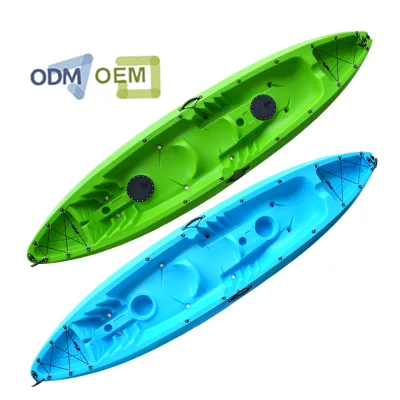
Several factors drive these costs. The primary driver is the material volume; a 3.13-meter, 3-person Kayak requires significantly more LLDPE resin than a 2.65-meter, 2-person model. The complexity of the mold, including the "fish form" profile and integrated seating, also adds to the manufacturing cost. Furthermore, the "Brand Name" flexibility, offering OEM or private label options like "Rito," can influence pricing. Customization services, such as die-cut logos, are available but may incur additional tooling or setup fees.
The Minimum Order Quantity (MOQ) is a significant cost driver for small buyers. The observed MOQ range is 1 to 10 units, with many suppliers setting a standard MOQ of 10 pieces. This threshold allows buyers to test the market with a small batch while ensuring the supplier maintains production efficiency. Buyers should be aware that ordering below the MOQ might result in higher per-unit costs or require the purchase of mixed SKUs to meet the volume requirement.
Typical Applications and Usage Scenarios
The versatility of the polyethylene sit-on-top Kayak makes it suitable for a diverse range of applications. The product data explicitly lists "Fishing," "Touring," "Recreational," and "Amusement Leisure" as primary activities. The "Application" field further specifies suitability for Sea, River, Lake, and Ocean environments. This broad applicability suggests that the design is robust enough for coastal fishing as well as calm inland waterways.
For the fishing sector, the sit-on-top design is particularly advantageous. It allows anglers to stand, cast, and retrieve gear without the constraints of a cockpit. The "3 Person" capacity models are ideal for family fishing trips or guide services, offering ample space for tackle boxes and catch storage. The "Double seat" configurations cater to couples or partners sharing a vessel, enhancing the social aspect of the activity.
The "Occasion" attribute highlights "Lakes & Rivers" as key environments. This indicates that the hull design prioritizes stability over high-speed performance, making it safer for beginners and casual users. The "Unisex" designation confirms that the sizing and ergonomics are designed to accommodate a wide range of adult body types. Buyers targeting the tourism industry should note that the "Durable" and "Portable" features are essential for rental fleets that undergo frequent use and transport.
Supplier Evaluation and Origin Verification
When selecting a supplier, the "Place of Origin" is a key data point. The majority of the observed products originate from China, specifically the Zhejiang province. Zhejiang is a known manufacturing hub for plastic products and watercraft, offering a mature supply chain for polyethylene molding. However, buyers must conduct due diligence to ensure that the specific factory in Zhejiang meets their quality expectations.
Supplier evaluation should focus on the "Brand Name" flexibility. The ability to offer OEM services means the supplier can produce kayaks under the buyer's brand, which is crucial for B2B differentiation. Buyers should verify the supplier's capacity to handle "Die Cut Logo" applications and ensure the quality of the branding. The "Warranty" terms vary, with observed periods of 1 year, 3 years, and 5 years. A longer warranty period often indicates higher confidence in the manufacturing process and material quality, but buyers must read the fine print to understand what is covered.
The "Single gross weight" and "Single volume" fields in some data listings show "0," which is likely a placeholder or data entry error. Buyers should ignore these zero values and request actual weight and volume data from the supplier to calculate shipping costs accurately. The "Selling Units" are typically listed as "Single item," meaning the MOQ applies to individual Kayak units rather than sets.
Quality Control and Long-Term Procurement
Implementing a robust quality control (QC) protocol is essential for long-term procurement success. Given the "Durable" and "Eco-Friendly" claims, buyers should request samples to test the material's resistance to UV degradation and impact. The "8 grade" UV resistance should be verified through independent testing or supplier test reports. Additionally, the "Foam Bag" packaging should be inspected to ensure it provides adequate protection during ocean freight.
Long-term considerations include the availability of spare parts and the consistency of the supply chain. Since the models are identified by specific numbers like "YB-021" and "YB-023," buyers should ensure that these model numbers remain consistent over time to avoid confusion in future orders. The "31301150380MM" and "26501150450MM" standards should be treated as fixed specifications for those specific models, and any deviation should be flagged immediately.
Buyers should also consider the "Lead Time" and "MOQ" flexibility. While the observed MOQ is 10, negotiating a lower MOQ for the first order can reduce risk. However, buyers must be prepared for potentially higher unit costs. For repeat orders, establishing a consistent relationship with the supplier can lead to better pricing and priority production slots. The "Feature" set, including "Adjustable" and "Safe" elements, should be continuously monitored to ensure that the product remains competitive in the market.
Comparative Analysis of Key Product Attributes
To assist in decision-making, the following table summarizes the key attributes observed in the market for polyethylene fishing kayaks. This comparison helps buyers quickly identify which models align with their specific procurement needs.
| Attribute | Observation A | Observation B | Observation C |
|---|---|---|---|
| Hull Material | Polyethylene | LLDPE | Polyethylene |
| Capacity | 3 Person | 2 Person | 3 Person |
| Length | 3.13m (3130mm) | 2.65m (2650mm) | 3.1m - 4m range |
| Style | Sit-on-top | Sit-on-top | Sit-on-top |
| Usage | Fishing, Leisure | Fishing, Recreational | Fishing, Touring |
| UV Resistance | 8 Grade | Not Specified | Not Specified |
| Warranty | 5 Years | 3 Years | 1 Year |
| Origin | Zhejiang, China | China | China |
| MOQ | 10 pcs | 10 pcs | 1-10 pcs |
This table highlights the variability in warranty periods and specific dimensions, which are critical for matching product specifications to customer expectations. Buyers must ensure that the selected model's warranty aligns with their risk tolerance and that the dimensions fit their target demographic.
Final Procurement Considerations
In conclusion, sourcing polyethylene kayaks requires a meticulous approach to verifying technical specifications, material quality, and supplier reliability. The market offers a range of options from single-person recreational vessels to multi-person fishing kayaks, all sharing common traits like sit-on-top design and LLDPE construction. By focusing on the observed data points—such as the specific dimensions, UV resistance ratings, and warranty terms—buyers can make informed decisions that mitigate risk and ensure product satisfaction. The flexibility in branding and customization further enhances the value proposition for B2B buyers looking to establish their own presence in the watercraft market. Ultimately, success in this sector depends on rigorous quality control, clear communication with suppliers, and a deep understanding of the specific needs of the end-user.
FAQs
What materials are used for the Kayak hull?
The hull is constructed from Polyethylene, specifically Linear Low-Density Polyethylene (LLDPE). This material provides high impact resistance and flexibility, allowing the vessel to withstand collisions with rocks or debris without cracking during fishing or recreational use.
Which capacity options are available for these kayaks?
Models are available for 2 to 3 paddlers, including single, double, and triple-person configurations. Specific dimensions like 3130mm or 2650mm length correspond to different capacity needs, supporting both individual fishing and family group activities on lakes and rivers.
Can I customize the Kayak with my own logo?
Yes, customization is available with options for die-cut logos and OEM branding under names like Rito. Buyers can request specific color schemes or mixed colors, though tooling fees may apply for custom branding setups during the production process.
How is the Kayak protected during shipping?
The standard packaging includes a foam bag to protect the hull from scratches and dents. Buyers should verify the single package size with the supplier to ensure it aligns with their logistics requirements and to prevent surface damage during transit.
What is the typical minimum order quantity for purchase?
The minimum order quantity is typically 10 pieces, though some suppliers may accept orders as low as one unit. Ordering below the standard threshold might result in higher per-unit costs or require purchasing mixed SKUs to meet volume requirements.
Where are these polyethylene kayaks manufactured?
The products originate from China, specifically the Zhejiang province, which is a known manufacturing hub for plastic watercraft. Buyers should verify the specific factory location to ensure quality standards are met and to understand the supply chain dynamics.