Source Keto Tea for Weight Loss, Detox, and Slimming
Find 30 Keto Tea options for weight loss, detox, and slimming support. Compare OEM manufacturers, herbal ingredients, packaging specs, and certifications to source reliable suppliers for your business needs efficiently; compare the available evidence and request quotations based on your requirements.
Key considerations
Products List


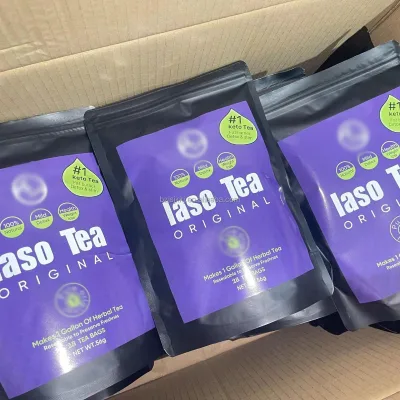
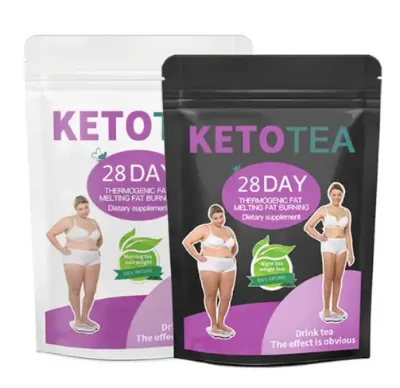


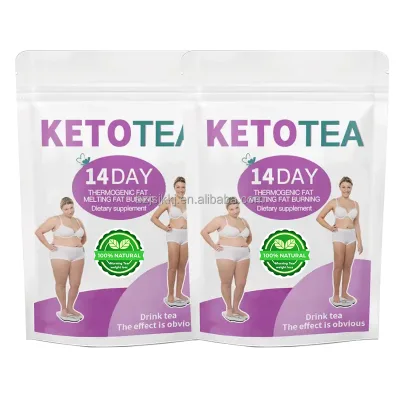
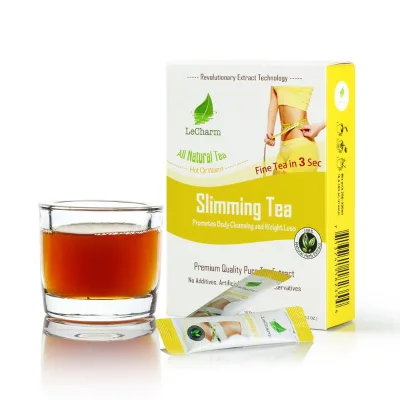


Comprehensive Sourcing Guide
Keto Tea Sourcing Guide
Buyers evaluating Keto Tea must first distinguish between genuine ketogenic formulations and products merely labeled as such for weight loss. The observed market signals indicate a mix of herbal blends, including lotus leaf and cassia seed, alongside specific models explicitly named "28 Days Keto Tea." Procurement teams should verify that the product's functional claims align with the actual ingredient profile, as some listings describe "Slim Tea" or "Detoxification tea" with varying content like hawthorn or natural herbs. Understanding these distinctions prevents the acquisition of products that do not meet specific dietary requirements or regulatory definitions for keto-friendly items.
Commercial listings reveal significant variability in packaging formats and unit specifications, ranging from 3g tea bags to jarred powders with 240g capacities. Sourcing strategies must account for these structural differences, as the "3g*28 bag" format differs materially from "240g/jar" or "120boxes/Carton" configurations. Buyers should prioritize suppliers who clearly define the single package size and gross weight, such as the observed 16x2x23 cm dimensions, to ensure compatibility with their logistics and retail shelving constraints. This clarity is essential for accurate cost modeling and inventory planning before finalizing any purchase order.
Product Scope and Observed Listing Signals
The current market for Keto Tea encompasses diverse product types, including ginkgo tea, coffee bean blends, and specialized herbal slimming teas. Buyers must carefully review the "Type" attribute, as listings may simultaneously feature "Ginkgo Tea," "Slim Tea," and "Coffee Bean" under the same brand umbrella. This inconsistency suggests that some suppliers offer a broad portfolio rather than a specialized keto line. Procurement teams should filter for specific model numbers like "503 504 28 Days Keto Tea" to ensure the product aligns with the intended ketogenic dietary strategy rather than general weight loss or detoxification claims.
Listing signals also highlight the prevalence of customization options and OEM capabilities, with many manufacturers accepting private label requests. The "Customization: Available" and "OEM: ACCEPT" attributes indicate that buyers can tailor packaging, branding, and potentially ingredient ratios to meet specific market demands. However, the presence of "100% Natural Herbals" alongside "No have" ingredients in different listings requires rigorous verification. Buyers should demand a definitive ingredient list to confirm the absence of non-keto additives, ensuring the final product adheres to strict low-carb or ketogenic standards before committing to a bulk order.
Technical Specifications to Verify
Technical due diligence requires a precise audit of the product standard and packaging material specifications. Observed data points to a standard of "3g*12bags/box" for tea variants and "240g/jar" for other formats, with packaging materials ranging from plastic to boxes. Buyers must verify that the packaging material, such as the noted plastic, provides adequate barrier properties to maintain freshness and prevent moisture ingress, which is critical for herbal blends. Confirming the exact single package size and gross weight, such as the 0.215 kg figure, is also necessary to calculate shipping costs and optimize container utilization for international freight.
Instruction for use and storage requirements are equally critical technical parameters that influence product longevity and consumer experience. Listings specify usage frequencies like "2 times per day, 2 pills per time" or "1-2 teabags per day," which must be clearly communicated on the final packaging. Furthermore, the storage method, described as "Normal" or "cool and dry place," dictates the environmental conditions required during transit and warehousing. Buyers should ensure that the supplier's logistics partners can maintain these conditions to preserve the integrity of the natural herbs and prevent degradation of the active compounds within the tea or supplement.
Compliance and Safety Documentation
Regulatory compliance is a primary concern when sourcing health-oriented beverages and supplements, particularly those claiming weight loss or detoxification functions. The observed certifications include ISO, HACCP, ISO22000, HALAL, and ISO9001, which serve as indicators of a supplier's commitment to quality management systems and food safety standards. Buyers must request valid, up-to-date certificates for each specific product line, as the presence of one certification does not guarantee that all SKUs meet the same rigorous standards. Verifying these documents ensures that the product can legally enter target markets without facing regulatory hurdles or import rejections.
Safety documentation must also address the specific claims made regarding the product's function, such as "Weight loss and detoxification." While the listings mention "100% Natural Herbals" and ingredients like lotus leaf and hawthorn, buyers should verify that these ingredients are approved for use in the destination country's food or supplement regulations. The "Age Group" specification, ranging from "Young & Old-Aged" to "Adults," further necessitates clear labeling to avoid liability issues. Procurement teams should require a full compliance dossier, including allergen statements and potential interaction warnings, to protect the brand from legal risks associated with health claims.
Cost Drivers and Commercial Terms
Cost structures for Keto Tea are heavily influenced by the Minimum Order Quantity (MOQ) and the complexity of the packaging configuration. Observed MOQs vary significantly, ranging from 100 bags to 120 boxes, with some listings indicating a range up to 5000 units. Buyers must negotiate terms that balance inventory risk with unit pricing, as higher volumes often yield better per-unit costs but increase capital tie-up. The "Selling Units" being listed as "Single item" suggests flexibility for smaller trials, yet bulk orders typically require adherence to the higher MOQ thresholds to access favorable pricing tiers.
Lead times and delivery schedules are additional commercial factors that impact the overall cost of ownership and supply chain reliability. The observed delivery time of 15 days provides a baseline for planning, but buyers should confirm if this duration includes packaging customization or if it applies only to standard stock items. Variations in the "Place of Origin," such as Anhui, China, versus general "China" designations, may also affect shipping costs and import duties. Procurement teams should clarify whether the quoted price includes all logistics costs or if freight, insurance, and customs duties are the buyer's responsibility to avoid unexpected expenses.
Supplier Qualification and Quality Control
Supplier qualification extends beyond basic certification checks to include an assessment of their manufacturing capabilities and quality control protocols. The "Manufacturer: OEM" designation indicates that the supplier is equipped to handle private label production, but buyers must verify their capacity to maintain consistent quality across different batches. Requesting a facility audit or a detailed quality assurance plan is essential to ensure that the production process adheres to the stated standards like ISO22000 and HACCP. This due diligence helps mitigate the risk of receiving substandard products that could damage the buyer's brand reputation.
Quality control measures should also encompass rigorous testing of the final product against the specified ingredients and functional claims. Buyers must ensure that the supplier conducts batch testing for contaminants, heavy metals, and microbial counts, especially for products containing natural herbs. The "Shelf Life" of over 12 months or up to 3 years, as observed in different listings, must be validated through stability testing data provided by the manufacturer. Establishing a clear protocol for handling non-conforming goods and defining the acceptance criteria for incoming shipments is crucial for maintaining product integrity throughout the supply chain.
Long-Term Procurement Checks
Sustaining a successful partnership with a Keto Tea supplier requires ongoing monitoring of product consistency and market responsiveness. Buyers should implement a schedule for periodic re-verification of certifications and ingredient profiles, as formulations can change without prior notice. Regular sampling and third-party testing of incoming shipments ensure that the product continues to meet the original specifications and safety standards. This proactive approach helps identify potential quality drifts early, allowing for corrective actions before significant inventory is affected or customer complaints arise.
Strategic alignment with the supplier's ability to innovate and adapt to market trends is also vital for long-term success. The "Customization: Available" attribute suggests that suppliers can evolve their offerings, but buyers must maintain open communication channels to discuss new product developments or regulatory changes. Establishing a joint business plan that outlines shared goals for growth, quality improvement, and market expansion can strengthen the relationship. By treating the supplier as a strategic partner rather than a mere vendor, buyers can secure a reliable supply of high-quality Keto Tea that supports their brand's long-term objectives.
FAQs
What ingredients are typically used in Keto Tea products?
Keto Tea products on this page commonly use natural herbals such as lotus leaf, hawthorn, and cassia seed, and some listings note 100% natural herbals with no additional additives. Formulations vary by supplier and model, so buyers should request the full ingredient list and confirm compliance with their target market before placing an order.
What packaging formats are available for Keto Tea?
Keto Tea is offered in teabag formats, commonly 3g per bag, with box packaging such as 3g*12bags/box or 3g*28 bag configurations, and carton packing like 120boxes/carton is listed. Some products also come in 240g jars. Private label and OEM packaging customization is available, so confirm artwork, material, and box design with the supplier.
Can I order Keto Tea with my own brand and custom packaging?
Yes, customization and OEM services are listed as available, and several products accept OEM orders. You can typically supply your brand name, artwork, and packaging preferences. Discuss minimum order quantities, design file requirements, and approval samples with the supplier, since these terms vary by product and factory.
What is the typical minimum order quantity for Keto Tea?
Listed minimum order quantities on this page range widely, from 1 unit up to 5000, with specific products showing 120 boxes or 100 bags as MOQ. The right MOQ depends on the supplier, product model, and whether customization is requested. Request exact MOQ terms for the specific tea model you intend to source.
What certifications do Keto Tea suppliers hold?
Listed certifications on this page include ISO, ISO9001, ISO22000, HACCP, and HALAL for relevant products. Certification coverage differs by supplier and product, so always request current certificates and verify scope before contracting. Buyers with specific market requirements should confirm that the certification applies to the exact production facility.
How should Keto Tea be stored and what is its shelf life?
Keto Tea products list shelf life of more than 12 months, with some listings stating 3 years. Storage guidance indicates a cool and dry place under normal conditions. Because shelf life claims differ across listings, confirm the exact expiry period and batch dating practice with your chosen supplier before shipping.
How is Keto Tea used and who can drink it?
Listed usage instructions include 1-2 teabags per day, while some products state 2 times per day. Products are positioned for adults and for both young and old-aged users, unisex. Always follow the specific product label, and advise end consumers with medical conditions to consult a professional before regular use.
What is the delivery time and product origin for Keto Tea?
A listed delivery time of 15 days appears on the page, and products originate from China, with Anhui noted as a place of origin. Actual lead times depend on order size, customization level, and production scheduling, so confirm the current production calendar with the supplier before confirming your purchase order.