Source Kids Full Face Bicycle Helmet for Biking, E-bike, and Riding
Explore 30 listings for Kids Full Face Bicycle Helmet featuring CE certification, anti-fog lenses, and customizable colors. Compare specifications like hoop sizes, materials, and packaging details from verified Chinese manufacturers; compare the available evidence and request quotations based on your requirements.
Updated
Key considerations
Products List


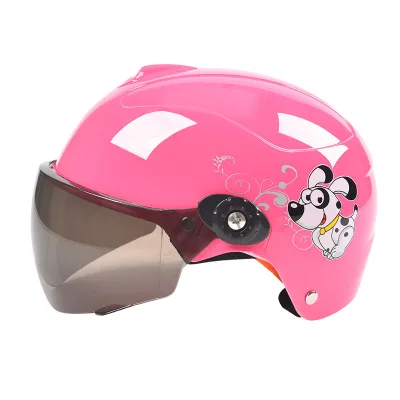
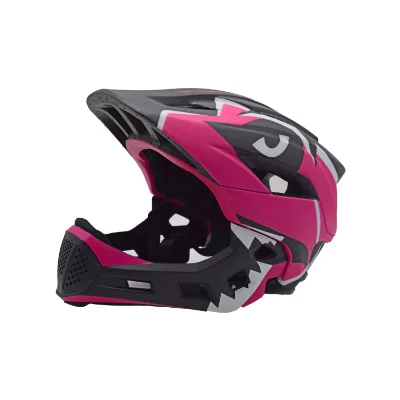
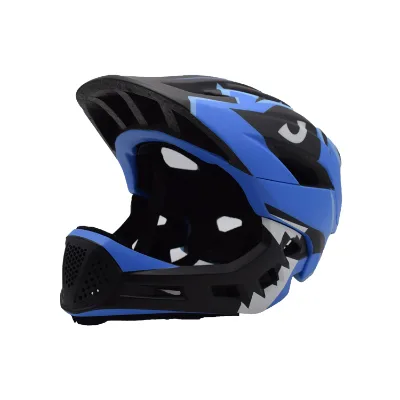
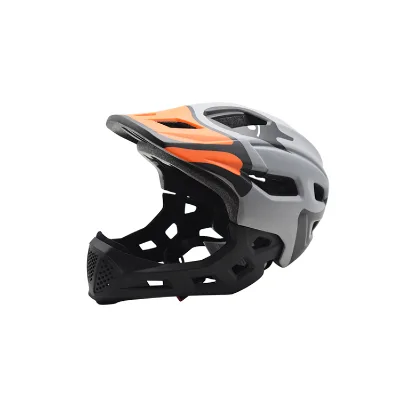
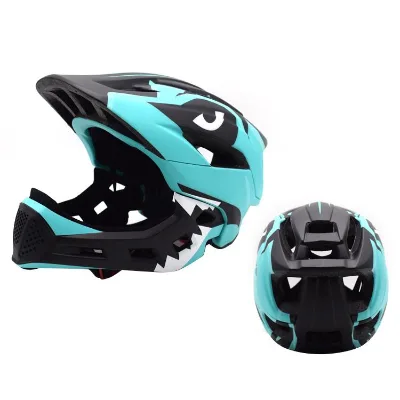

Customized Balance Bike Helmet Protective Colorful Outdoor Bicycle Kids Safety Helmet
$7.60 - $8.85
MOQ: 500 Pieces
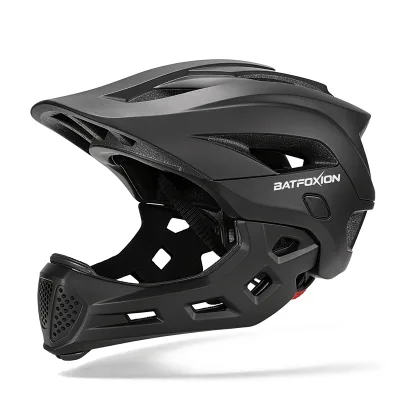
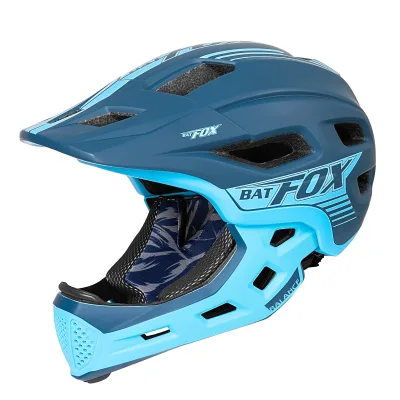
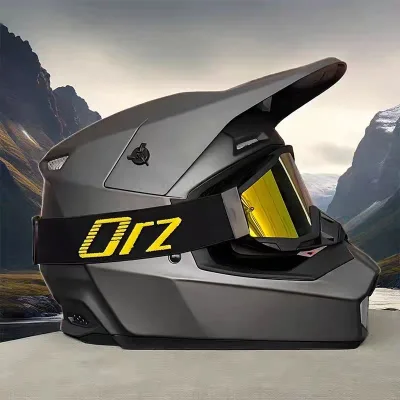
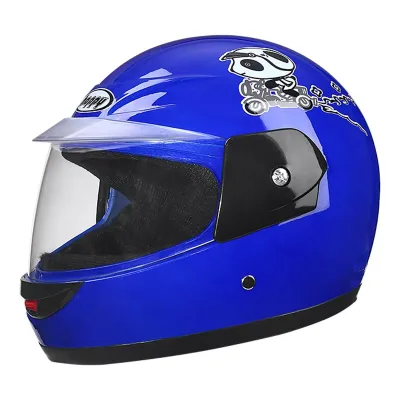
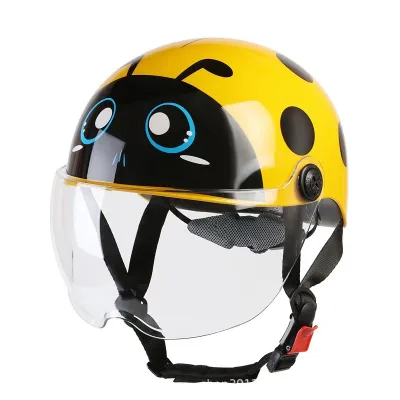
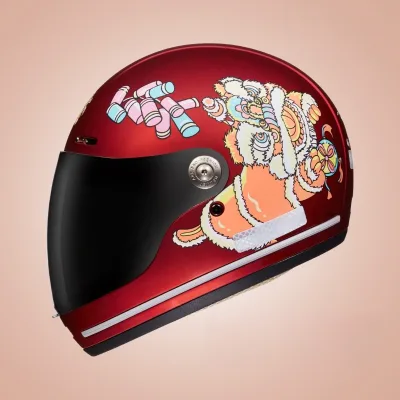


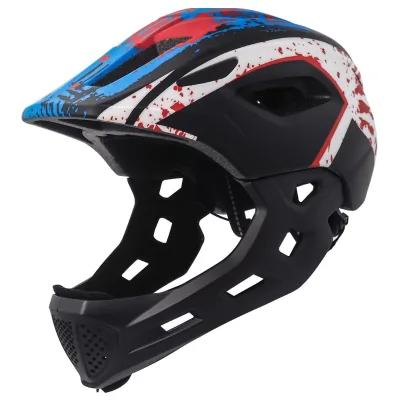


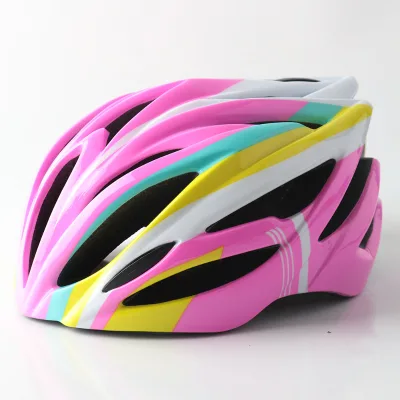
Children Bicycle Helmet Safety Skateboarding Outdoor Sports Kids Bike Helmet
$4.518 - $5.6992
MOQ: 2 pieces
Comprehensive Sourcing Guide
Kids Full Face Bicycle Helmet Sourcing Guide
Procuring protective headgear for young riders requires a careful balance of safety performance, ergonomic fit, and commercial viability. The market offers a diverse array of options, ranging from half-face designs to comprehensive full-face structures, each catering to different risk profiles and activity intensities. Buyers must navigate this landscape by understanding the specific material compositions and structural engineering that define modern helmet safety. This guide provides a structured approach to evaluating suppliers, verifying technical claims, and ensuring that the final product meets the rigorous demands of child safety standards.
The following sections outline the critical steps for sourcing these products effectively. By focusing on observable listing signals, technical verification, and supplier qualification, procurement teams can mitigate risk and secure reliable supply chains. The insights provided are grounded in current market data and standard industry practices, offering a practical framework for decision-making. This approach ensures that buyers can confidently select products that protect young athletes while maintaining cost efficiency and operational consistency.
Product Scope and Observed Listing Signals
The current market for children’s bicycle helmets presents a wide variety of configurations, with listings indicating options for both adult and child age groups, though the focus here remains on pediatric applications. Observed product attributes reveal a strong emphasis on customization, with suppliers offering tailored color schemes and decals to appeal to younger demographics. Common color options include vibrant shades such as pink, blue, red, yellow, and cyan-blue, which are critical for marketing to children and parents. These aesthetic choices are often paired with universal seasonal designs, ensuring year-round relevance and broad market appeal across different climates and usage patterns.
Material composition is a key differentiator in the observed listings, with polyvinyl chloride (PVC) and polypropylene (PP) being frequently cited materials. Some products utilize composite structures, combining polycarbonate shells with high-density EPS foam for enhanced impact resistance. The observed weight ranges suggest a focus on lightweight design, with specific models weighing approximately 400±10g, which is crucial for reducing neck strain on young riders. Additionally, packaging details indicate a mix of PE bags and carton boxes, with standard packing quantities varying from single items to bulk carton configurations, allowing for flexible logistics and inventory management strategies for buyers.
Technical Specifications to Verify
When evaluating technical specifications, buyers must prioritize fit and ventilation, as these directly impact comfort and safety during extended use. Observed hoop sizes for children’s models typically range from 50-56cm, with specific size designations such as S and M available to ensure a secure fit for different head circumferences. Ventilation is another critical factor, with some listings highlighting up to 13 air vents to promote airflow and prevent overheating. Buyers should verify the exact number and placement of vents, as well as the presence of anti-fog lens features if the helmet includes a visor or face shield, to ensure optimal performance in various weather conditions.
Structural integrity and manufacturing processes are equally important to assess. The observed use of integral molding techniques suggests a seamless construction that may enhance durability and reduce the risk of component failure. Buyers should request detailed information on the shell material, such as polycarbonate, and the density of the EPS foam liner, as these components work together to absorb impact energy. Additionally, verifying the single package dimensions and gross weight is essential for calculating shipping costs and storage requirements. Ensuring that the helmet type matches the intended sport, such as general riding or specific cycling disciplines, is also necessary to confirm suitability for the target user base.
Compliance and Safety Documentation
Safety compliance is non-negotiable when sourcing helmets for children, and buyers must insist on robust certification documentation from suppliers. The observed listings mention CE certification, which indicates conformity with health, safety, and environmental protection standards for products sold within the European Economic Area. However, buyers should verify if additional regional certifications, such as CPSC for the United States or EN 1078 for Europe, are available and applicable to their target markets. It is crucial to ensure that the certification covers the specific model and size range being procured, as compliance can vary across different product lines and manufacturing batches.
Beyond certifications, buyers should request detailed test reports that demonstrate the helmet’s performance under impact, penetration, and retention system tests. These reports should be issued by accredited third-party laboratories to ensure objectivity and reliability. The structural design, including the PC shell and high-density EPS foam, must be validated against relevant safety standards to confirm its ability to dissipate kinetic energy effectively. Buyers should also inquire about the quality control processes implemented by the supplier, including routine inspections and batch testing, to ensure consistent safety performance across all units delivered.
Cost Drivers and Commercial Terms
Several factors influence the final cost of children’s bicycle helmets, with material quality, customization options, and order volume being primary drivers. The use of premium materials such as high-density EPS foam and durable polycarbonate shells typically increases production costs but offers superior safety performance. Customization services, including custom colors and decals, may incur additional fees, which buyers should factor into their budgeting. Understanding the minimum order quantity (MOQ) requirements is essential, as observed ranges vary from 1 to 1000 units, allowing for flexibility in initial trial orders versus large-scale procurement.
Commercial terms also play a significant role in the total cost of ownership. Buyers should negotiate clear pricing structures that account for packaging, labeling, and any additional branding requirements. The observed packing standards, such as 10 or 12 pieces per carton, can impact shipping efficiency and costs, so optimizing carton configurations is advisable. Additionally, lead times and port of dispatch options, such as Ningbo or Shanghai, should be discussed to ensure timely delivery and minimize logistical disruptions. Establishing a transparent pricing model that includes all potential variables will help buyers avoid unexpected expenses and maintain budget accuracy.
Supplier Qualification and Quality Control
Selecting a reliable supplier requires a thorough evaluation of their manufacturing capabilities and quality assurance systems. Buyers should verify the supplier’s production facilities, focusing on their use of advanced molding techniques and consistent material sourcing. The observed mention of specific models, such as JC014 and 301, suggests a standardized product line, which can indicate a mature manufacturing process. It is important to assess the supplier’s ability to maintain consistent quality across batches, particularly when dealing with high-volume orders. Requesting samples for independent testing is a critical step to validate the supplier’s claims regarding material composition and structural integrity.
Quality control processes should be clearly defined and documented by the supplier. Buyers should inquire about the frequency of internal inspections, the criteria for defect rejection, and the procedures for handling non-conforming products. A robust quality management system, such as ISO certification, can provide additional assurance of the supplier’s commitment to quality. Additionally, buyers should establish clear communication channels for addressing any quality issues that may arise during production or after delivery. Building a strong relationship with the supplier based on transparency and mutual trust can lead to better collaboration and improved product outcomes over time.
Long-Term Procurement Checks
Sourcing children’s bicycle helmets is an ongoing process that requires regular monitoring and evaluation to ensure continued compliance and performance. Buyers should establish a schedule for periodic audits of the supplier’s quality control processes and manufacturing facilities. These audits should verify that the supplier is adhering to the agreed-upon standards and maintaining the integrity of the supply chain. Additionally, buyers should stay informed about any changes in safety regulations or industry standards that may impact the product requirements. Proactive engagement with regulatory bodies and industry associations can help buyers anticipate and adapt to these changes effectively.
Feedback from end-users, including children and parents, is invaluable for assessing the real-world performance of the helmets. Buyers should implement mechanisms for collecting and analyzing this feedback to identify any potential issues or areas for improvement. This information can be used to refine product specifications and guide future procurement decisions. Furthermore, buyers should regularly review their supplier’s performance metrics, such as delivery times, defect rates, and responsiveness to issues. Maintaining a diverse supplier base can also mitigate risk and ensure continuity of supply in case of disruptions. By continuously evaluating and improving their procurement strategies, buyers can ensure the long-term success and safety of their helmet offerings.
FAQs
What materials are used in these helmets?
The helmets are constructed from durable materials including PVC, PP, and composites. Some models feature a PC shell combined with high-density EPS foam for impact resistance. This structure ensures safety while maintaining a lightweight design suitable for children's active use.
Can I customize the color and decals?
Yes, customization is available for both color and decals. Buyers can select from options like pink, blue, red, yellow, or cyan-blue. This flexibility allows retailers to tailor products to specific market preferences or branding requirements for their target audience.
What certifications do these helmets hold?
These helmets hold CE certification, ensuring they meet European safety standards. This certification is critical for selling in regulated markets. The products are manufactured in China, with origins in Zhejiang and Guangdong provinces, adhering to established quality protocols for protective gear.
What are the packaging details for bulk orders?
Packaging typically involves cartons containing 10 to 12 pieces per carton, depending on the model. Single package sizes vary, with some measuring 31x19.5x25.5 cm. The gross weight per single package is approximately 5.0 kg, facilitating efficient logistics and storage.
What is the minimum order quantity?
The minimum order quantity ranges from 1 to 1000 units, offering flexibility for various buyer sizes. This wide range accommodates both small trial orders and large bulk purchases. Buyers should confirm specific MOQs with suppliers based on the selected model and customization needs.
Are these helmets suitable for different age groups?
Yes, the helmets are designed for both adults and children. Specific models are labeled for kids, with sizes ranging from S to M. Hoop sizes vary between 50-56cm, ensuring a proper fit for different head measurements across the intended age demographics.