Source Kids Height Growth Chart for Home, School, and Clinic
Explore 30 options for Kids Height Growth Chart including pine wood and canvas designs. Buyers can compare sizes, materials, and customization features from suppliers in China.
Key considerations
Products List
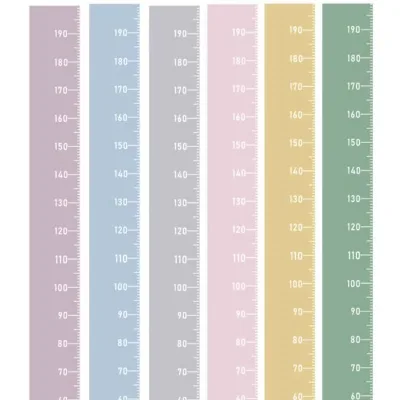
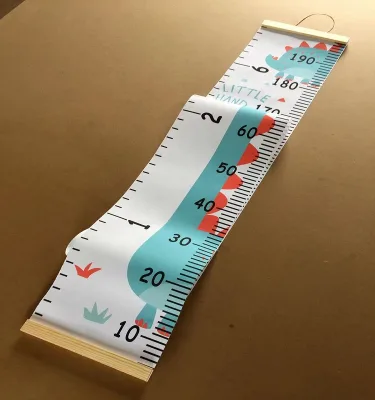
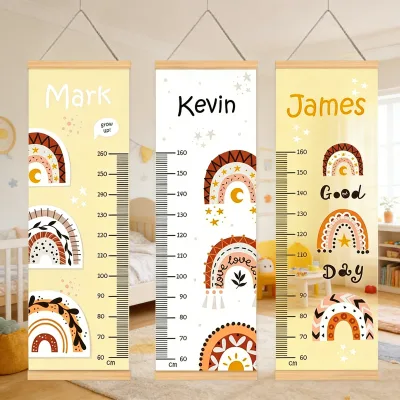
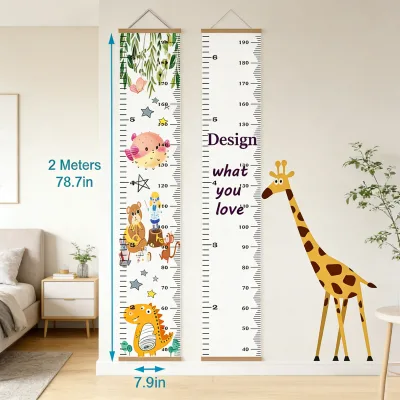
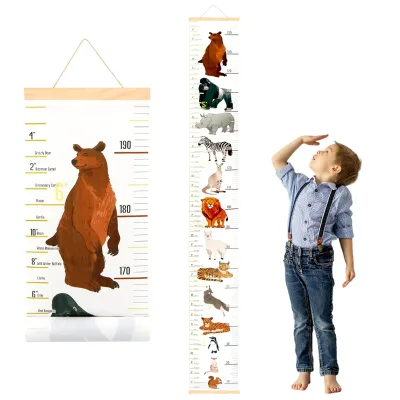
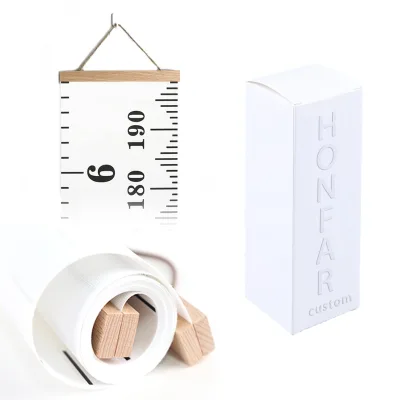
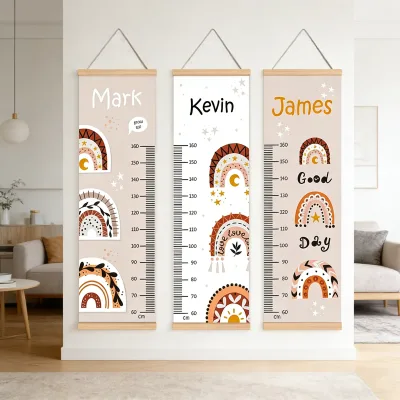
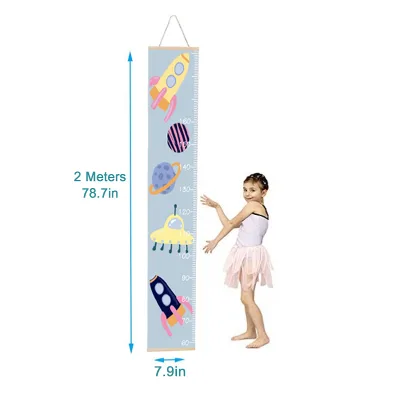


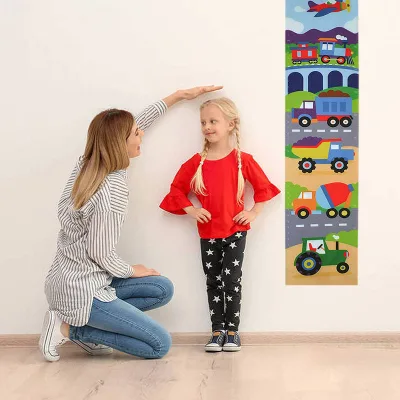
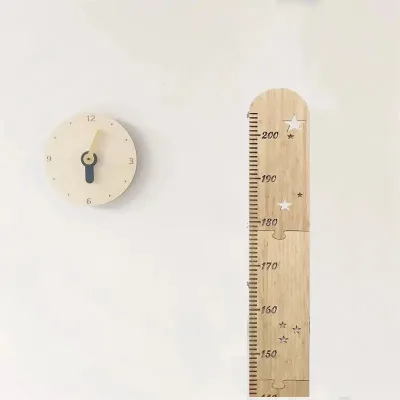
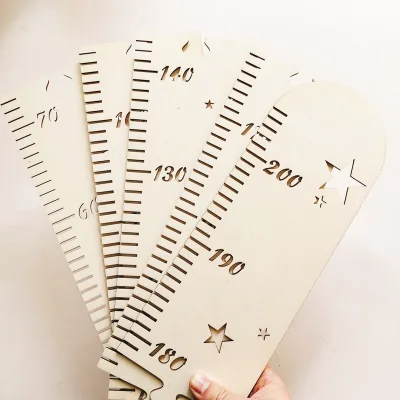


Home Decor Children Growth Wooden Wall Ruler Height Chart for Kids W09c010
$6.00 - $15.00
MOQ: 500 Pieces


High Quality Height Measure Wooden Child Growth Chart with Customize W09c009
$5.00 - $15.00
MOQ: 500 Pieces


Educational Wall Measurement Wooden Ruler Height Chart for Kids W12D422
$10.00 - $20.00
MOQ: 500 Pieces


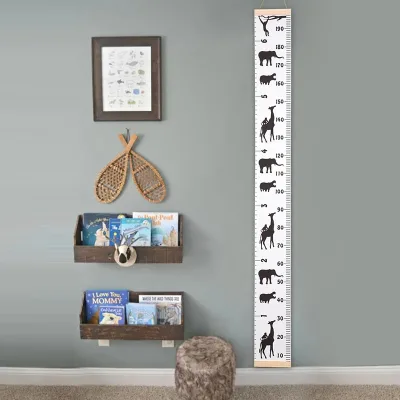
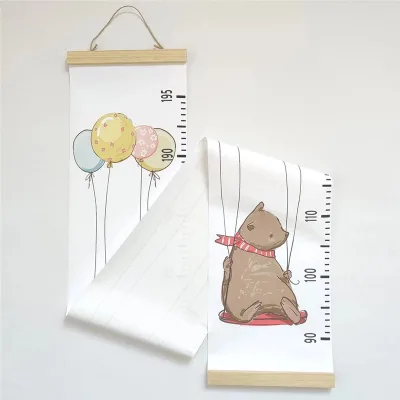
Comprehensive Sourcing Guide
Kids Height Growth Chart Sourcing Guide
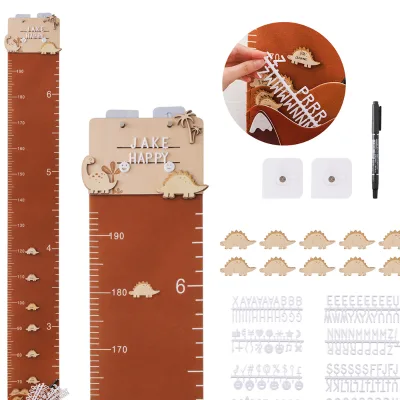
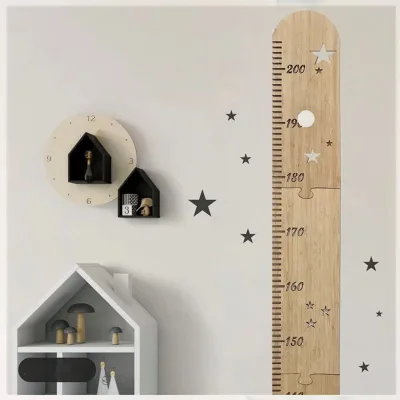
Sourcing kids height growth charts requires a careful balance between aesthetic appeal for the end-user and functional durability for the buyer. These products serve as both practical measurement tools and decorative nursery items, making them a popular choice for retailers specializing in baby gear, home decor, and educational supplies. The market offers a diverse range of materials, from traditional wood and canvas combinations to flexible fabric options, each presenting distinct logistical and quality considerations. Buyers must navigate varying design styles, including modern minimalist frames, dinosaur-themed prints, and polychrome patterns, to align with specific target demographics. Understanding the structural differences between rigid wall-mounted units and foldable or roll-up versions is essential for determining shipping efficiency and retail display requirements.
The procurement landscape for these items is characterized by significant variability in manufacturing origins, primarily concentrated in Chinese provinces such as Zhejiang and Guangdong. This geographic concentration often correlates with specialized supply chains for wood processing and textile printing, which can influence lead times and material consistency. Buyers should recognize that "OEM" branding is common, allowing for private label customization, but this also necessitates rigorous verification of the actual manufacturer’s capabilities. The distinction between a simple printed canvas and a framed unit with hanging accessories adds layers of complexity to quality control, as each component must meet specific durability and safety standards. Successful sourcing depends on clearly defining whether the priority is low-cost volume production or premium, branded retail readiness.
Product Scope and Observed Listing Signals
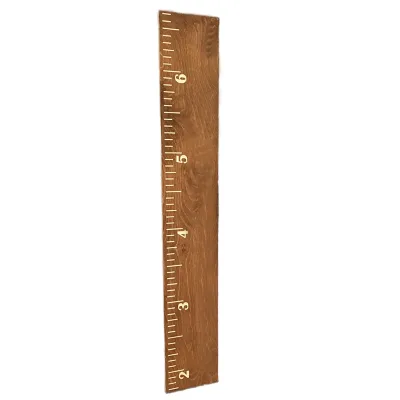
The observed product listings reveal a wide spectrum of configurations, indicating that buyers are not limited to a single standard format. Common material compositions include pine wood paired with canvas, solid wood frames, and pure canvas designs, each offering different tactile qualities and visual impacts. For instance, some listings highlight a "Pine Height baby ruler" with a specific model number, while others describe a "Growth Chart Canvas" with a modern design style. These variations suggest that the market supports both budget-friendly, lightweight options and more substantial, furniture-like pieces. Buyers should pay close attention to the specific material descriptions, as the presence of a wooden frame significantly alters the product’s weight, fragility during transit, and perceived value compared to a simple fabric roll.
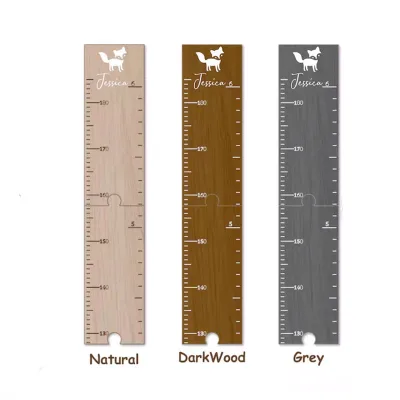
Listing signals also indicate a strong emphasis on customization and branding opportunities. Many suppliers offer logo customization, allowing retailers to imprint their brand identity directly onto the product or packaging. The availability of multiple size options, ranging from 1.2 meters to 2.0 meters in length, and widths around 20 centimeters, provides flexibility for different nursery spaces. Additionally, the inclusion of accessories such as solid frames and hanging ropes is a critical differentiator, as it ensures the product is ready for immediate installation by the end consumer. Buyers should verify whether the listed price includes these mounting components, as their absence can lead to customer dissatisfaction and increased return rates. The presence of specific packaging details, such as white boxes or customized cartons, further signals the supplier’s readiness for retail distribution.
Technical Specifications to Verify
Verifying technical specifications is crucial to ensuring that the product meets both functional and logistical requirements. The physical dimensions of the growth chart, such as a standard size of 20x200cm or alternative sizes like 79" x 7.9", must be confirmed against the buyer’s retail space constraints. It is important to distinguish between the unfolded measurement and the folded or packaged dimensions, as this directly impacts storage and shipping costs. For example, some products are designed to be folded, with single package sizes around 8x6x23 cm, while others may come in larger cartons measuring 35x8x8 cm. Buyers should request precise single package dimensions and gross weights to calculate accurate freight charges and warehouse space allocation.
Material integrity and construction quality are equally important technical aspects to verify. For wood-and-canvas combinations, the thickness of the wood frame and the tautness of the canvas are key indicators of durability. Buyers should inquire about the type of wood used, such as pine or oak, and whether the finish is non-toxic and smooth to prevent splinters. For canvas-only options, the print quality and colorfastness should be assessed to ensure the design does not fade or peel over time. Additionally, the functionality of the hanging mechanism must be tested; the rope or hardware should be securely attached to support the weight of the chart without tearing the material. Confirming these details through sample evaluation is essential to avoid quality disputes later in the supply chain.
Compliance and Safety Documentation
Safety compliance is a non-negotiable aspect of sourcing children’s products, particularly those intended for use in nurseries and bedrooms. Buyers must ensure that all materials, including paints, inks, and wood finishes, comply with relevant regional safety standards for toxic substances. While specific certification statuses may vary by supplier, it is the buyer’s responsibility to request test reports from accredited laboratories to verify compliance with regulations such as those concerning lead content, phthalates, and formaldehyde emissions. This is especially critical for products with wooden frames, where adhesives and varnishes may contain hazardous chemicals if not properly sourced.
Documentation should also cover the structural safety of the product, particularly for framed units that hang on walls. Buyers should verify that the hanging hardware is robust and that the instructions for installation are clear and multilingual to prevent accidents. For products marketed as "baby" or "child" specific, additional scrutiny may be required to ensure there are no small detachable parts that pose a choking hazard. Although the provided facts do not list specific certifications, buyers should proactively ask suppliers for their most recent compliance certificates and ensure that the product labeling meets the legal requirements of the destination market. This due diligence protects the buyer from liability and ensures the safety of the end-user.
Cost Drivers and Commercial Terms
Several factors influence the final cost of kids height growth charts, with material composition and customization levels being primary drivers. Products with solid wood frames and high-quality canvas prints typically command higher prices than simple fabric rolls due to the increased material and labor costs. Customization, such as adding a specific logo or unique design, often incurs additional setup fees and may increase the minimum order quantity (MOQ). Observed listings show MOQs ranging from as low as 2 pieces to 1000 pieces, indicating flexibility for both trial orders and large-scale production. Buyers should negotiate MOQs based on their sales forecast and consider the cost implications of smaller, more frequent orders versus bulk purchases.
Packaging and logistics also play a significant role in the total landed cost. The choice between standard white boxes and customized retail packaging affects both material costs and shipping volume. Products with larger single package sizes, such as those measuring 35x8x8 cm, will incur higher freight charges compared to compact, foldable options. Buyers should analyze the unit weight and package dimensions to optimize container loading and reduce per-unit shipping costs. Additionally, lead times, which can range from 25 to 30 days for customized orders, should be factored into inventory planning to avoid stockouts. Understanding these commercial terms allows buyers to make informed decisions about pricing strategies and supply chain efficiency.
Supplier Qualification and Quality Control
Evaluating supplier qualifications is essential to establishing a reliable supply chain for kids height growth charts. Buyers should prioritize suppliers with a proven track record in manufacturing children’s products, as they are more likely to understand the stringent quality and safety requirements of this category. Verifying the supplier’s production capacity and facility conditions can provide insights into their ability to maintain consistent quality across large orders. It is advisable to request references or case studies from previous clients, particularly those in the same geographic region, to assess the supplier’s reliability and communication effectiveness.
Quality control measures should be clearly defined and agreed upon before production begins. Buyers should implement a pre-shipment inspection process to verify that the products match the approved samples in terms of material, dimensions, print quality, and packaging. For wooden products, checking for smooth edges and secure joints is vital, while for canvas items, ensuring the print alignment and color accuracy is crucial. Establishing a clear protocol for handling defects, including replacement policies and cost responsibilities, helps mitigate risks. Regular communication with the supplier during the production phase can also help identify and resolve potential issues early, ensuring a smoother delivery process.
Long-Term Procurement Checks
Long-term procurement success depends on continuous monitoring of supplier performance and market trends. Buyers should regularly review supplier metrics, such as on-time delivery rates, defect rates, and responsiveness to issues, to ensure ongoing reliability. Building a strong relationship with the supplier can lead to better pricing, priority production slots, and access to new designs. It is also important to stay informed about changes in safety regulations and consumer preferences, which may require adjustments to product specifications or sourcing strategies. Adapting to these changes proactively helps maintain competitiveness and customer satisfaction.
Sustainability and ethical sourcing are increasingly important considerations for modern buyers. Evaluating the supplier’s environmental practices, such as the use of sustainable wood sources or eco-friendly inks, can enhance brand reputation and appeal to environmentally conscious consumers. Buyers should encourage suppliers to adopt best practices in waste reduction and energy efficiency, which can also lead to cost savings over time. By integrating these long-term checks into their procurement strategy, buyers can build a resilient and responsible supply chain that supports business growth and positive social impact.
FAQs
What materials are used for the baby growth chart?
The baby growth chart is constructed from pine wood and canvas or a wood frame with canvas. Some models use oak wood with a canvas print. These materials ensure durability while providing a safe surface for measuring children's height.
What is the minimum order quantity for this product?
The minimum order quantity varies by supplier, with observed values ranging from 2 pieces to 200 pieces. Buyers should verify the specific MOQ for their selected model, as some listings require 100 pieces while others accept smaller orders.
Can the growth chart be customized with a logo?
Yes, the product allows for customized logos and designs on the canvas. Suppliers offer options for customizing the canvas image design and packaging details to meet specific branding requirements for children or baby usage.
Where are these height growth charts manufactured?
These products are manufactured in China, specifically in the Zhejiang and Guangdong provinces. Buyers can expect the place of origin to be listed as either Zhejiang or Guangdong depending on the specific supplier and model selected.
What are the available sizes for the growth chart?
Available sizes include 20x200cm, 0.2x1.8m, 0.2x1.6m, 0.2x1.4m, and 0.2x1.2m. Some models also offer a 79-inch by 7.9-inch dimension or fully customizable sizes to fit different wall spaces.
How long does it take to receive the order?
The lead time for production is typically between 25 to 30 days. This duration applies to standard orders and may vary based on customization requirements or specific supplier capacity for the selected growth chart model.