Source Kids Hair Clip for Weddings, Daily Use, and Events
Explore 30 verified listings for Kids Hair Clip options including alloy, plastic, and metal materials. Buyers can compare customization, packaging, and MOQs from suppliers in China for various occasions; compare the available evidence and request quotations based on your requirements.
Key considerations
Products List


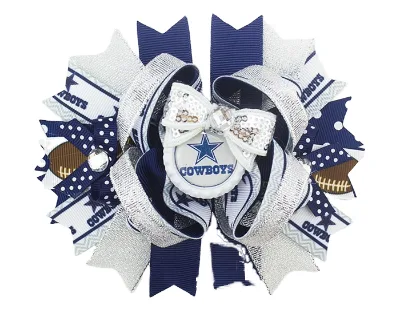
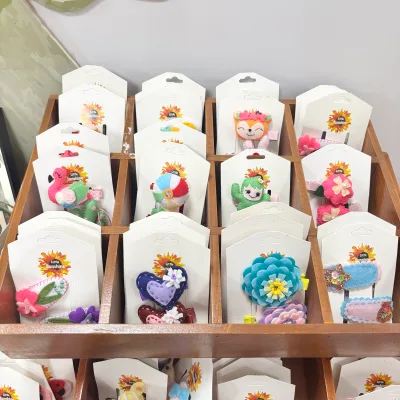
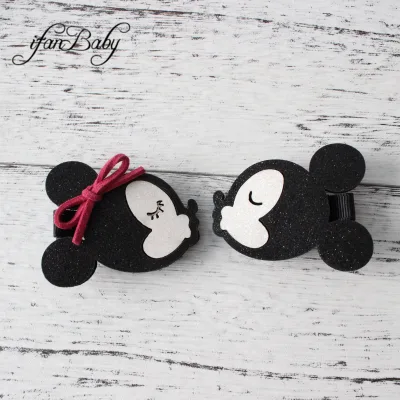
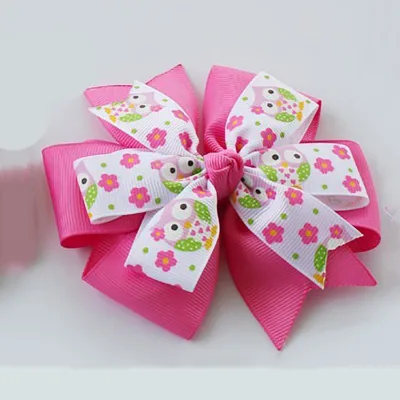


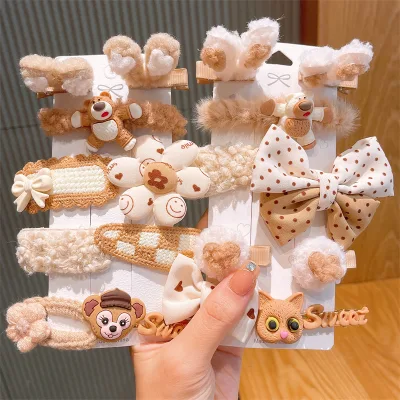
Wholesale Package Style Headwear Set Hair Clip for Girls Kids Hair Accessories
$0.32 - $0.52
MOQ: 100 Pieces

Comprehensive Sourcing Guide
Kids Hair Clip Sourcing Guide
Sourcing children’s hair accessories requires a careful balance of aesthetic appeal, functional durability, and rigorous safety compliance. Buyers must navigate a diverse market where materials range from lightweight plastics to metallic alloys and soft ribbons, each presenting distinct manufacturing and quality control challenges. The primary objective is to secure products that are visually engaging for young users while ensuring they meet strict regulatory standards for chemical safety and mechanical integrity. This guide outlines the critical steps for evaluating suppliers, verifying technical specifications, and establishing robust commercial terms to mitigate risk in the procurement process.
Successful procurement begins with a clear definition of product scope and target demographics. Listings often indicate suitability for specific age groups, such as children aged four to six years, or broader categories like girls and unisex users. Understanding these distinctions is vital for aligning inventory with market demand. Buyers should also consider the intended occasion, whether for daily use, weddings, or seasonal events, as this influences design complexity and material selection. A focused approach ensures that sourcing efforts are directed toward suppliers who specialize in the specific style and functional requirements of the target segment.
Product Scope and Observed Listing Signals
The current market landscape for kids' hair clips reveals a wide variety of product types, including elastic hair bands, snap clips, and decorative hairpins. Observed listings highlight diverse shapes such as bowknots and flowers, catering to fashion-forward and cute aesthetic preferences. Materials vary significantly, with options including alloy, plastic, and ribbon constructions. These material choices directly impact the product's weight, durability, and cost structure. Buyers should analyze these variations to determine which product types best align with their brand identity and customer expectations, ensuring a cohesive and appealing product line.
Packing and customization options are key differentiators among suppliers. Some products are packaged in simple PP bags, while others utilize more premium carton or plastic box packaging. Customization is widely available, allowing buyers to tailor logos, sizes, and even standard dimensions to their specific needs. This flexibility is particularly valuable for private label brands seeking unique market positioning. However, buyers must verify the feasibility and cost implications of these customizations early in the sourcing process to avoid unexpected delays or increased unit costs during mass production.
Technical Specifications to Verify
Technical verification is essential to ensure product consistency and quality. Buyers must confirm specific model numbers, such as HC-25, WD631, or A563, to track production batches accurately. Standard dimensions and weights, such as 115*14mm or 0.01KG, should be validated against physical samples to ensure they meet design requirements. Single package sizes, like 15X12X2 cm, are critical for calculating shipping volumes and storage efficiency. Accurate gross weight data, such as 0.100 kg, also aids in logistics planning and cost estimation. These precise specifications form the baseline for quality control and supplier accountability.
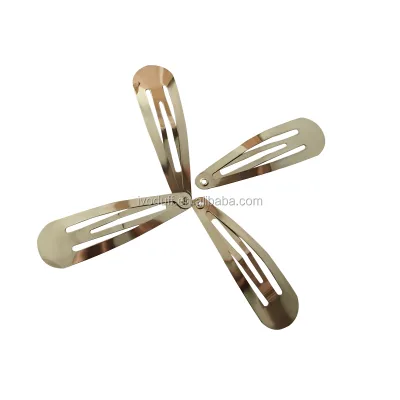
Material composition and structural integrity are paramount for children's products. Alloy and metal components must be checked for sharp edges or rough finishes that could pose a hazard. Plastic and ribbon elements should be evaluated for flexibility and resistance to breakage. The "best" quality claims found in listings must be substantiated through rigorous testing. Buyers should request detailed material specifications and conduct physical inspections to verify that the products are durable enough for daily use by active children. This due diligence prevents returns and protects brand reputation.
Compliance and Safety Documentation
Safety compliance is non-negotiable in the children's accessory market. Buyers must ensure that all products meet relevant international safety standards, such as CE, SGS, GEM, and RoHS, which are indicated in some listings. These certifications verify that materials are free from harmful substances like lead, phthalates, and other toxic chemicals. Additionally, EN71-3 standards, though noted as background information, are critical for assessing the safety of toy-like components in hair accessories. Buyers should request valid test reports from accredited laboratories to confirm compliance before placing large orders.
Documentation must be comprehensive and up-to-date. Suppliers should provide certificates of conformity and detailed material safety data sheets. Buyers should verify that these documents are specific to the exact models and materials being purchased, as standards can vary across product lines. Regular audits of supplier documentation are necessary to maintain compliance over time. Failure to secure proper certification can result in customs delays, product recalls, and significant legal liabilities. Prioritizing verified safety documentation is a fundamental aspect of responsible procurement.
Cost Drivers and Commercial Terms
Cost structures in the hair clip market are influenced by material choices, customization levels, and order volumes. Observed price ranges are relatively low, but buyers must account for additional costs such as tooling for custom designs, packaging upgrades, and shipping fees. Minimum order quantities (MOQs) vary widely, from small batches of 3-5 units to large industrial orders of 50,000 or 100,000 pieces. Understanding these MOQs is crucial for cash flow management and inventory planning. Buyers should negotiate terms that align with their sales velocity and storage capacity.
Commercial terms also include payment conditions, lead times, and warranty policies. Suppliers may offer OEM services, allowing for brand-specific customization, but this often requires higher MOQs and longer production cycles. Buyers should clarify all cost components upfront to avoid hidden fees. Clear agreements on quality guarantees and return policies for defective items are essential. Establishing transparent commercial terms fosters a stable supplier relationship and ensures predictable operational costs, which is vital for long-term profitability in the competitive children's accessory sector.
Supplier Qualification and Quality Control
Supplier qualification involves assessing manufacturing capabilities, quality management systems, and ethical practices. Buyers should verify the supplier's origin, such as Fujian or Shanghai in China, and evaluate their production capacity to handle order volumes. Quality control processes must be robust, including in-line inspections and final random inspections before shipment. Suppliers claiming "best" quality must demonstrate this through consistent performance metrics and low defect rates. Buyers should request samples and conduct thorough evaluations to assess workmanship and material quality.
Establishing a clear quality control protocol is essential for maintaining product standards. This includes defining acceptable quality limits (AQL) and specifying inspection criteria for appearance, functionality, and safety. Regular communication with suppliers regarding quality issues helps in continuous improvement. Buyers should also consider third-party inspection services for large orders to provide an independent verification of product quality. A proactive approach to quality control minimizes the risk of receiving substandard goods and ensures that the final products meet the expectations of end consumers.
Long-Term Procurement Checks
Long-term procurement success depends on continuous monitoring and relationship management. Buyers should regularly review supplier performance metrics, including on-time delivery rates, product quality consistency, and responsiveness to issues. Building a strong partnership with reliable suppliers can lead to better pricing, priority production, and improved service levels. It is also important to stay updated on changing regulations and market trends to ensure ongoing compliance and product relevance. Regular audits and feedback loops help maintain high standards and drive mutual growth.
Adaptability is key in the fast-moving children's accessory market. Buyers should periodically reassess their product portfolio to align with evolving consumer preferences and safety standards. Diversifying the supplier base can mitigate risks associated with single-source dependencies. Additionally, exploring new materials and design innovations can provide a competitive edge. By maintaining a strategic and flexible procurement approach, buyers can ensure sustainable growth and deliver high-quality products that meet the needs of children and their parents effectively.
FAQs
What materials are used for kids hair clips?
Kids hair clips are made from alloy, plastic, metal, and ribbon materials. These options provide durability and safety for children. Some models feature bowknot or flower shapes suitable for daily use or weddings. The choice depends on the specific style and occasion requirements for the young wearer.
Which customization options are available for these clips?
Customization is available for logos, sizes, and packaging requirements. Buyers can request specific models like WD631 or A563 with tailored designs. Packaging options include plastic boxes, trays, or custom bags. This flexibility allows brands to create unique products that meet specific market needs and branding strategies effectively.
Can I find hair clips suitable for girls and children?
Yes, products are suitable for both girls and children. Styles range from cute fashion designs to elastic hair bands. Some items are specifically designed for age ranges like 4-6 years. These clips are appropriate for whole-year wear and various occasions including daily use and special events like weddings.
What are the minimum order quantities for bulk purchases?
Minimum order quantities vary by product type and supplier. Some items require 500 pieces while others may need 100,000 pieces. The observed range spans from 3 to 5000 units depending on the specific model. Buyers should check individual product pages for exact MOQ requirements before placing orders.
Where are these hair clips manufactured and shipped from?
Manufacturing locations include China, specifically Fujian and Shanghai regions. Products originate from these areas before being shipped globally. The origin is clearly stated as China for most items. Buyers can expect supply chains to be established within these specific Chinese manufacturing hubs.
What certifications do the metal hair clips hold?
Metal hair clips may hold certifications such as CE, SGS, GEM, and RoHS. These standards ensure safety and quality compliance for children's products. Not all items carry every certification, so verification is necessary. Buyers should confirm specific standards for the exact model they intend to purchase.
How are the hair clips packaged for shipment?
Packaging options include cartons, plastic boxes, trays, and PP bags. Some suppliers offer custom packaging requirements to suit buyer needs. The single package size can be around 15x12x2 cm with a gross weight of 0.100 kg. Flexible packaging ensures safe transport and presentation of the hair accessories.