Source Kids Magnetic Poetry Set for Learning, Gifts, and Events
Explore 30 options for the Kids Magnetic Poetry Set, comparing educational toys with features like alphabet patterns and handmade designs. Buyers can evaluate specifications such as size, material, and certifications to find suitable suppliers for back-to-school needs.
Key considerations
Products List




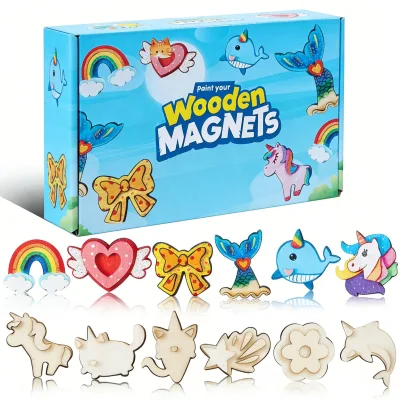
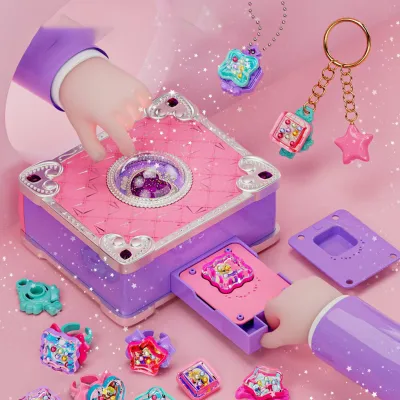
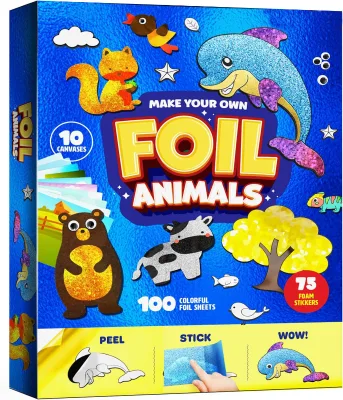
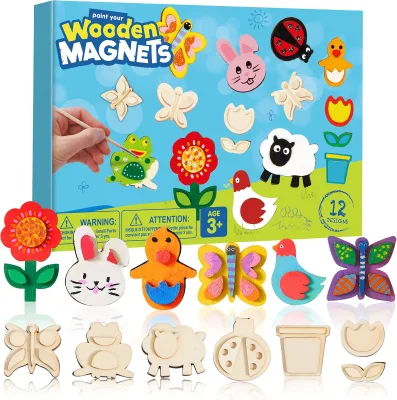
Comprehensive Sourcing Guide
Strategic Sourcing Guide for Kids Magnetic Poetry Sets
Navigating the B2B procurement landscape for children's educational toys, specifically magnetic poetry sets, requires a disciplined approach to verifying product attributes against supply chain realities. The market offers a diverse array of items ranging from simple letter kits to comprehensive learning sets. Buyers must distinguish between generic magnetic letter products and specialized educational tools designed for early literacy. This guide synthesizes available product data to outline the technical, compliance, and logistical parameters essential for a successful sourcing strategy.
Technical Specifications and Product Composition
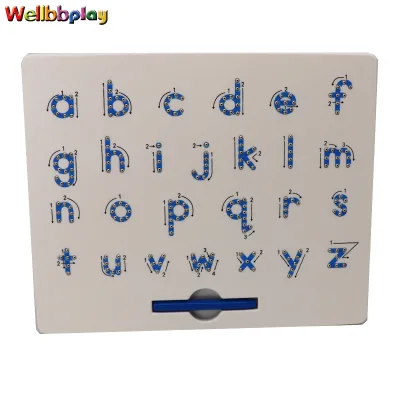
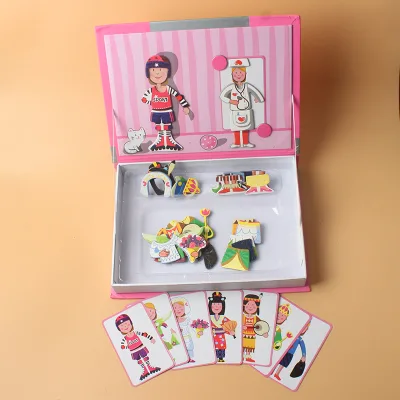
The foundation of any magnetic poetry set lies in its physical composition and dimensional specifications. Based on observed market data, products in this category frequently utilize a hybrid material approach to ensure durability and safety. Common material listings include a combination of wood, ABS plastic, and metal components. Specific observations indicate that some sets feature wooden elements alongside aluminum, copper, brass, or iron magnets. The substrate for the magnetic board or the letters themselves often involves paper board, high-density fiberboard (HDF), or MDF, sometimes finished with fabric or satin coatings.
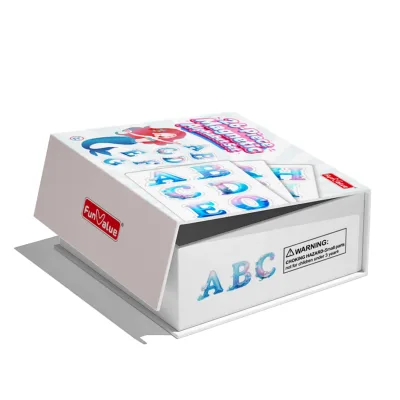
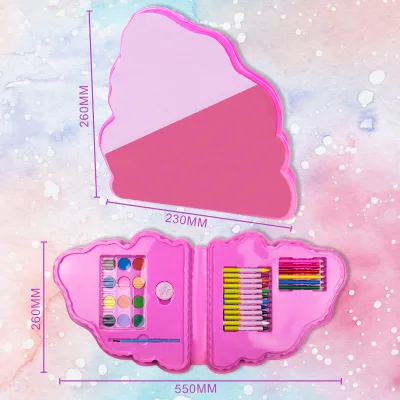
Dimensional consistency is critical for logistics and shelf placement. Observed product sizes vary significantly depending on the complexity of the set. For instance, a standard magnetic learning set may measure approximately 28206.5 cm, while a more compact coloring or activity variant might be sized at 25183 cm. Larger, bulkier educational kits can reach dimensions of 455040 cm. The packaging itself is a vital technical specification; products are typically shipped in color boxes or paper boxes, with specific single package sizes noted as 26183 cm or 25183 cm.
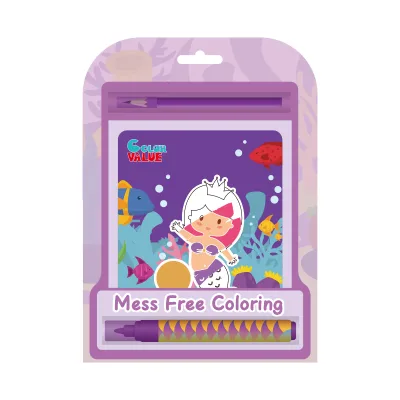
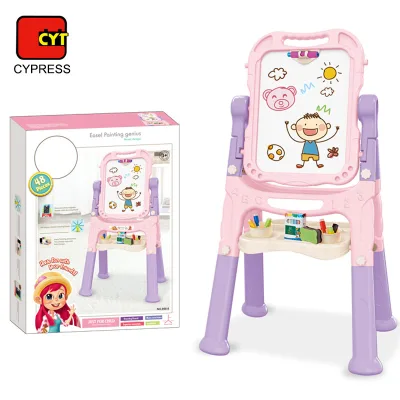
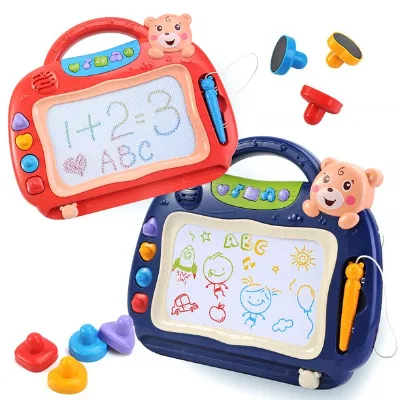
The functional attributes of these sets often extend beyond simple letter arrangement. Many products are marketed as "Magnetic Learning Sets" or "Magic coloring books" that integrate coloring pens with magnetic components. The printing techniques employed on these items are diverse, ranging from letterpress and digital printing to offset, embossing, thermal transfer, silk screen, and UV printing. These techniques influence the tactile experience and visual appeal, which are key drivers for the "Kids art set" and "Luxury" style segments.
Compliance and Certification Verification
Safety is the paramount concern when sourcing products for children aged 2-4 years and older. Regulatory compliance is not merely a formality but a prerequisite for market access in major regions. Observed product data explicitly references compliance with EN71 and ASTM standards. These certifications are essential for toys sold in the European Union and the United States, respectively. Buyers must verify that the specific batch of magnetic poetry sets carries valid certification documentation for these standards.
The material composition also dictates compliance requirements. While some listings mention materials like bamboo, gypsum, and nylon, others list a broad spectrum including plastic, wood, and metal. The presence of small parts, such as individual magnetic letters, triggers specific choking hazard warnings. Product data includes explicit warnings regarding "Eat," indicating that these items are not suitable for children under three years old unless they are part of a larger set with safety guards. Sourcing teams must ensure that the "Warning" labels on the packaging and the product itself align with the intended age group, typically marked as "2-4 years" or older in the product specifications.
Furthermore, the "Environmental Friendly" feature observed in some listings suggests a growing trend toward sustainable materials. Buyers should request material safety data sheets (MSDS) to confirm that the inks used in the "Letterpress Printing" or "Digital Printing" processes are non-toxic and free from heavy metals, ensuring alignment with global safety regulations.
Cost Drivers and Pricing Dynamics
The pricing structure for magnetic poetry sets is influenced by a complex interplay of material costs, customization levels, and order volume. The observed price range in the market spans from $0.40 to $11.59 USD per unit. This wide variance reflects differences in material quality, such as the distinction between standard plastic and premium wooden or metal components. Sets featuring "Luxury" styling or "Handmade" attributes command higher price points due to the labor-intensive nature of production techniques like lampworking or detailed hand-finishing.
Minimum Order Quantity (MOQ) is a significant cost driver. Market data reveals a broad MOQ range, from as low as 1 set to as high as 5000 units. Some suppliers list an MOQ of 2000 pieces for specific drawing paper-based sets, while others offer 3000 sets for larger educational kits. Conversely, certain vendors may accept orders as small as 1 set, which is beneficial for initial market testing but often results in a higher unit cost. The "Customized Logo" feature adds another layer of cost, as it requires additional setup fees and potentially longer lead times.
Buyers should analyze the "Single gross weight" of the product, which varies from 0.5 kg to 4.000 kg depending on the package size and contents. Heavier items incur higher shipping costs, which can erode profit margins if not accounted for in the initial cost model. The "Packing Include" details, such as the inclusion of a "magic pen" or specific coloring books, also impact the final landed cost.
Typical Applications and Market Segmentation
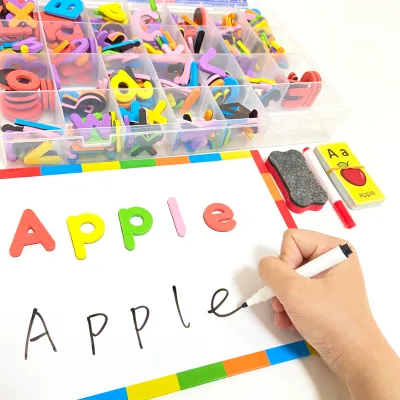
Magnetic poetry sets serve multiple applications beyond simple play. The primary use case is "Kids learning set" and "Educational DIY Toys," designed to enhance literacy and fine motor skills. These products are heavily marketed for "Back to School" and "Graduation" events. However, the application scope extends further into corporate and social gifting. Data indicates that these items are suitable for "Wedding Favors & Bridal Party Gifts," "Training and Team Building," "Thank You" Gifts, and "New Business Giveaways."
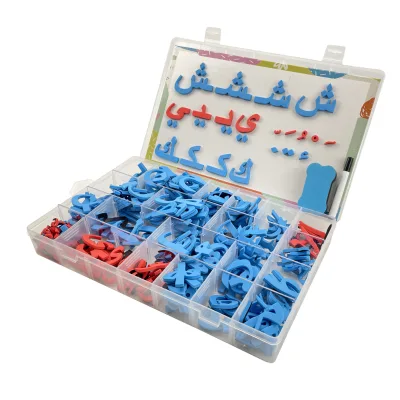
The "Style" of the product plays a crucial role in determining its application. "Kids art set" styles are tailored for educational environments and home use, while "Luxury" styles are positioned for premium promotional activities and alumni relations. The "Pattern" of the product, such as "Alphabet" designs, is fundamental to its educational value. The "Design" capability, including "ODM" (Original Design Manufacturer) options, allows buyers to create unique products that fit specific brand identities or thematic requirements.
Supplier Evaluation and Selection Criteria
Selecting the right supplier requires a rigorous evaluation of their capabilities and track record. Buyers should prioritize suppliers who demonstrate transparency in their "Place of Origin," with Zhejiang, China, being a noted hub for these products. The "Service" attribute, specifically "Personalized Communication," is a strong indicator of a supplier's ability to handle custom orders and resolve issues promptly.
When evaluating suppliers, buyers must verify the "Feature" claims. For instance, "Handmade" products require a different quality control process than mass-produced items. The "Technique" used, such as "Lampworking," suggests a high level of craftsmanship that may not be scalable for very large orders without compromising quality. Buyers should request samples to verify the "Feature: Environmental Friendly" claims and ensure that the "Printing" methods used meet the required safety standards.
The "Model Number" is another critical identifier. Specific models like "XCH-C061" or "BH-MDB26" allow for precise tracking of product specifications and consistency across orders. Buyers should ensure that the supplier can maintain consistency in these model numbers and associated specifications over time.
Quality Control and Inspection Protocols
Effective quality control (QC) is essential to mitigate risks associated with product defects and safety violations. Given the diverse material list, including "Bamboo & Wooden," "Aluminium," "Copper," and "Plastic," inspection protocols must be tailored to each material type. Visual inspections should focus on the "Color" consistency, ensuring that the "Blue" or "White" finishes are uniform and free from defects.
For magnetic components, functional testing is mandatory to ensure that the magnets adhere correctly to the board and do not detach easily. The "Packing" integrity must be verified to prevent damage during transit, especially for items with a "Single gross weight" of up to 4.000 kg. The "Package Size" must match the specifications to avoid issues with shipping container utilization and customs clearance.
Buyers should also verify the "Certificate" status of the products. While EN71 and ASTM are observed standards, buyers must confirm that these certifications are current and applicable to the specific product batch. Random sampling and third-party testing are recommended to validate the "Warning" labels and ensure that the product meets all regulatory requirements for the target market.
Long-Term Procurement Considerations
Sourcing magnetic poetry sets is not a one-time transaction but a long-term partnership that requires strategic planning. The "Delivery Time" of 5 days observed in some listings is an attractive feature for urgent orders, but buyers must verify if this applies to all order sizes or only specific stock items. For custom orders with "Customized Logo" requirements, lead times will likely be longer.
Scalability is another critical factor. Suppliers with an MOQ of 1 set may not have the capacity to fulfill large orders quickly. Conversely, suppliers with an MOQ of 5000 units may be better suited for established brands looking to secure volume discounts. Buyers should assess the supplier's ability to handle fluctuations in demand, particularly during peak seasons like "Back to School" or holiday gifting periods.
Finally, the "Application" diversity of these products offers opportunities for product line expansion. Buyers should consider how magnetic poetry sets can be integrated into broader educational or promotional portfolios. The "Function" of "Coloring Drawing Painting" combined with magnetic letters creates a versatile product that can appeal to a wide range of customers. By maintaining a focus on quality, compliance, and supplier reliability, buyers can build a sustainable supply chain for these educational toys.
FAQs
What certifications do kids magnetic poetry sets typically have?
Products in this category often carry EN71 and ASTM certifications for safety. These standards are essential for toys sold in the European Union and the United States, ensuring compliance with regional safety regulations for children.
How large are the single packages for these educational sets?
Single package sizes vary significantly, with common dimensions being 25 by 18 by 3 cm or 26 by 18 by 3 cm. Larger kits can reach up to 45 by 50 by 40 cm depending on the complexity and included components.
Which materials are used to construct these magnetic learning sets?
Materials frequently include a mix of wood, ABS plastic, metal, paper board, and fabric. Specific listings mention bamboo, gypsum, nylon, and various metals like aluminum, copper, and brass for different components of the set.
Can I find suppliers with a minimum order quantity of one set?
Yes, some suppliers list a minimum order quantity of just 1 set for these products. This option is available for initial market testing, though it may result in a higher unit cost compared to bulk orders.
What is the typical delivery time for these educational toys?
Some listings indicate a delivery time of 5 days for specific stock items. However, custom orders with personalized logos or unique designs may require longer lead times beyond this standard timeframe.
Which age groups are these magnetic letter kits designed for?
The products are explicitly designed for children aged 2 to 4 years and older. Buyers must verify warning labels regarding small parts, as some items carry explicit warnings about choking hazards for younger children.
What printing techniques are applied to these coloring and learning books?
Diverse printing methods are used, including letterpress, digital, offset, embossing, thermal transfer, silk screen, and UV printing. These techniques influence the visual appeal and tactile experience of the final educational product.